Main Menu Navigation
Pulitzer Center Logo
View Primary Menu
Search
  • ABOUT
    Our Mission and Model Staff Board of Directors Impact Annual Reports Donors Ethics and Standards Diversity, Equity, and Inclusion Employment
  • UPDATES
  • EVENTS
    Upcoming Events Conferences
  • WEBINARS ON-DEMAND
  • COMMUNITY
  • IMPACT
DONATE
  • JOURNALISM
      • PULITZER CENTER JOURNALISM
      • STORIES
      • Stories by Pulitzer Center Grantees
      • Stories by Student Reporting Fellows
      • PROJECTS
      • FIELD NOTES
      • APPLY FOR JOURNALISM GRANTS
      • FOCUS AREAS
      • Climate and Environment
      • Global Health
      • Peace and Conflict
      • Human Rights
      • Information and Artificial Intelligence
      • INITIATIVES
      • AI Accountability Network
      • AI Spotlight Series
      • StoryReach U.S.
      • U.S. Local News Reporting
      • Ocean Reporting Network
      • Rainforest Investigations Network
      • Rainforest Reporting
      • Transparency and Governance
      • Our Work/Environment
      • NEWSLETTER ARCHIVE
  • EDUCATION
      • CAMPUS CONSORTIUM PROGRAM & PARTNERS
      • Campus Consortium Program
      • Campus Consortium News
      • Campus Consortium Partners
      • Reporting Fellowships
      • Reporting Fellow Bios
      • Stories by Reporting Fellows
      • Resources for Reporting Fellows
      • Campus Consortium Advisory Council
      • Join the Campus Consortium Network
      • INTERNATIONAL EDUCATION AND OUTREACH
      • K-12 PROGRAMS AND RESOURCES
      • Programs for Teachers and Students
      • Lesson Plans
      • Journalist Visits to Classrooms
      • The 1619 Project Education Portal
      • Student Contests
      • Professional Development for Educators
      • Journalism Skillbuilder Lesson Series
      • K-12 Education News
  • GRANTS & FELLOWSHIPS
      • GRANTS & FELLOWSHIPS
      • Tips for a Successful Grant Application
      • Pulitzer Center Crediting Requirements
      • OPPORTUNITIES FOR JOURNALISTS
      • Global Reporting Grants
      • AI Reporting Grants
      • Global Health Inequities, Risks and Solutions
      • Transparency & Governance Reporting Grants
      • U.S. Civil Society Microgrants 2026
      • Rainforest Reporting Grants
      • Conflict Reporting
      • Ocean and Fisheries Reporting Grants
      • Climate and Labor Reporting Grants
      • Africa Reporting Grants
      • U.S. Local Reporting Grants
      • Machine Learning Reporting Grants
      • OPPORTUNITIES FOR EDUCATORS & CIVIL SOCIETY ORGS
      • The 1619 Project Education Impact Grants
      • Pulitzer Center Teacher Fellowship
      • Impact Seed Funding
      • U.S. Civil Society Microgrants 2026
      • OPPORTUNITIES FOR CAMPUS CONSORTIUM MEMBERS
      • Campus Consortium Reporting Fellowships
      • Post-Grad Reporting Fellowships
  • IMPACT
  • RESOURCES
  • COMMUNITY
  • EVENTS
  • WEBINARS ON-DEMAND
  • ABOUT
    Our Mission and Model Staff Board of Directors Impact Annual Reports Donors Ethics and Standards Diversity, Equity, and Inclusion Employment
  • UPDATES
  • EVENTS
    Upcoming Events Conferences
  • WEBINARS ON-DEMAND
  • COMMUNITY
  • IMPACT
DONATE

Africa

Use the Pulitzer Center Lesson Builder to find and create lesson plans on Africa.


  • ×
    Children, boys and adults work daily, weather permitting, digging rocks out of the slag heaps adjacent to the non-operating lead mine at Kabwe. The larger rocks are piled, crushed by small hammers, bagged, and ultimately sold as building material. The rocks contain up to 5 percent lead and are highly toxic. Locals with no other jobs perform this hazardous work.  Image by Larry C. Price. Zambia, 2017. 
    English
    PART OF: The Black Death of Kabwe

    Zambia: The Rock Crushers of Kabwe

    author image
    Larry C. Price
    Grantee
    June 16, 2017
    Publication logo
  • ×
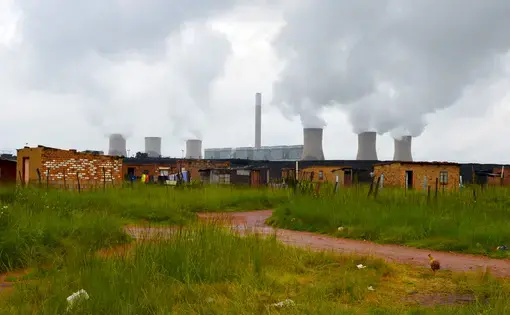
    Duvha Power Station looms over the Masakhane informal settlement near eMalahleni in Mpumalanga. In 2015, the government pledged R18-billion to assist or relocate 15 mining-affected communities, including Masakhane. Image by Mark Olalde. South Africa, 2017.
    English
    PART OF: South Africa's Toxic Legacy

    South Africa's Future Without Coal

    author image
    Mark Olalde
    Grantee
    June 15, 2017
    Publication logo
  • ×
    English
    PART OF: Smoke and Mirrors

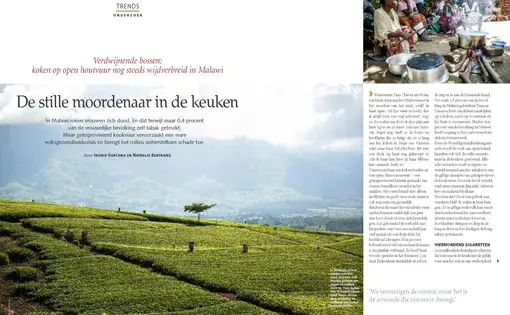
    Malawi: Toxic Cooking Smoke Silently Kills

    author #1 image author #2 image
    Multiple Authors
    June 15, 2017
    Publication logo
  • ×
    Fostina Kasaila Fostina, 11, a 5th grader. With her is Enoch Kasaila, her grandfather. At 4 years of age, Kasaila started showing signs of lead poisoning including loss of memory and lethargy. Image by Larry C. Price. Zambia, 2017.
    English
    PART OF: The Black Death of Kabwe

    Legacy of Lead: The Children of Kabwe

    author image
    Larry C. Price
    Grantee
    June 14, 2017
    Publication logo
  • ×
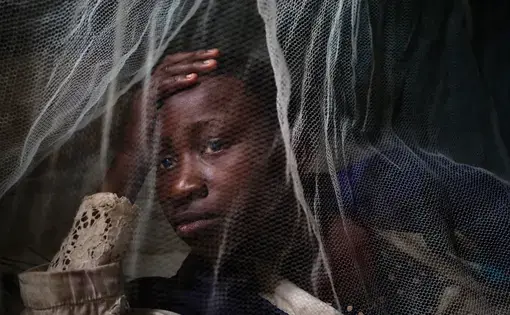
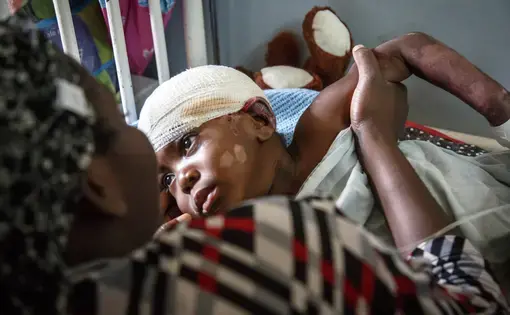
    Jacqueline's mother Eliza holds her daughter - she's still sleepy from her operation. Image by Nathalie Bertrams. Malawi, 2017.
    English
    PART OF: Smoke and Mirrors

    Cooking on Open Fire Causes More Victims Than AIDS

    author #1 image author #2 image
    Multiple Authors
    June 14, 2017
    Publication logo
  • ×
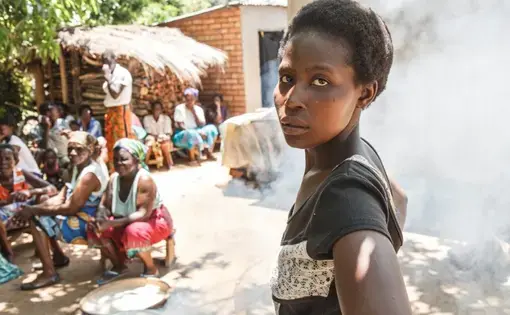
    In Pitala, a village in the north of Malawi, food is cooked over open fire. Image by Nathalie Bertrams. Malawi, 2017.
    English
    PART OF: Smoke and Mirrors

    Malawi's Toxic Kitchens

    author #1 image author #2 image
    Multiple Authors
    June 13, 2017
    Publication logo
  • English

    Lesson Plans

    The World's Most Toxic Town

    Use reporting on Zambia’s lead mines by Damian Carrington and Larry C. Price to explore the causes, effects and responses to toxic lead poisoning.

    author image
    Anne-Michele Boyle
    Lesson Builder User
    READ MORE about The World's Most Toxic Town
    June 13, 2017
  • View from the Invisible Children office in Dungu, DRC. Image by David Gauvey Herbert. Democratic Republic of the Congo, 2016.
    English

    Education Resource

    Meet the Journalist: David Gauvey Herbert

    It has been nearly five years since the San Diego-based NGO Invisible Children uploaded "Kony 2012"...

    author image
    David Gauvey Herbert
    Grantee
    READ MORE about Meet the Journalist: David Gauvey Herbert
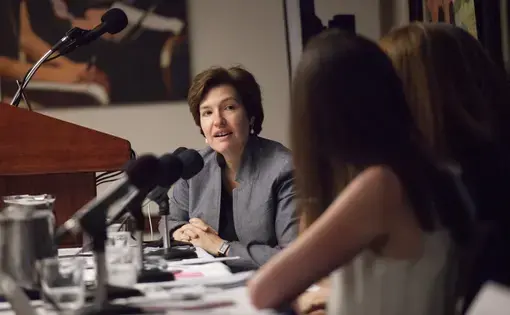
  • Moderator Susan Glasser addresses panelists Paula Bronstein, Sarah Holewinski, Sarah Topol, and Cassandra Vinograd. Image by Sydney Combs. United States, 2017.
    English

    Pulitzer Center Update

    Gender Lens: Women in Conflict Zones

    “I was certainly a very accidental war correspondent,” Politico’s chief international affairs...

    author #1 image author #2 image
    Multiple Authors
    June 12, 2017
  • Property Rights panelists (left to right) LaShawn Jefferson, Amy Toensing, Paola Totaro, and Indira Sarma speak at the Pulitzer Center Gender Lens conference. Image by Jin Ding. United States, 2017.
    English

    Pulitzer Center Update

    Gender Lens: Property Rights—What’s Land Got to Do With It?

    During the Property Rights panel at the Pulitzer Center Gender Lens Conference on June 3, 2017, the...

    author #1 image author #2 image
    Multiple Authors
    June 12, 2017
  • Panelist Allison Shelley describes her work in India, Nepal, Nigeria, and Senegal, during the Global Health panel at Pulitzer Center Gender Lens Conference. Image by Jin Ding. United States, 2017.
    English

    Pulitzer Center Update

    Gender Lens: Sustainable Solutions in Global Health

    On day one of the Pulitzer Center’s Gender Lens Conference, June 3, 2017, a wide-ranging panel of...

    author #1 image author #2 image
    Multiple Authors
    June 9, 2017
  • ×
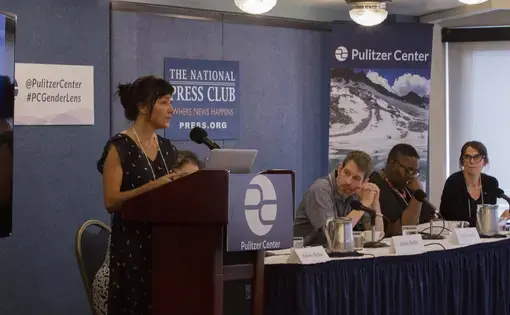
    A woman with her child in the International Medical Corps hospital in Juba, South Sudan. Image by Jane Ferguson. South Sudan, 2017.
    English
    PART OF: South Sudan in Crisis

    20 Million Starving to Death: Inside the Worst Famine Since World War II

    author image
    Jane Ferguson
    Grantee
    June 5, 2017
    Publication logo

Pagination

  • « First
  • ‹‹
  • 166
  • 167
  • 168
  • 169
  • 170
  • ››
  • Last »

Contact

2000 Pennsylvania Ave NW
Suite #7000
Washington, DC 20006
(202) 332-0982
[email protected]

Follow us on Facebook
Follow us on Twitter
  Follow us on Instagram
  Subscribe to us on YouTube

Media Requests

[email protected]

Privacy Policy


Sign up for our newsletter