Main Menu Navigation
Pulitzer Center Logo
View Primary Menu
Search
  • ABOUT
    Our Mission and Model Staff Board of Directors Impact Annual Reports Donors Ethics and Standards Diversity, Equity, and Inclusion Employment
  • UPDATES
  • EVENTS
    Upcoming Events Conferences
  • WEBINARS ON-DEMAND
  • COMMUNITY
  • IMPACT
DONATE
  • JOURNALISM
      • PULITZER CENTER JOURNALISM
      • STORIES
      • Stories by Pulitzer Center Grantees
      • Stories by Student Reporting Fellows
      • PROJECTS
      • FIELD NOTES
      • APPLY FOR JOURNALISM GRANTS
      • FOCUS AREAS
      • Climate and Environment
      • Global Health
      • Peace and Conflict
      • Human Rights
      • Information and Artificial Intelligence
      • INITIATIVES
      • AI Accountability Network
      • AI Spotlight Series
      • StoryReach U.S.
      • U.S. Local News Reporting
      • Ocean Reporting Network
      • Rainforest Investigations Network
      • Rainforest Reporting
      • Transparency and Governance
      • Our Work/Environment
      • NEWSLETTER ARCHIVE
  • EDUCATION
      • CAMPUS CONSORTIUM PROGRAM & PARTNERS
      • Campus Consortium Program
      • Campus Consortium News
      • Campus Consortium Partners
      • Reporting Fellowships
      • Reporting Fellow Bios
      • Stories by Reporting Fellows
      • Resources for Reporting Fellows
      • Campus Consortium Advisory Council
      • Join the Campus Consortium Network
      • INTERNATIONAL EDUCATION AND OUTREACH
      • K-12 PROGRAMS AND RESOURCES
      • Programs for Teachers and Students
      • Lesson Plans
      • Journalist Visits to Classrooms
      • The 1619 Project Education Portal
      • Student Contests
      • Professional Development for Educators
      • Journalism Skillbuilder Lesson Series
      • K-12 Education News
  • GRANTS & FELLOWSHIPS
      • GRANTS & FELLOWSHIPS
      • Tips for a Successful Grant Application
      • Pulitzer Center Crediting Requirements
      • OPPORTUNITIES FOR JOURNALISTS
      • Global Reporting Grants
      • AI Reporting Grants
      • Global Health Inequities, Risks and Solutions
      • Transparency & Governance Reporting Grants
      • U.S. Civil Society Microgrants 2026
      • Rainforest Reporting Grants
      • Conflict Reporting
      • Ocean and Fisheries Reporting Grants
      • Climate and Labor Reporting Grants
      • Africa Reporting Grants
      • U.S. Local Reporting Grants
      • Machine Learning Reporting Grants
      • OPPORTUNITIES FOR EDUCATORS & CIVIL SOCIETY ORGS
      • The 1619 Project Education Impact Grants
      • Pulitzer Center Teacher Fellowship
      • Impact Seed Funding
      • U.S. Civil Society Microgrants 2026
      • OPPORTUNITIES FOR CAMPUS CONSORTIUM MEMBERS
      • Campus Consortium Reporting Fellowships
      • Post-Grad Reporting Fellowships
  • IMPACT
  • RESOURCES
  • COMMUNITY
  • EVENTS
  • WEBINARS ON-DEMAND
  • ABOUT
    Our Mission and Model Staff Board of Directors Impact Annual Reports Donors Ethics and Standards Diversity, Equity, and Inclusion Employment
  • UPDATES
  • EVENTS
    Upcoming Events Conferences
  • WEBINARS ON-DEMAND
  • COMMUNITY
  • IMPACT
DONATE

Africa

Use the Pulitzer Center Lesson Builder to find and create lesson plans on Africa.


  • Kolomi was 12 when he and his friends were herded by Boko Haram into trucks and forced to become soldiers. Image by Glenna Gordon. Nigeria, 2017.
    English

    Pulitzer Center Update

    Sarah Topol's Reporting on Boko Haram Praised in Poynter Newsletter

    Recent reporting on former Boko Haram child soldiers by grantees Sarah Topol and Glenna Gordon was...

    author #1 image author #2 image
    Multiple Authors
    June 23, 2017
  • ×
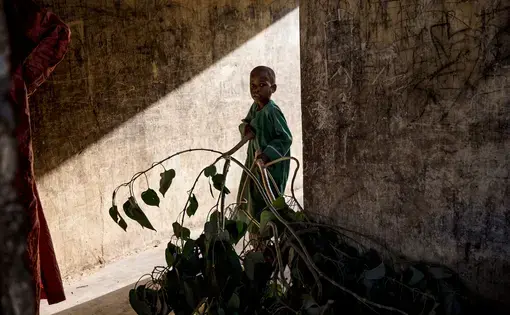
    A boy carrying leaves to feed animals at an informal settlement for displaced people on the outskirts of Maiduguri, capital of Borno State in northern Nigeria. Image by Glenna Gordon. 2017.
    English
    PART OF: The Stolen Generation

    Riding with the Nigerian Soldiers Fighting Boko Haram

    author image
    Glenna Gordon
    Grantee
    June 22, 2017
    Publication logo
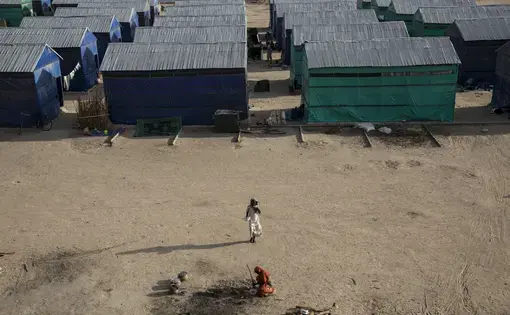
  • A young woman walks through Custom House, a large IDP camp on the outskirts of Maiduguri that is home to over 9,000 people. There are more than 1.7 million displaced in Northern Nigeria alone, and the number of shelters at refugee camps does not meet the needs of the huge population. The camps that do exist are often cut off from town and markets and frequent sites of suicide bombs. Image by Sarah A. Topol. Nigeria, 2017.
    English

    Education Resource

    Meet the Journalist: Sarah A. Topol

    In January 2017, photographer Glenna Gordon and writer Sarah Topol traveled to Nigeria for one month...

    author image
    Sarah Topol
    Grantee
    READ MORE about Meet the Journalist: Sarah A. Topol
  • English

    Lesson Plans

    Child Soldiers: Surviving Boko Haram

    This lesson introduces students to the individual experiences of child soldiers as well as larger issues like the impact of war on children through reporting on Boko Haram.

    author image
    Kem Sawyer
    Pulitzer Center Alum
    READ MORE about Child Soldiers: Surviving Boko Haram
    June 22, 2017
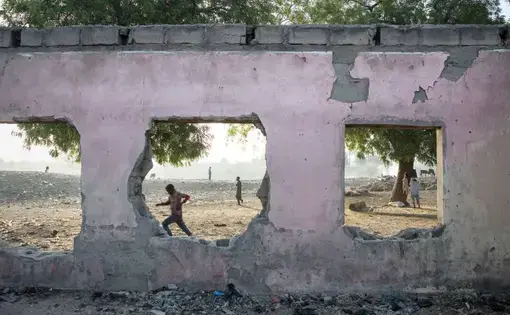
  • From "The Stolen Children" Pulitzer Center project. Image by Glenna Gordon. Nigeria, 2017.
    English

    Project

    The Stolen Generation

    “You people will know your mistakes,” one boy was told. “You have come to where you will enjoy your...

    author #1 image author #2 image
    Multiple Authors
    READ MORE ABOUT THIS PROJECT - The Stolen Generation
  • ×
    English
    PART OF: The Stolen Generation

    How Four Boy Soldiers Survived Boko Haram

    author #1 image author #2 image
    Multiple Authors
    June 22, 2017
    Publication logo
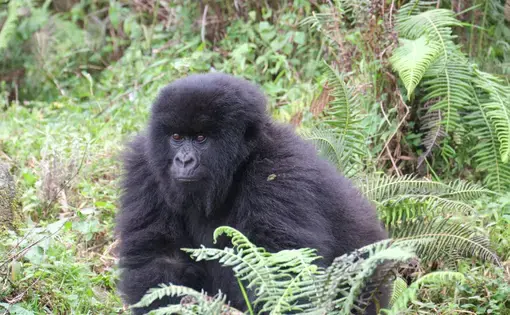
  • A mountain gorilla in Volcanoes National Park, Rwanda. Image by Elham Shabahat. Rwanda, 2017.
    English

    Project

    Rwanda: Climate Change and Mountain Gorillas

    In Rwanda, increased floods, droughts, and landslides have caused deaths and destroyed homes. How...

    author image
    Elham Shirin
    2017 Reporting Fellow
    READ MORE ABOUT THIS PROJECT - Rwanda: Climate Change and Mountain Gorillas
  • ×
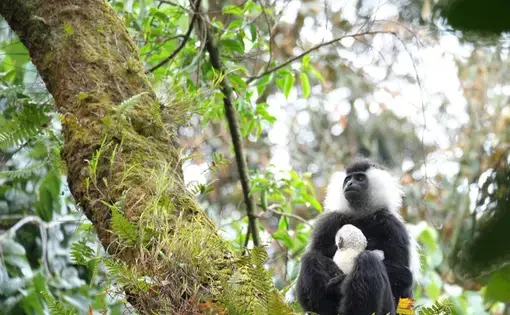
    Colobus monkey and baby in Nyungwe National Park. Nyungwe is one of the region’s largest and oldest-remaining patches of montane rainforest. Thousands of Angola Colobus monkeys inhabit Nyungwe, and travel in groups of up to 400 individuals—a feature unique to Nyungwe and any arboreal primates globally. Image by Elham Shabahat. Rwanda, 2017.
    English
    PART OF: Rwanda: Climate Change and Mountain Gorillas

    Rwanda: Parks and People

    author image
    Elham Shirin
    2017 Reporting Fellow
    June 20, 2017
    Publication logo
  • ×
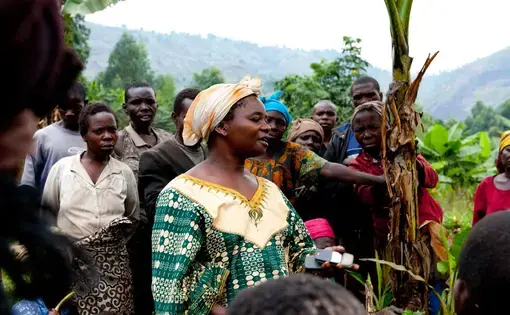
    Masika Katsuva set up a centre for rape survivors in Minova, Congo, where soldiers raped at least 76 women and children over several days in 2012. Image by Fiona Lloyd-Davies. Democratic Republic of the Congo, 2012.
    English
    PART OF: Congo: Consequences of a Conflict with No End

    Congo: A Culture of Impunity Still Exists Around Sexual Violence

    author image
    Fiona Lloyd-Davies
    Grantee
    June 19, 2017
    Publication logo
  • English

    Lesson Plans

    Resources for the University of Chicago Summer Institute for Educators 2017

    This plan includes lessons connected to the work of journalists that presented at the University of Chicago Summer Teacher Institute in June 2017.
    author image
    Pulitzer Center Education
    Lesson Builder User
    READ MORE about Resources for the University of Chicago Summer Institute for Educators 2017
    June 19, 2017
  • ×
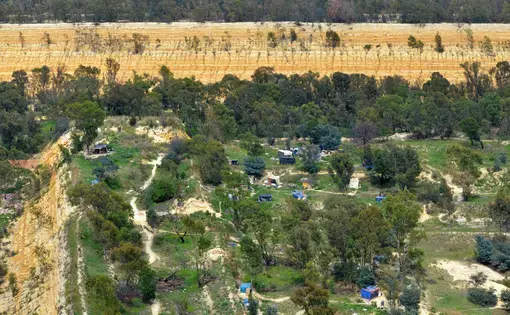
    An informal settlement near Johannesburg sits atop a pile of unrehabilitated gold mine waste. Image by Mark Olalde. South Africa, 2017.
    English
    PART OF: South Africa's Toxic Legacy

    South Africa: R60-Billion Held for Mines that Are Never Closed

    author image
    Mark Olalde
    Grantee
    June 19, 2017
    Publication logo
  • ×
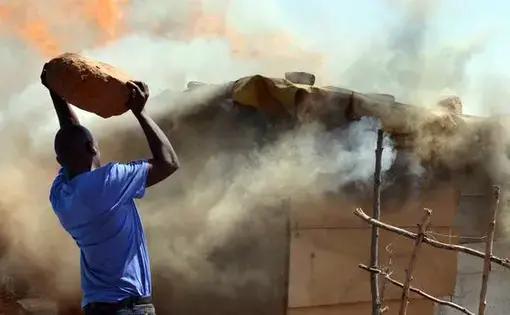
    A shack fire breaks out in the Zamimpilo informal settlement. Poor living conditions complicate efforts to link mine waste to health issues. Image by Mark Olalde. South Africa, 2017.
    English
    PART OF: South Africa's Toxic Legacy

    South Africa: The Dust Mountain That’s Just Always There

    author image
    Mark Olalde
    Grantee
    June 19, 2017
    Publication logo

Pagination

  • « First
  • ‹‹
  • 165
  • 166
  • 167
  • 168
  • 169
  • ››
  • Last »

Contact

2000 Pennsylvania Ave NW
Suite #7000
Washington, DC 20006
(202) 332-0982
[email protected]

Follow us on Facebook
Follow us on Twitter
  Follow us on Instagram
  Subscribe to us on YouTube

Media Requests

[email protected]

Privacy Policy


Sign up for our newsletter