We seek to support civic engagement projects in the United States that engage Pulitzer Center journalism to amplify the voices of affected communities, foster public debate, and drive meaningful audience engagement with our focus areas.
GRANT OVERVIEW
Audience engagement has been at the core of the Pulitzer Center’s work since its founding in 2006. In addition to grants and fellowships that facilitate breakthrough journalism, we support initiatives that connect the reporting to the audiences that need it the most. Our goal is pursuing real-world impact: engaging and mobilizing communities, increasing understanding and connection, and influencing decisions locally and globally.
This microgrant aims to support civil society organizations and groups in the United States to utilize Pulitzer Center-supported reporting as part of projects that contribute to a more informed and empowered community.
For this grant cycle, we are seeking grant proposals for civic engagement projects to be completed by early December 2026 that focus on one of the following issues:
- Climate and the environment, with a focus on U.S fisheries and fishing communities or climate and labor
- Information and Artificial Intelligence
- Global health, with specific focus on mental well-being or connections to the Global South
The objective is to use Pulitzer Center-supported journalism as the inspiration for the projects supported by this civil society microgrant. By leveraging this reporting, we expect to build projects that amplify the voices of affected communities, foster public debate, and drive meaningful audience engagement that will lead to impactful conversations in communities in the U.S. and beyond.
Grants range from US$2,000 to US$4,000. Project proposals can support existing activities or support the launch of new activities.
TOPICS THAT WILL BE SUPPORTED BY THIS CIVIL SOCIETY MICROGRANT
The civil society organization microgrant initiative builds on the Pulitzer Center’s impactful journalism projects on one of the following topics:
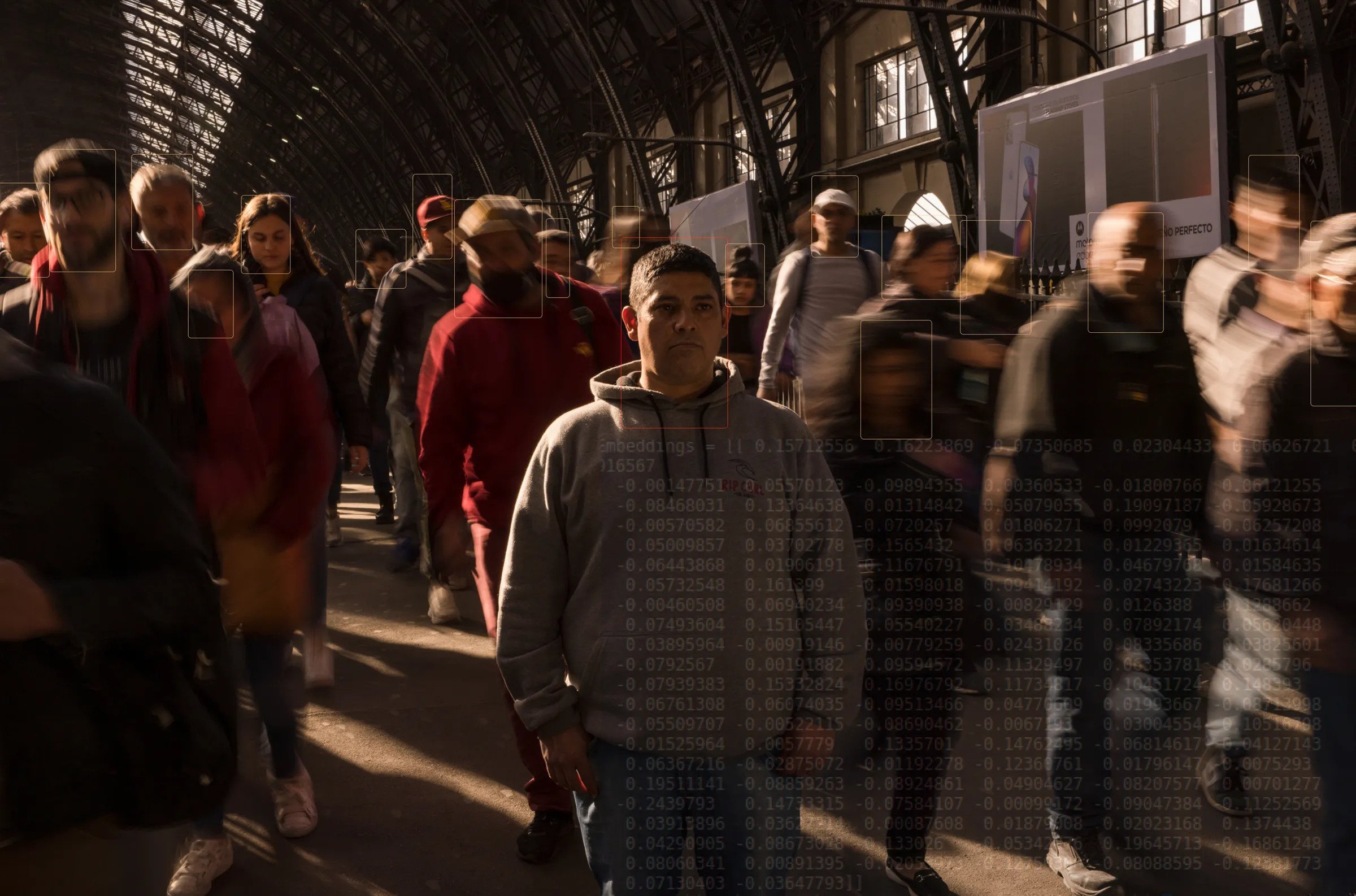
Information and Artificial Intelligence
Deepening understanding of the impact of AI technologies on society and contributing to a more informed and transparent dialogue on AI governance.
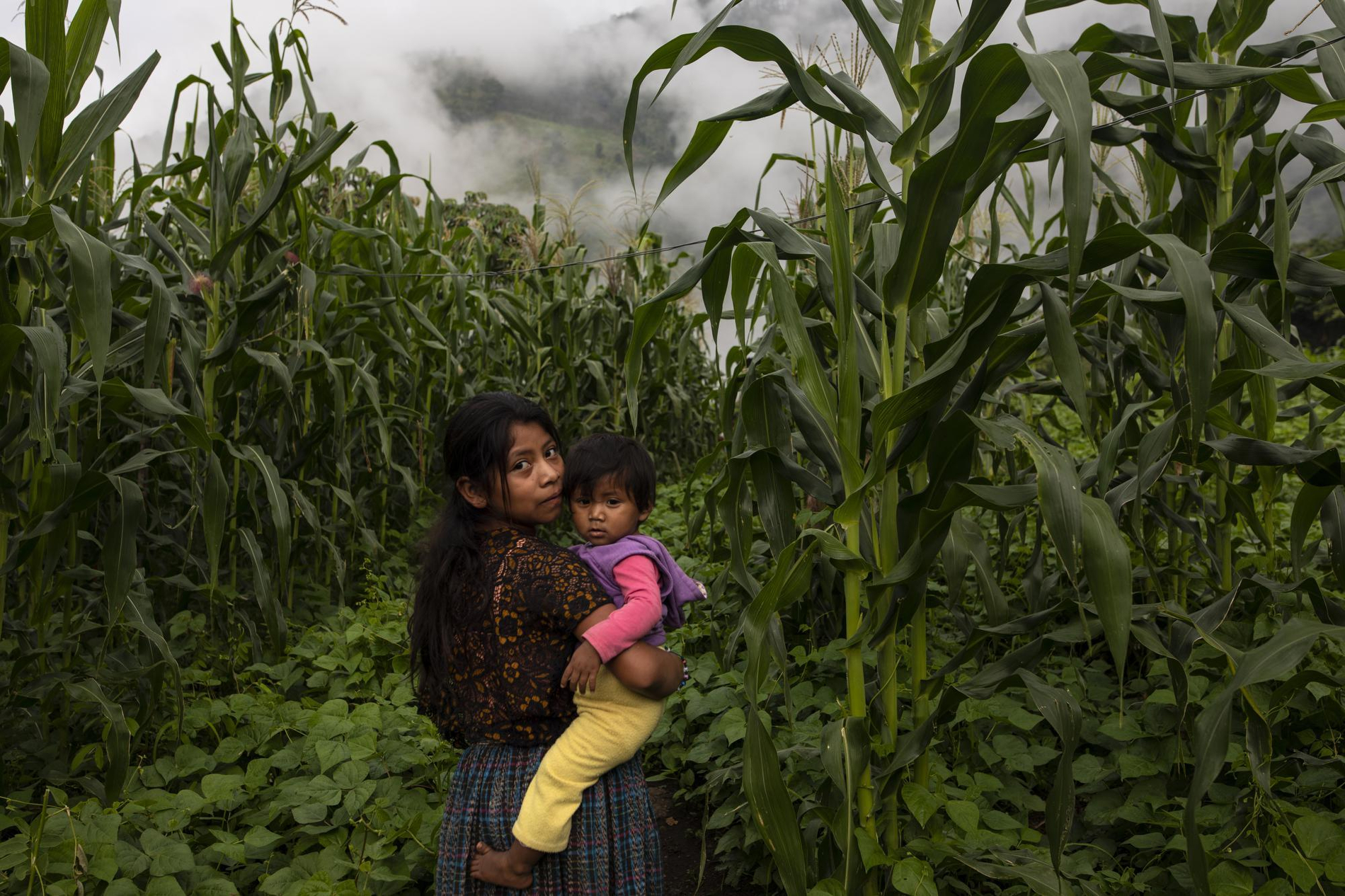
Climate and the Environment
with specific focuses on...
- Climate and labor: Exploring the intersection of climate change and labor, including the challenges faced by vulnerable communities and the business sector's response to navigating climate-related impacts on workers’ rights.
- Fisheries: Highlighting critical issues and solutions for fisheries and communities impacted by fisheries, such as illegal and unregulated fishing, overfishing, the depletion of fish stocks, and the impacts of pollution and climate change on communities reliant on fishing in the U.S.
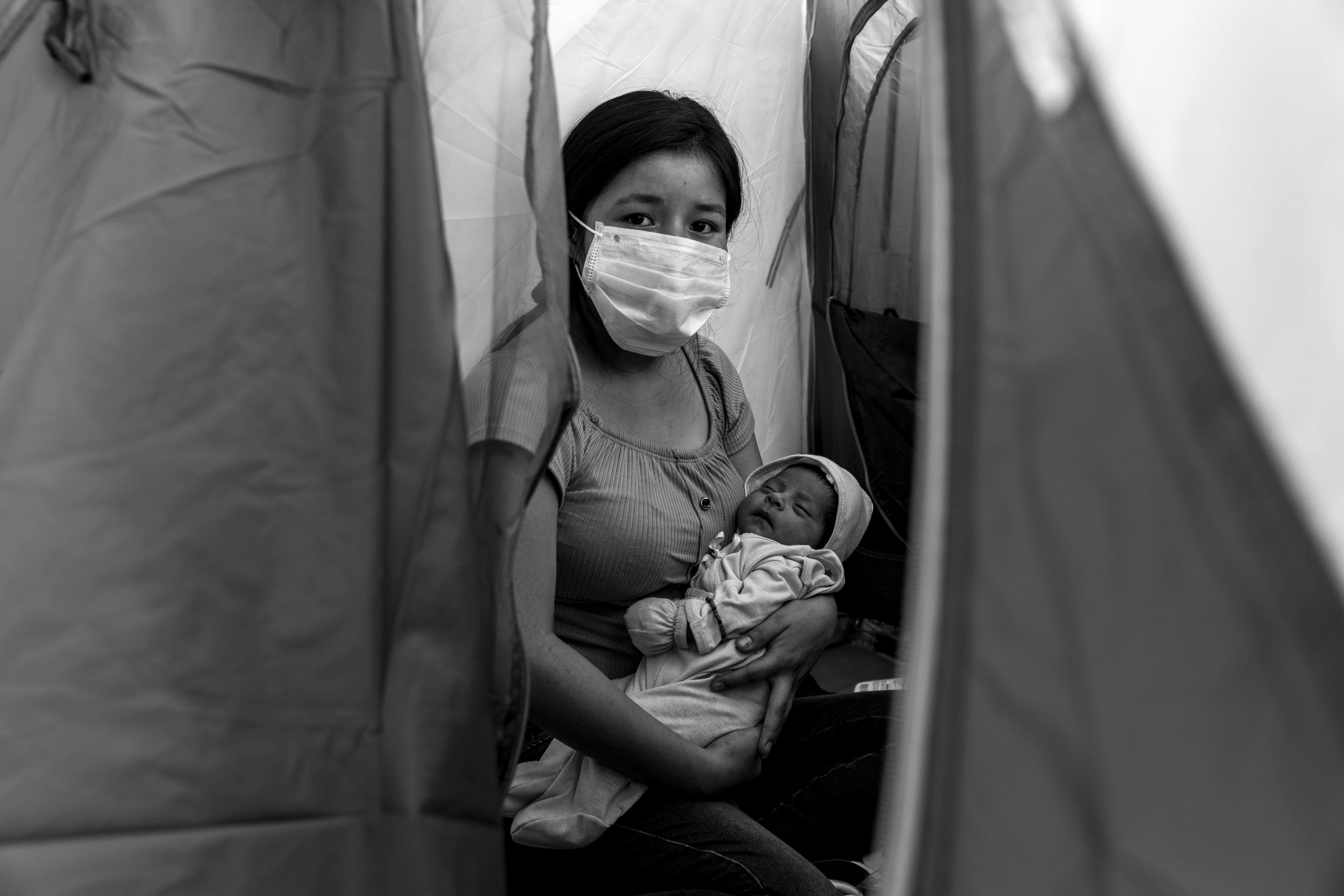
Global Health
with specific focuses on...
- Mental well-being: Promoting mental well-being in the U.S. by working before the point of crisis to give people the tools needed to nurture resilience and enhance protective factors.
- Connections to reporting from the Global South: Analyzing the systemic barriers to healthcare, promising research and treatment advances, emerging health threats, and how massive cuts in U.S. global health aid impact communities globally, and in the U.S.
TYPE OF ACTIVITIES WE SUPPORT
Projects should engage at least one Pulitzer Center story in support of one or more of the following goals:
- Improving the awareness and critical thinking of communities on the issue(s) central to the reporting you chose for your project
- Contributing to more informed and transparent dialogues and decisions, practices, and policies related to the issue(s) central to the reporting you chose for your project
- Representing and amplifying diverse perspectives, including those most affected by the issue(s) central to the reporting you chose for your project
- Equipping communities with information to take action at the local or global level
Examples of activities may include, but are not limited to:
- Multi-stakeholder dialogue: Facilitating transparent and meaningful dialogues that bring together affected communities, journalists, decision-makers, and/or academia to advance understanding of an issue highlighted in Pulitzer Center-supported reporting
- Public forum: Organizing a forum locally, state-wide, or nationally to foster public debate, and utilizing Pulitzer Center-supported reporting as one of the sources to provoke discussions and inspire solutions
- Community engagement: Knowledge-sharing activities connecting journalism and key audiences to clarify understanding of underreported issues, amplify underrepresented voices, and equip communities with information that can inspire action
- Creative campaign: Supporting the development and promotion of creative campaigns (i.e. videos for social media, downloadable infographics with key findings from reporting and resources for audiences, etc.) to raise awareness of a focus issue(s) by amplifying reporting and the diverse voices of affected communities
- Other innovative projects: Creative ideas, such as art exhibitions or other innovative mediums and platforms that amplify reporting and build on existing local cultural practices and creative expressions, are also accepted
Grants can support the development and implementation of new activities. They can also support the integration of Center-supported reporting into existing activities.
TYPE OF ACTIVITIES WHICH ARE BEYOND THE SCOPE OF THIS GRANT
- Projects which are not utilizing Pulitzer Center-supported reporting or do not involve Pulitzer Center-supported journalists
- Direct advocacy or lobbying, such as participating in congress or parliamentary meetings;
- Campaigns that involve or indirectly endorse political candidates or parties
- For-profit oriented initiatives
WHO CAN APPLY
- Organization type: This grant is open to grassroots organizations, academics and researchers, education institutions, civil society organizations and coalitions, youth movements, and other groups working at the intersection of journalism, civic rights, and active citizenship. The organizations should have past experience developing and implementing activities in the United States.
- Capacity for collaboration: A track record of co-creating impactful projects with other organizations and operational capacity to manage microgrant resources from an international organization
- Alignment with key issues: Proven experience working on the identified topics
SELECTION CRITERIA
- Journalism-inspired: All projects must utilize at least one reporting project and/or involve one journalist supported by the Pulitzer Center as a central part of the project
- Audience-centric: All projects must have a target audience and explain why this project is important for them
- Impact-focused: Designed to achieve short-term outcomes for key audiences
Applicants are encouraged to consider the following questions when developing their project proposals:
- How has the issue you selected impacted the group you plan to engage or have engaged with?
- How are you planning to engage with them? Are they part of the project design from the beginning?
- What are the main gaps in information for your target group?
- What format are you planning to use for the project? Have you done a similar project previously?
- How does at least one Pulitzer Center-supported story support the project goals and plan?
RESOURCES AND TIMING OF PROJECTS
Grants range from US$2,000 to US$4,000. Applicants should include the amount requested and a draft budget outlining how that amount will be spent when submitting the microgrant application
The maximum duration for the proposal's implementation is six months (late June – early December). Upon approval of the project proposal and the signing of the agreement with the Pulitzer Center, funds will be transferred to the partner. Formal start and end dates for the project will be established in the agreement. Applicants must submit financial narrative reports and outcomes achieved at the end of the grant period. Partners are not obliged to collect detailed receipts.
SELECTION PROCESS – OPEN CALL
- Submission of the proposal by the applicants
- Shortlist of proposals by a panel of Pulitzer Center staff
- Interview with the proposal lead applicant by a panel of Pulitzer Center staff
- Announcement of selected proposal for immediate implementation of the grant
TIMELINE — OPEN CALL
- Application process: May 8–June 8, 2026
- Interviews with grant finalists and grant announcements: Mid-June 2026
- Required onboarding meeting for grantees: Rescheduled to Wednesday, July 8 from 7:00-8:30pm EDT
- Implementation duration: June – Early December 2026 (six months to implement)
- Project closure and impact reporting: Completed by December 21, 2026
STILL HAVE QUESTIONS?
Here are some of the things you can learn from watching this recording:
In this information session, recorded on Wednesday, May 27, 2026, Pulitzer Center's Associate Director of Education Fareed Mostoufi outlines the goals, requirements, application process, and selection timeline for the U.S. Civil Society Microgrants 2026. The session also responds to attendee questions related to selecting reporting for a proposed project, identifying whether or not a project is eligible for the grant, identifying partners and resources for a project before applying, and preparing a successful application. Email [email protected] with additional questions!