Main Menu Navigation
Pulitzer Center Logo
View Primary Menu
Search
  • ABOUT
    Our Mission and Model Staff Board of Directors Impact Annual Reports Donors Ethics and Standards Diversity, Equity, and Inclusion Employment
  • UPDATES
  • EVENTS
    Upcoming Events Conferences
  • WEBINARS ON-DEMAND
  • COMMUNITY
  • IMPACT
DONATE
  • JOURNALISM
      • PULITZER CENTER JOURNALISM
      • STORIES
      • Stories by Pulitzer Center Grantees
      • Stories by Student Reporting Fellows
      • PROJECTS
      • FIELD NOTES
      • APPLY FOR JOURNALISM GRANTS
      • FOCUS AREAS
      • Climate and Environment
      • Global Health
      • Peace and Conflict
      • Human Rights
      • Information and Artificial Intelligence
      • INITIATIVES
      • AI Accountability Network
      • AI Spotlight Series
      • StoryReach U.S.
      • U.S. Local News Reporting
      • Ocean Reporting Network
      • Rainforest Investigations Network
      • Rainforest Reporting
      • Transparency and Governance
      • Our Work/Environment
      • NEWSLETTER ARCHIVE
  • EDUCATION
      • CAMPUS CONSORTIUM PROGRAM & PARTNERS
      • Campus Consortium Program
      • Campus Consortium News
      • Campus Consortium Partners
      • Reporting Fellowships
      • Reporting Fellow Bios
      • Stories by Reporting Fellows
      • Resources for Reporting Fellows
      • Campus Consortium Advisory Council
      • Join the Campus Consortium Network
      • INTERNATIONAL EDUCATION AND OUTREACH
      • K-12 PROGRAMS AND RESOURCES
      • Programs for Teachers and Students
      • Lesson Plans
      • Journalist Visits to Classrooms
      • The 1619 Project Education Portal
      • Student Contests
      • Professional Development for Educators
      • Journalism Skillbuilder Lesson Series
      • K-12 Education News
  • GRANTS & FELLOWSHIPS
      • GRANTS & FELLOWSHIPS
      • Tips for a Successful Grant Application
      • Pulitzer Center Crediting Requirements
      • OPPORTUNITIES FOR JOURNALISTS
      • Global Reporting Grants
      • AI Reporting Grants
      • Global Health Inequities, Risks and Solutions
      • Transparency & Governance Reporting Grants
      • U.S. Civil Society Microgrants 2026
      • Rainforest Reporting Grants
      • Conflict Reporting
      • Ocean and Fisheries Reporting Grants
      • Climate and Labor Reporting Grants
      • Africa Reporting Grants
      • U.S. Local Reporting Grants
      • Machine Learning Reporting Grants
      • OPPORTUNITIES FOR EDUCATORS & CIVIL SOCIETY ORGS
      • The 1619 Project Education Impact Grants
      • Pulitzer Center Teacher Fellowship
      • Impact Seed Funding
      • U.S. Civil Society Microgrants 2026
      • OPPORTUNITIES FOR CAMPUS CONSORTIUM MEMBERS
      • Campus Consortium Reporting Fellowships
      • Post-Grad Reporting Fellowships
  • IMPACT
  • RESOURCES
  • COMMUNITY
  • EVENTS
  • WEBINARS ON-DEMAND
  • ABOUT
    Our Mission and Model Staff Board of Directors Impact Annual Reports Donors Ethics and Standards Diversity, Equity, and Inclusion Employment
  • UPDATES
  • EVENTS
    Upcoming Events Conferences
  • WEBINARS ON-DEMAND
  • COMMUNITY
  • IMPACT
DONATE

Uganda

Use the Pulitzer Center Lesson Builder to find and create lesson plans on this country.


  • ×
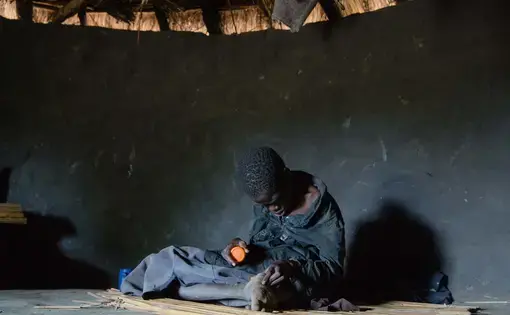
    Margaret Arach, 42, watches her children at her home in Pader District, Northern Uganda. She is the sole caretaker of her seven children, two of whom suffer from nodding syndrome. Image by Esther Ruth Mbabazi. Uganda, 2019.
    English
    PART OF: A Mysterious Fate: Nodding Syndrome in Northern Uganda

    A Devastating Illness Rocked Uganda, Then Disappeared. Disabled Children — and a Mystery — Remain

    author image
    Esther Ruth Mbabazi
    Grantee
    September 26, 2019
    Publication logo
  • Nodding Syndrome project page
    English

    Project

    A Mysterious Fate: Nodding Syndrome in Northern Uganda

    A project documenting nodding syndrome in Northern Uganda, a disease with an unknown cause and no...

    author image
    Esther Ruth Mbabazi
    Grantee
    READ MORE ABOUT THIS PROJECT - A Mysterious Fate: Nodding Syndrome in Northern Uganda
  • ×
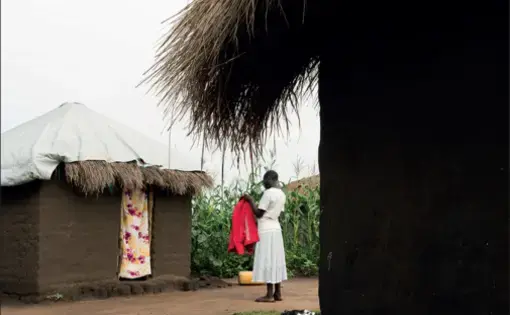
    Betty Omina discovered that she was HIV positive when she reached the refugee settlements in Uganda. Image by Adriane Ohanesian. Uganda, 2019.
    English
    PART OF: Was Your Sister Disturbed?

    Sexual Violence, HIV, and Conflict in South Sudan

    author #1 image author #2 image
    Multiple Authors
    August 30, 2019
    Publication logo
  • ×
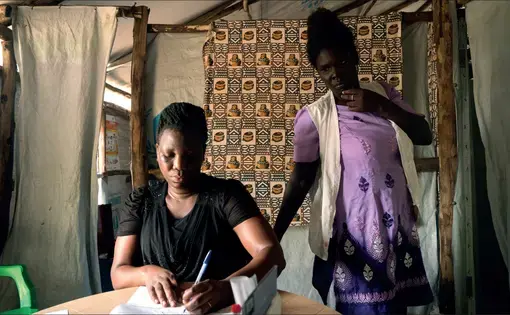
    Midwife Susan Oyera, with the help of medical interpreter Grace Ezati, writes a referral for a patient who has a positive HIV test to speak with a psychologist at the Médecins Sans Frontières sexual violence and mental health clinic in the Omugo settlement in the Rhino camp extension in Uganda for refugees from South Sudan.
    English
    PART OF: Was Your Sister Disturbed?

    Picturing Health: Health Services in Refugee Camps Are Helping South Sudanese Women Tell Their Stories of Sexual Violence

    author image
    Adriane Ohanesian
    Grantee
    August 30, 2019
    Publication logo
  • ×
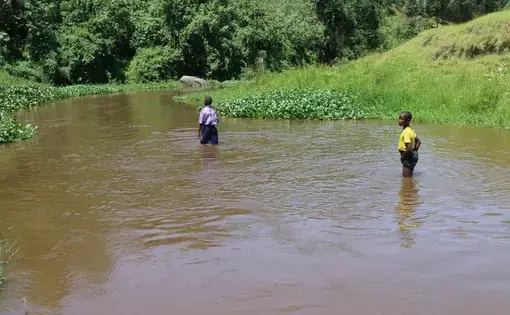
    Rwizi River has been turned into a road. Residents walk through it as if it was a road. Image by Fredrick Mugira. Uganda, 2019.
    English
    PART OF: Sucked Dry: Land Grabs and Water Access in the Nile River Basin

    Road River: A Photo Story of a River Dried by Illegal Land Acquisitions

    author #1 image author #2 image
    Multiple Authors
    August 20, 2019
    Publication logo
  • ×
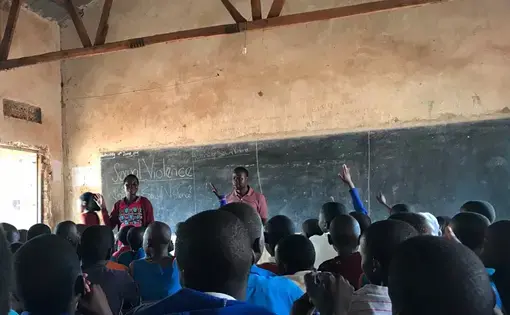
    Primary school students participate in an educational session on the topic of sexual violence. Image by Keishi Foecke. Uganda, 2019.
    English
    PART OF: #MeToo: The Fight Against the ‘Open Secret’ of Sexual Violence in Uganda

    A Warm Welcome: First Days in Uganda

    author image
    Keishi Foecke
    2019 Reporting Fellow
    August 5, 2019
    Publication logo
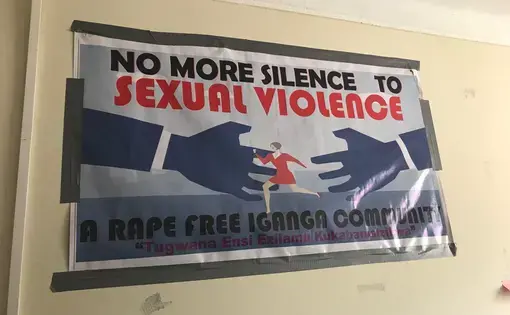
  • The town of Iganga, home to about 55,000 people, is seeing a powerful movement to end sexual violence. The name of the ’No More Silence’ campaign illustrates just how stigmatized it is to discuss the topic. Image by Keishi Foecke. Uganda, 2019.
    English

    Project

    #MeToo: The Fight Against the ‘Open Secret’ of Sexual Violence in Uganda

    The #MeToo movement is making its way across the world. In Uganda, it means speaking out against a...

    author image
    Keishi Foecke
    2019 Reporting Fellow
    READ MORE ABOUT THIS PROJECT - #MeToo: The Fight Against the ‘Open Secret’ of Sexual Violence in Uganda
  • ×
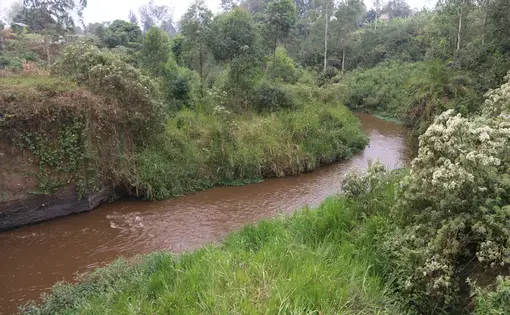
    River Rwizi in Southwestern Uganda. Officials say River Rwizi, a life-line river for about five million people has had up to 80 percent of its water dry up. Image by Fredrick Mugira. Uganda, 2019.
    English
    PART OF: Sucked Dry: Land Grabs and Water Access in the Nile River Basin

    Land Deals Threaten to Impair River Nile

    author image
    Fredrick Mugira
    Congo Basin RJF Grantee
    March 30, 2019
    Publication logo
  • ×
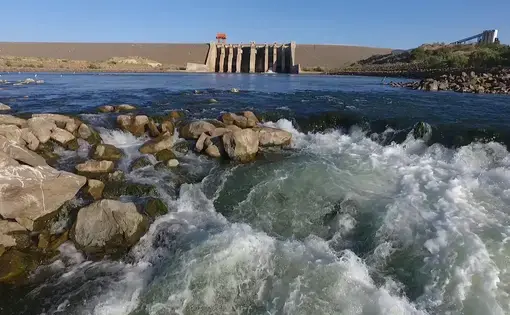
    Water dams and reservoirs produce the much needed renewable energy; provide water for agriculture; industrial use; control river flow and flooding. Image by Fredrick Mugira. Sudan, 2019. 
    English
    PART OF: Sucked Dry: Land Grabs and Water Access in the Nile River Basin

    Beyond Fueling Land Grabs: Dams and Reservoirs Worsen Water Shortages

    author image
    Fredrick Mugira
    Congo Basin RJF Grantee
    February 14, 2019
    Publication logo
  • Congratulations to the winners of the 2018 Local Letters for Global Change contest!
    English

    Pulitzer Center Update

    Young Leader Profiles: Meet the Winners of the Local Letters for Global Change Contest

    Meet the next generation of global changemakers: our contest winners are profiled here, and receive...

    author #1 image author #2 image
    Multiple Authors
    January 18, 2019
  • ×
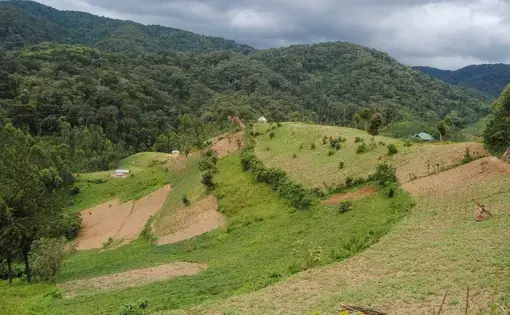
    In River Nile basin region, natural forests are mostly in upstream countries. Reasons for forestland grab in these countries include production of food crops, nonfood agriculture commodities and timber production. Image by Fredrick Mugira. Uganda, 2018.
    English
    PART OF: Sucked Dry: Land Grabs and Water Access in the Nile River Basin

    Land Grabbing Worsens Climate Change

    author #1 image author #2 image
    Multiple Authors
    January 10, 2019
    Publication logo
  • English

    Project

    Sucked Dry: Land Grabs and Water Access in the Nile River Basin

    As world water shortages worsen, foreign companies are scooping up fertile land in the Nile River...
    author #1 image author #2 image
    Multiple Authors
    READ MORE ABOUT THIS PROJECT - Sucked Dry: Land Grabs and Water Access in the Nile River Basin

Pagination

  • « First
  • ‹‹
  • 8
  • 9
  • 10
  • 11
  • 12
  • ››
  • Last »

Contact

2000 Pennsylvania Ave NW
Suite #7000
Washington, DC 20006
(202) 332-0982
[email protected]

Follow us on Facebook
Follow us on Twitter
  Follow us on Instagram
  Subscribe to us on YouTube

Media Requests

[email protected]

Privacy Policy


Sign up for our newsletter