Main Menu Navigation
Pulitzer Center Logo
View Primary Menu
Search
  • ABOUT
    Our Mission and Model Staff Board of Directors Impact Annual Reports Donors Ethics and Standards Diversity, Equity, and Inclusion Employment
  • UPDATES
  • EVENTS
    Upcoming Events Conferences
  • WEBINARS ON-DEMAND
  • COMMUNITY
  • IMPACT
DONATE
  • JOURNALISM
      • PULITZER CENTER JOURNALISM
      • STORIES
      • Stories by Pulitzer Center Grantees
      • Stories by Student Reporting Fellows
      • PROJECTS
      • FIELD NOTES
      • APPLY FOR JOURNALISM GRANTS
      • FOCUS AREAS
      • Climate and Environment
      • Global Health
      • Peace and Conflict
      • Human Rights
      • Information and Artificial Intelligence
      • INITIATIVES
      • AI Accountability Network
      • AI Spotlight Series
      • StoryReach U.S.
      • U.S. Local News Reporting
      • Ocean Reporting Network
      • Rainforest Investigations Network
      • Rainforest Reporting
      • Transparency and Governance
      • Our Work/Environment
      • NEWSLETTER ARCHIVE
  • EDUCATION
      • CAMPUS CONSORTIUM PROGRAM & PARTNERS
      • Campus Consortium Program
      • Campus Consortium News
      • Campus Consortium Partners
      • Reporting Fellowships
      • Reporting Fellow Bios
      • Stories by Reporting Fellows
      • Resources for Reporting Fellows
      • Campus Consortium Advisory Council
      • Join the Campus Consortium Network
      • INTERNATIONAL EDUCATION AND OUTREACH
      • K-12 PROGRAMS AND RESOURCES
      • Programs for Teachers and Students
      • Lesson Plans
      • Journalist Visits to Classrooms
      • The 1619 Project Education Portal
      • Student Contests
      • Professional Development for Educators
      • Journalism Skillbuilder Lesson Series
      • K-12 Education News
  • GRANTS & FELLOWSHIPS
      • GRANTS & FELLOWSHIPS
      • Tips for a Successful Grant Application
      • Pulitzer Center Crediting Requirements
      • OPPORTUNITIES FOR JOURNALISTS
      • Global Reporting Grants
      • AI Reporting Grants
      • Global Health Inequities, Risks and Solutions
      • Transparency & Governance Reporting Grants
      • U.S. Civil Society Microgrants 2026
      • Rainforest Reporting Grants
      • Conflict Reporting
      • Ocean and Fisheries Reporting Grants
      • Climate and Labor Reporting Grants
      • Africa Reporting Grants
      • U.S. Local Reporting Grants
      • Machine Learning Reporting Grants
      • OPPORTUNITIES FOR EDUCATORS & CIVIL SOCIETY ORGS
      • The 1619 Project Education Impact Grants
      • Pulitzer Center Teacher Fellowship
      • Impact Seed Funding
      • U.S. Civil Society Microgrants 2026
      • OPPORTUNITIES FOR CAMPUS CONSORTIUM MEMBERS
      • Campus Consortium Reporting Fellowships
      • Post-Grad Reporting Fellowships
  • IMPACT
  • RESOURCES
  • COMMUNITY
  • EVENTS
  • WEBINARS ON-DEMAND
  • ABOUT
    Our Mission and Model Staff Board of Directors Impact Annual Reports Donors Ethics and Standards Diversity, Equity, and Inclusion Employment
  • UPDATES
  • EVENTS
    Upcoming Events Conferences
  • WEBINARS ON-DEMAND
  • COMMUNITY
  • IMPACT
DONATE

Greenland

Use the Pulitzer Center Lesson Builder to find and create lesson plans on this country.


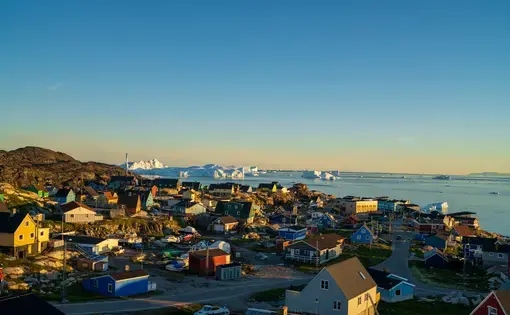
  • Sunset over Illulissat
    English

    Project

    Stories of a Changing Greenland

    Despite its small population and remote location, Greenland is at the center of world affairs. Its...

    author image
    Chris Dunn
    2021 Reporting Fellow
    READ MORE ABOUT THIS PROJECT - Stories of a Changing Greenland
  • ×
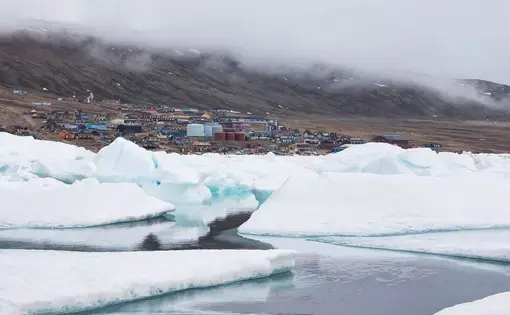
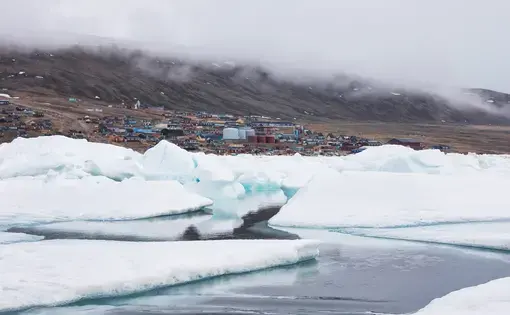
    Qaanaaq, in North Greenland is the world's northernmost naturally inhabited town. It has found itself among the first casualties in the battle against climate change. Image by Anna Filipova. Greenland, 2019.
    English
    PART OF: The Effects of ​Melting Permafrost in Greenland

    What Life’s Like in The World’s Northernmost Naturally Inhabited Town

    author image
    Anna Filipova
    Grantee
    June 5, 2019
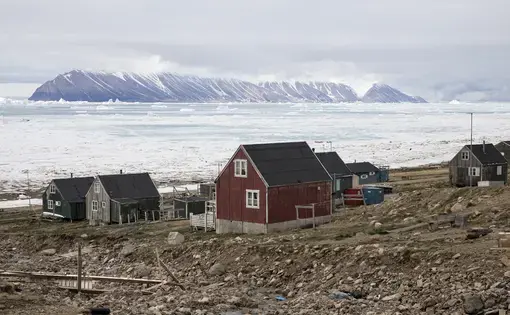
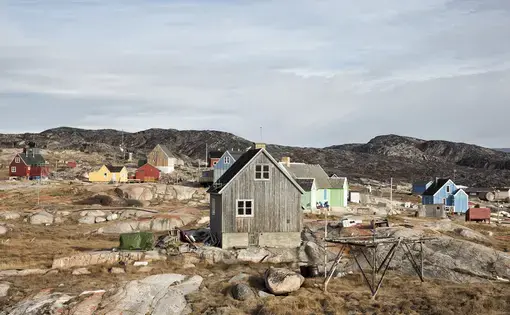
  • Many of the residents in Qaanaaq live in permafrost areas, and their homes are built on frozen ground. As the permafrost thaws, the ground becomes weaker and less able to support these structures, and it becomes dangerous to live inside. In parts of North Greenland, coastlines and soil are being eroded as storms batter the land and the permafrost crumbles. Image by Anna Filipova. Greenland, 2018.
    English

    Education Resource

    Meet the Journalist: Anna Filipova

    Qaanaaq, situated in North Greenland and the world's northernmost naturally inhabited town, has...

    author image
    Anna Filipova
    Grantee
    READ MORE about Meet the Journalist: Anna Filipova
  • ×
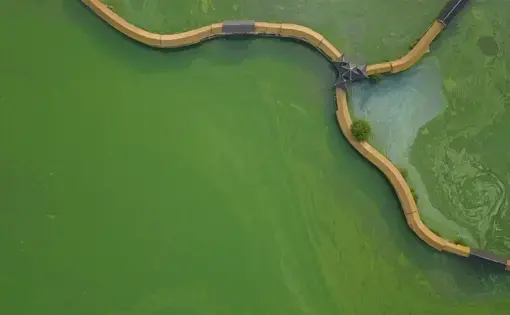
    Still from the short film 'Losing Earth: From the Air.' Image by George Steinmetz. China, 2018.
    English
    PART OF: Losing Earth

    Losing Earth: From the Air

    author #1 image author #2 image
    Multiple Authors
    April 2, 2019
    Publication logo
  • Image courtesy of Overseas Press Club.
    English

    Pulitzer Center Update

    Pulitzer Center Grantees Receive 2019 Overseas Press Club Awards and Citations

    Grantees Nariman El-Mofty, Shiho Fukada, and Jeffrey E. Stern received OPC awards for their...

    author #1 image author #2 image
    Multiple Authors
    March 21, 2019
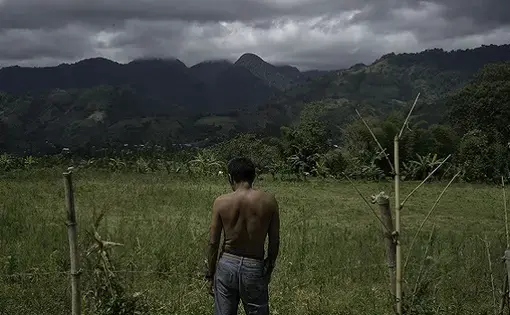
  • Sanga-Minson, 64, surveys his recently reclaimed land in the Barangay T'konel region. Image by Chien-Chi Chang. Philippines, 2018.

    Event

    Conversation with 'Contested Lands' Magnum Photographers

    Read More
  • Event

    'Contested Lands' Photo Exhibit in California at World Affairs

    Read More
  • ×
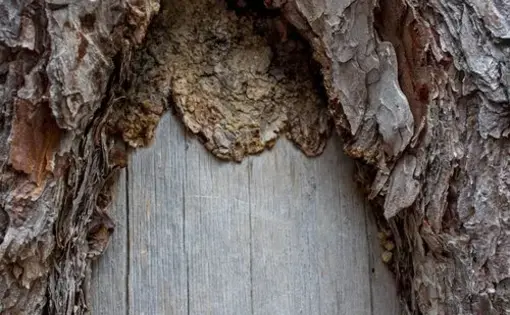
    A Sámi bark peeling scar from 1821. Image by Amy Martin. Sweden, 2018.
    English
    PART OF: Cold Comfort

    Threshold Podcast—Season 2, Episode 13: 'Try Harder'

    author image
    Amy Martin
    Grantee
    December 18, 2018
    Publication logo
  • ×
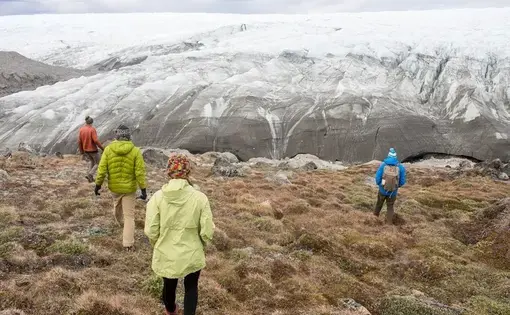
    The science team went to the edge of the ice sheet the day before flying out to the field site. Image by Amy Martin. Greenland, 2018.
    English
    PART OF: Cold Comfort

    Threshold Podcast — Season 2, Episode 12: 'Here Be Dragons'

    author image
    Amy Martin
    Grantee
    December 11, 2018
    Publication logo
  • ×
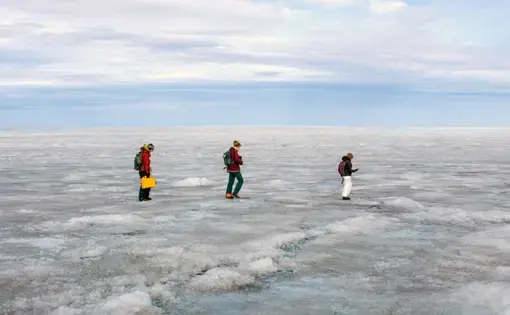
    The Greenland ice sheet holds enough water to raise sea levels roughly 23 feet if it were to melt completely. On a recent research trip, students Rosie Leone, Aidan Stansberry and Ian MacDowell used radar to map the bed of rock and soil below the ice sheet to figure out how parts of the ice sheet may move toward the ocean. Image by Amy Martin. Greenland, 2018.
    English
    PART OF: Cold Comfort

    As Greenland’s Ice Sheet Melts, Scientists Want to Know ‘How Fast’

    author image
    Amy Martin
    Grantee
    December 4, 2018
    Publication logo
  • ×
    Greenland’s Qaanaaq, one of the world’s northernmost towns, is among the world’s first casualties in the battle against climate change. Image by Anna Filipova. Greenland, 2018.
    English
    PART OF: The Effects of ​Melting Permafrost in Greenland

    The Remote Arctic Town That Is Melting Away

    author image
    Anna Filipova
    Grantee
    November 12, 2018
    Publication logo
  • Image by Anna Filipova.
    English

    Project

    The Effects of ​Melting Permafrost in Greenland

    Permafrost in Greenland is melting rapidly. The soil is collapsing and affecting the infrastructure...
    author image
    Anna Filipova
    Grantee
    READ MORE ABOUT THIS PROJECT - The Effects of ​Melting Permafrost in Greenland

Pagination

  • « First
  • ‹‹
  • 2
  • 3
  • 4
  • 5
  • 6
  • ››
  • Last »

Contact

2000 Pennsylvania Ave NW
Suite #7000
Washington, DC 20006
(202) 332-0982
[email protected]

Follow us on Facebook
Follow us on Twitter
  Follow us on Instagram
  Subscribe to us on YouTube

Media Requests

[email protected]

Privacy Policy


Sign up for our newsletter