Main Menu Navigation
Pulitzer Center Logo
View Primary Menu
Search
  • ABOUT
    Our Mission and Model Staff Board of Directors Impact Annual Reports Donors Ethics and Standards Diversity, Equity, and Inclusion Employment
  • UPDATES
  • EVENTS
    Upcoming Events Conferences
  • WEBINARS ON-DEMAND
  • COMMUNITY
  • IMPACT
DONATE
  • JOURNALISM
      • PULITZER CENTER JOURNALISM
      • STORIES
      • Stories by Pulitzer Center Grantees
      • Stories by Student Reporting Fellows
      • PROJECTS
      • FIELD NOTES
      • APPLY FOR JOURNALISM GRANTS
      • FOCUS AREAS
      • Climate and Environment
      • Global Health
      • Peace and Conflict
      • Human Rights
      • Information and Artificial Intelligence
      • INITIATIVES
      • AI Accountability Network
      • AI Spotlight Series
      • StoryReach U.S.
      • U.S. Local News Reporting
      • Ocean Reporting Network
      • Rainforest Investigations Network
      • Rainforest Reporting
      • Transparency and Governance
      • Our Work/Environment
      • NEWSLETTER ARCHIVE
  • EDUCATION
      • CAMPUS CONSORTIUM PROGRAM & PARTNERS
      • Campus Consortium Program
      • Campus Consortium News
      • Campus Consortium Partners
      • Reporting Fellowships
      • Reporting Fellow Bios
      • Stories by Reporting Fellows
      • Resources for Reporting Fellows
      • Campus Consortium Advisory Council
      • Join the Campus Consortium Network
      • INTERNATIONAL EDUCATION AND OUTREACH
      • K-12 PROGRAMS AND RESOURCES
      • Programs for Teachers and Students
      • Lesson Plans
      • Journalist Visits to Classrooms
      • The 1619 Project Education Portal
      • Student Contests
      • Professional Development for Educators
      • Journalism Skillbuilder Lesson Series
      • K-12 Education News
  • GRANTS & FELLOWSHIPS
      • GRANTS & FELLOWSHIPS
      • Tips for a Successful Grant Application
      • Pulitzer Center Crediting Requirements
      • OPPORTUNITIES FOR JOURNALISTS
      • Global Reporting Grants
      • AI Reporting Grants
      • Global Health Inequities, Risks and Solutions
      • Transparency & Governance Reporting Grants
      • U.S. Civil Society Microgrants 2026
      • Rainforest Reporting Grants
      • Conflict Reporting
      • Ocean and Fisheries Reporting Grants
      • Climate and Labor Reporting Grants
      • Africa Reporting Grants
      • U.S. Local Reporting Grants
      • Machine Learning Reporting Grants
      • OPPORTUNITIES FOR EDUCATORS & CIVIL SOCIETY ORGS
      • The 1619 Project Education Impact Grants
      • Pulitzer Center Teacher Fellowship
      • Impact Seed Funding
      • U.S. Civil Society Microgrants 2026
      • OPPORTUNITIES FOR CAMPUS CONSORTIUM MEMBERS
      • Campus Consortium Reporting Fellowships
      • Post-Grad Reporting Fellowships
  • IMPACT
  • RESOURCES
  • COMMUNITY
  • EVENTS
  • WEBINARS ON-DEMAND
  • ABOUT
    Our Mission and Model Staff Board of Directors Impact Annual Reports Donors Ethics and Standards Diversity, Equity, and Inclusion Employment
  • UPDATES
  • EVENTS
    Upcoming Events Conferences
  • WEBINARS ON-DEMAND
  • COMMUNITY
  • IMPACT
DONATE

South America

Use the Pulitzer Center Lesson Builder to find and create lesson plans on South America.


  • ×
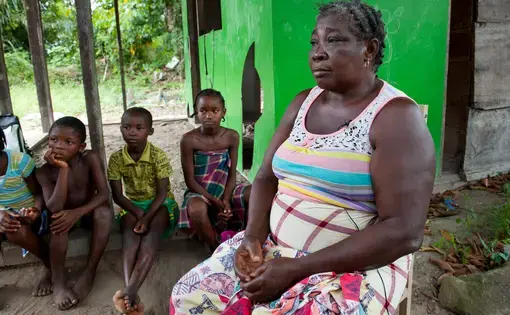
    Georga Burger in the one room house in New Ganze, Suriname she was relocated to when her village was flooded to provide water for the Afobaka Dam. Burger left with her children as the water rose around her old house, leaving many of her belongings and animals. Image by Stephanie Strasburg. Suriname, 2017.
    English
    PART OF: Stranded and Strapped: After 100 Years in Suriname, Alcoa Decamps

    Alcoa’s Legacy: In Suriname, the Aluminum Maker Can Do Right

    author #1 image author #2 image
    Multiple Authors
    May 2, 2017
    Publication logo
  • English

    Lesson Plans

    The Country a U.S. Corporation Left Behind

    Students explore the impacts of the century-long relationship between Alcoa, an American corporation, and Suriname. They then debate the terms of Alcoa's exit from the country.

    author image
    Pulitzer Center Education
    Lesson Builder User
    READ MORE about The Country a U.S. Corporation Left Behind
    May 2, 2017
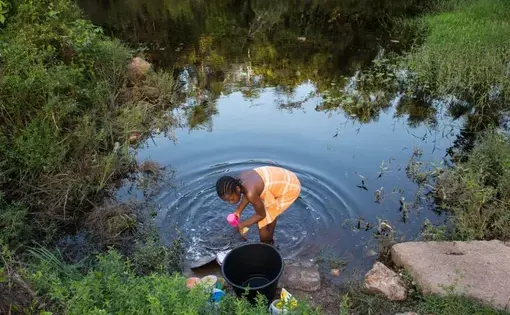
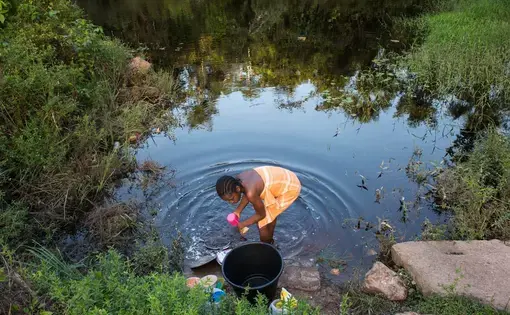
  • Osyanda Misidjan, 17, washes dishes on the banks of the Coermotibo River in her village of Adjuma Kondre, Suriname. Once surrounded by rainforest, the green palm trees and valley soccer field of the village are now surrounded by stony, bauxite-red plains left over from Alcoa's mining operations that ceased in 2015. Image by Stephanie Strasburg. Suriname, 2017.
    English

    Pulitzer Center Update

    Stephanie Strasburg Takes Over @PulitzerCenter Instagram with Project in South America

    Grantee Stephanie Strasburg has taken over the @PulitzerCenter Instagram account to share her work...

    author #1 image author #2 image
    Multiple Authors
    May 1, 2017
  • American University Pulitzer Center 2017 Student Fellows Natalie Hutchison (L) and Erin McGoff (R). Image by Bill Gentile. United States, 2017.
    English

    Pulitzer Center Update

    American University Students Head to Laos and Chile

    International journalism and film and media arts students are among the most recently selected...

    April 28, 2017
  • Georga Burger in the one room house in New Ganze, Suriname she was relocated to when her village was flooded to provide water for the Afobaka Dam. Burger left with her children as the water rose around her old house, leaving many of her belongings and animals. Image by Stephanie Strasburg. Suriname, 2017.
    English

    Pulitzer Center Update

    This Week: When a Big American Corporation Abandons Your Country

    This week: what happens when a corporation abandons a country, Marine Le Penn's nationalist stance...

    author image
    Tom Hundley
    Pulitzer Center Staff
    April 25, 2017
  • ×
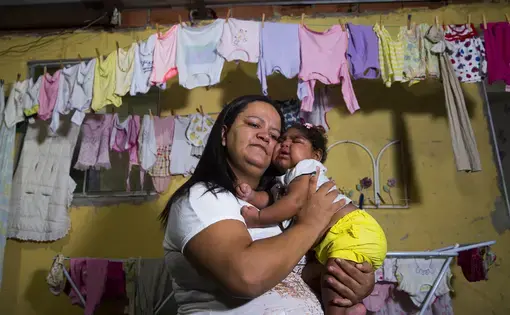
    Fabiane Lopes holds her daughter, Valentina at their home in Duque de Caxias, a suburb of Rio de Janeiro in southeastern Brazil. Valentina's mother was pregnant when she became infected with the Zika virus and her daughter was born with microcephaly—a congenital malformation with smaller than normal head size for age and sex as well as other profound birth defects. Brazil has confirmed far more malformations of the brain in babies born to mothers who were infected with Zika than any other country. After…
    English
    PART OF: Outbreak: How Humans Are Driving the Rise of Diseases

    Trying for Instant Rapport

    author image
    Mark Hoffman
    Grantee
    April 24, 2017
    Publication logo
  • ×
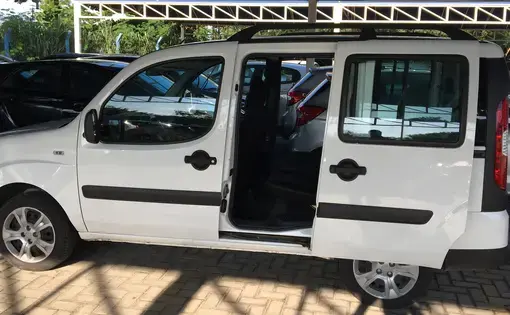
    This 128-horsepower Fiat Doblo was the largest vehicle available for rent at Rio de Janeiro's international airport. The five-speed manual transmission might be unfamiliar to many Americans, and cars with automatic transmission are rare in Brazil. This grossly under-powered vehicle had a difficult time climbing steep hills. Image by Mark Hoffman. Brazil, 2017.
    English
    PART OF: Outbreak: How Humans Are Driving the Rise of Diseases

    Life Skills on the Road

    author image
    Mark Hoffman
    Grantee
    April 24, 2017
    Publication logo
  • ×
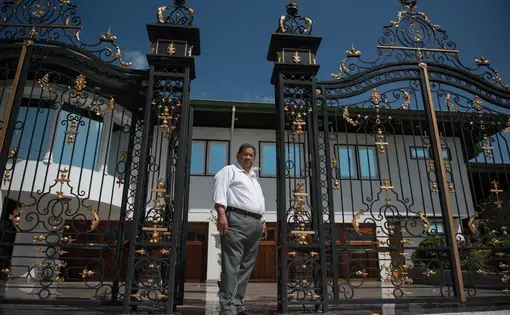
    Rudi Dilip Sardjoe at the gates of his residential and office compound in Paramaribo, Suriname. Image by Stephanie Strasburg. Suriname, 2017.
    English
    PART OF: Stranded and Strapped: After 100 Years in Suriname, Alcoa Decamps

    A Titan of Business Confident He Can Get the Most from Departing Aluminum Giant

    author #1 image author #2 image
    Multiple Authors
    April 24, 2017
    Publication logo
  • ×
    Nelson Adose Martines, 59, emerges from harvesting a cassava root by his family's shacks off of Suriname's Afobaka Road. Martines is part of the generations of Saamaka who still feel the effects of a 1964 government resettlement that moved thousands of residents from villages inundated by Alcoa's Brokopondo Reservoir. "We live off farming, farming is how we eat, how we live," said Martines. "But because a lot of villages relocated, we had to share these resources with more people." Image by Stephanie…
    English
    PART OF: Stranded and Strapped: After 100 Years in Suriname, Alcoa Decamps

    Descended From Runaway Slaves, the Saamaka Still Trapped in Struggle for Future

    author #1 image author #2 image
    Multiple Authors
    April 24, 2017
    Publication logo
  • ×
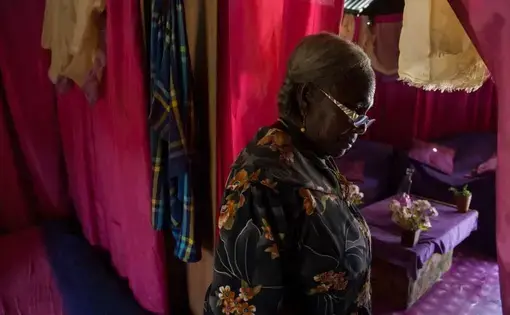
    Emelien Adjako sits for an interview in her village of Kajapaati along the Suriname River on Tuesday, March 14, 2017. Adjako was one of those from over 40 Saamaka villages displaced by the flood waters caused by the formation of a reservoir with the construction of the Afobaka Dam. Built by Suralco to power a now defunct aluminum smelter, the dam now provides about half of Surinam's electricity, none of which has reached Adjako's replacement home. Image by Stephanie Strasburg/Pittsburgh Post-Gazette…
    English
    PART OF: Stranded and Strapped: After 100 Years in Suriname, Alcoa Decamps

    The Land Alcoa Dammed

    author #1 image author #2 image
    Multiple Authors
    April 24, 2017
    Publication logo
  • ×
    Osyanda Misidjan, 17, washes dishes on the banks of the Coermotibo River in her village of Adjuma Kondre, Suriname. Once surrounded by rainforest, the green palm trees and valley soccer field of the village are now surrounded by stony, bauxite-red plains left over from Alcoa's mining operations that ceased in 2015. Image by Stephanie Strasburg. Suriname, 2017.
    English
    PART OF: Stranded and Strapped: After 100 Years in Suriname, Alcoa Decamps

    Residents Hope Alcoa's Big Impact Is Followed by Big Cleanup

    author #1 image author #2 image
    Multiple Authors
    April 23, 2017
    Publication logo
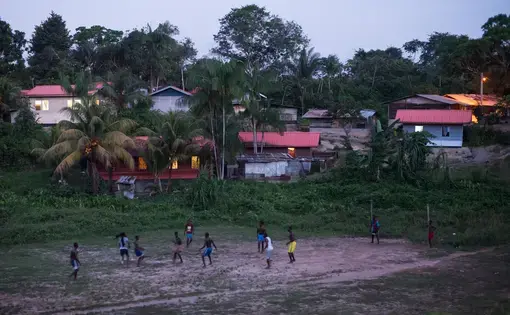
  • People play soccer as dusk falls on the village of Adjuma Kondre in Suriname. The village's water sources have been impacted by Alcoa's nearby mining operations. Image by Stephanie Strasburg. Suriname, 2017.
    English

    Project

    Stranded and Strapped: After 100 Years in Suriname, Alcoa Decamps

    Multinational Alcoa, in a restructuring, departs struggling Suriname after 100 years. The loose ends...
    author #1 image author #2 image
    Multiple Authors
    READ MORE ABOUT THIS PROJECT - Stranded and Strapped: After 100 Years in Suriname, Alcoa Decamps

Pagination

  • « First
  • ‹‹
  • 165
  • 166
  • 167
  • 168
  • 169
  • ››
  • Last »

Contact

2000 Pennsylvania Ave NW
Suite #7000
Washington, DC 20006
(202) 332-0982
[email protected]

Follow us on Facebook
Follow us on Twitter
  Follow us on Instagram
  Subscribe to us on YouTube

Media Requests

[email protected]

Privacy Policy


Sign up for our newsletter