Main Menu Navigation
Pulitzer Center Logo
View Primary Menu
Search
  • ABOUT
    Our Mission and Model Staff Board of Directors Impact Annual Reports Donors Ethics and Standards Diversity, Equity, and Inclusion Employment
  • UPDATES
  • EVENTS
    Upcoming Events Conferences
  • WEBINARS ON-DEMAND
  • COMMUNITY
  • IMPACT
DONATE
  • JOURNALISM
      • PULITZER CENTER JOURNALISM
      • STORIES
      • Stories by Pulitzer Center Grantees
      • Stories by Student Reporting Fellows
      • PROJECTS
      • FIELD NOTES
      • APPLY FOR JOURNALISM GRANTS
      • FOCUS AREAS
      • Climate and Environment
      • Global Health
      • Peace and Conflict
      • Human Rights
      • Information and Artificial Intelligence
      • INITIATIVES
      • AI Accountability Network
      • AI Spotlight Series
      • StoryReach U.S.
      • U.S. Local News Reporting
      • Ocean Reporting Network
      • Rainforest Investigations Network
      • Rainforest Reporting
      • Transparency and Governance
      • Our Work/Environment
      • NEWSLETTER ARCHIVE
  • EDUCATION
      • CAMPUS CONSORTIUM PROGRAM & PARTNERS
      • Campus Consortium Program
      • Campus Consortium News
      • Campus Consortium Partners
      • Reporting Fellowships
      • Reporting Fellow Bios
      • Stories by Reporting Fellows
      • Resources for Reporting Fellows
      • Campus Consortium Advisory Council
      • Join the Campus Consortium Network
      • INTERNATIONAL EDUCATION AND OUTREACH
      • K-12 PROGRAMS AND RESOURCES
      • Programs for Teachers and Students
      • Lesson Plans
      • Journalist Visits to Classrooms
      • The 1619 Project Education Portal
      • Student Contests
      • Professional Development for Educators
      • Journalism Skillbuilder Lesson Series
      • K-12 Education News
  • GRANTS & FELLOWSHIPS
      • GRANTS & FELLOWSHIPS
      • Tips for a Successful Grant Application
      • Pulitzer Center Crediting Requirements
      • OPPORTUNITIES FOR JOURNALISTS
      • Global Reporting Grants
      • AI Reporting Grants
      • Global Health Inequities, Risks and Solutions
      • Transparency & Governance Reporting Grants
      • U.S. Civil Society Microgrants 2026
      • Rainforest Reporting Grants
      • Conflict Reporting
      • Ocean and Fisheries Reporting Grants
      • Climate and Labor Reporting Grants
      • Africa Reporting Grants
      • U.S. Local Reporting Grants
      • Machine Learning Reporting Grants
      • OPPORTUNITIES FOR EDUCATORS & CIVIL SOCIETY ORGS
      • The 1619 Project Education Impact Grants
      • Pulitzer Center Teacher Fellowship
      • Impact Seed Funding
      • U.S. Civil Society Microgrants 2026
      • OPPORTUNITIES FOR CAMPUS CONSORTIUM MEMBERS
      • Campus Consortium Reporting Fellowships
      • Post-Grad Reporting Fellowships
  • IMPACT
  • RESOURCES
  • COMMUNITY
  • EVENTS
  • WEBINARS ON-DEMAND
  • ABOUT
    Our Mission and Model Staff Board of Directors Impact Annual Reports Donors Ethics and Standards Diversity, Equity, and Inclusion Employment
  • UPDATES
  • EVENTS
    Upcoming Events Conferences
  • WEBINARS ON-DEMAND
  • COMMUNITY
  • IMPACT
DONATE

Asia

Use the Pulitzer Center Lesson Builder to find and create lesson plans on Asia.


  • ×
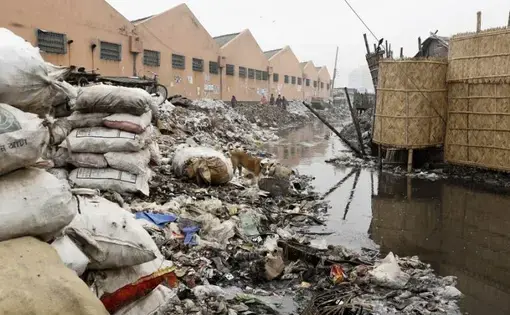
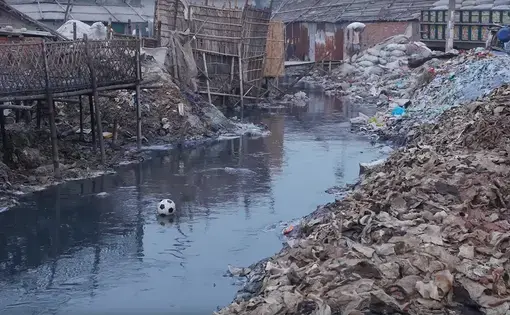
    A creek outside a Dhaka tannery has banks covered in garbage and rotting animal hides. Image by Justin Kenny. Bangladesh, 2016.
    English
    PART OF: Deadly Pollution: The World's Most Toxic Places

    Bangladesh Cuts Power to Leather District After Years of Environmental Violations

    author #1 image author #2 image
    Multiple Authors
    April 13, 2017
    Publication logo
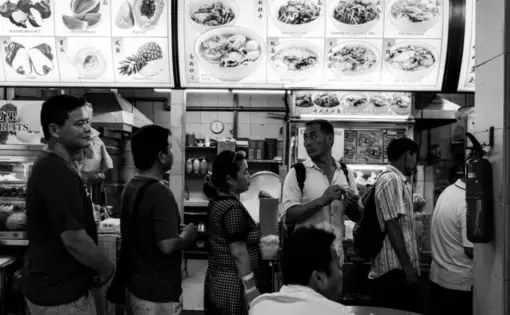
  • Xi Feng stands in the line with other Chinese migrant workers to get free meal. Image by Xyza Bacani. Singapore, 2017.
    English

    Pulitzer Center Update

    Xyza Bacani Recognized by Alexia Foundation

    Xyza Bacani was recognized by the Alexia Foundation for her reporting on migrant workers in...

    author #1 image author #2 image
    Multiple Authors
    April 13, 2017
  • ×
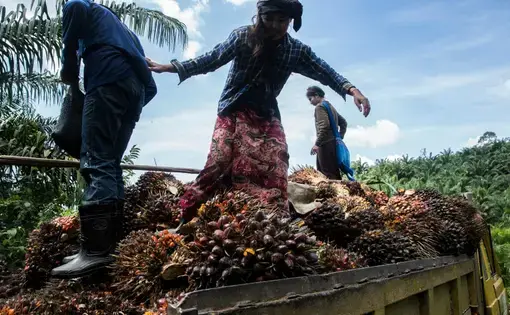
    Palm oil workers load palm fruits into a truck at Asia World palm oil plantation in Bank Mae Village, Myanmar. Image by Taylor Weidman/PRI. Myanmar, 2016.
    English
    PART OF: Can Palm Oil Ever Be Grown Sustainably?

    These Burmese Palm Oil Workers Say They're Trapped on Plantations

    author image
    Wudan Yan
    Grantee
    April 11, 2017
    Publication logo
  • ×
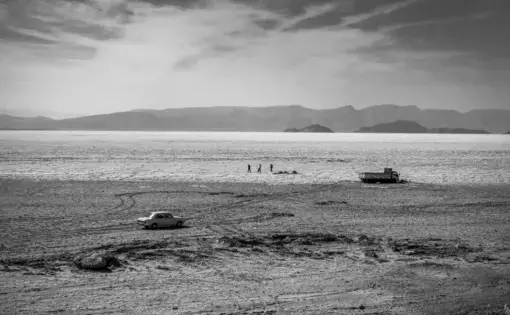
    Lake Bakhtegan in Fars province was Iran's second largest lake, home to flamingos and migratory birds. Over the last decade, the lake has dried up turning the area into a vast desert. Image by Ako Salemi. Iran, 2016.
    English
    PART OF: Climate Change in Iran

    The Visible Effects of Climate Change in Iran

    author image
    Ako Salemi
    2016 Persephone Miel Fellow
    April 5, 2017
    Publication logo
  • ×
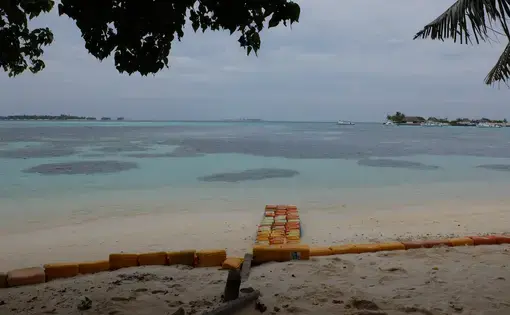
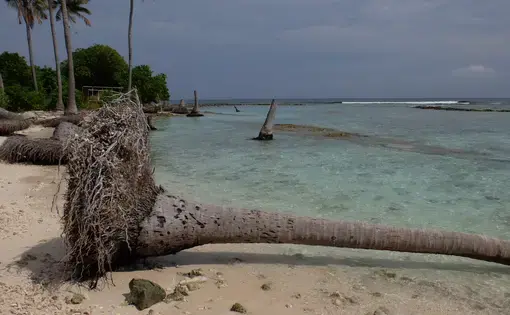
    Plastic jerrycans have been staked on the beach of Guraidhoo, Maldives, to protect the shoreline during storm surges. Image by Kai Schultz. Maldives, 2017.
    English
    PART OF: Climate Change in the Maldives

    As the Maldives Gains Tourists, It’s Losing Its Beaches

    author image
    Kai Schultz
    Grantee
    March 31, 2017
    Publication logo
  • ×
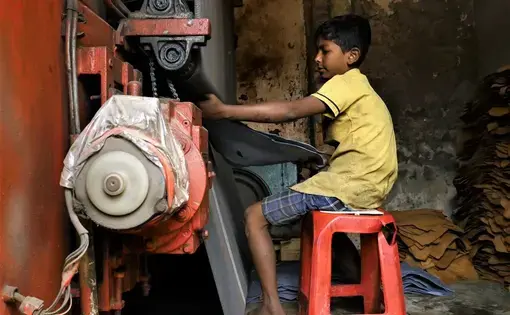
    A 10-year-old boy pulls a hide from pressing machine at a tannery in Dhaka, the capital of Bangladesh. Image by Justin Kenny. Bangladesh, 2016.
    English
    PART OF: Deadly Pollution: The World's Most Toxic Places

    Bangladesh: Billion Dollar Leather Industry Has a Problem with Child Labor and Toxic Chemicals

    author image
    Justin Kenny
    Grantee
    March 30, 2017
    Publication logo
  • Screenshot from Justin Kenny's Meet the Journalist video.
    English

    Education Resource

    Meet the Journalist: Justin Kenny

    PBS NewsHour contributor and Pulitzer Center grantee Justin Kenny discusses his trip to the...

    author image
    Justin Kenny
    Grantee
    READ MORE about Meet the Journalist: Justin Kenny
  • ×
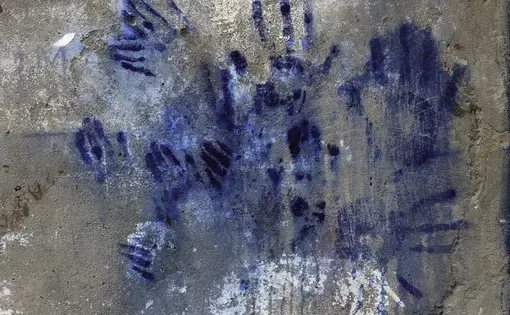
    Handprints in chromium sulfate accumulate on the outside of a tannery wall. Workers pat the walls during breaks to wipe chemicals from their hands.
    English
    PART OF: Deadly Pollution: The World's Most Toxic Places

    Bangladesh’s Leather Industry Exposes Workers and Children to Toxic Hazards

    author #1 image author #2 image
    Multiple Authors
    March 30, 2017
    Publication logo
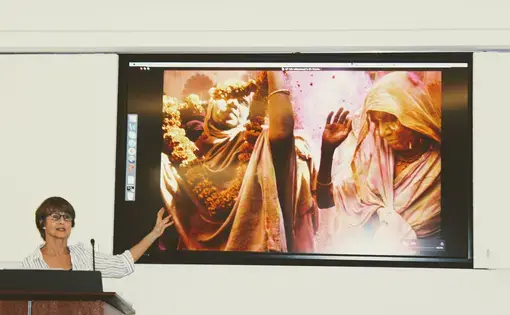
  • Cynthia Gorney discusses her work on widowhood. Image courtesy of the University of Texas at Austin. United States, 2017.
    English

    Pulitzer Center Update

    Cynthia Gorney Discussed Widowhood Project at University of Texas at Austin

    Award-winning journalist Cynthia Gorney discussed her Pulitzer Center-supported National Geographic...

    author #1 image author #2 image
    Multiple Authors
    March 30, 2017
  • ×
    A tourist beach in the Maldives, where democracy is increasingly in jeopardy. Image by Kai Shultz. The Maldives, 2017.
    English
    PART OF: Climate Change in the Maldives

    Democracy is Drowning in the Maldives

    author image
    Kai Schultz
    Grantee
    March 29, 2017
    Publication logo
  • In the Maldives, most of the country's 1,200 coral islands experience shore erosion, which environmentalists attribute to the degradation of reef systems, harbor construction, and storm surges. Image by Kai Schultz. Maldives, 2017.
    English

    Project

    Climate Change in the Maldives

    As conversations about climate change gather steam in the Maldives, many question whether the...

    author image
    Kai Schultz
    Grantee
    READ MORE ABOUT THIS PROJECT - Climate Change in the Maldives
  • Joshua Wong (center) leading pro-democracy protests in Hong Kong. Image by Anthony Kwan/Getty Images. China, 2014.
    English

    Pulitzer Center Update

    This Week: Is It Too Late for Hong Kong?

    This week: China loses patience with sacrificing control, Chinese migrants in Singapore, and child...

    author image
    Tom Hundley
    Pulitzer Center Staff
    March 28, 2017

Pagination

  • « First
  • ‹‹
  • 217
  • 218
  • 219
  • 220
  • 221
  • ››
  • Last »

Contact

2000 Pennsylvania Ave NW
Suite #7000
Washington, DC 20006
(202) 332-0982
[email protected]

Follow us on Facebook
Follow us on Twitter
  Follow us on Instagram
  Subscribe to us on YouTube

Media Requests

[email protected]

Privacy Policy


Sign up for our newsletter