Main Menu Navigation
Pulitzer Center Logo
View Primary Menu
Search
  • ABOUT
    Our Mission and Model Staff Board of Directors Impact Annual Reports Donors Ethics and Standards Diversity, Equity, and Inclusion Employment
  • UPDATES
  • EVENTS
    Upcoming Events Conferences
  • WEBINARS ON-DEMAND
  • COMMUNITY
  • IMPACT
DONATE
  • JOURNALISM
      • PULITZER CENTER JOURNALISM
      • STORIES
      • Stories by Pulitzer Center Grantees
      • Stories by Student Reporting Fellows
      • PROJECTS
      • FIELD NOTES
      • APPLY FOR JOURNALISM GRANTS
      • FOCUS AREAS
      • Climate and Environment
      • Global Health
      • Peace and Conflict
      • Human Rights
      • Information and Artificial Intelligence
      • INITIATIVES
      • AI Accountability Network
      • AI Spotlight Series
      • StoryReach U.S.
      • U.S. Local News Reporting
      • Ocean Reporting Network
      • Rainforest Investigations Network
      • Rainforest Reporting
      • Transparency and Governance
      • Our Work/Environment
      • NEWSLETTER ARCHIVE
  • EDUCATION
      • CAMPUS CONSORTIUM PROGRAM & PARTNERS
      • Campus Consortium Program
      • Campus Consortium News
      • Campus Consortium Partners
      • Reporting Fellowships
      • Reporting Fellow Bios
      • Stories by Reporting Fellows
      • Resources for Reporting Fellows
      • Campus Consortium Advisory Council
      • Join the Campus Consortium Network
      • INTERNATIONAL EDUCATION AND OUTREACH
      • K-12 PROGRAMS AND RESOURCES
      • Programs for Teachers and Students
      • Lesson Plans
      • Journalist Visits to Classrooms
      • The 1619 Project Education Portal
      • Student Contests
      • Professional Development for Educators
      • Journalism Skillbuilder Lesson Series
      • K-12 Education News
  • GRANTS & FELLOWSHIPS
      • GRANTS & FELLOWSHIPS
      • Tips for a Successful Grant Application
      • Pulitzer Center Crediting Requirements
      • OPPORTUNITIES FOR JOURNALISTS
      • Global Reporting Grants
      • AI Reporting Grants
      • Global Health Inequities, Risks and Solutions
      • Transparency & Governance Reporting Grants
      • U.S. Civil Society Microgrants 2026
      • Rainforest Reporting Grants
      • Conflict Reporting
      • Ocean and Fisheries Reporting Grants
      • Climate and Labor Reporting Grants
      • Africa Reporting Grants
      • U.S. Local Reporting Grants
      • Machine Learning Reporting Grants
      • OPPORTUNITIES FOR EDUCATORS & CIVIL SOCIETY ORGS
      • The 1619 Project Education Impact Grants
      • Pulitzer Center Teacher Fellowship
      • Impact Seed Funding
      • U.S. Civil Society Microgrants 2026
      • OPPORTUNITIES FOR CAMPUS CONSORTIUM MEMBERS
      • Campus Consortium Reporting Fellowships
      • Post-Grad Reporting Fellowships
  • IMPACT
  • RESOURCES
  • COMMUNITY
  • EVENTS
  • WEBINARS ON-DEMAND
  • ABOUT
    Our Mission and Model Staff Board of Directors Impact Annual Reports Donors Ethics and Standards Diversity, Equity, and Inclusion Employment
  • UPDATES
  • EVENTS
    Upcoming Events Conferences
  • WEBINARS ON-DEMAND
  • COMMUNITY
  • IMPACT
DONATE

Mexico

Use the Pulitzer Center Lesson Builder to find and create lesson plans on this country.


  • 2020 Reporting Fellow Virtual Film Festival: The Migrant Experience. Graphic by Libby Moeller. United States, 2020.

    Event

    The Migrant Experience: A Reporting Fellow Virtual Film Festival

    Read More
  • ×
    Image courtesy of Ingrid Holmquist and Sana Malik.
    English
    PART OF: Migrant Farm Workers and the Families Who Get Left Behind

    For an Agricultural Worker, Supporting His Family Means Being Separated From Them

    author #1 image author #2 image
    Multiple Authors
    August 19, 2020
    Publication logo
  • ×
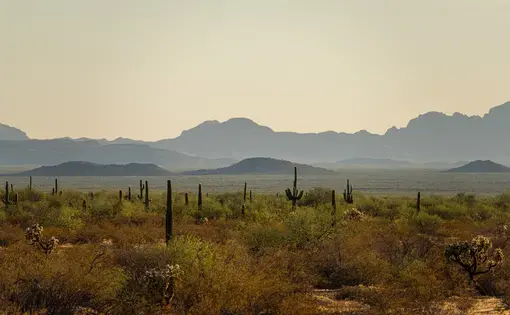
    The Sonoran Desert in Arizona, where slightly less than half of all migrant deaths occur, trying to make their way to the United States. Image by Kevin Cooley/The New York Times. United States, undated.
    English
    PART OF: Where the Bodies Aren't Buried

    How U.S. Policy Turned the Sonoran Desert Into a Graveyard for Migrants

    author image
    James Verini
    Grantee
    August 18, 2020
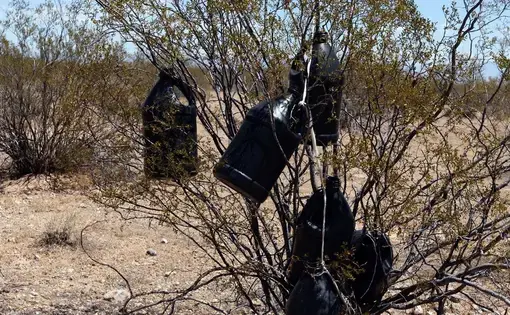
  • Empty water jugs left behind by migrants in the Sonoran Desert in Arizona. Image by Kevin Cooley/ The New York Times. United States, undated.
    English

    Project

    Where the Bodies Aren't Buried

    In the last twenty years, according to the U.S. Border Patrol, roughly 8,000 migrants have died in...

    author image
    James Verini
    Grantee
    READ MORE ABOUT THIS PROJECT - Where the Bodies Aren't Buried
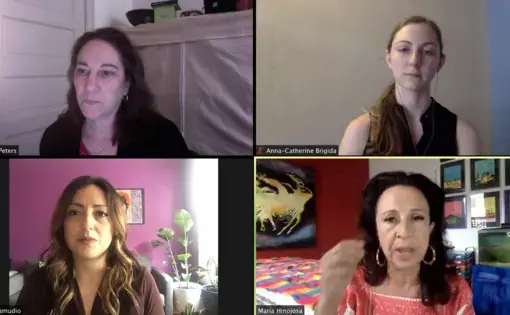
  • Image Courtesy of the Pulitzer Center. United States, 2020.
    English

    Pulitzer Center Update

    What Does It Mean to Seek Asylum in a Pandemic?

    Journalists Maria Hinojosa, Anna-Catherine Brigida, and Maria Zamudio share individuals' stories and...

    author #1 image author #2 image
    Multiple Authors
    August 5, 2020
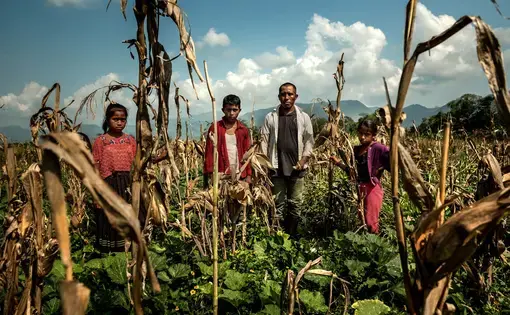
  • ALTA VERAPAZ, GUATEMALA. Carlos Tiul, an Indigenous farmer whose maize crop has failed, with his children. Image by Meridith Kohut. Guatemala, 2020.
    English

    Lesson Plans

    Why People Move: How Data Predicts the Great Climate Migration

    In this lesson, students read and analyze reporting that investigates the relationship between climate change and migration using both data journalism and wrenching storytelling.
    author image
    Pauline Werner
    Pulitzer Center Alum
    READ MORE about Why People Move: How Data Predicts the Great Climate Migration
    July 29, 2020
  • ×
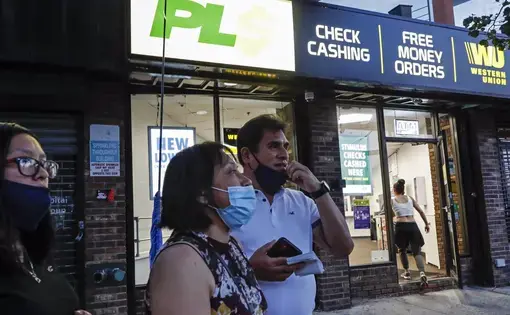
    Magnolia Ortega, center, stands outside a Western Union with her husband Arturo Morales and their daughter Marlene after wiring money to her family in Mexico, Wednesday, June 24, 2020, in Staten Island, New York. Ortega lost her job cleaning houses amid the COVID-19 pandemic, reducing the monthly amount she sends home. She's considering returning to her hometown of San Jeronimo Xayacatlan but says there's no work there either and that would mean one less family member sending back one less monthly check…
    English
    PART OF: The Vulnerable: Unprotected in a Pandemic

    Virus Means Mexican Emigrants Send Fewer Dollars to Hometown

    author #1 image author #2 image
    Multiple Authors
    July 23, 2020
    Publication logo
  • ×
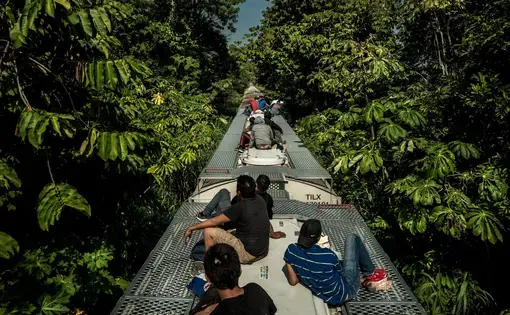
    Migrants from Central America riding north on the Bestia freight rail line. Image by Meridith Kohut. Tabasco, Mexico, 2020.
    English
    PART OF: Refugees From the Earth

    About Our Climate Migration Model

    author image
    Abrahm Lustgarten
    Grantee
    July 23, 2020
    Publication logo
  • ×
    ALTA VERAPAZ, GUATEMALA. Carlos Tiul, an Indigenous farmer whose maize crop has failed, with his children. Image by Meridith Kohut. Guatemala, 2020.
    English
    PART OF: Refugees From the Earth

    The Great Climate Migration

    author #1 image author #2 image
    Multiple Authors
    July 23, 2020
    Publication logo
  • ALTA VERAPAZ. Jorge A.’s wife, Eva María H., at home with two of their children. Image by Meridith Kohut. Guatemala, 2020.
    English

    Project

    Refugees From the Earth

    Propublica and the New York Times magazine use a groundbreaking data model to explore the daunting...

    author #1 image author #2 image
    Multiple Authors
    READ MORE ABOUT THIS PROJECT - Refugees From the Earth
  • Family members wait outside the Ramon Villeda International Airport in La Lima, Honduras on Nov. 29, 2019, for the arrival of their relatives who were deported from the United States. Immigration apprehensions along the U.S.-Mexico border have plunged by more than 70 percent in the past six months, down sharply from at least 132,000 in May. Image by Moises Castillo/ AP Photo. Honduras, 2019.
    English

    Pulitzer Center Update

    Associated Press' 'Outsourcing Migrants' Receives Honorable Mention From James Foley Awards

    The Associated Press project 'Outsourcing Migrants' received an Honorable Mention from the James...

    author #1 image author #2 image
    Multiple Authors
    July 2, 2020
  • ×
    D.T.'s journey to the U.S. border to seek asylum began in Havana, where she and her husband faced police violence. Image by Emily Kinskey. Mexico, 2020.
    English
    PART OF: From Texas to Central America: How Tough Policies in the COVID-19 Era Are Endangering Asylum Seekers

    Between Borders

    author #1 image author #2 image
    Multiple Authors
    July 2, 2020
    Publication logo

Pagination

  • « First
  • ‹‹
  • 15
  • 16
  • 17
  • 18
  • 19
  • ››
  • Last »

Contact

2000 Pennsylvania Ave NW
Suite #7000
Washington, DC 20006
(202) 332-0982
[email protected]

Follow us on Facebook
Follow us on Twitter
  Follow us on Instagram
  Subscribe to us on YouTube

Media Requests

[email protected]

Privacy Policy


Sign up for our newsletter