Pulitzer Center Update October 15, 2025
Virtual Journalist Visit Opportunities for Native American Heritage Month 2025

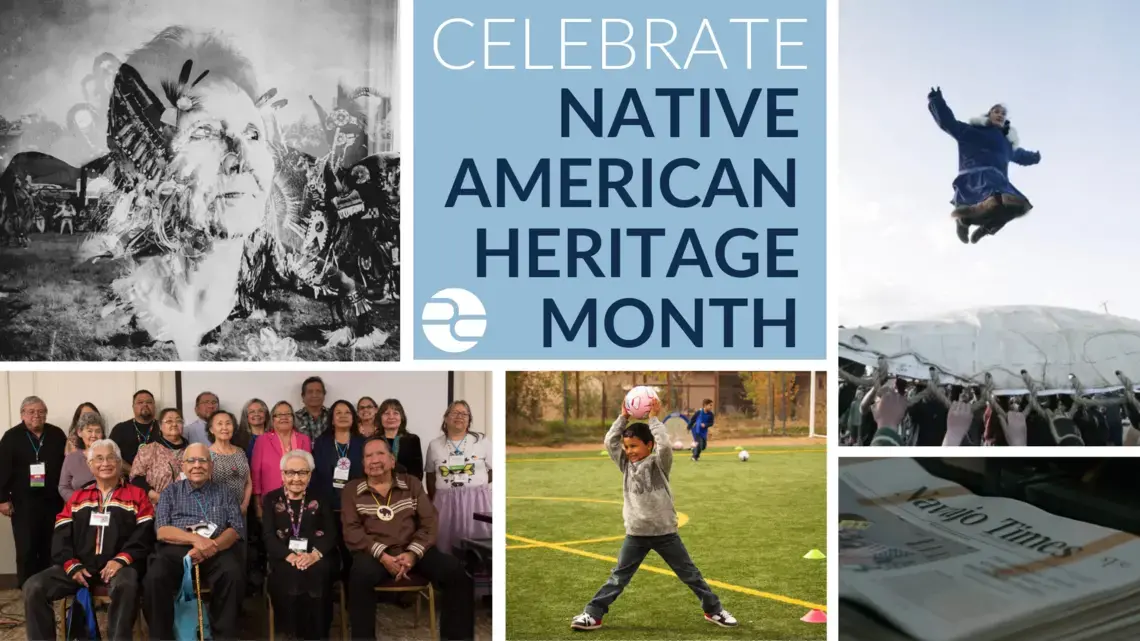
In celebration of Native American Heritage Month, we are featuring several journalists who have reported on relevant topics, and who would love to visit your classroom! Take a look at our featured guest speakers below, and click here to connect your class with a guest speaker. This opportunity is open to classroom and afterschool educators, as well as educators working with students in carceral facilities.
Journalist Guest Speakers for Native American Heritage Month
Journalists can share stories about Native American communities, and discuss issues affecting Native people.
-
Richard Tsong-Taatarii, a documentary photographer based in Minnesota, reported on how 170,000 or so residents across the Navajo nation are struggling with the worst ongoing drought in a century. Many are accustomed to using just a fraction of the water other Americans consume. Thousands of Navajos have no clean running water at home, a crisis magnified by drought and government neglect.
- Elyse Wild, a native news online journalist reported how combining Indigenous cultural practices and Western science increases the effectiveness of treatment for opioid substance use disorder in Native American communities across the continuum of care, from prevention to harm reduction to recovery, within the most at-risk groups.
-
Jenny Staletovich, a journalist working in Florida for 30 years, reported on the compromises that have threatened the viability of Everglades restoration in South Florida through the eyes of the people who have seen it firsthand, the Miccosukee Tribe.
-
Justin Maxon, a photographer, writer, and filmmaker, who grew up part-time on the Hoopa Valley Indian Reservation, reported on how teens and their families struggle with drug addiction on the Hoopa Valley Indian Reservation.
-
Melodie Edwards, host and producer of The Modern West podcast, explores rural resilience and Indigenous sovereignty in her award-winning series Ghost Town(ing). Her three-part project examines how tribes confronted COVID-19 amid a long history of medical racism and federal neglect, tracing the rise of tribal control through 638 Contracts. Collaborating with Indigenous reporters, Edwards shows how Native communities’ pandemic responses became models of self-determination and public health leadership.
-
Michael Downey, a documentary filmmaker from Alaska, based in Istanbul, Turkey, reported on how remote villages in western Alaska are locked in a desperate battle to protect their land against the ravages of climate change, as rising sea levels erode their land, forcing some villages to evacuate.
- Arlyssa Becenti, a Diné journalist with more than a decade of experience reporting on Navajo Nation, who is covering the importance of the Native vote, and Arizona's efforts to disenfranchise Indigenous people.
-
Gabriel Allen, an M.A. student in the journalism program at the University of Colorado Boulder, reported on how each year, the Iñupiat community in Utqiagvik, Alaska, gathers for Nalukataq, an annual whaling festival. Allen spoke with local leaders and scientists about the work that is done to keep whaling practices, and thereby Nalukataq, alive. Over the last half-century, Indigenous whalers and scientists have worked together to study local wildlife, map Arctic ice, and mitigate the effects of climate change.
- Amanda Tachinea Tachine, a Navajo scholar from Ganado, Arizona, investigates how the U.S. public education system was built—and continues to profit—from stolen Indigenous lands, revealing how land-grant universities still generate revenue from these lands through industries like fossil fuel extraction and mining.
- Brian Adams, an Iñupiaq photographer who documented the return and burial of Anastasia, a girl who was taken from her Alutiiq home to an Indian residential school where she died. Adams's images tell a story of mourning, healing, and strength.
- Alice Qannik Glenn and Jenna Kunze, Alaska-based reporters whose audio stories cover how Alaska Natives are adapting to changes in the environment brought about by climate change. Jenna also reported on rise of indigenous doulas.
- Daniella Zalcman, a photojournalist and co-founder of Indigenous Photograph, who reported on the lasting impacts of government-mandated residential schools for Native Americans in the United States and First Nations children in Canada.
- Melissa Olson, a citizen of the Leech Lake Band of Ojibwe and reporter for Minnesota Public Radio’s Native News project, investigates how the University of Minnesota continues to benefit from expropriated tribal lands. Her reporting builds on the TRUTH Project’s 2023 findings that detailed the university’s historic mistreatment of Native nations and the ongoing profits from state-trust lands. Through data and interviews, Olson explores how these lands generate millions in revenue for the university while raising questions about accountability, transparency, and the university’s relationship with tribal nations today.
- Nate Hegyi, a journalist who has reported on negligence and misconduct in tribal jails, as well as the broader challenges Native American communities experience.
- Mary F. Calvert, an award-winning photojournalist who reported on the legacy of U.S government mines on Navajo Nation and their devastating health impacts.
NOTE: Due to availability, we cannot always guarantee a specific journalist, but we will work with you to suggest several options based on your goals and meeting times.
About the Virtual Journalist Visit Program
The Pulitzer Center offers free virtual journalist visits to K-12 schools worldwide. We have worked with more than a thousand journalists over the years, covering diverse topics and geographic regions, and we will match you with a journalist based on your request. We use many different platforms to connect, including Zoom, Google Meet, and Teams, and will work with you to identify the best technology for your learners. Virtual journalist visits are a great way to help students:
- Understand how what they're studying affects people's lives
- Learn how research, writing, critical thinking, multimedia, and more skills are used in journalism
- Practice preparing and asking questions of an expert
- Get excited about using the news to learn about the world
- And much more!