Project April 15, 2026
One of Asia’s Richest Men Is Grabbing Sprawling Slum and Crushing Its Economy
Country:

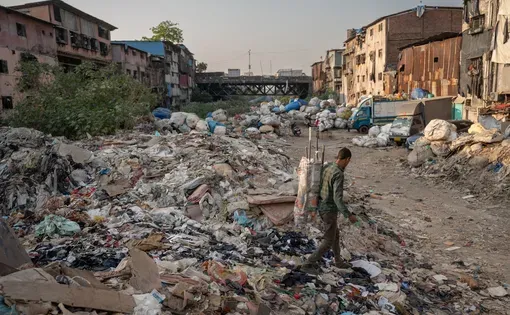
This investigation examines how India’s largest urban redevelopment project has become a vehicle for elite land capture, state-corporate collusion, and democratic erosion in Mumbai. At its center is Dharavi, Asia’s largest informal settlement. Nearly 1 million residents are facing displacement under a redevelopment scheme handed to Gautam Adani, one of Asia’s richest men.
Framed by the state as “renewal,” the Dharavi project is designed to benefit private capital. Government agencies have diluted eligibility norms, bypassed meaningful consent, and transferred control of prime public land to a single corporate entity, raising serious questions about transparency and accountability.
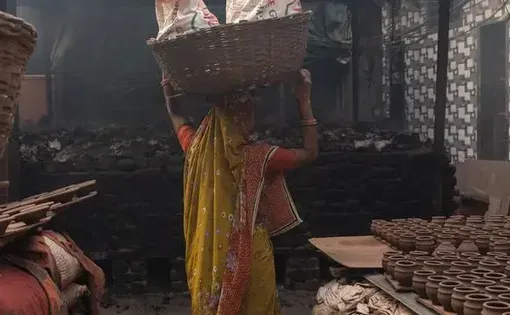
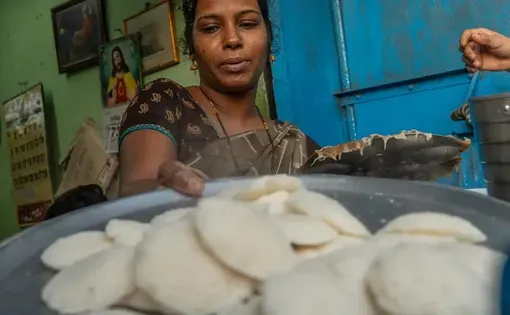
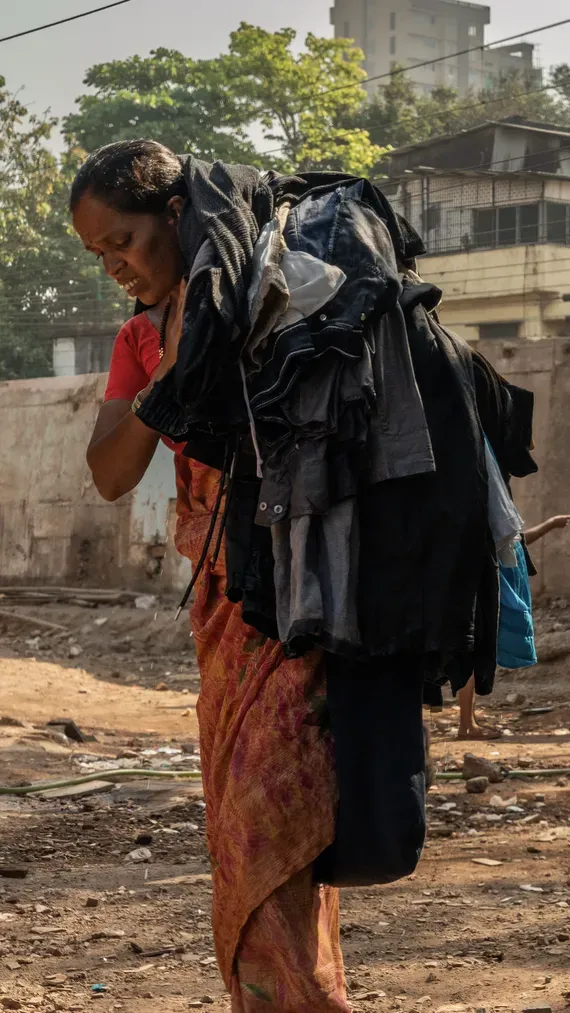
Moreover, Dharavi is also a sprawling workshop where over 250,000 workers are employed directly or indirectly across its informal industries that keep Mumbai’s economy running. Entire livelihoods built over decades on skills, networks, and neighborhood economies—stand to be dismantled, too. The new redevelopment plan has proven exclusionary for a majority of rightful residents eligible for rehabilitation housing. Even among those promised a home, there is little clarity on how workers—whose livelihoods are deeply tied to their homes and shared community workspaces—will continue their trades. This question becomes even more urgent considering Dharavi’s economy contributes an estimated $1 billion annually to Mumbai.
With the redevelopment plan making no credible provision for livelihoods, this project places work at the center of the story, tracing how caste- and community-based occupations are being systematically erased despite sustaining Mumbai’s informal economy.