Pulitzer Center Update July 8, 2026
Seeing the News Through a Young Poet's Eyes

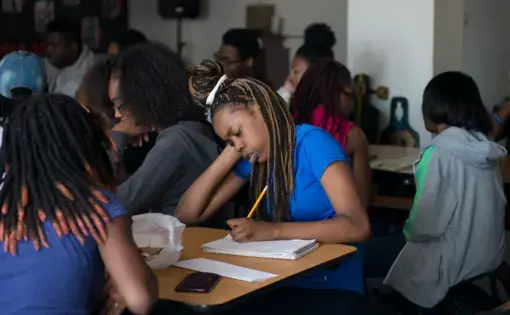
Students are invited to enter poems written in response to news stories to the Fighting Words Poetry Contest. This workshop guides teachers and students in how to craft a successful entry.

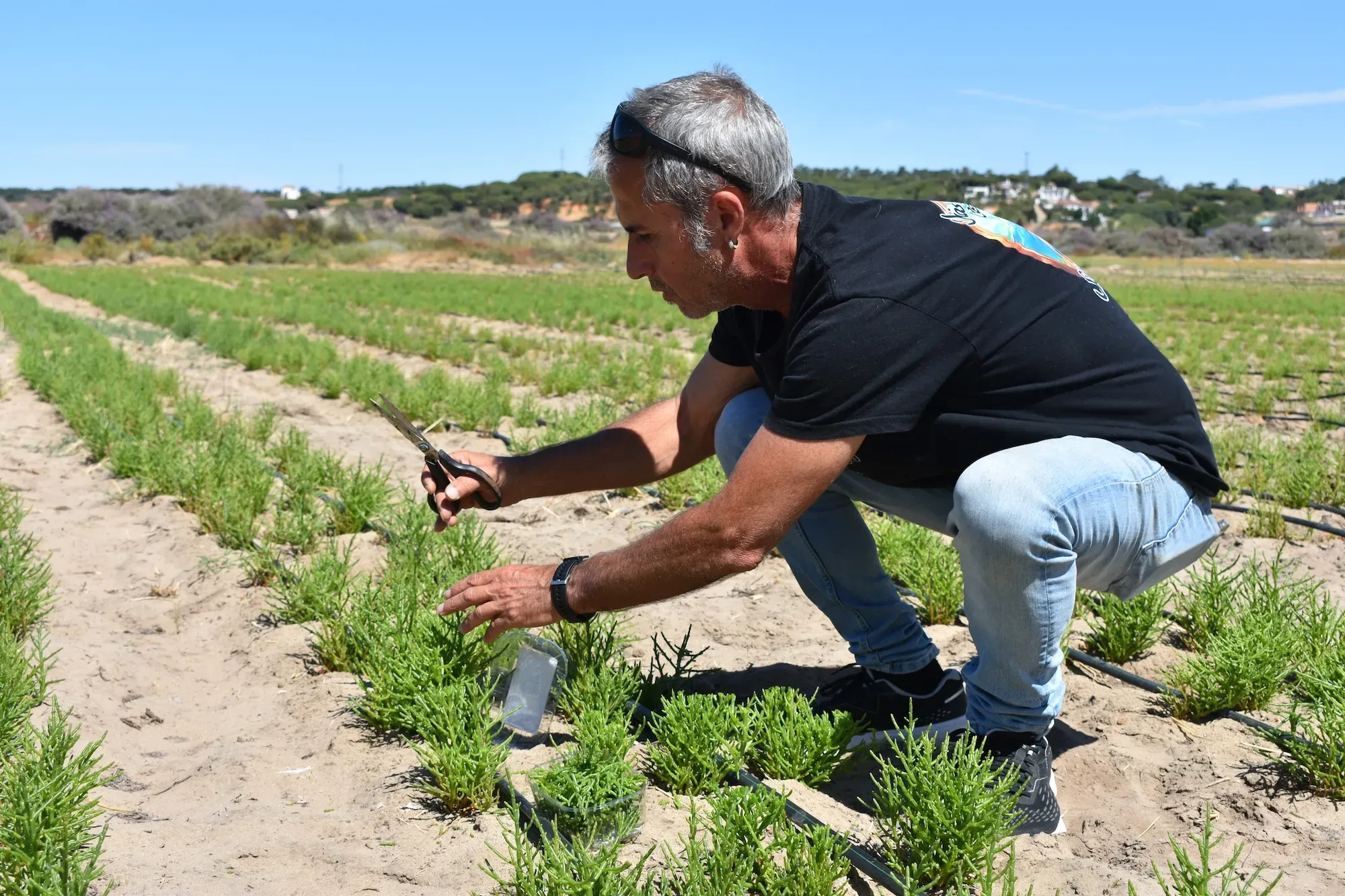
The sea bean grows in salt
the way we grow in struggle.
It does not ask the soil to change.
It changes what growth means.
...
Like Salicornia,
I am rooted in contradiction—
salt and survival,
history and hope,
loss and becoming.
The world is warming.
The waters are rising.
The land is changing its language.
But somewhere,
a green stem pushes through salt
and says:
We are not done yet.
From “Salt Still Grows Green,” by Arielle Pineda, sixth grade, Arizona
Poetry is not therapy. It calls for reckoning and wrangling with language, for rigorous precision. This is hard work, appeals to a certain obsessive tendency, and can excavate difficult thoughts, feelings, and experiences. Most good poets could probably benefit from a good therapist.
So how can writing a poem in response to Pulitzer Center-supported stories—which often chronicle injustice and harrowing circumstances—support mental well-being? I have my theories, but this year, we asked Fighting Words Poetry Contest entrants for their thoughts.
“Poetry encourages reflection instead of reaction,” wrote Mihikaa Seth, a first-place winner in the Climate and Environment category. “In a fast paced news cycle, that pause matters. It can lead to more empathy for different perspectives, and a deeper awareness of complex problems.”
All 1,600 young people who entered this year’s contest took that pause. They read a piece of journalism closely. They allowed the story to reach them on an emotional level. And they responded with poems that “transform fear, frustration, grief, or hope into something meaningful and shared,” in the words of Jonathan Cavazos, another contest winner.
The poems matter. However, poets’ response to the journalism also extends beyond their writing. “Harnessing poetry turns our engagement with the news into an active, not passive, act,” argued Leila Zak, a first-place winner in the Human Rights category. “We allow ourselves the opportunity to truly feel the news, connect with the lived realities of people we don’t personally know, and let the information we receive ethically guide our actions going forward.” Moreover, Fighting Words poems constitute a new entry point into the stories, fostering empathy and critical engagement among a whole new audience.
The Pulitzer Center’s K-12 Education team has stewarded the Fighting Words Poetry Contest since its inception in 2018. For the first time in this annual contest, we were able to expand the opportunity to young adults ages 18–24. We judged entries in separate age categories and recently announced the winners in two blog updates: one for winning poems by graduating high school seniors and young adults, and another for grades K-11. As a result, we’re able to share our largest-ever selection: 39 poems total, representing young participants ages 10–24 in 14 U.S. states and seven countries.
These poems cover complex issues—from the psychological toll of AI data training on underpaid workers (Vladimir Ermolenko, 10th grade) to medical myths that stymie early detection of lung cancer (Jorden Andre, 12th grade). They issue clear, firm demands for human rights (Wallace Ianicelli Lovell McAnany, fourth grade) and draw hopeful connections between the environment and human resilience (Arielle Pineda, sixth grade).
We invite you to spend time with this year’s contest-winning poems and the stories that inspired them. They are an invitation to embrace feeling as an essential part of creating journalism and processing it in a meaningful way. Fighting Words poems aren’t therapy, but they are a buoy in a noisy information sea.
Best,
Hannah Berk
Senior Manager, Impact Special Initiatives
This message appeared in the July 10, 2026, edition of the Pulitzer Center's weekly newsletter. Subscribe today.