Lesson Plan May 5, 2026
Mi salud, tu negocio - De cómo me convertí en Activista
Country:
Grades:

This lesson was created by Vanenka Mosqueira, a fifth grade teacher in Atlanta, Georgia, as part of the fall 2025 Pulitzer Center Teacher Fellowship program. It is designed for facilitation across approximately 7-12 50-minute class periods.
For more lessons created by Pulitzer Center Teacher Fellows in this cohort, click here.
The focus of the lesson is empowerment through storytelling and action. Students were not only readers of global health reporting; they became advocates. By writing letters to Georgia Senators Ossoff and Warnock, sharing their work with younger grades, and presenting themselves as activists, students experienced how evidence-based writing can influence real audiences. The value of this lesson lies in helping students see themselves as capable of understanding complex systems, using language with purpose, and recognizing that their voices at any age can contribute to meaningful change.
Lesson Overview
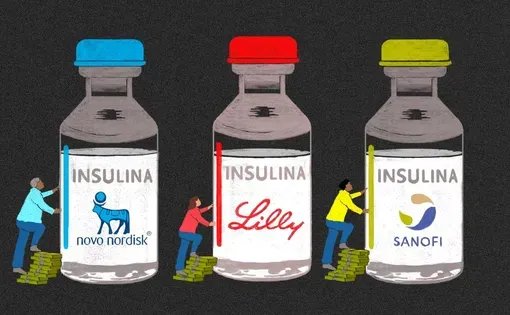
In these seven lessons, students move from curious inquirers to active changemakers. Building on their interview with journalist Fabiola Torres about “How Much Does It Really Cost to Produce Insulin? (Spanish)”, students are ready to turn understanding into action. They have explored how pharmaceutical companies make life-saving insulin inaccessible for millions of people and reflected on the social, economic, and ethical implications of healthcare inequity. As a result, students decided not only to participate in the Pulitzer Center Letter Contest but also to extend their impact by sending letters to as many stakeholders as possible—both in Peru and the United States. To ensure their voices reach decision-makers who can effect change, students created a contact list with the support of AI tools.
Throughout this unit, students actively use their language skills across all domains—they read, analyze, write, and share ideas orally—while applying critical thinking to real-world issues. Most importantly, they are learning how to become activists and take meaningful action by advocating for change through their letters. The lessons culminate in advocacy projects that students will design and share with peers from Grades 2 through 7. This unit emphasizes empathy, civic responsibility, and project-based learning, empowering students to see themselves as informed, capable participants in society. They learn to analyze complex systems, evaluate multiple perspectives, and take thoughtful action to promote health equity and social justice.
Objectives
- Analyze the relationship between pharmaceutical pricing, public policy, and patient access to insulin in Peru, the U.S., and globally.
- Evaluate multiple perspectives on healthcare access through the lens of investigative journalism.
- Build on prior learning from their first interviews with Fabiola Torres to identify actions they can take as students.
- Create advocacy projects that demonstrate understanding of health equity issues and propose informed actions.
- Develop as activists by raising their voices on issues of social and health justice.
- Write persuasive essays to communicate their ideas effectively.
- Write formal letters advocating for change or awareness on health equity issues.
Essential Questions
- How are healthcare systems connected to individual health outcomes?
- What is our responsibility when people cannot access life-saving medicine?
- How can investigative journalism inform our understanding of health equity?
- How can we deepen our inquiry and take more informed action based on prior learning?
- What does “Taking Action” mean?
- What is the purpose of raising our voices?
- How can we make an impact and advocate for change?
- How can we understand and learn from an activist perspective?
- How can we examine issues through activist lenses?
Performance Task
Students demonstrate their deepened understanding by creating an advocacy project that connects body systems knowledge with health equity action. Building on both interviews with Fabiola Torres, they chose from multiple formats based on their strengths and interests:
Success Criteria (Co-constructed with Students):
- Demonstrates understanding of how diabetes affects body systems (especially the endocrine system)
- Uses specific evidence from Fabiola Torres's reporting
- References insights from both interviews with Torres
- Shows understanding of the connection between healthcare systems, pharmaceutical companies, and patient outcomes
- Reflects on responsibility and proposes informed action based on deepened understanding
- Communicates clearly and persuasively to the intended audience
- Includes multiple perspectives (from PZ Thinking routines)
- Demonstrates growth in thinking from the beginning of the unit to now
Assessment
Formative Assessment (Throughout the Lesson):
- Thinking Routine Documentation: Collect student responses from See-Think-Wonder, Identity, Value and Action, and I Used to Think... Now I Think (both versions). Look for evidence of evolving understanding and growth from first interview to second.
- Double-Entry Journals: Review for comprehension, text evidence use, personal connections to body systems, and comparative analysis across countries.
- Interview Participation and Growth: Observe student engagement during question generation and both interviews. Note the quality of questions, active listening, and sophistication of thinking in the second interview compared to the first.
- Discussion Observations: Use a checklist to track ATL skills: Are students stating opinions respectfully? Listening to others' perspectives? Taking on different roles in group work? Making connections to prior learning?
- Reflection on Learning Journey: Review students' reflections on how their thinking has evolved from the first interview to the second interview to the final project.
Self-Assessment:
Additional Self-Reflection Questions:
- How did interviewing a real journalist twice help me understand investigative journalism?
- What did I learn about asking good questions?
- How has my understanding of responsibility changed?
- What would I like to investigate next?
Teacher Assessment:
In addition to the rubric, provide narrative feedback addressing:
- Demonstration of Learner Profile attributes (Balanced, Open-minded)
- Evidence of Social Justice Standards (Identity, Diversity, Justice)
- Quality of engagement with journalist and authentic learning experience
- Depth of inquiry and sophistication of questions over time
- Next steps for continued inquiry and action
Evidence of Learning/Action:
- Participation in discussions and both journalist interviews
- Quality and sophistication of questions in second interview compared to first
- Quality of advocacy project demonstrating deepened understanding
- Demonstration of social justice awareness and growth
- Connection to lifestyle choices and body system health
- Evidence of social entrepreneurship thinking
- Reflection on learning journey and evolution of thinking
Rubrics
- Rúbric: Cartas Locales Para el Cambio Global concurso de escritura
- Rubric INQUIRY-DRIVEN TEACHING AND LEARNING: A general rubric
- Reflection on the learning journey and the evolution of thinking
Notes on Context & Content Advisory
This lesson is designed for an international Grade 5 dual language (Spanish/English) cohort with diverse cultural backgrounds. It connects global journalism to local inquiry, helping students link health equity issues in Latin America to broader questions of fairness, empathy, and civic responsibility within our school community. This lesson follows the previous unit of inquiry on descriptive writing (The Letter Contest) and serves as a reflection of learning.
Seven to twelve-day lesson plan, including warm-ups, texts and video resources, discussion questions, activities, and performance tasks for the lesson. Download below to read the complete lesson plan.
Lesson Resources
| Pulitzer Reporting | “¿Cuánto cuesta realmente producir insulina?” by Fabiola Torres, Alicia Tovar and Pamela Huerta |
| Additional Media and Resources | YouTube - ¿Es la salud un derecho humano? / Introducción a los Derechos Humanos YouTube - ODS 10 | Reducción de las desigualdades BrainPOP Malala Video Pulitzer Center Graphic Organizer Harvard - Inquiry Rubric.pdf Harvard - I Used to Think - Now I Think.pdf Harvard - See Think Wonder.pdf |
| Teacher-created Resources | Preguntas a Fabiola.pdf Preguntas de Comprensión - Artículo de Fabiola Torres sobre el Acceso a la Insulina.pdf Guía de Redacción - Carta Persuasiva sobre Insulina (5to Grado).pdf A quiénes dirigir las Cartas Locales para el Cambio Global_ Concurso y taller de escritura - Pulitzer Center.pdf |
Atlanta International School Primary School - Grade 5 Language and Literacy Learning Outcomes
Interpersonal Communication: WRITING - L1 - L2
Oral Language:
- Participate in sustained conversations and discussions, expressing and justifying opinions
- Listen actively and respond appropriately to others' ideas
- Use academic vocabulary and subject-specific terminology accurately
- Ask and respond to questions to clarify understanding and extend thinking
Reading:
- Read and comprehend informational texts for specific purposes
- Identify main ideas and supporting details in non-fiction texts
- Analyze author's purpose, perspective, and bias
- Make connections between texts and real-world issues
- Synthesize information from multiple sources
- Evaluate evidence and draw conclusions
Writing:
- Write for different purposes (persuasive letters, informational articles, speeches)
- Adapt writing style and tone for different audiences
- Use appropriate text structures and organizational features
- Elaborate and clarify ideas using evidence and examples
- Use academic vocabulary and domain-specific language
- Use sentence starters and connectors to create cohesion
- Edit and revise work based on feedback
- Apply conventions of grammar, spelling, and punctuation
Viewing and Presenting:
- Create visual materials to communicate ideas effectively
- Use visual aids to support oral presentations
- Adapt presentations for different age groups and audiences
- Interpret and analyze visual information (graphs, infographics, images)
Thinking and Inquiry:
- Use thinking routines to deepen understanding and reflection
- Ask open-ended questions that promote critical thinking
- Identify multiple perspectives on complex issues
- Make connections between personal values, identity, and action
- Reflect on learning process and growth as a learner
Social Responsibility and Action:
- Understand how language can be used to advocate for change
- Use persuasive language techniques effectively
- Communicate ideas about social justice and equity
- Collaborate with peers to plan and execute action
- Share learning with wider community
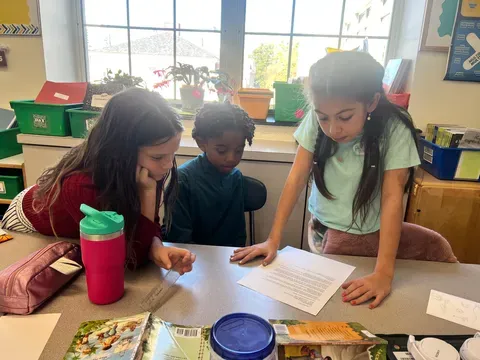
In this lesson, students studied Pulitzer Center reporting on the cost of insulin to explore "how pharmaceutical companies make life-saving insulin inaccessible for millions of people and reflected on the social, economic, and ethical implications of healthcare inequity."
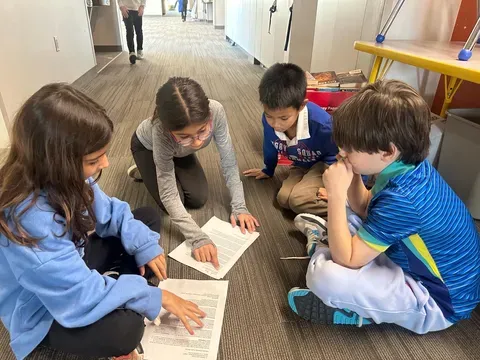
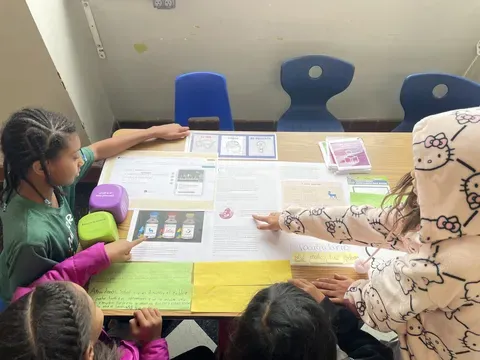
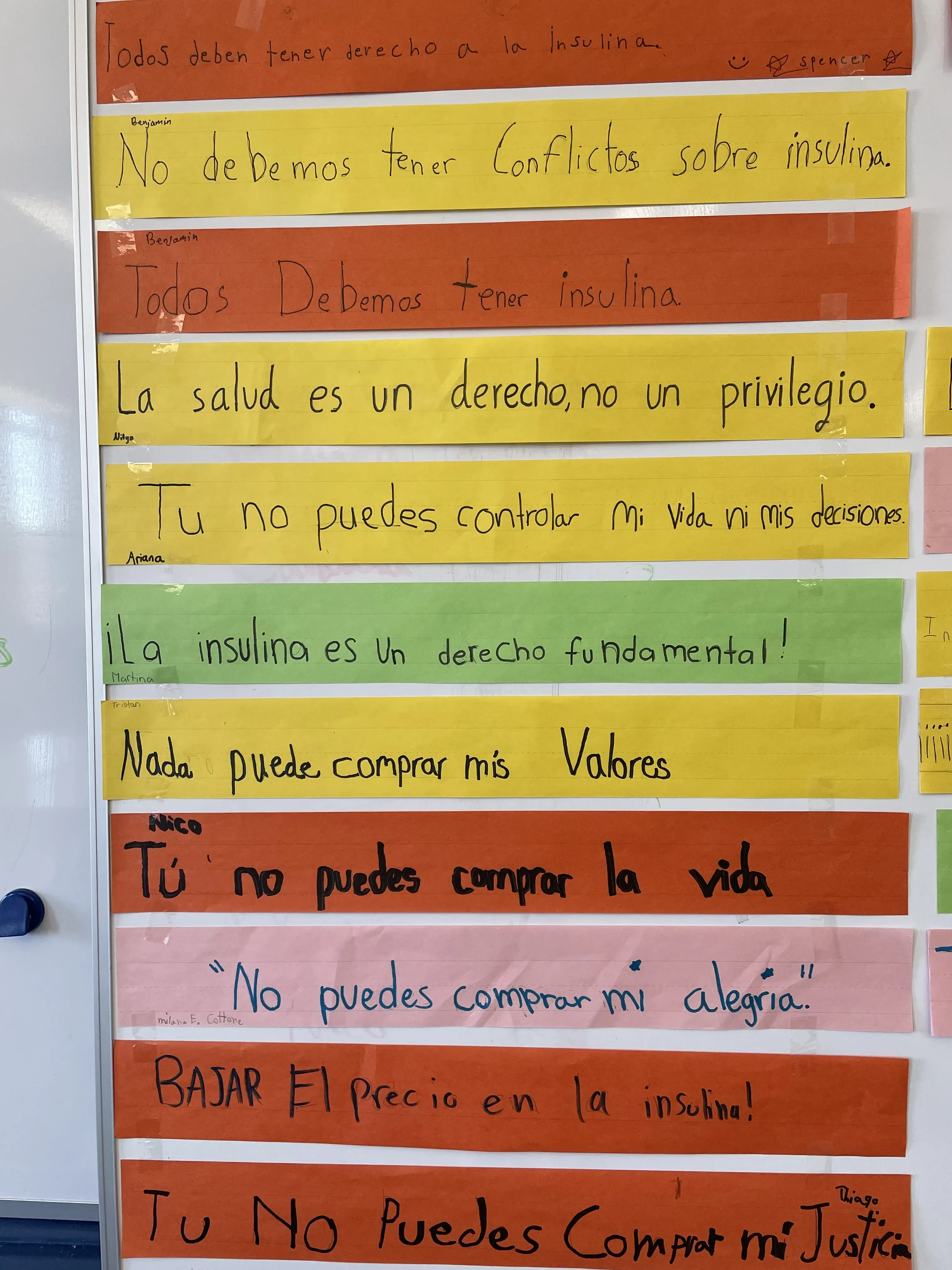
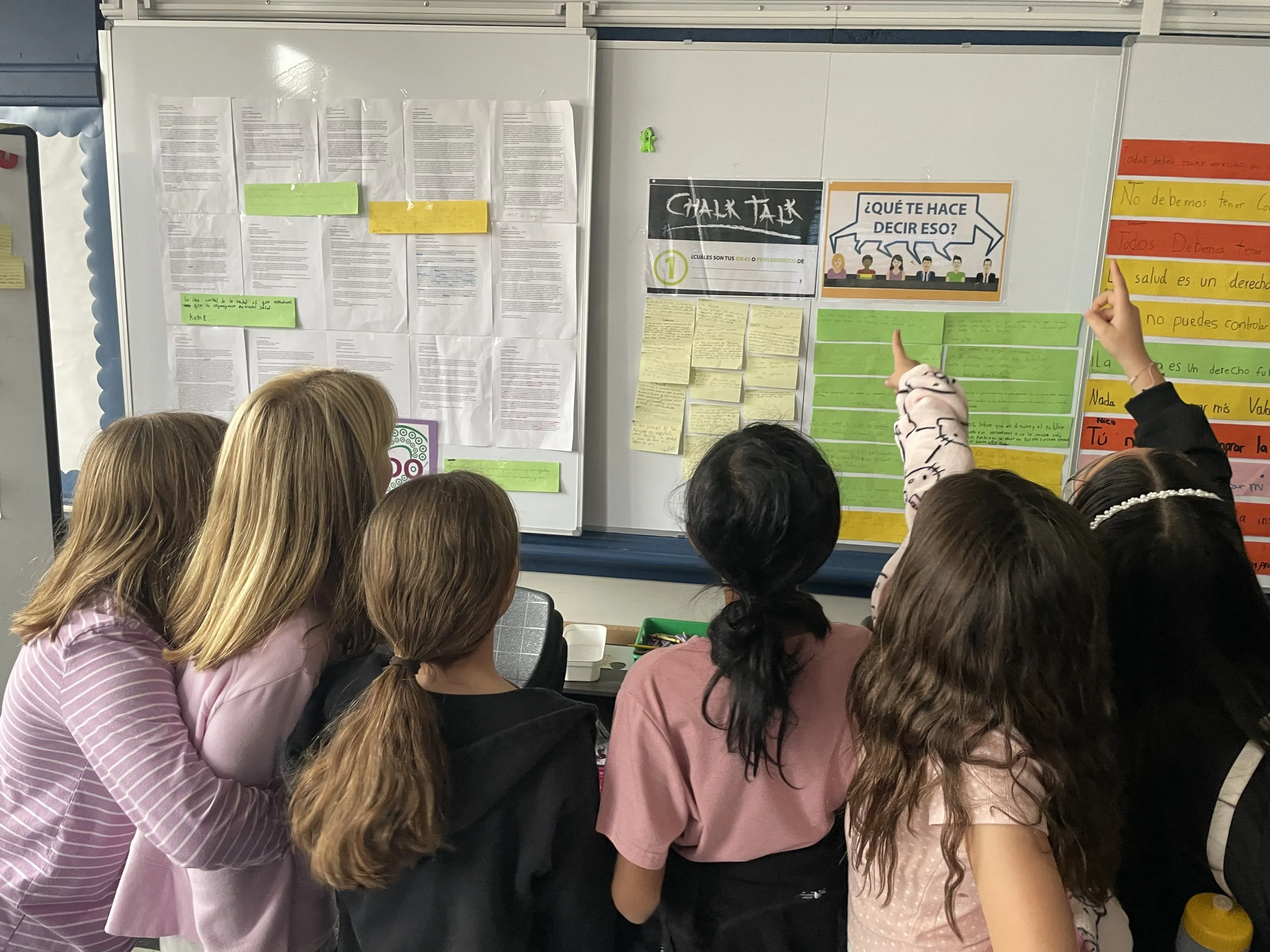
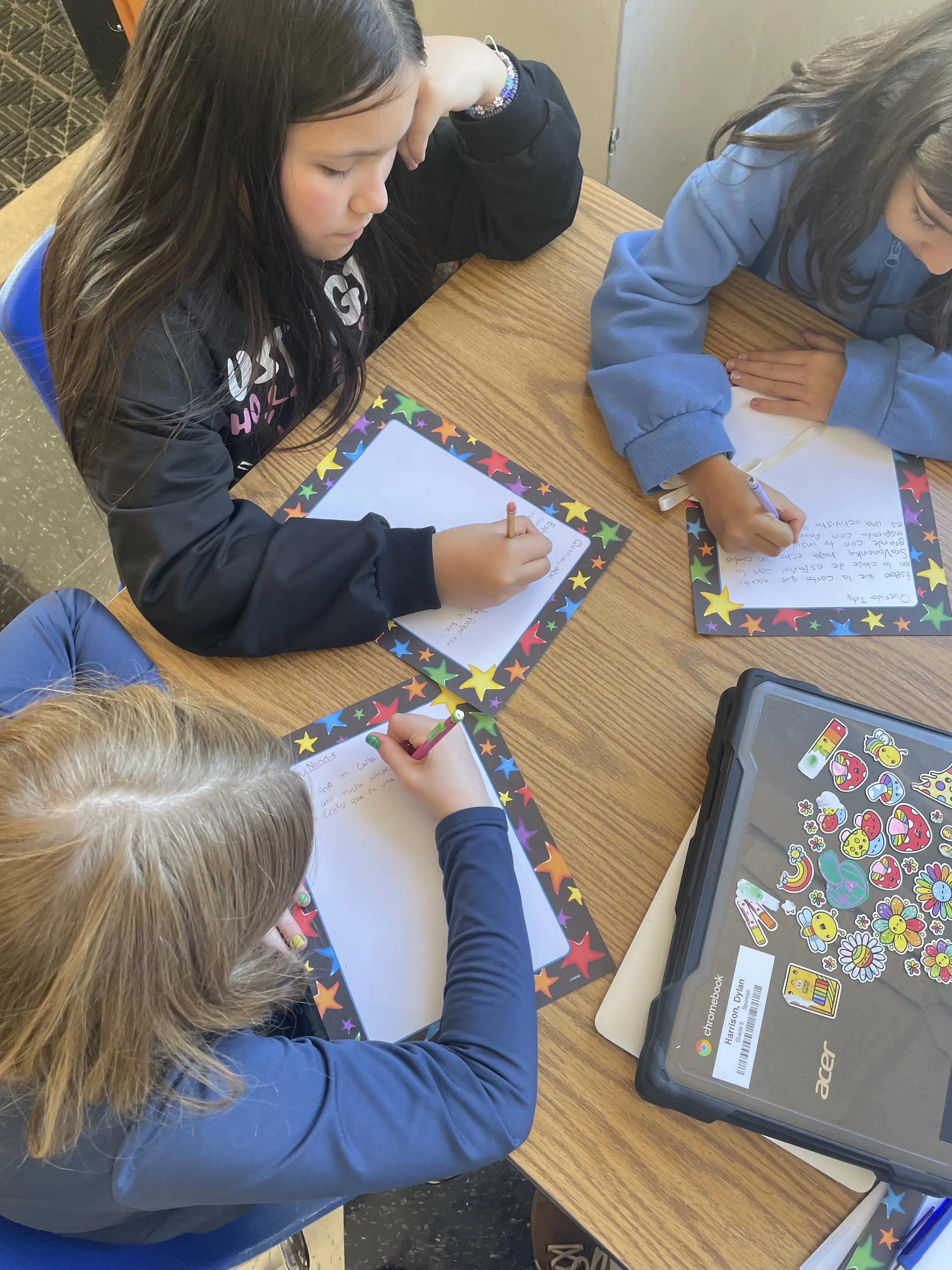
After processing all of their research on the pharmaceutical industry, students took action by becoming activists and writing letters to leaders in the United States and Peru to advocate for change, stating that healthcare is a human right.