


Project
The Poetic Resistance of Honey
Could honey be key to fighting poverty and climate change?

An English summary of this report is below. The original report, published in Spanish in VIST, follows.
How much do we know about bees? And about honey? Argentina is the third largest honey exporter in the world. Most people don't know it, and one of the reasons is because dulce de leche takes most of the fame.
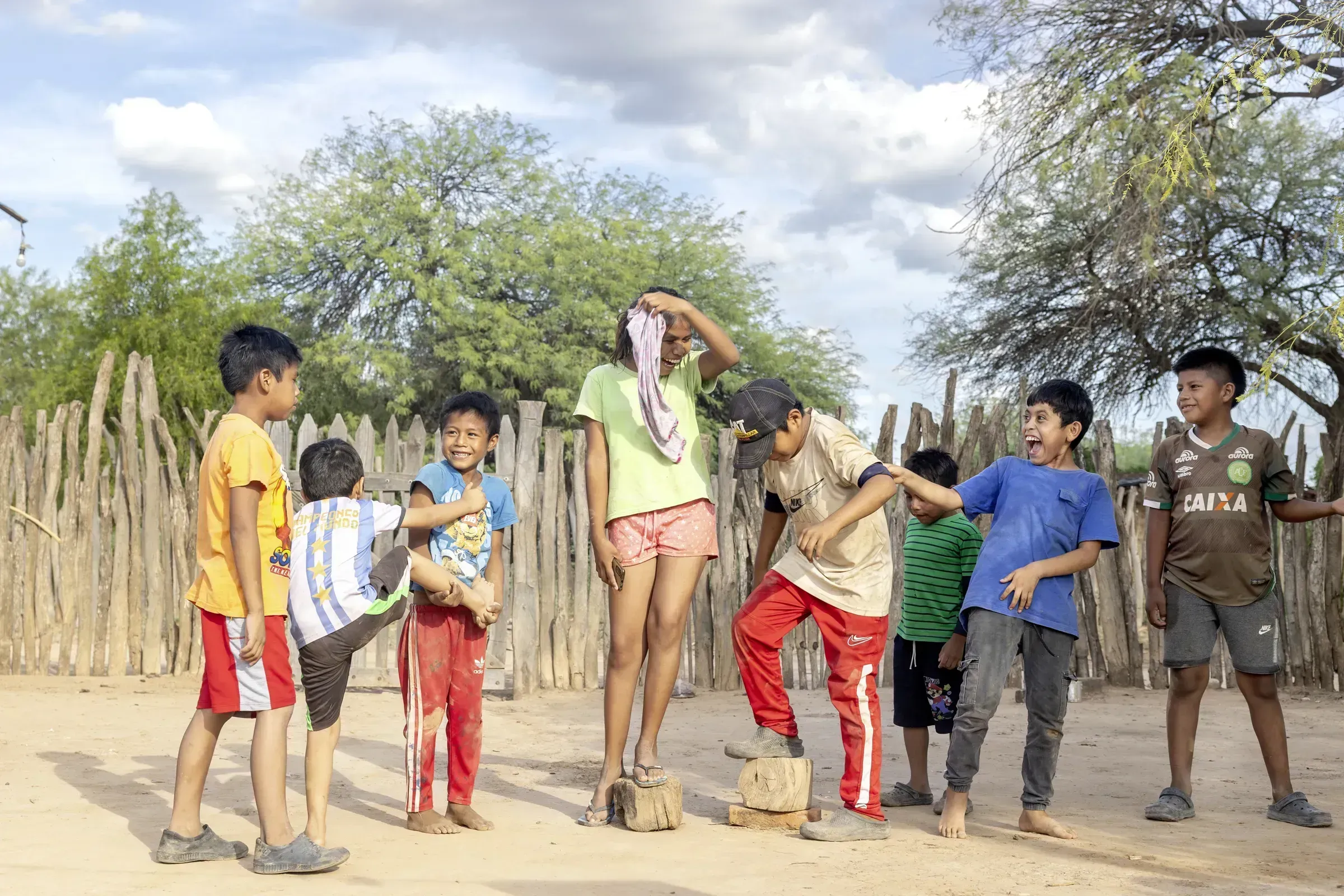
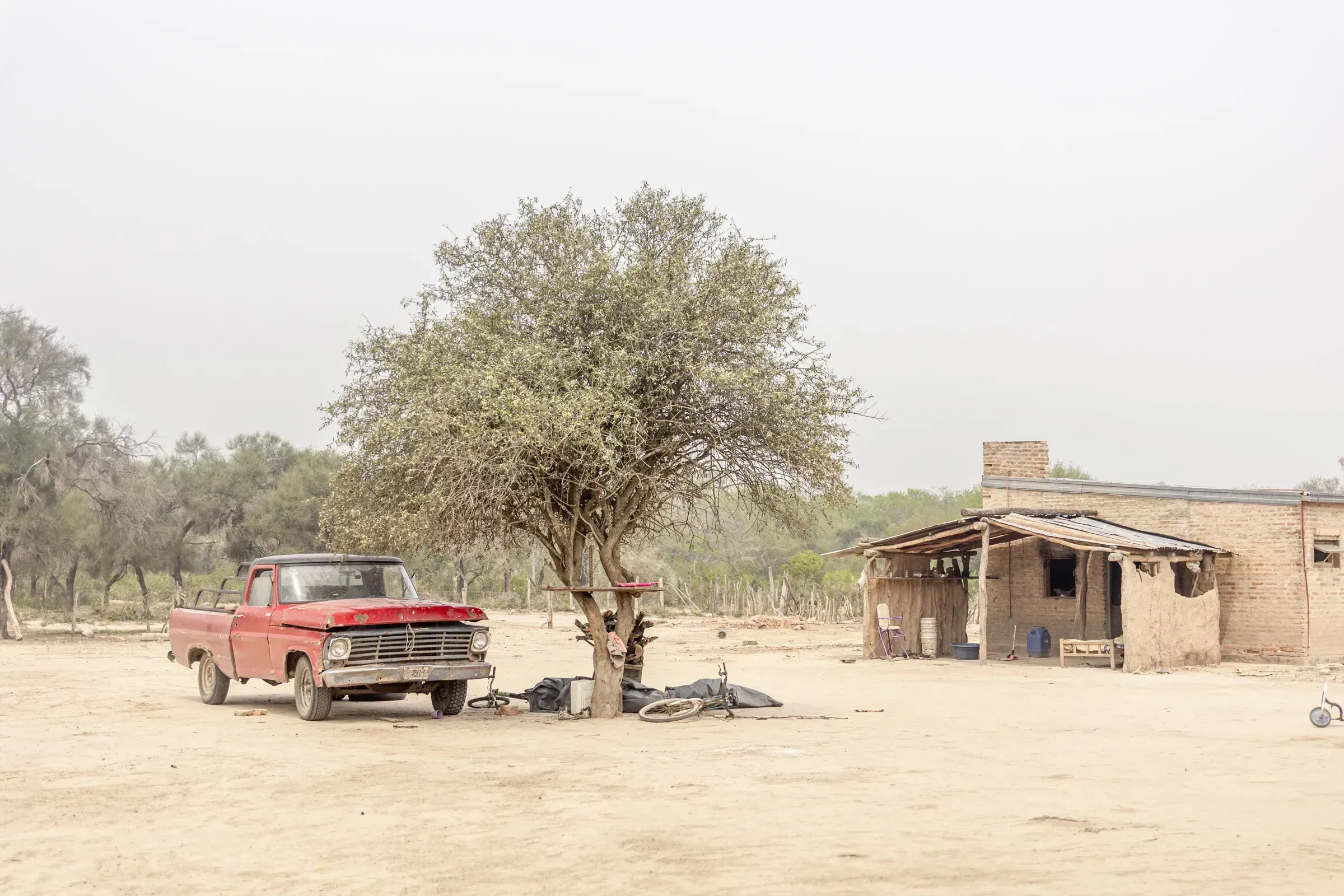
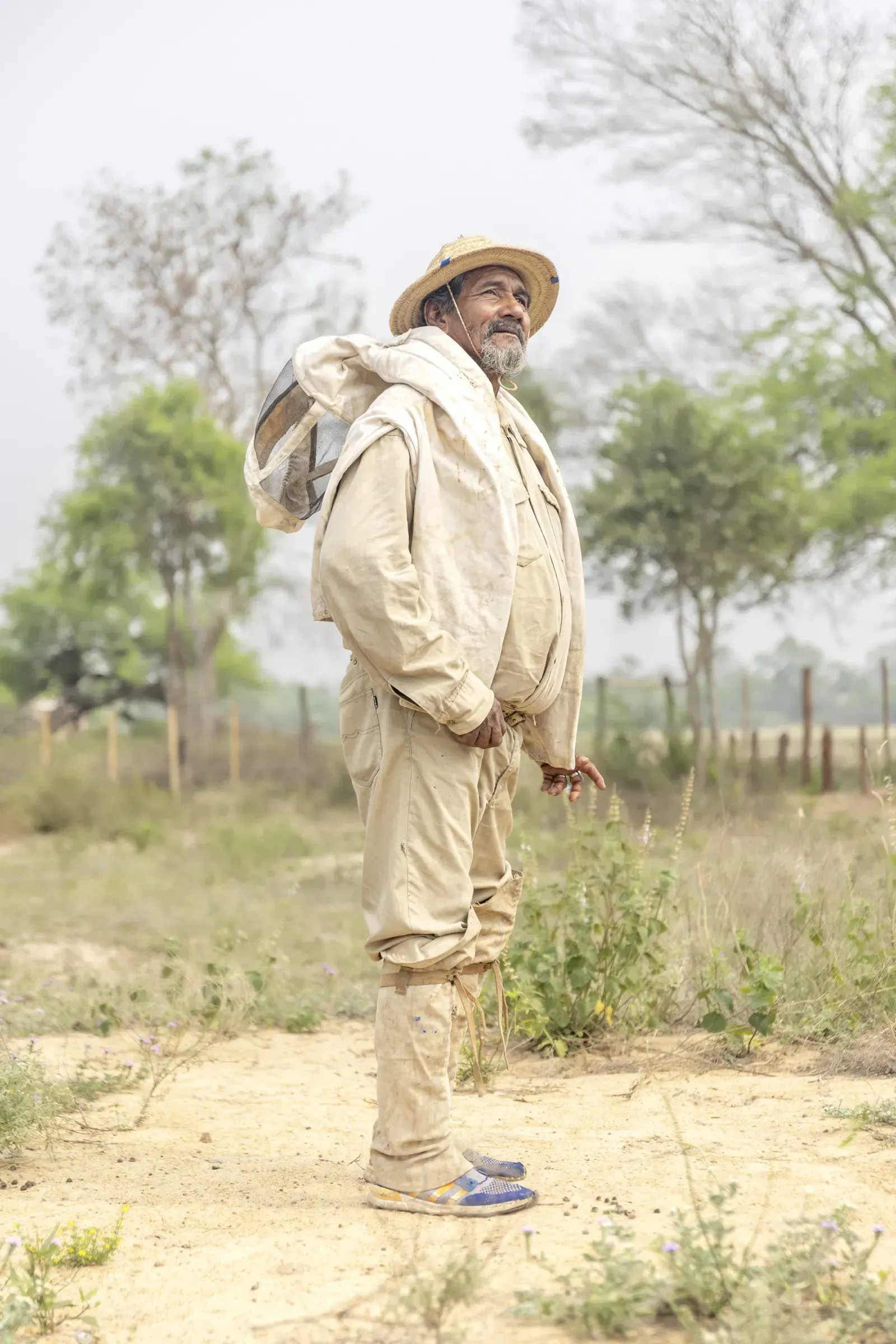
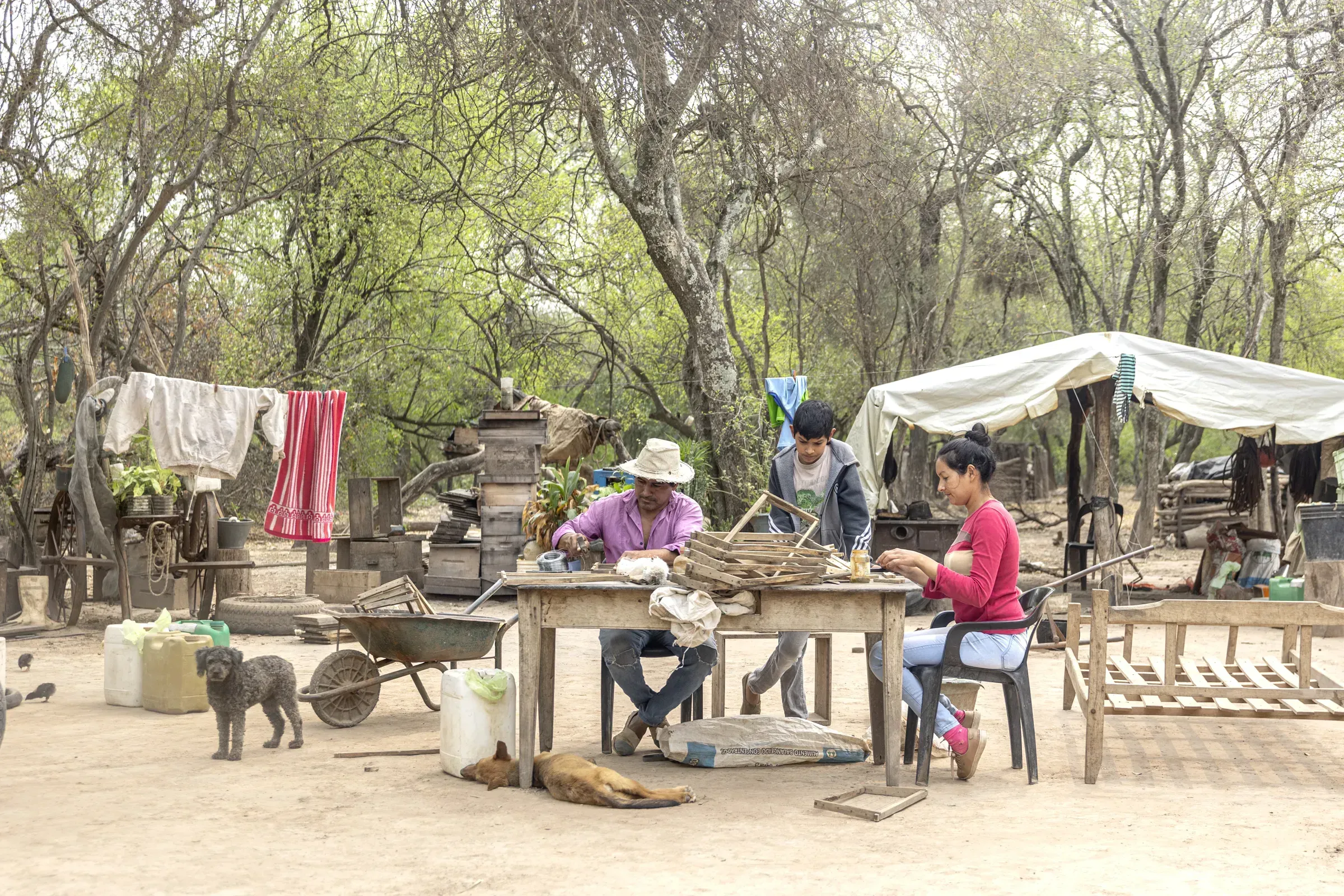
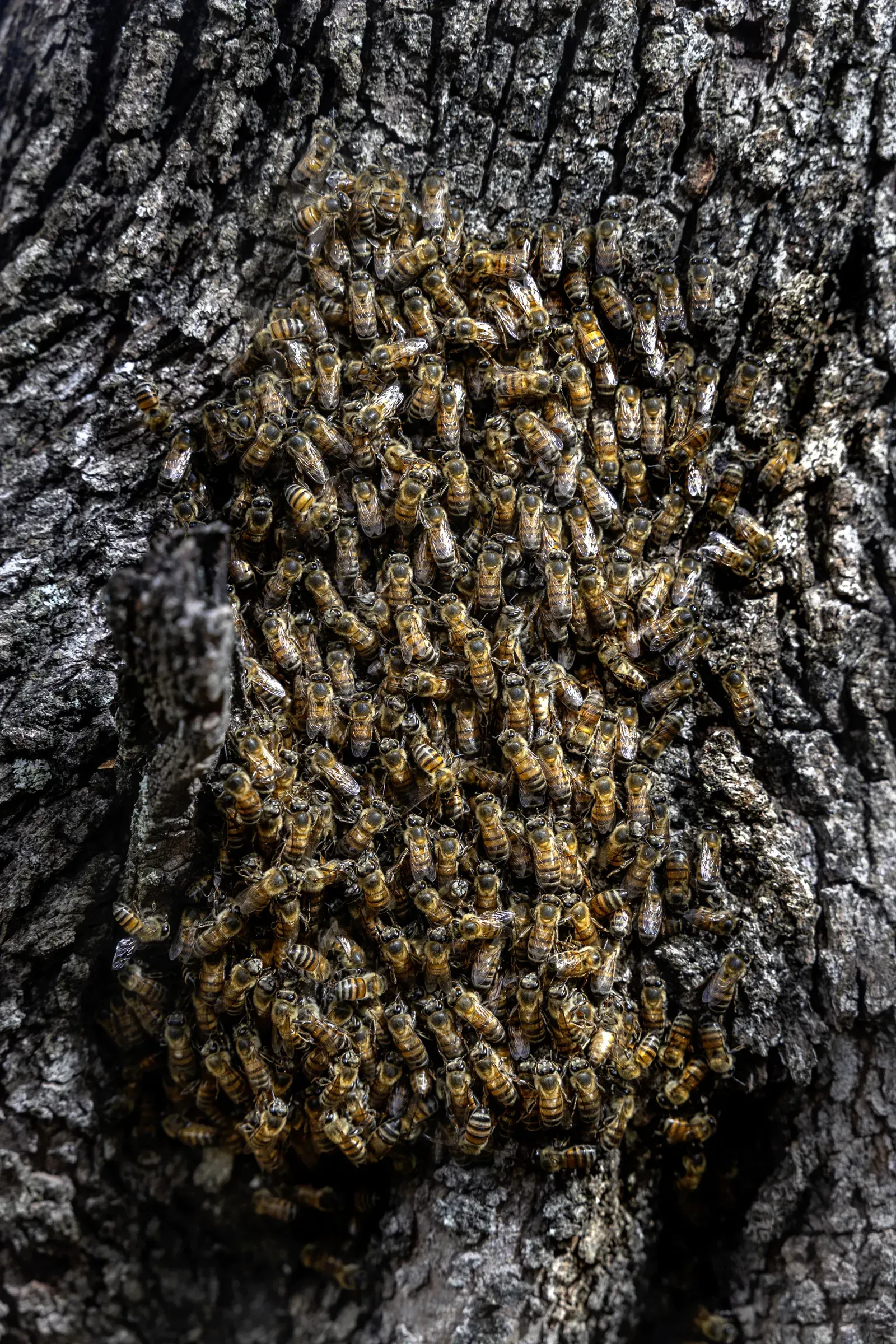
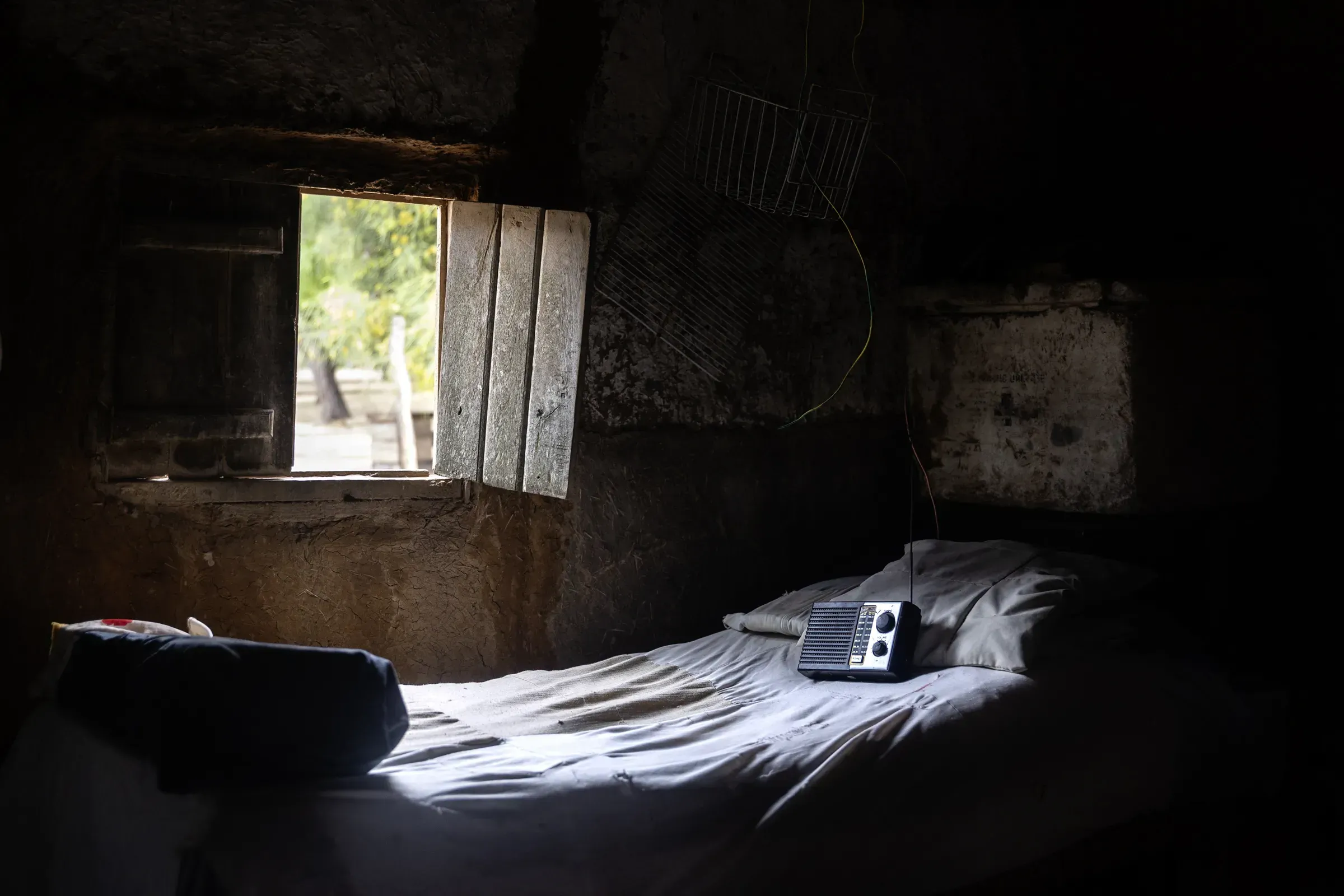
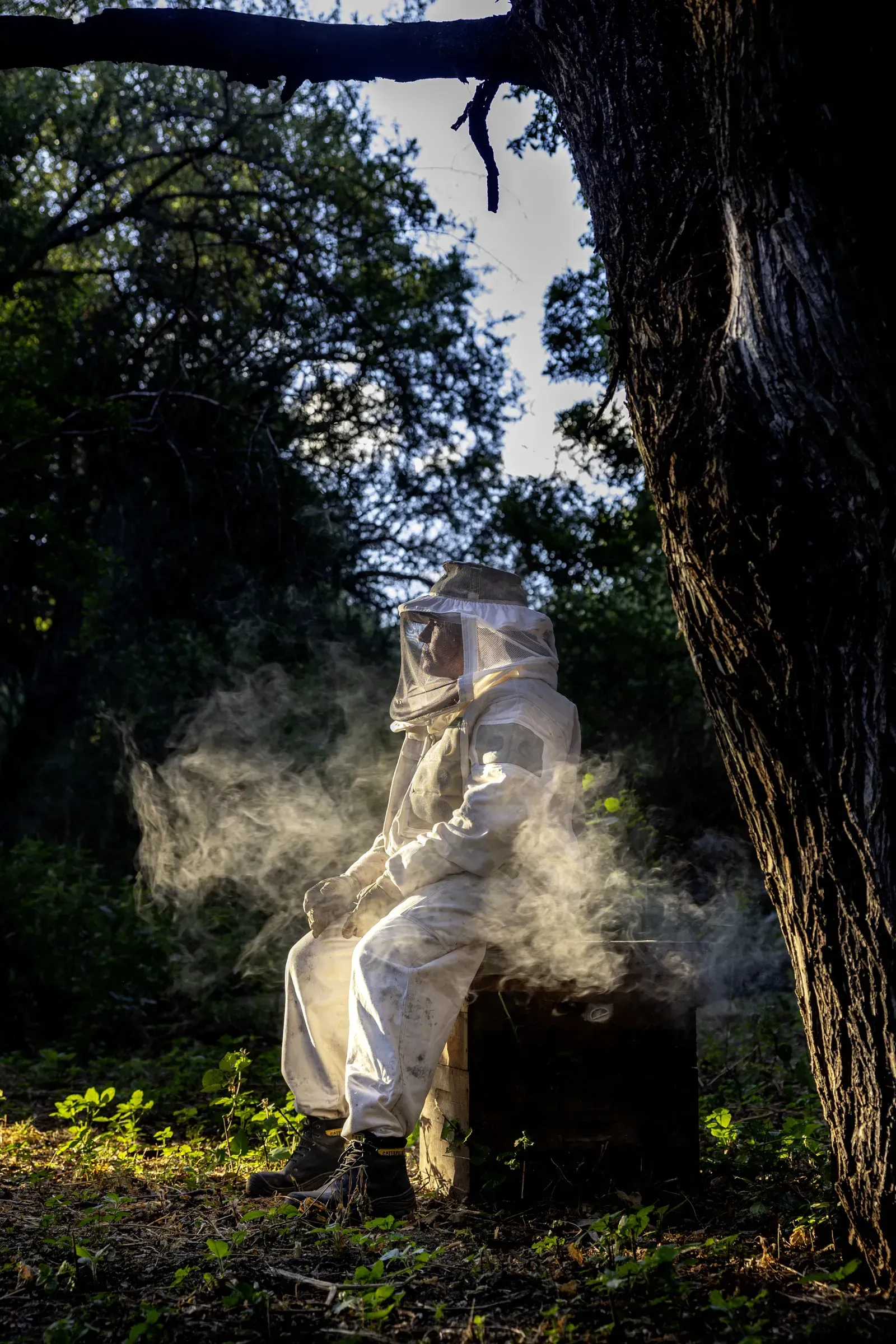
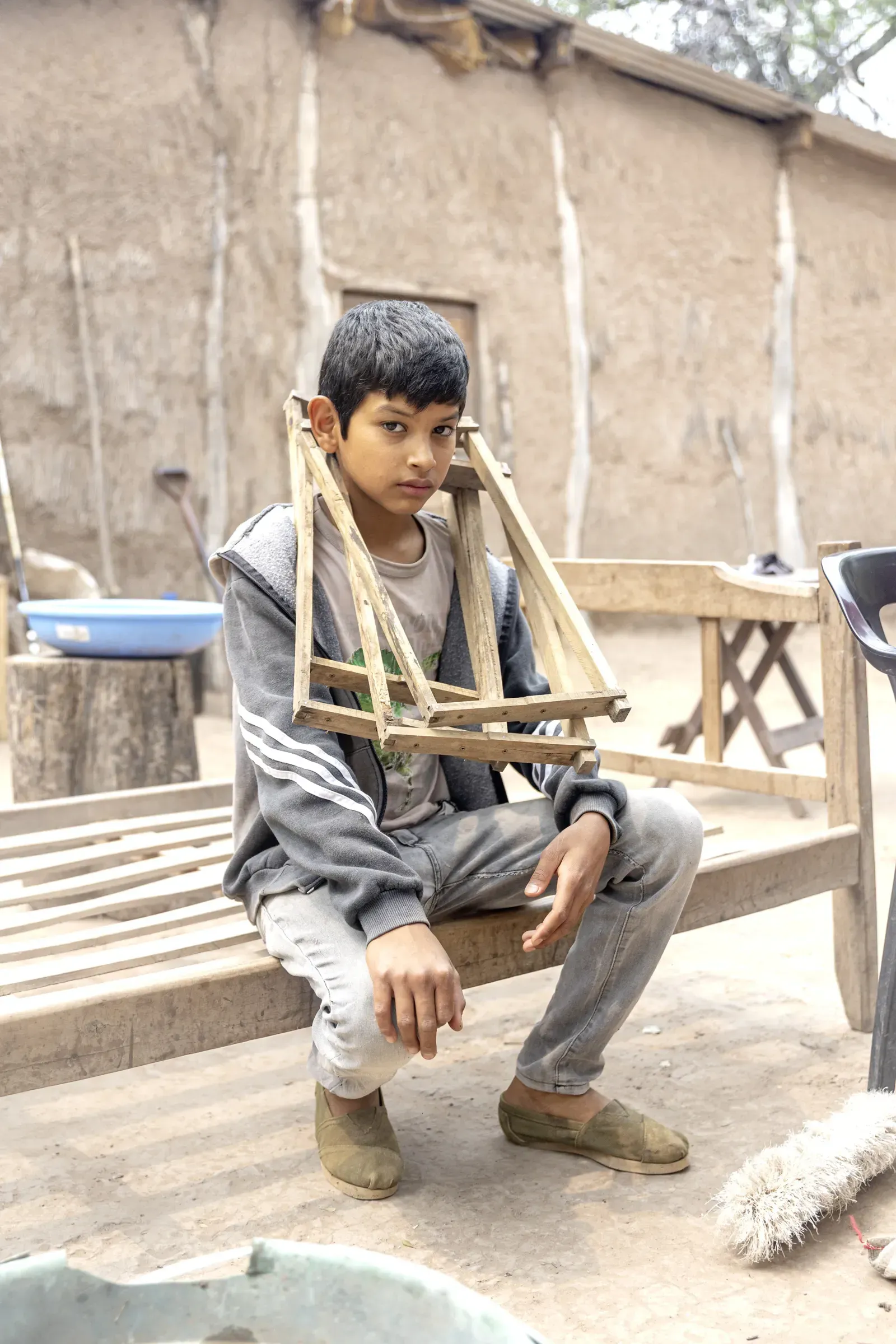
Sixty percent of the American Chaco is located in Argentine territory. In the deep "Impenetrable"—a name inspired by the characteristics of the forest—many young families of the original Qom and Wichi communities, as well as Creoles, have found in beekeeping and in their native forest a profession that dignifies their lives and takes care of the ecosystem. They have managed to generate a large amount of organic honey, granting them a level of sovereignty that provides social and economic mobility.
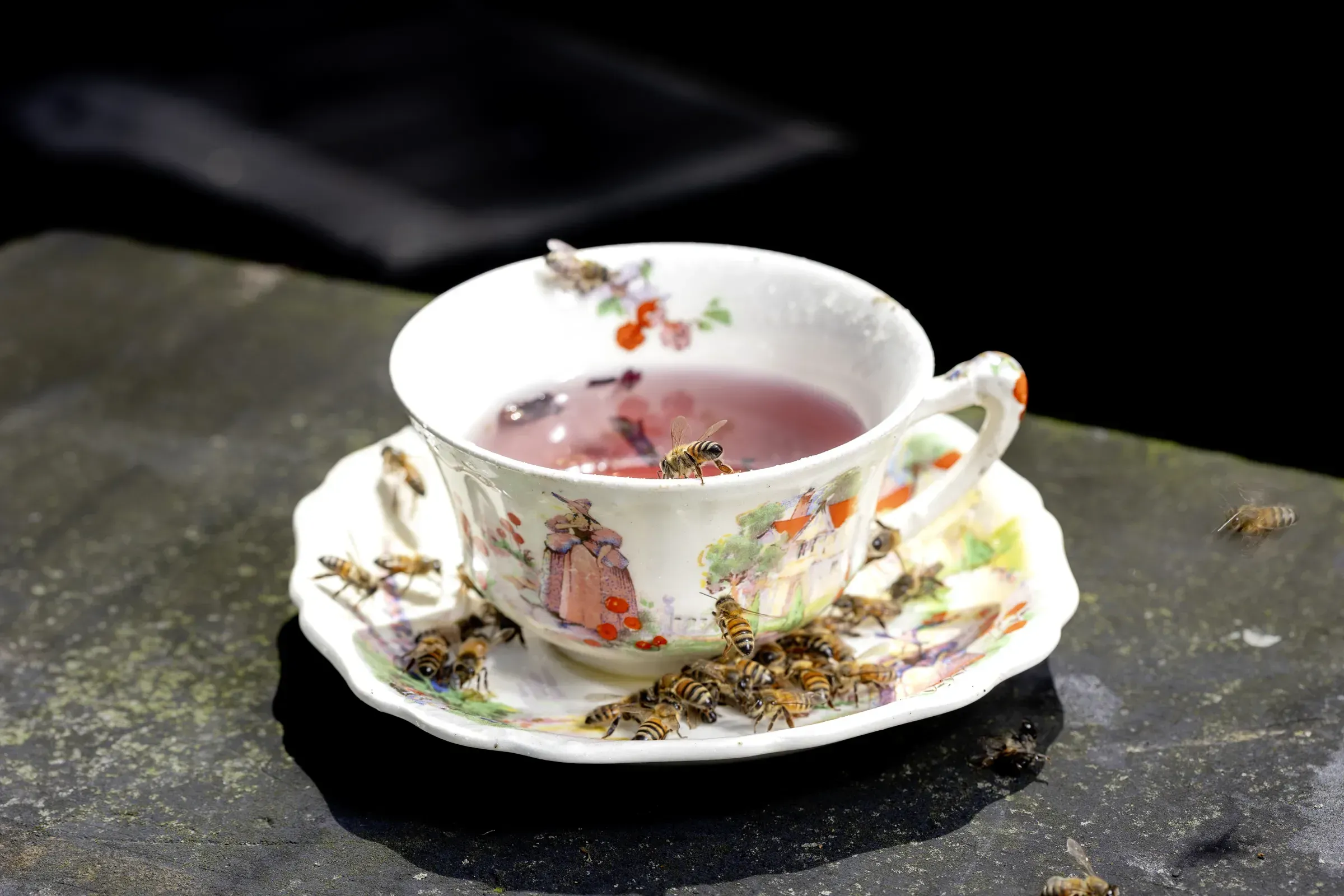
Pollinators are key to our lives and are on the verge of extinction worldwide. One of the reasons for this is the agro-exporting economic model that changes the soil matrix, degrading forests, woodlands, and jungles, and leading to their disappearance, as well as that of the 20 thousand species of bees that inhabit them.
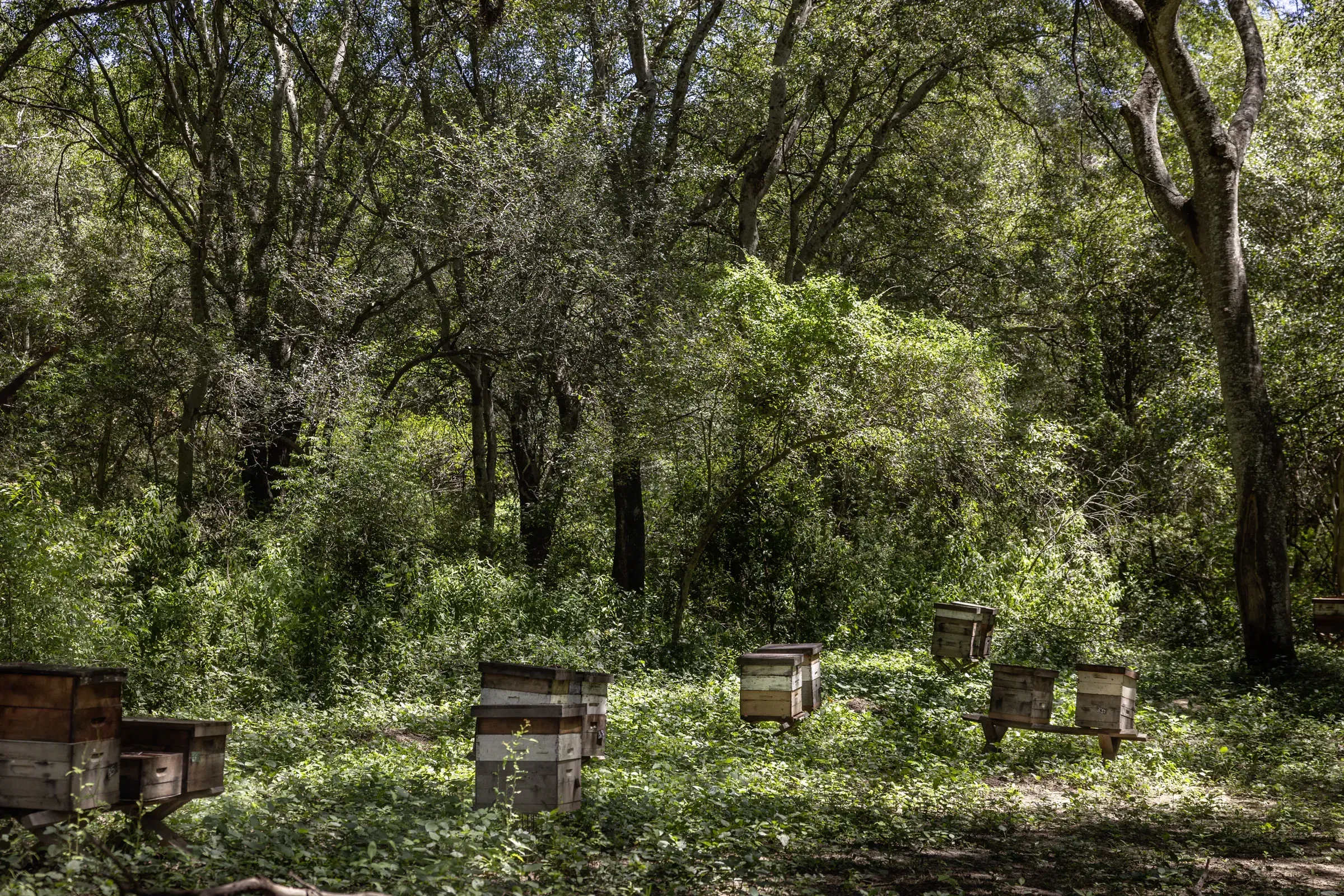
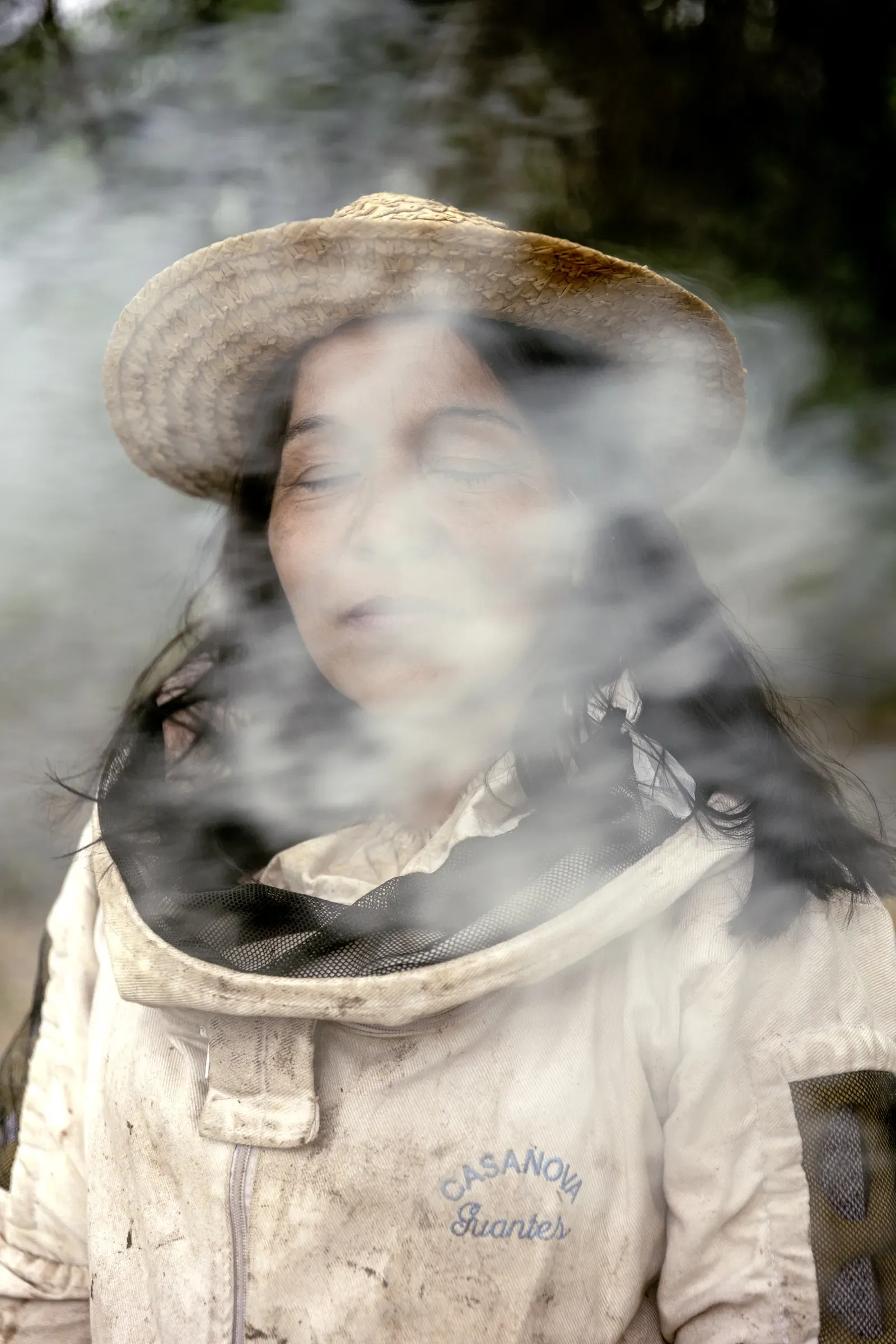
The beekeeping communities of Chaco, poetically, are in resistance. "Where there is an apiary, there is no deforestation," says beekeeper Luchy Romero, from deep in the native forest.
Currently, the Argentine Chaco is in a forest emergency, being one of the most deforested ecosystems in the world. There, beekeeping is a growing economy that not only protects the forest, but also challenges extractivist models.
As a nonprofit journalism organization, we depend on your support to fund coverage of Indigenous issues and communities. Donate any amount today to become a Pulitzer Center Champion and receive exclusive benefits!
La miel como resistencia poética
¿Qué tanto sabemos sobre las abejas? ¿Y sobre la miel? Argentina es el tercer país exportador de miel en el mundo. La mayoría de las personas no lo sabe y una de las razones es porque el dulce de leche le saca ventajas.
El 60 % del Chaco Americano es parte de territorio Argentino. En el profundo «Impenetrable» —nombre que encuentra su razón por las características del monte—muchas familias jóvenes de comunidades originarias Qom y Wichi, así como criollos, encontraron en la apicultura y en su monte nativo un oficio que dignifica sus vidas y cuida el ecosistema. Es así como han logrado generar una gran cantidad de miel orgánica que les permite una movilidad social y económica desde la soberanía.
Los polinizadores son claves para nuestras vidas y se encuentran en extinción a nivel mundial. Una de las razones son los modelos económicos agroexportadores que cambian la matriz de los suelos, degradando bosques, montes y selvas, y llevándolos a su desaparición; así como a las 20 mil especies de abejas que lo habitan.
Las comunidades apicultoras chaqueñas, poéticamente, se encuentran en la resistencia. “Donde hay un apiario no hay desmonte”, dice el apicultor Luchy Romero, desde el profundo monte nativo.
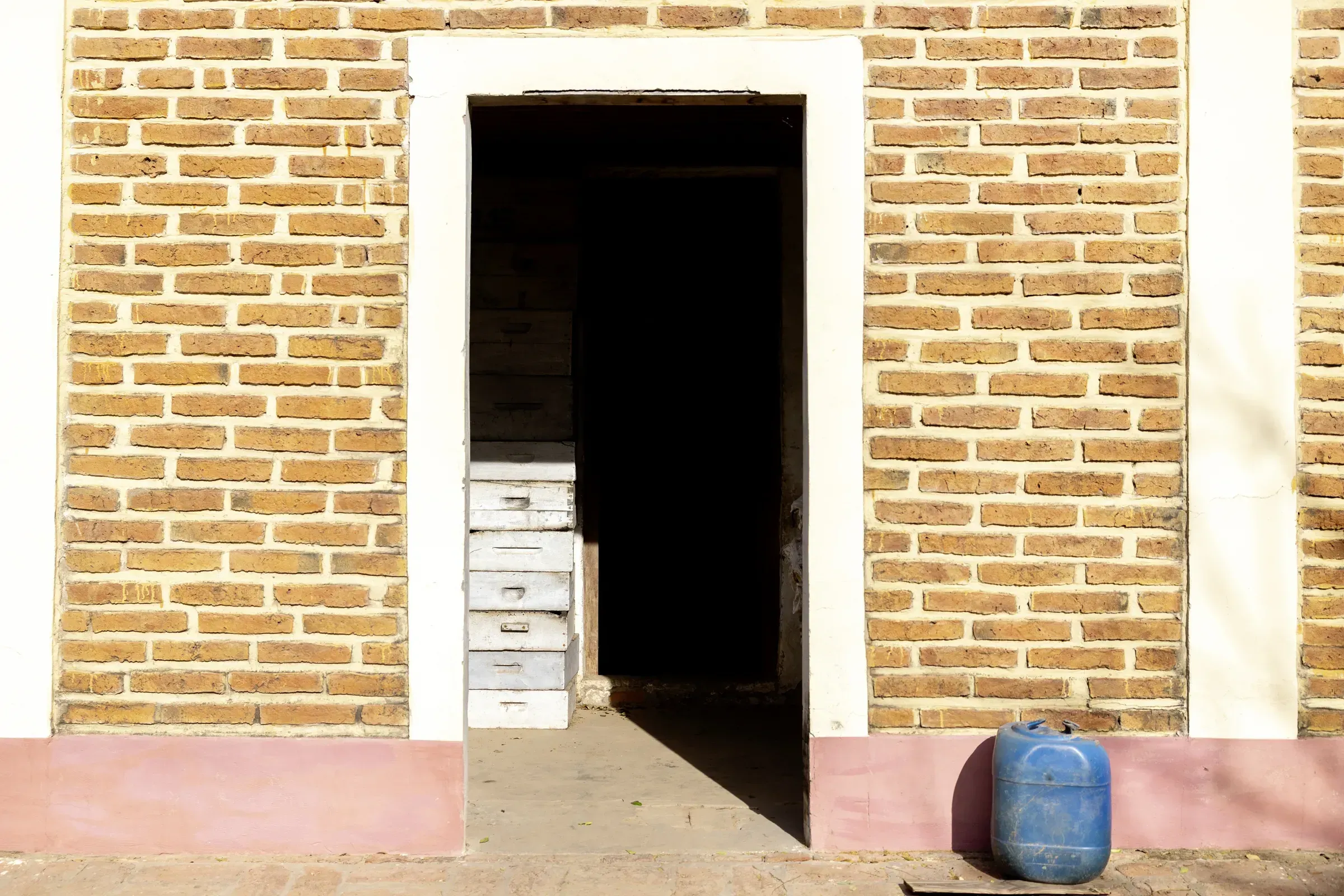

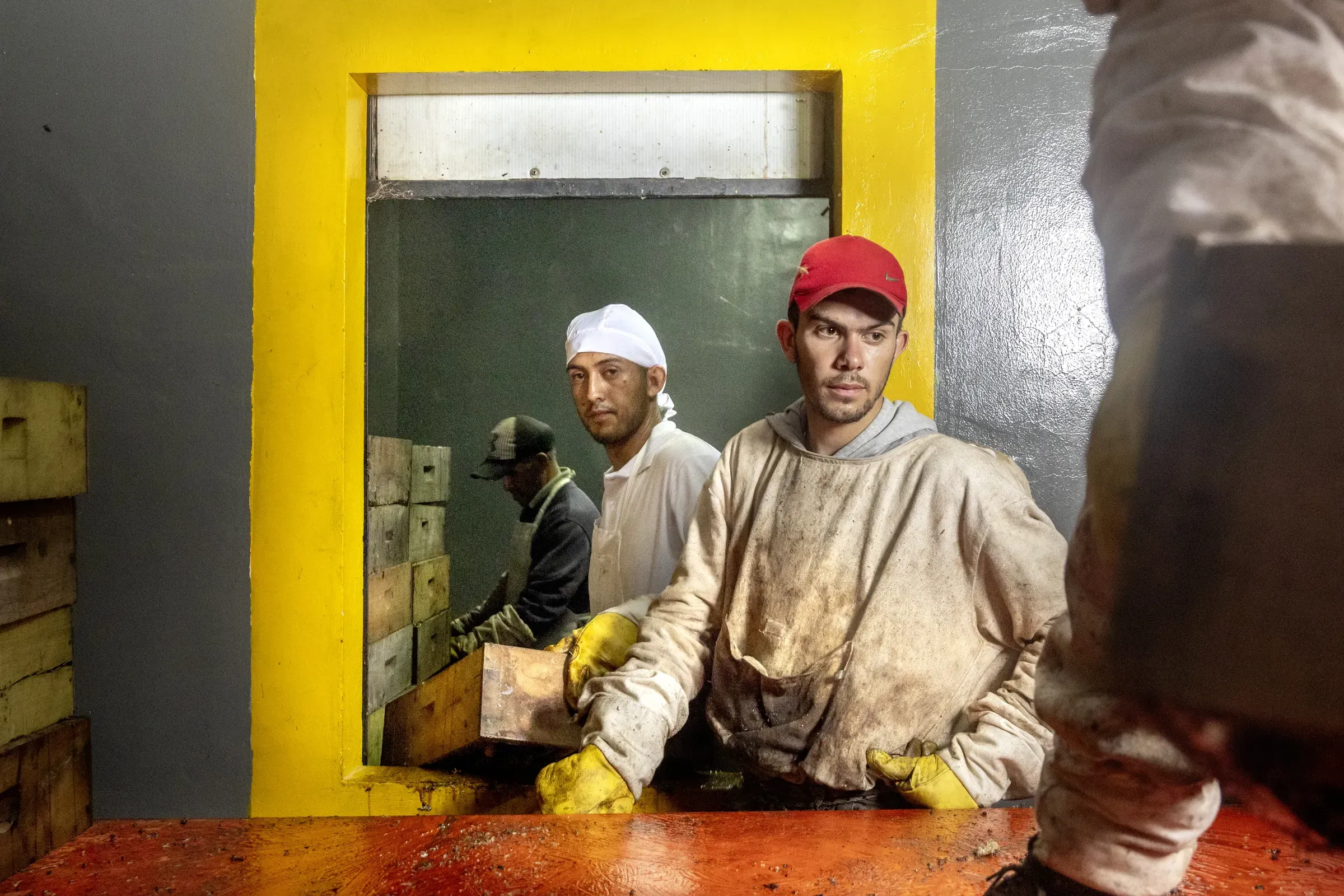

En la actualidad el Chaco Argentino se encuentra en emergencia forestal, siendo uno de los ecosistemas más desmontados del mundo. Allí la apicultura es una economía creciente que no solo protege el monte, sino que también desafía los modelos extractivistas.