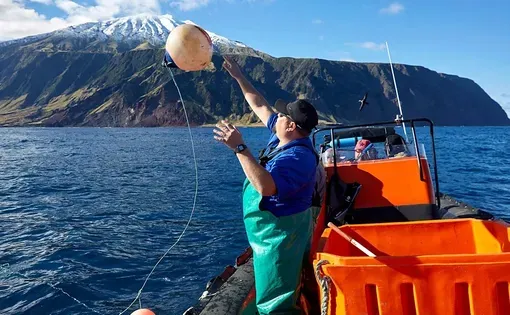


In 2020, the Governments of Tristan da Cunha established a marine protection zone (MPZ) around their islands—which form the most remote archipelago in the world—in the middle of the South Atlantic Ocean.
Three times the size of the U.K. and the largest no-take zone in the Atlantic, the MPZ protects a biota of global significance—two of Tristan da Cunha’s sister islands, Gough and Inaccessible, are UNESCO World Heritage sites and the island group is home to tens of millions of seabirds, seals, whales, and other marine life, many of them endemic species that are found nowhere else.
In the past, Tristan’s inhabitants relied on the hunting of seals, fish, and seabirds for their meat, oil, and hides to survive. And, on Tristan da Cunha, the natural terrain was drastically transformed to create pastures for cattle and sheep.
More recently, however, the island community has undergone a dramatic change. They now help lead a massive effort to preserve the environment in which they live.
The project Remote Guardians of the South Atlantic explores both the history of human-wildlife conflict on the Tristan island group, the community’s radical shift to environmental stewardship, their current conservation efforts, and what, if anything, has changed since the MPZ was introduced three years ago.
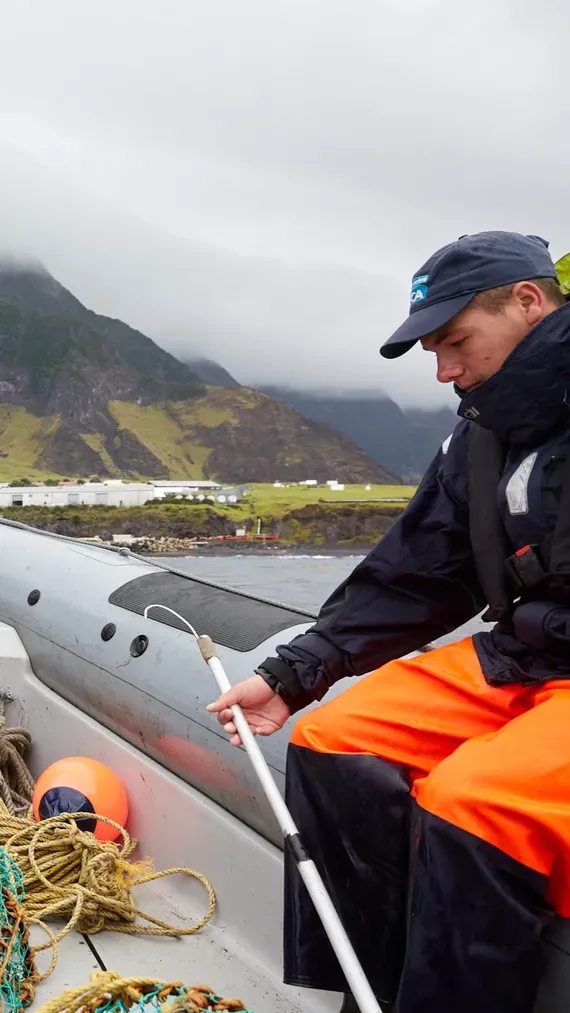
The project also looks at how the island balances conservation and economic survival, specifically the community’s reliance on the commercial rock lobster fishing it allows within its waters, and the island’s dependence on the fishing company for their electricity, employment, and medevacs.