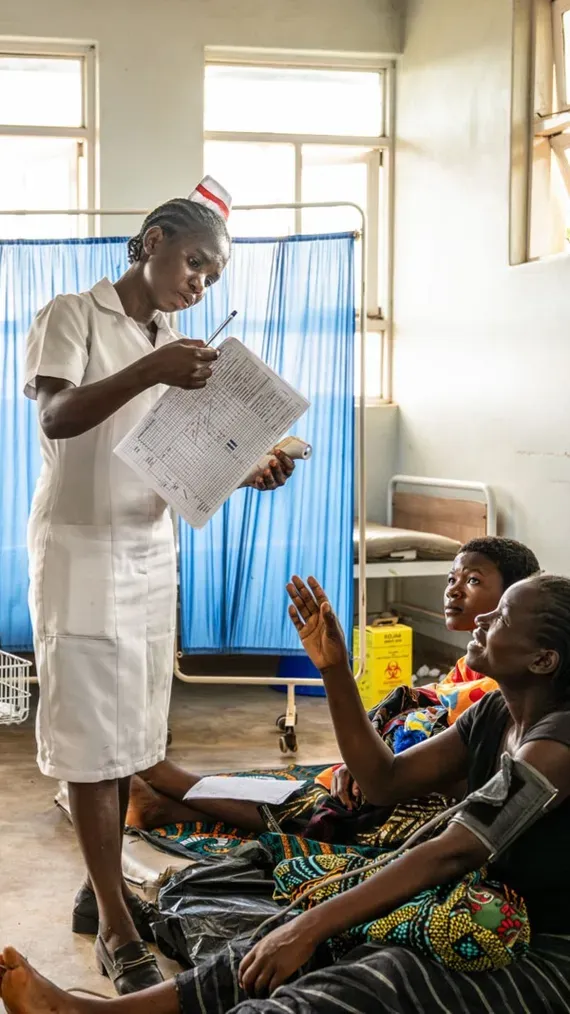


The Trump administration’s sudden dismantling of the U.S. Agency for International Development (USAID) in 2025 caused an earthquake in the world of global health, throwing into disarray programs to combat HIV/AIDS, malaria, tuberculosis, and to provide nutrition, vaccination, and reproductive services. Many other wealthy countries have cut back on their assistance as well. Major international organizations like WHO have had to downsize and reorganize.
Now, the affected countries and the global health community are searching for a way forward. There’s plenty of talk about a new “architecture of global health”—one that is less guided by the West, and less dependent on the whims of donors—but nobody quite knows what that will look like.
Still, countries have committed to taking more ownership and spending more of their own resources on health. African countries have agreed on the “Accra Reset,” a plan to become less dependent on foreign aid, starting with global health. Some want to get local industries more involved. New philanthropies are also stepping in.
Journalists Catherine Offord, Jon Cohen, and Martin Enserink explore this radically changed, challenging landscape in a series of stories in Science magazine.