
Project
Global Health Under Construction
After the end of USAID, the global health community is searching for a way forward.

After the shocks of 2025, Malawi is rethinking its relationship to foreign aid—and trying to protect dramatic gains in maternal health
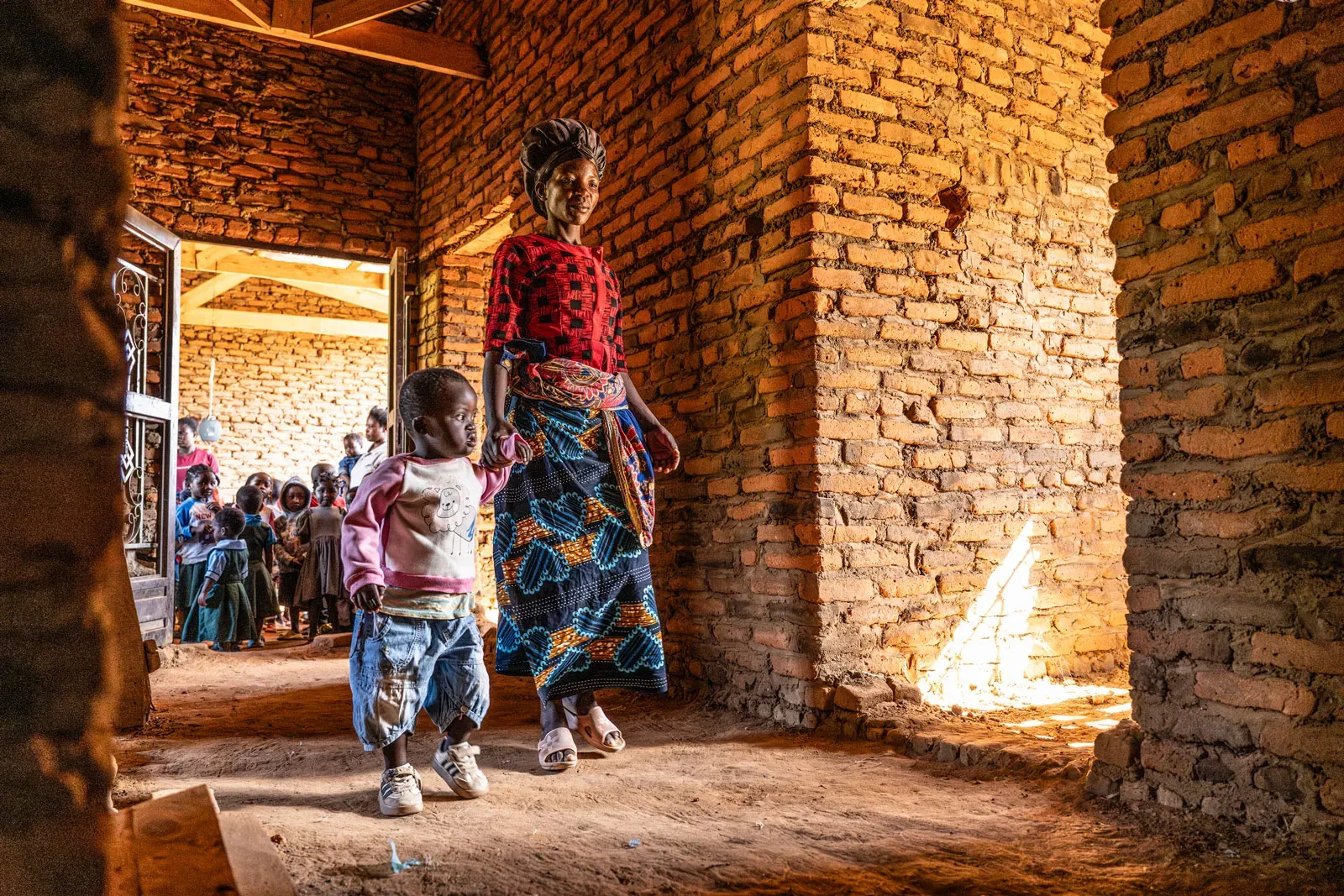
It’s a quiet Monday morning as community health worker Fanizo Simenti arrives at the makeshift clinic in the village of Katenje, in central Malawi. The small, unfinished brick building stands in a clearing, its corrugated iron roof contrasting with the thatch on the surrounding houses. The four small patient rooms are unfurnished, except for a wooden bedframe in one reserved for expectant mothers. “We are looking at cement so we can have a good floor, and plastering,” Simenti says, gesturing at the uncovered ground and walls. “If we could have a better bed, and a mattress, that would be good.”
Simenti hopes this health post can address the village’s long-standing need for accessible medical care, particularly for pregnant women. He had been providing basic services such as prenatal counseling and childhood immunizations under the shade of a tree, but for births and other needs, many mothers travel more than 20 kilometers to Khola Health Centre, the nearest government-run facility—an unbearable walk in intense heat or heavy rains, and expensive to reach via motorbike- or bicycle-taxi.
A couple of years ago, Simenti proposed the community build its own facility. It would provide patients shelter and privacy, and with government support, it could even be upgraded to an official center, like Khola, with equipment and approval to provide birth assistance and other services. Gift Banda, a local farmer and businessperson, tells Science he was moved to contribute by seeing how people suffered trying to reach Khola. The community decided, “Let’s do our own clinic here,” he says.

As a nonprofit journalism organization, we depend on your support to fund more than 170 reporting projects every year on critical global and local issues. Donate any amount today to become a Pulitzer Center Champion and receive exclusive benefits!
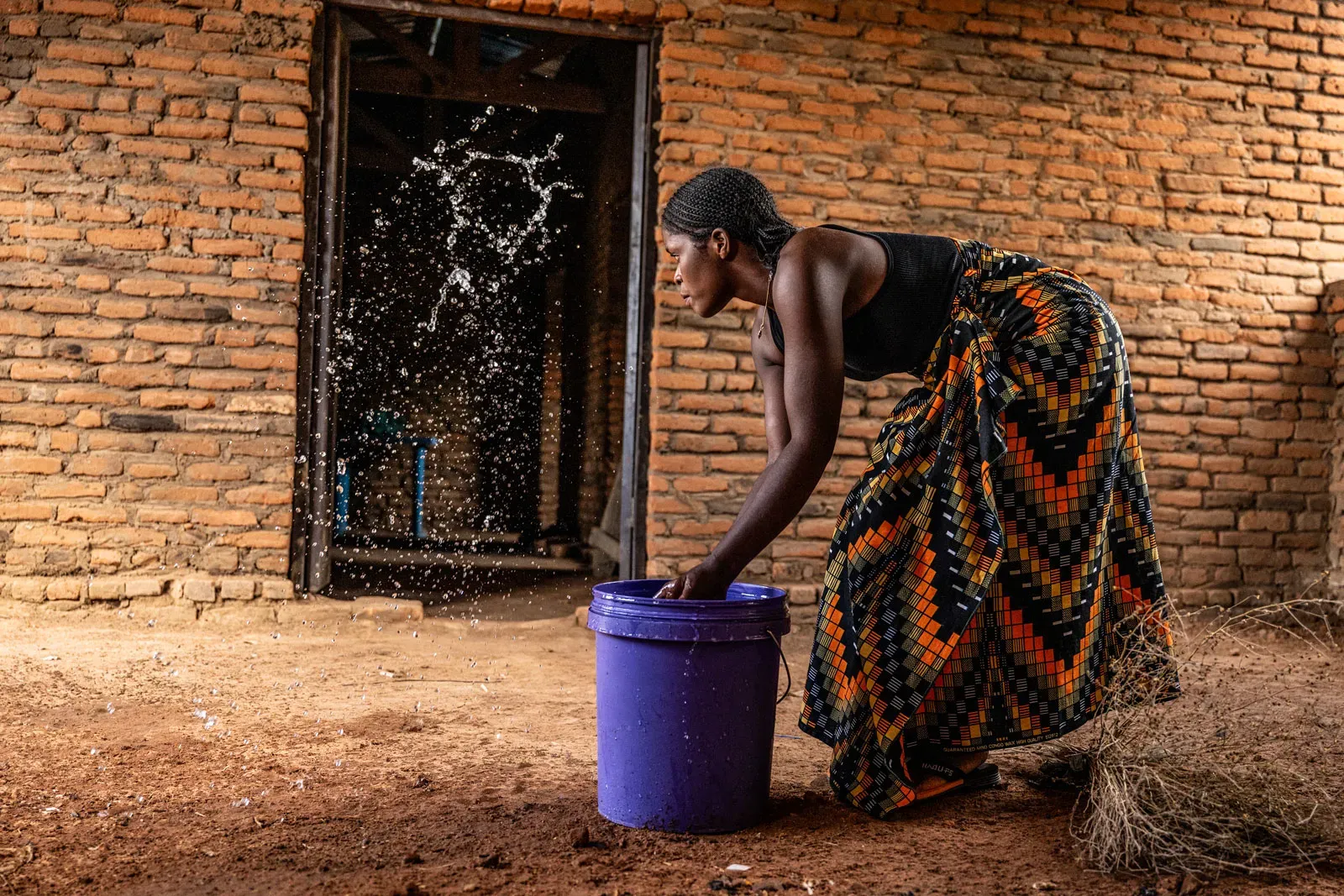
Simenti estimates they’ve since raised about 20 million Malawi kwacha, about $12,000, including from local leaders, tradespeople, and a politician. And although the building is far from finished, he already takes care of some people within its walls. One local mother, Magret Banda (who is not related to Gift Banda), comes here for family planning and other services with her 3-year-old daughter, and says she now makes fewer trips to Khola. She also helps clean the floor in the building so other women and children don’t cough on the dust.
Such grassroots efforts have taken on new significance since early 2025, when the U.S. government abruptly withdrew most foreign aid and dismantled the U.S. Agency for International Development (USAID), a major backer of maternal outreach clinics and other health services across Malawi. Economists estimated the country could lose more than $170 million that year, with U.S. support for sexual and reproductive health all but wiped out. Separate cuts by other foreign donors, as well as worsening fuel shortages and rampant inflation, are now further squeezing the country’s health system.
Projects such as Simenti’s may be one way for Malawi to lessen the impact of these cuts and bring public health services closer to the people that need them. One official in Kasungu district, where Katenje is located, says staff have started to encourage other villages to emulate the approach, and Simenti says he’s been asked for advice by health workers who “want to have a similar achievement.” But the initiative also reveals the limits of this kind of local solution. The rising cost of living, worsened by the fall in foreign funding, has made it harder for people to chip in. “We depend on [donations] from people” in the community, Simenti says. “We don’t force them.”
Malawi’s broader health system now faces similar uncertainty. The aid reductions highlight a need for more reliable funding, government officials say. But new policies to generate that money—for example through new taxes—and to improve how the health system uses it could take years to bear fruit. Like other sub-Saharan countries reckoning with the seismic shift in foreign assistance, Malawi stands at a crossroads, says Dan Banik, a political scientist at the University of Oslo who has studied the role of aid in the region. It may be a chance for the country to “reset” its health sector into something more resilient, he says, but it’s unclear how far these efforts can go—and what happens to health workers and patients during the transition.
THE CUTS OF 2025 highlighted a deep vulnerability in Malawi’s health system. External donors have for years accounted for well over half of the country’s health spending—among the highest share of any low-income country in the world—and up to 90% in sectors such as sexual and reproductive health. Although Malawi’s government pays the salaries of community health workers like Simenti, donors have contributed to their training as well as drugs and equipment, outreach clinics, and support with health financing and management.
That assistance, much of it channeled through nongovernmental organizations (NGOs) and international agencies, has been instrumental in improving the health of Malawi’s mothers and children, says Jeevan Sharma, a development anthropologist at the University of Edinburgh. The maternal mortality ratio, for example, fell from somewhere between 750 and well over 1000 deaths per 100,000 live births in the 1990s to an estimated 224 in 2024—well below the average for sub-Saharan Africa (see graphic, below). But the underlying challenges persist. The rate of teenage pregnancy, which increases risks for both mother and baby, is among the highest worldwide. Poor roads, bad weather, fuel shortages, and cash-strapped facilities can hinder medical access for the 80% of Malawians who live in rural areas. Treatable infections, blood pressure disorders, and postpartum bleeding remain major killers on the country’s maternity wards.
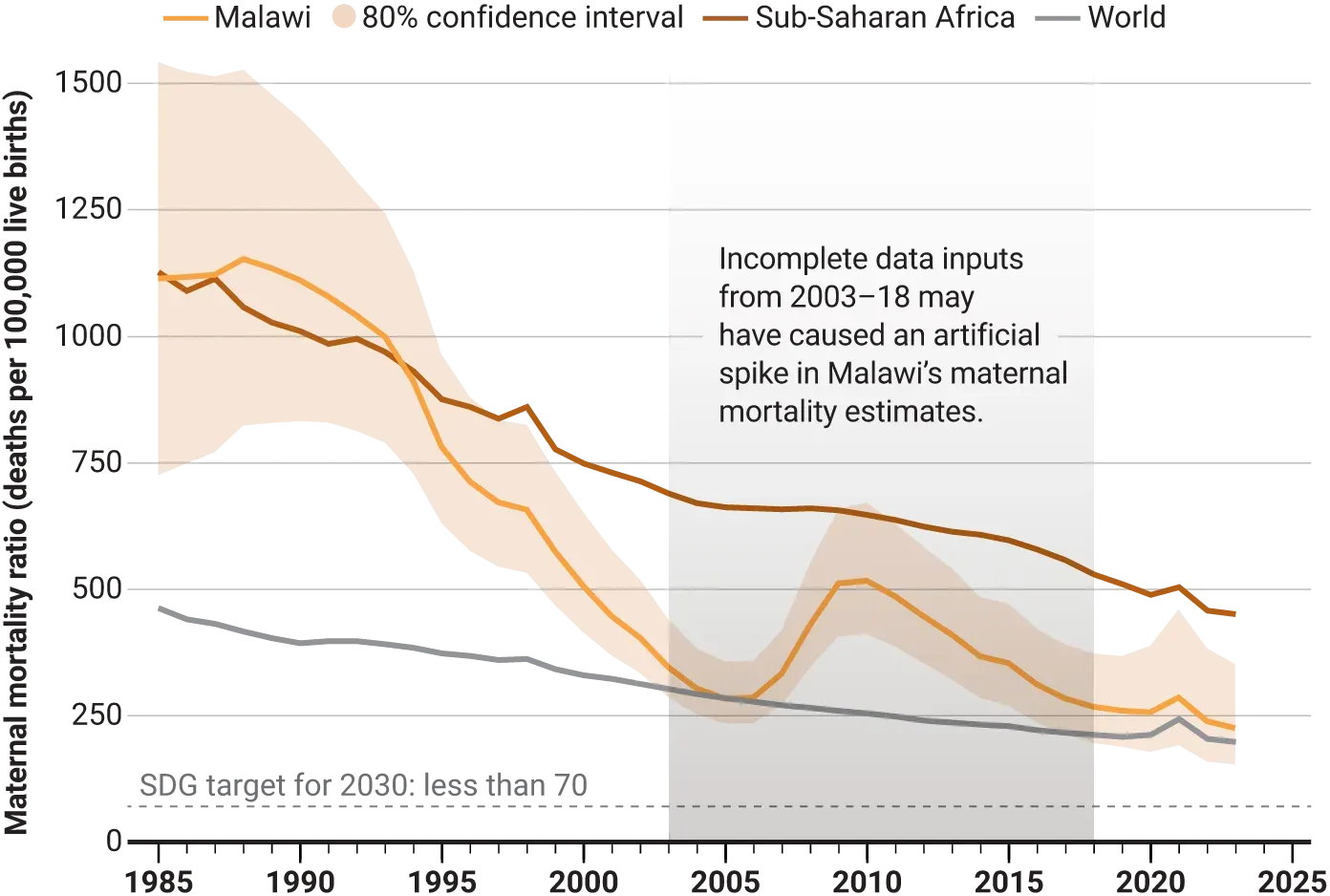
The absence of high-quality data makes estimating maternal mortality notoriously difficult, but modeling by the World Health Organization and partners suggests a dramatic decline in Malawi since the 1990s—although there’s still a long way to go to reach the United Nations’s 2030 Sustainable Development Goal (SDG) target of less than 70 deaths per 100,000 live births.
(GRAPHIC) V. PENNEY/SCIENCE
; (DATA) TRENDS IN MATERNAL MORTALITY 2000 TO 2023, WORLD HEALTH ORGANIZATION (2025)
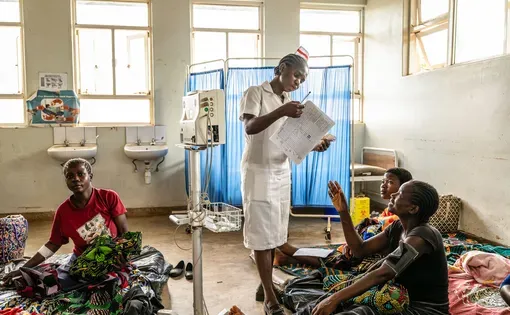
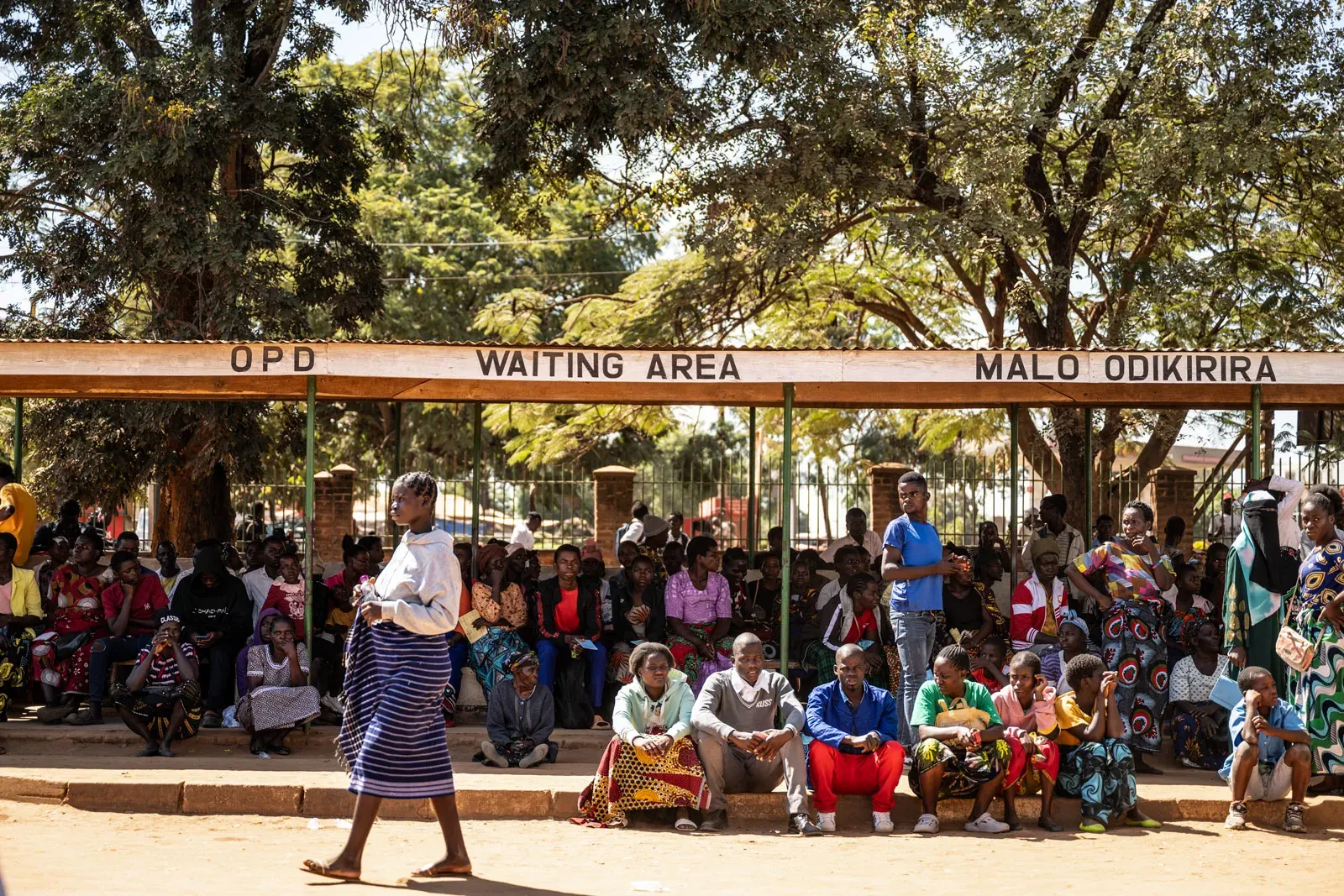
The strain is visible at secondary health facilities such as Kasungu District Hospital (KDH), a complex of low buildings in the district capital. On this Monday morning, lines of people stretch into the parking lot; mothers breastfeed babies on the floor as nurses steer gurneys through the crowded corridors. Pregnant women often arrive here late, not knowing when to seek help and then struggling to reach the hospital. Once here, they face further delays, says Emmanuel Golombe, Kasungu’s director of health and sanitation services: He’s seen emergency cesarean sections held up because the hospital’s only operating theater was occupied by nonmaternity patients. “The mother has to wait,” he says. “Sometimes it brings complications—maybe a ruptured uterus, maybe fetal death.”
Last year’s cuts hit donor-funded programs that had reduced pressure on the hospital and the rural communities it serves. Among them was MOMENTUM, an $80 million USAID program that procured equipment, supported health worker training, and funded visits for hospital staff to remote communities to provide family planning, prenatal counseling, and many other services. Amref Health Africa, an international NGO that received $28 million of the funds, estimates it supported more than 1500 clinics across the five districts it worked in, reaching more than half a million people before MOMENTUM was axed. Cuts from other countries stand to make matters worse. The United Kingdom’s plans to slash aid funding by 40%, for example, threaten major initiatives in reproductive health. Golombe and others say they’re waiting to learn exactly what the cuts will mean for their facilities; one U.K. government assessment has predicted it will deprive 250,000 Malawians of access to family planning.
The disruption has prompted fears Malawi could lose hard-earned gains, and groups such as the National Organization of Nurses and Midwives of Malawi have warned of a possible rise in maternal mortality. But it’s also sparked calls for change. “We have been relying so much on partners … that when the partners fold their hands, immediately our health care system is on its knees,” says Donald Makwakwa, executive director of the Family Planning Association of Malawi. His organization had already lost USAID funding in 2017, when President Donald Trump’s first administration blocked support for organizations that provided or advocated for abortion care, and was hit again in 2025. “What is currently happening should not be looked at from a negative point of view only,” Makwakwa says. “It’s a launchpad to think differently in terms of how, as a country, to finance our health care.”
IN LILONGWE, MALAWI’S sprawling capital, officials scrambled to respond to USAID’s withdrawal. “No one expected it,” says Andrew Likaka, who became chief of health services at the Ministry of Health after a new Malawian government came to power late last year. “We quickly sat down to reprogram how to work without the [lost] donors, without the NGOs.”
In the short term, much of that money still needs to come from foreign countries and philanthropists, officials say. But they’d like to change how it enters Malawi’s health system. Donors have tended to channel funds through NGOs and international agencies, bypassing Malawi’s government, because of concerns about corruption and mismanagement. Likaka and others argue this approach has led to duplication of health efforts, poor coordination with government priorities, and unnecessary spending on high salaries and other overheads. Direct payments would avoid these problems and help make Malawi more independent in the long run, they say.
Many global health experts back the idea. “Provision of financial support to the Malawian government directly … would substantially reduce costs, and … enable the government to develop its own capacities, making it more resilient to future aid shocks,” says Katherine Klemperer, a policy analyst at the Center for Global Development.
The most substantial direct agreement so far was signed with the United States earlier this year. Under the memorandum of understanding, the U.S. government will provide $792 million to the health sector over the next 5 years, while Malawi has pledged to increase its own health spending by $143 million. (More than 30 other countries have signed similar memoranda, for an estimated total of about $14 billion in U.S. funding.) Details of the agreement remain tightly guarded, despite calls for transparency from local organizations; U.S. deals with neighboring countries have been sharply criticized for clauses permitting U.S. access to minerals and health data. But Likaka insists Malawi’s own agreement protects citizens’ interests and confidentiality. “We did the best for the country,” he says. “We agreed in the interest of the nation.”
Malawi is also accelerating plans drawn up by previous governments to raise and better manage money within the country’s borders. The government has already increased certain taxes on income, goods, and services, and introduced electronic tax reporting systems to improve collection. The Parliamentary Committee on Health is pushing for additional “sin taxes” on products such as alcohol, and toll booths on roads. Proceeds should go into a special “national health fund” that would ensure they don’t get siphoned off to other sectors, says the committee’s chair, Anthony Masamba.
Plans to give health facilities more autonomy to generate and manage their own funds are underway, too. For example, district hospitals like KDH have been told to open new paying wards that offer patients more space and privacy while subsidizing care for others. Primary health centers are starting to receive direct funding from the government, bypassing delays and bureaucracy at the district level and helping centers buy what they need when they need it. Likaka wants to see a bigger role for private investors and health care providers, too.
The government’s work is already having an impact and will ultimately put Malawi’s health sector in a better position, Chikhwaza argues. “We have recollected ourselves” after last year’s disruption, he says.
Health advocates are more cautious. The health sector still receives less than 10% of the national budget, despite a decades-old commitment, shared by most African nations, to reach 15%, says George Jobe, executive director of the Malawi Health Equity Network, which represents some 200 organizations in the country and supports the government with budget analysis. Although Jobe supports many of the government’s reforms, he warns they must be implemented fairly—without taxes further squeezing struggling communities, for example, or paying wards exacerbating inequity. “The vulnerable, the poor must not be victimized,” he says. Makwakwa agrees. “It’s high time” to increase domestic funding, he says, “but those resources must be generated in a manner that does not punish the citizens.”
OUTSIDE LILONGWE, local officials and health workers say they support the government’s efforts but add that gains from such measures have so far been uneven. KDH opened a paying ward late last year, reportedly generating nearly $100,000 in its first 6 months. It hasn’t hurt care for nonpaying patients, staff insist. Instead, the additional revenue has helped pay off some of the hospital’s debts and provides a buffer during delays in government funding, they say. Golombe says the hospital recently used the revenue to buy critical drugs, including dexamethasone, which can be used to protect the lungs of premature babies, and pethidine, a painkiller used in cesarean section patients.
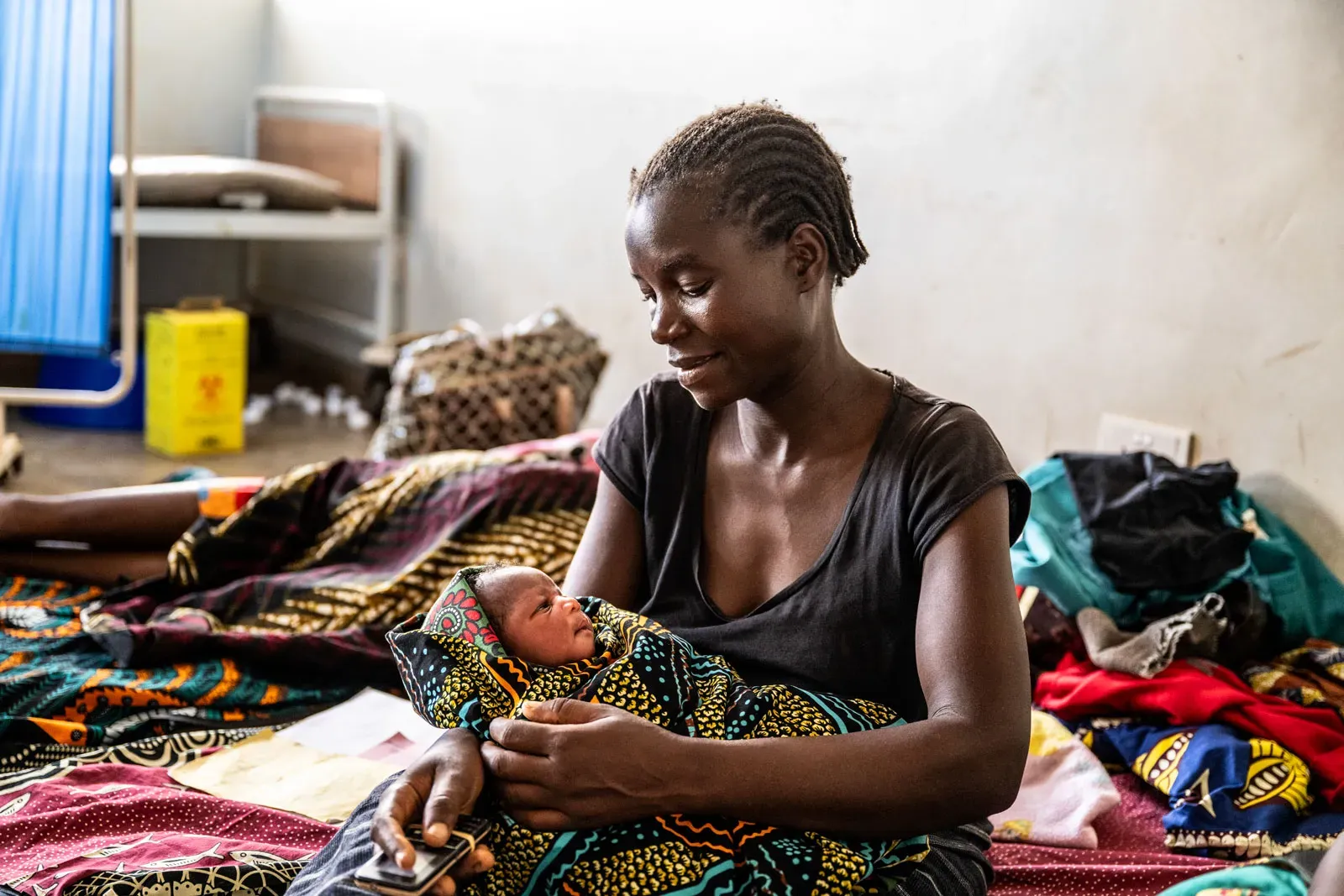
But other services have withered. Outreach clinics to remote communities have become infrequent, and mothers are paying the price, says Jaison Banda, a community health nurse and family planning coordinator at KDH. Emily Mvula, who lives in a village west of KDH, had her third child in 2025, a few months after MOMENTUM suddenly ended. She paid $9 to travel the 15 kilometers to KDH for her last prenatal appointments, a sum not every woman can afford. Now, she says she faces difficulties accessing family planning. She sometimes takes her baby daughter to a Catholic-run center, about a 2-hour walk, but it charges for some services and doesn’t offer contraception. She wishes the outreach clinics would come back.
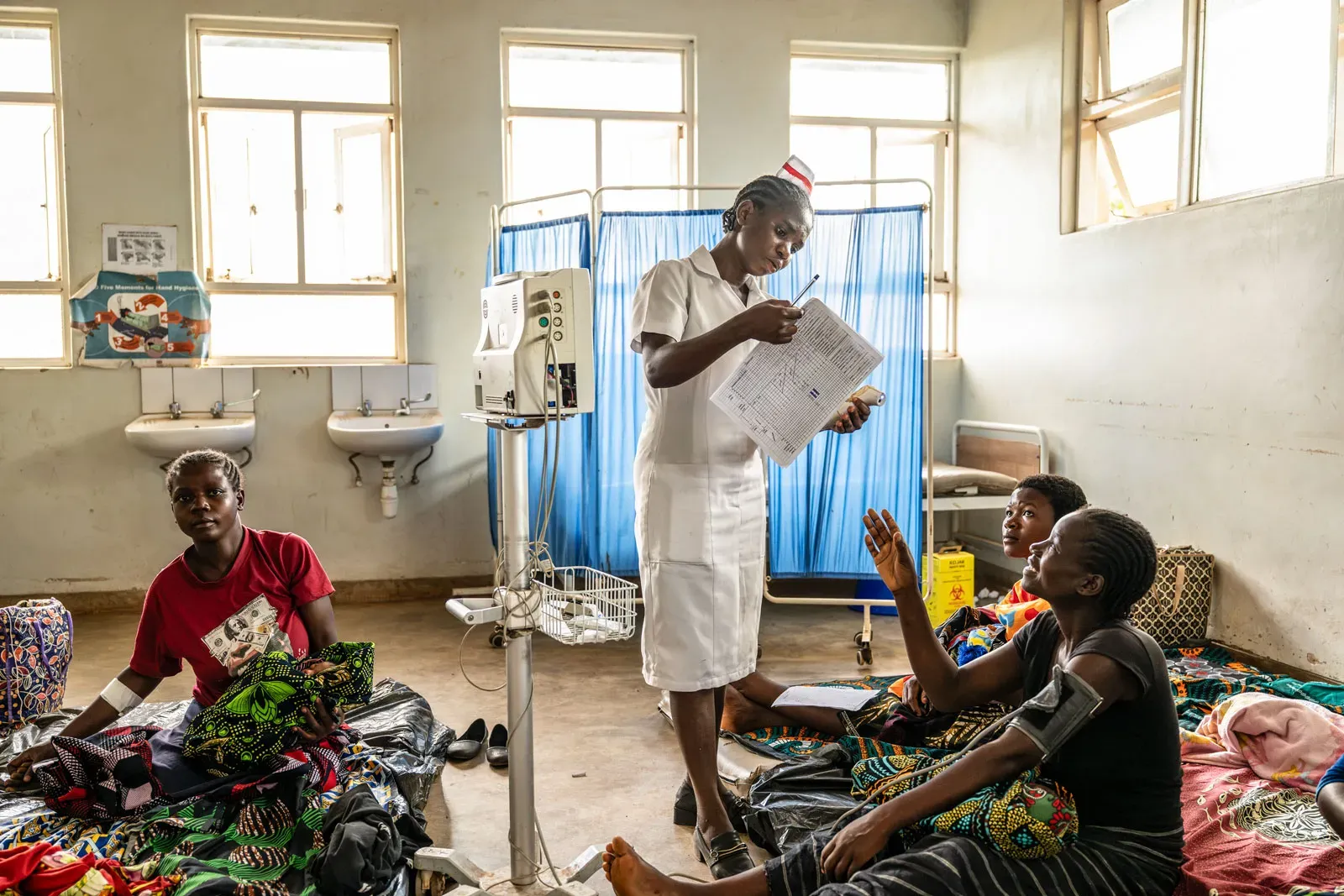
Plans to give primary health centers more autonomy have faced challenges, too. Makiyoni Health Centre, a rural facility east of Kasungu in Salima district that was also hit by MOMENTUM’s termination, now receives direct government funding, but it’s falling short of the clinic’s needs. Staff here say they requested $20,000 last year for critical improvements such as patching holes in the maternity ward’s ceiling, renovating dilapidated latrines, and replacing solar-powered lights that don’t last through the night, leaving some babies to be delivered by flashlight. They learned they’d been allocated less than $4000, and even that they couldn’t access until late June, says Issah Omar Nicks, the nursing officer overseeing the maternity ward. Work has only just commenced on the latrines, he adds.
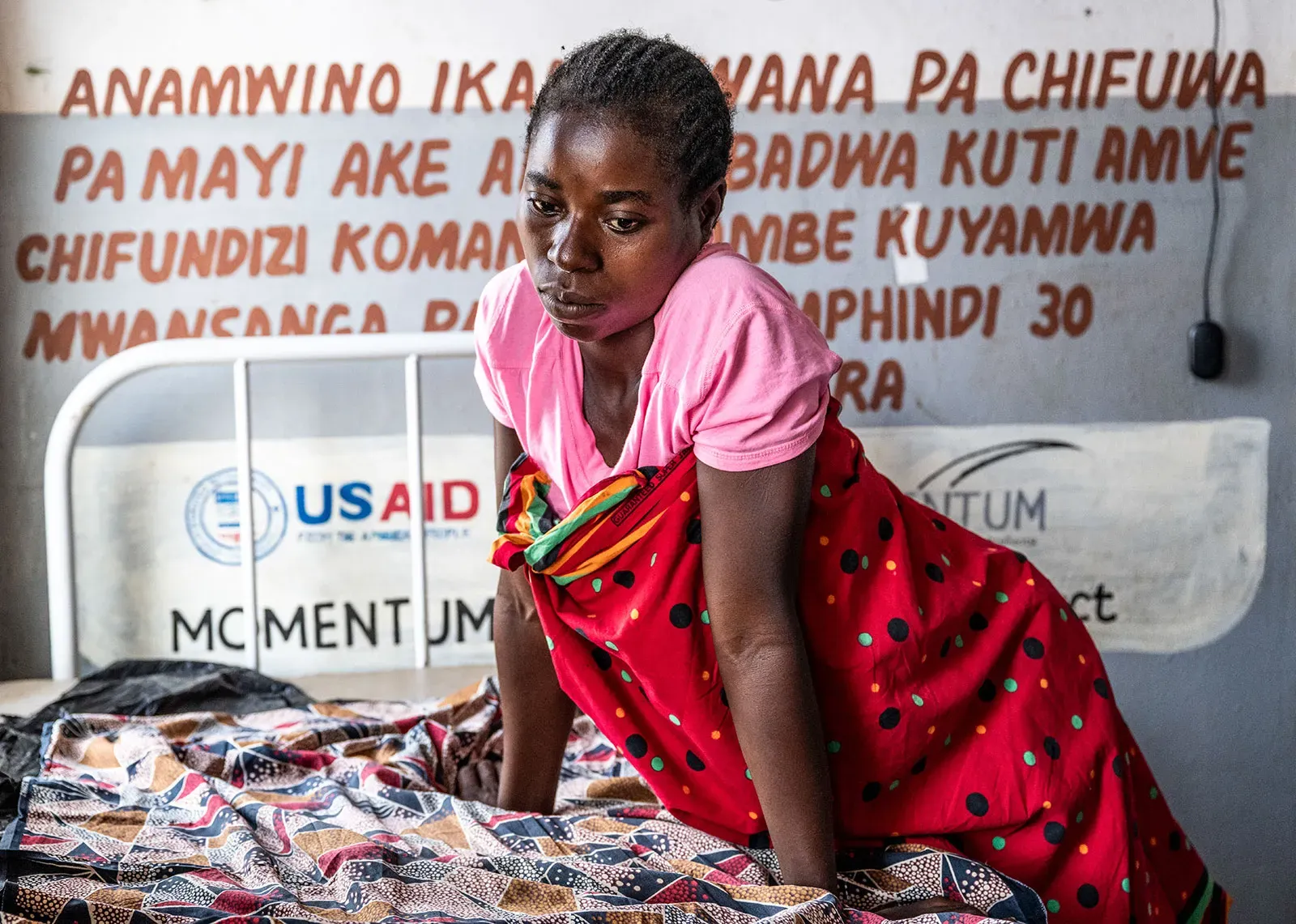
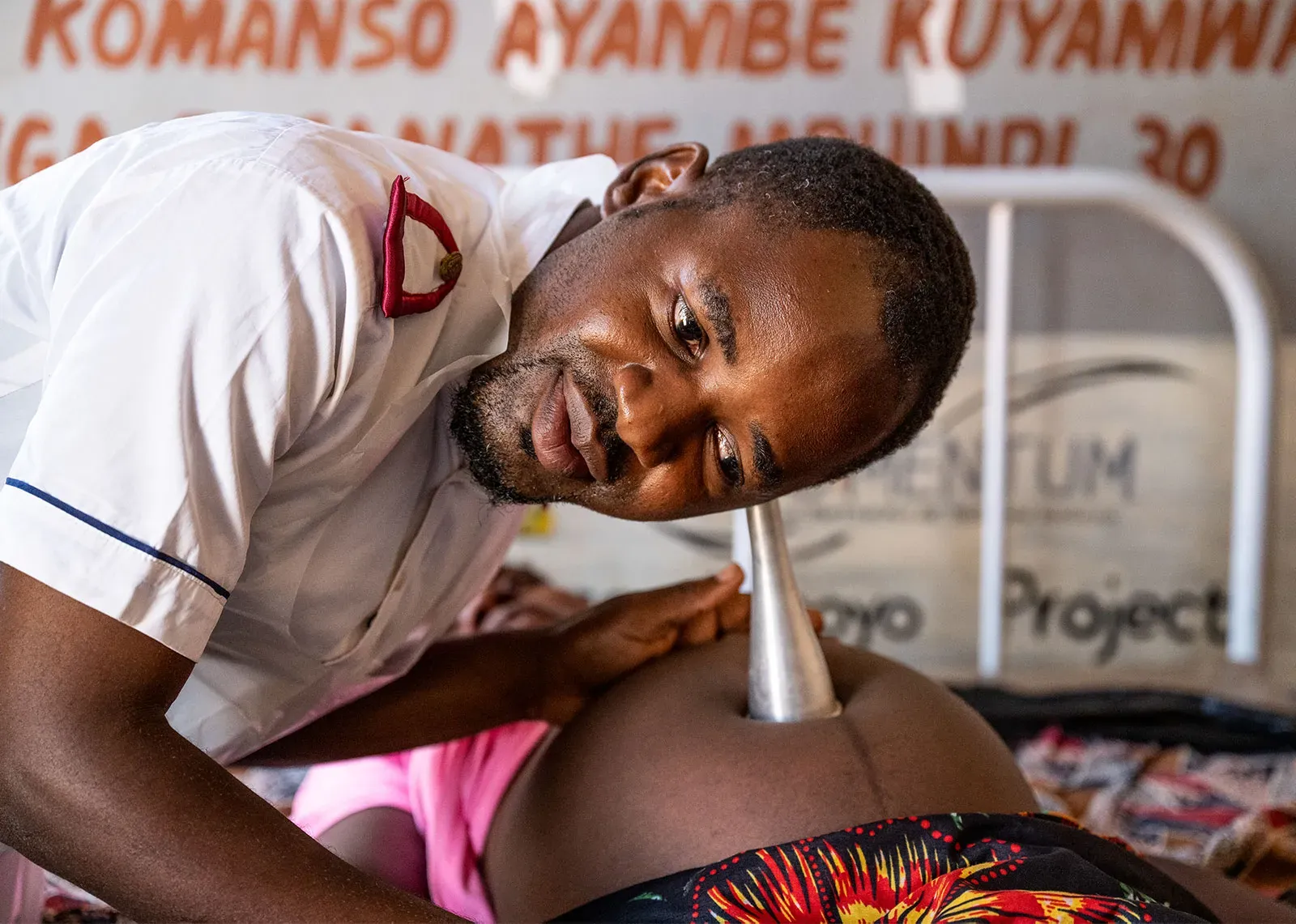
Nicks and his team have been exploring other ways to raise money in the meantime. They started a garden last year and have been growing and selling potatoes, he says. They also solicit a fee of about $0.60 for health passports—paper booklets normally issued by the Ministry of Health to log patient data—from people who can afford it. (Makiyoni isn’t the only health center to do so, officials tell Science, but the charges are controversial because the passports are important for tracking a person’s health.) Nicks estimates that in total, the ward’s initiatives have raised about $450 in the past couple years.
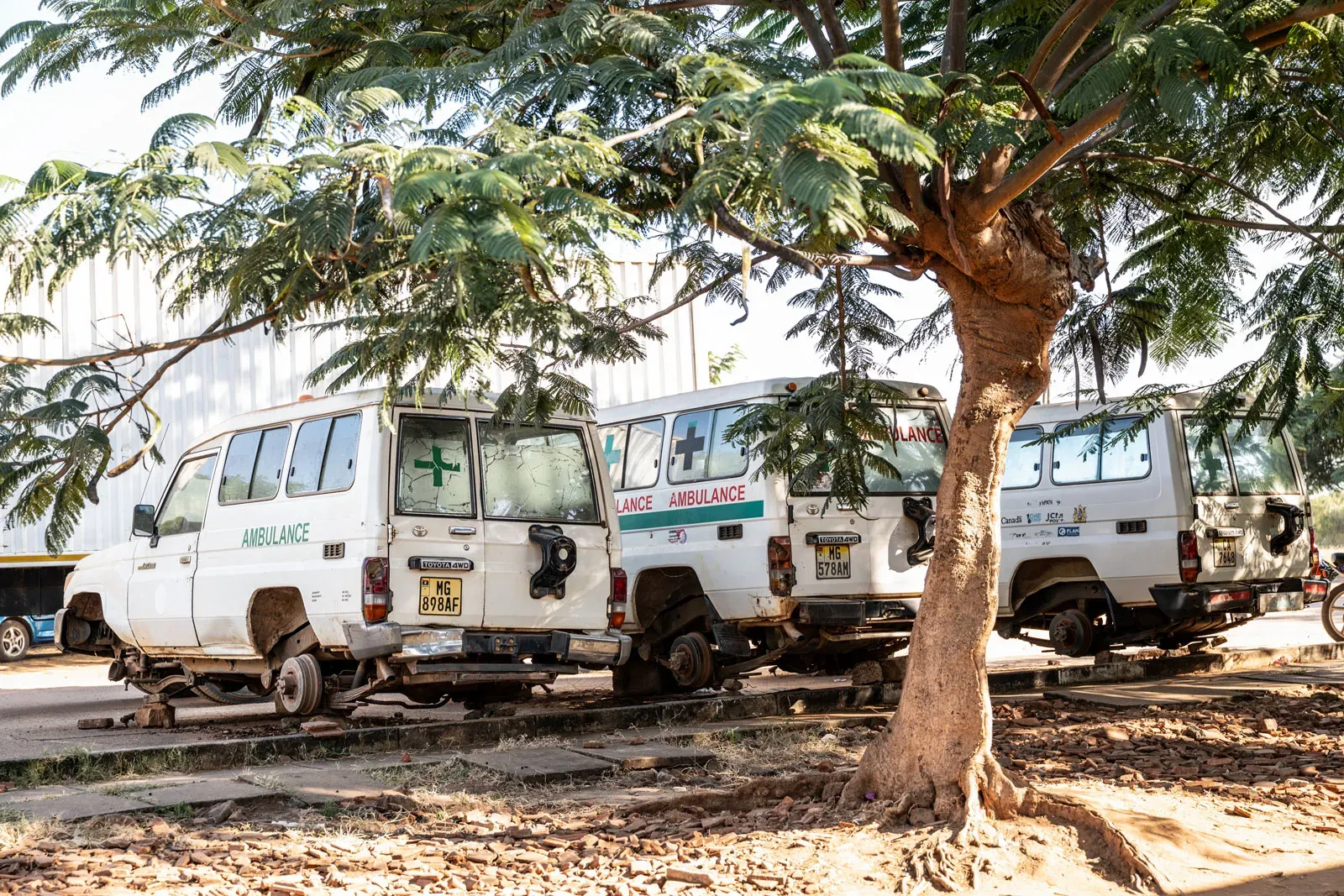
The funds have helped pay for cleaning supplies as well as medicines and stationery for record keeping. But they can’t solve some of the hardest challenges facing this and other rural facilities. Transport of patients in particular has become a daily struggle, as many district ambulances sit wheelless in parking lots for want of repairs or fuel. Nicks recounts the story of a mother they recently tried to transfer to Salima District Hospital during a difficult labor. They waited 2 hours for an ambulance, which only arrived after a local politician’s intervention. The mother was eventually transferred but neither she nor the baby survived, he says.
Staff hope help is on the way in the form of a system called m-mama. Created by the Vodafone Foundation and partners in 2013, it connects emergency calls with private vehicle owners, like a medical Uber, to get women and newborns to health facilities quickly. M-mama is already up and running in some other sub-Saharan countries; Vodafone and other donors are spending about $10 million to launch it in Malawi.
M-mama suggests one way outside support could continue: with donors helping establish services the government adopts and the private sector helps deliver. The system is designed to ultimately be “owned and operated and funded by national governments,” at a fraction of the cost of traditional ambulances, says Lee Wells, global director of m-mama for Vodafone. The launch date has been the subject of some confusion—health staff in Salima and Kasungu say they expected the service from January—but Wells says five districts should get m-mama from September, with those two districts joining the following month.
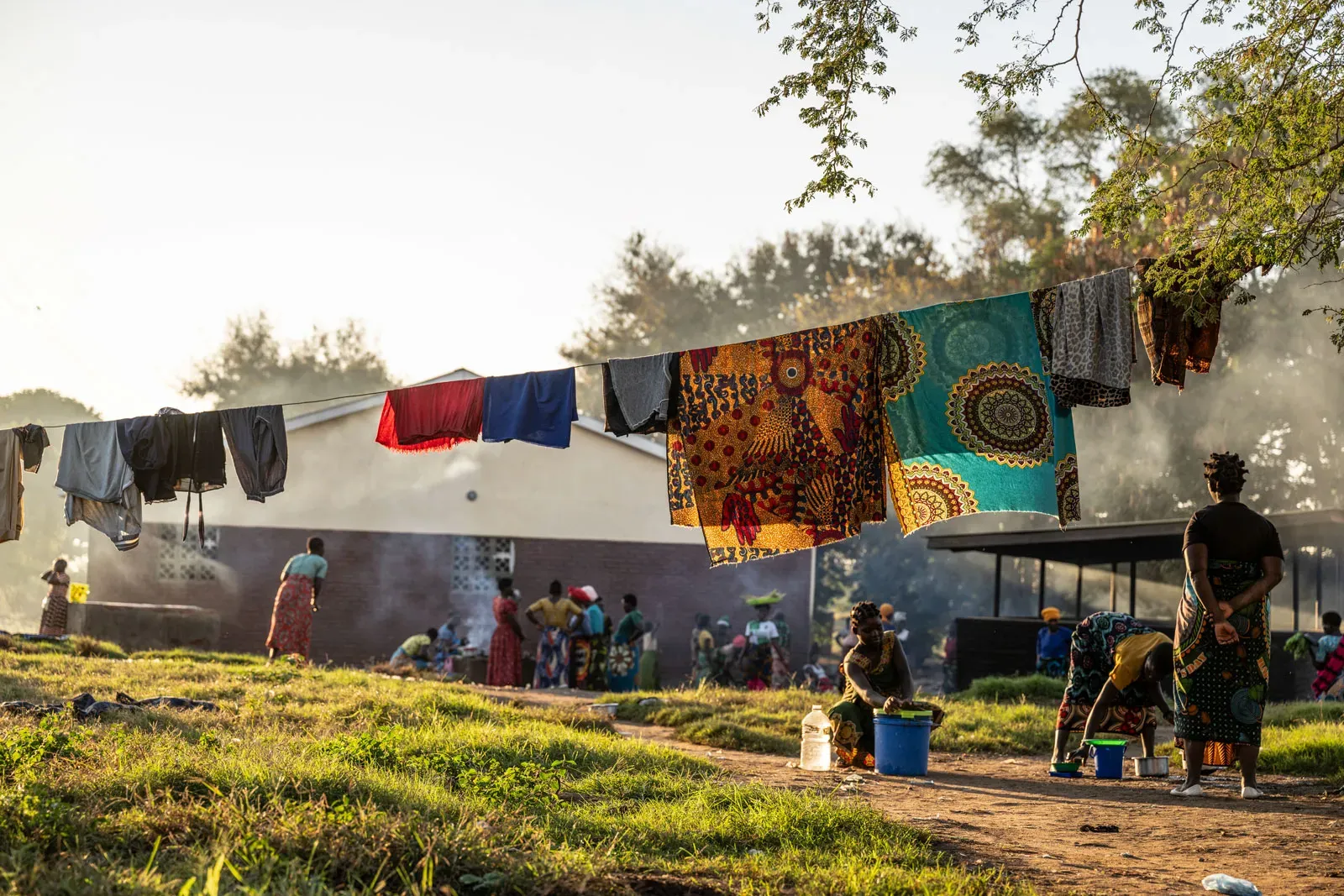
Other donors are exploring different ways to continue supporting Malawi’s health. Amref Health Africa recently received money from UNITAID, an agency funded primarily through a special tax on airline tickets, for a 4-year initiative designed to make maternal medicines and diagnostics more accessible. Hester Mkwinda Nyasulu, Amref’s country director for Malawi, believes NGOs will continue to play an especially important role in communities where government services are limited. He and Jobe want to see the government strike its own deals with NGOs to help fill gaps. “If we complement each other well, we’ll be able to reach more people,” Nyasulu says.
The health system that emerges from these changing relationships could be very different from what came before, Banik says. “We’re in a phase between the old order and a new order. We don’t really know what that new phase is going to look like, but it’s certainly not going to be a return to the past.”
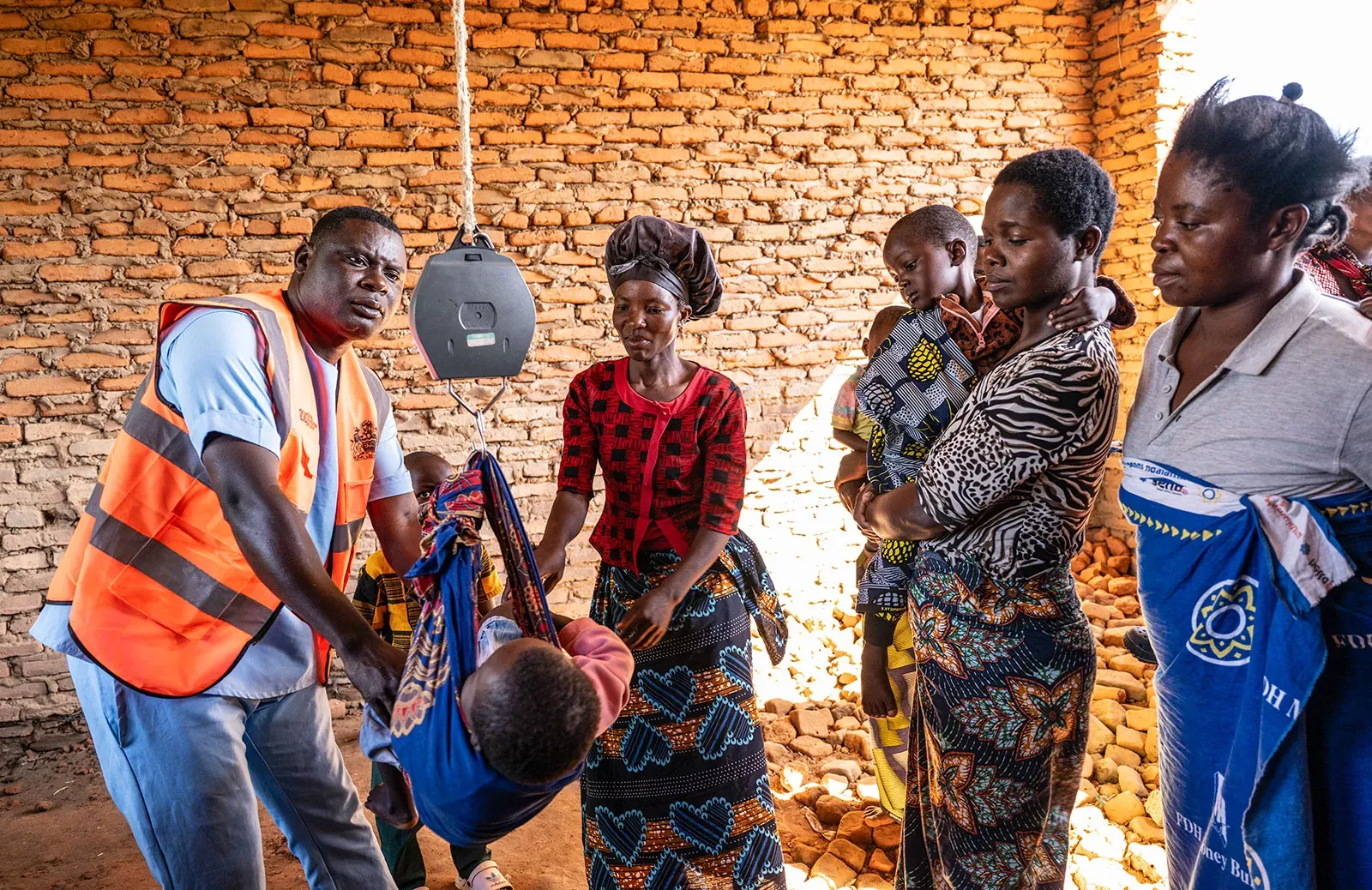
WHILE POLICYMAKERS and advocates debate this transition, work continues as before in Katenje. As Tuesday morning rolls around, the ground inside the makeshift health clinic has been cleaned, a weighing scale hangs from the ceiling, and an open register lies on a small blue table set up to one side. Simenti offers family planning sessions most Tuesdays, but today he is running malnutrition screening for young children from a local school first. Just after 8 a.m., dozens arrive with their carers. Simenti tries to reassure a few crying kids. “They think I’m going to immunize them,” he says.
KDH’s Banda has caught a lift with Science to Katenje to see how construction is progressing. The building is on the small side, he says, and there’s not much space around it should the government want to upgrade it to an official primary health center. Nevertheless, he sees promise. It’s in a good location, with a big surrounding population and no other center nearby. The community could have a strong case for receiving government support, he says.
For now the project lacks money, like many plans for Malawi’s health services. Simenti hopes funds will come from somewhere—local contributors, NGOs, or philanthropists—to help finish what they started. But he’s proud to see the health post being used, even in the interim. For people here, building it has been a big commitment, he says. “Now it’s the time to give them the services.”