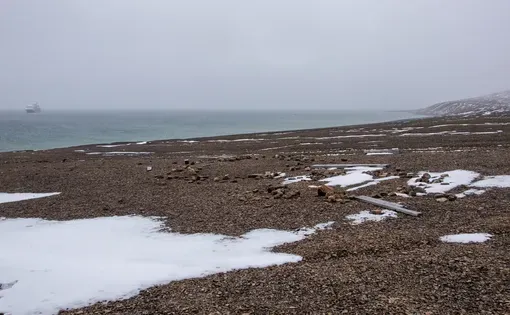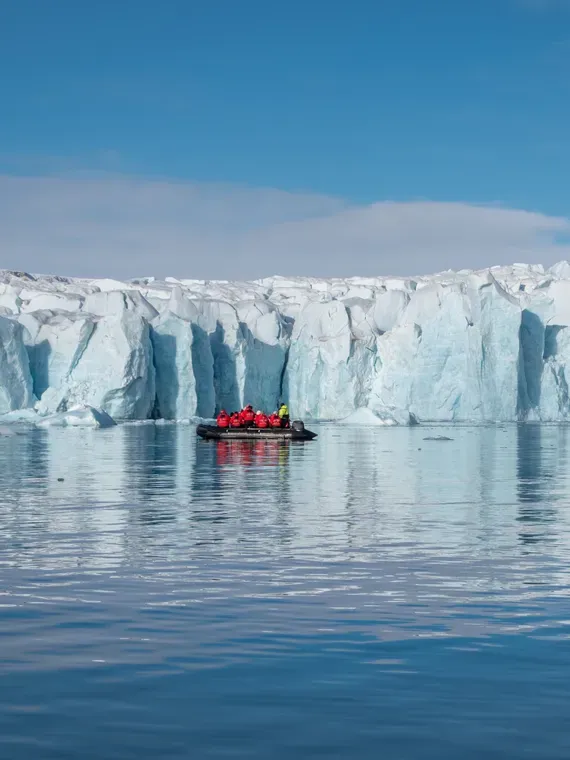

Erratic Ice explores the rapid transformation facing communities in the Canadian-claimed Arctic on a backdrop of a changing climate and rising pressure from tourism and resource extraction. Sea ice, which has allowed Inuit to travel, hunt, and transfer traditional knowledge for millennia, is now less predictable, while at the same time, a growing number of ships is traversing the region’s ecologically sensitive waters. Cargo carriers, expedition cruise liners, luxury yachts, and often under-equipped sailboats now share a corridor once protected by ice, in one of the country’s least-charted and most sparsely-resourced regions.
For many Inuit, ice is a food system. They rely on seal, narwhal, and Arctic char to feed their households in a region where imported groceries cost far more than in the south. As ice increasingly forms late, thins from below, or breaks away without warning, hunters are losing the seasonal rhythm that anchors access to country foods. Meanwhile, ship noise and traffic pushes marine mammals away from the waters hunters rely on, and small communities are called upon to absorb the strain of every emergency. The result is a quiet crisis of food security, cultural continuity, and safety—one that tourism operators, governments, and industries profiting from today's longer open-water season rarely face.
Anchored by a longform feature and scrollytelling microsite, this project will bring together Inuit, scientific, and artistic voices, including a perspective from a research icebreaker, a short film, and original maritime artwork. Erratic Ice places one community’s story in the context of a much larger push to profit off the Arctic, even as a warming climate raises the stakes of every journey north.