

Over 800 stories from 97 countries. I am increasingly awed by what the Pulitzer Center is able to achieve through the power of collaboration with journalists, newsrooms, and engagement partners around the world. And we still have the rest of December to go.
It is a true privilege, at this time each year, to invite our audiences to dive deep with us into just a handful of the stories that moved our team the most. This is my fourth time curating our annual “Year in Stories” publication, and with colleagues spread across the globe in 19 countries (a warm welcome to new team members based in Costa Rica, Rwanda, and Chile!), I’m always curious to see what resonates with our diverse staff.
Some team members chose stories because of their human depth or personal connections. Many of us were fortunate to witness how a story moved audiences through our engagement work, and how our stories inspired student poetry and letters. Others chose stories due to the power of their visual narratives, or their inspiring, real-world impact.
I was personally struck by “Escape From Khartoum,” reporting from Sudan that follows a family’s attempts at survival in a collapsing nation—a rare, intimate window into the fallout of a conflict often overlooked.
This year’s selected stories exposed how missionaries secretly planted audio devices in the Amazon to target uncontacted Indigenous peoples; forced major tech platforms to confront AI-generated child exploitation imagery; documented marine heat waves and their growing threats to ocean ecosystems; and traced the global fallout of the dismantling of USAID.
The over 40 stories featured in our “Year in Stories” publication reflects the breadth of the issues we work on, and the many ways journalism can illuminate injustice, build understanding, and catalyze change.
We invite you to dive into these stories with us, and see what stories you might have missed along the way. Let us know what resonates with you as we prepare to celebrate 20 years of the Pulitzer Center’s impact in 2026!
Information & AI
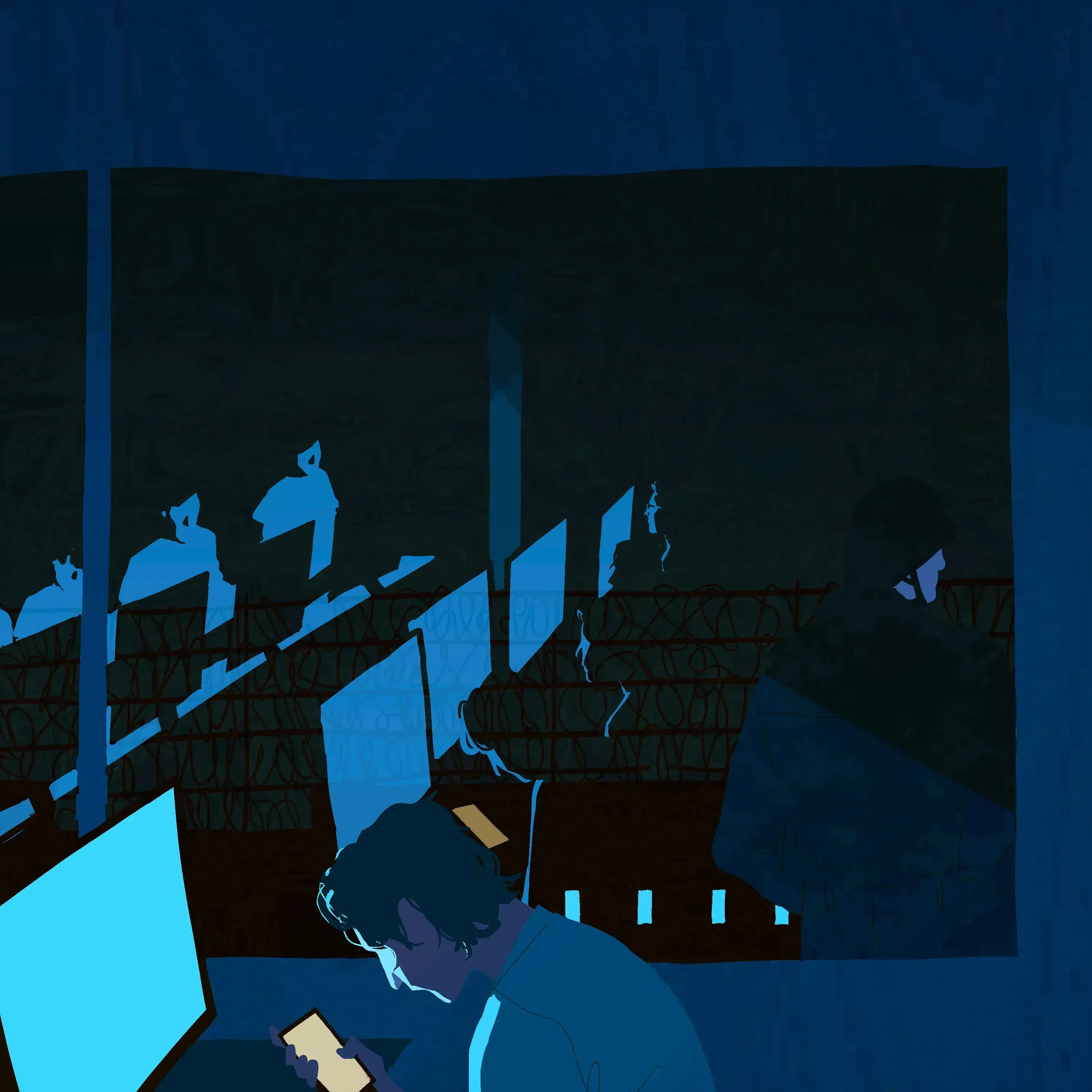
"Inside a Romance Scam Compound—and How People Get Tricked Into Being There"
By Emily Fishbein and Peter Guest for MIT Technology Review
This gripping story about criminal syndicates using tech platforms to recruit people into the scam industry shows how Big Tech has not only bolstered the industry, but it also has the ability to solve some of these problems and chooses not to.
– Joanna Kao
Senior Editor, Information & Artificial Intelligence
United Kingdom
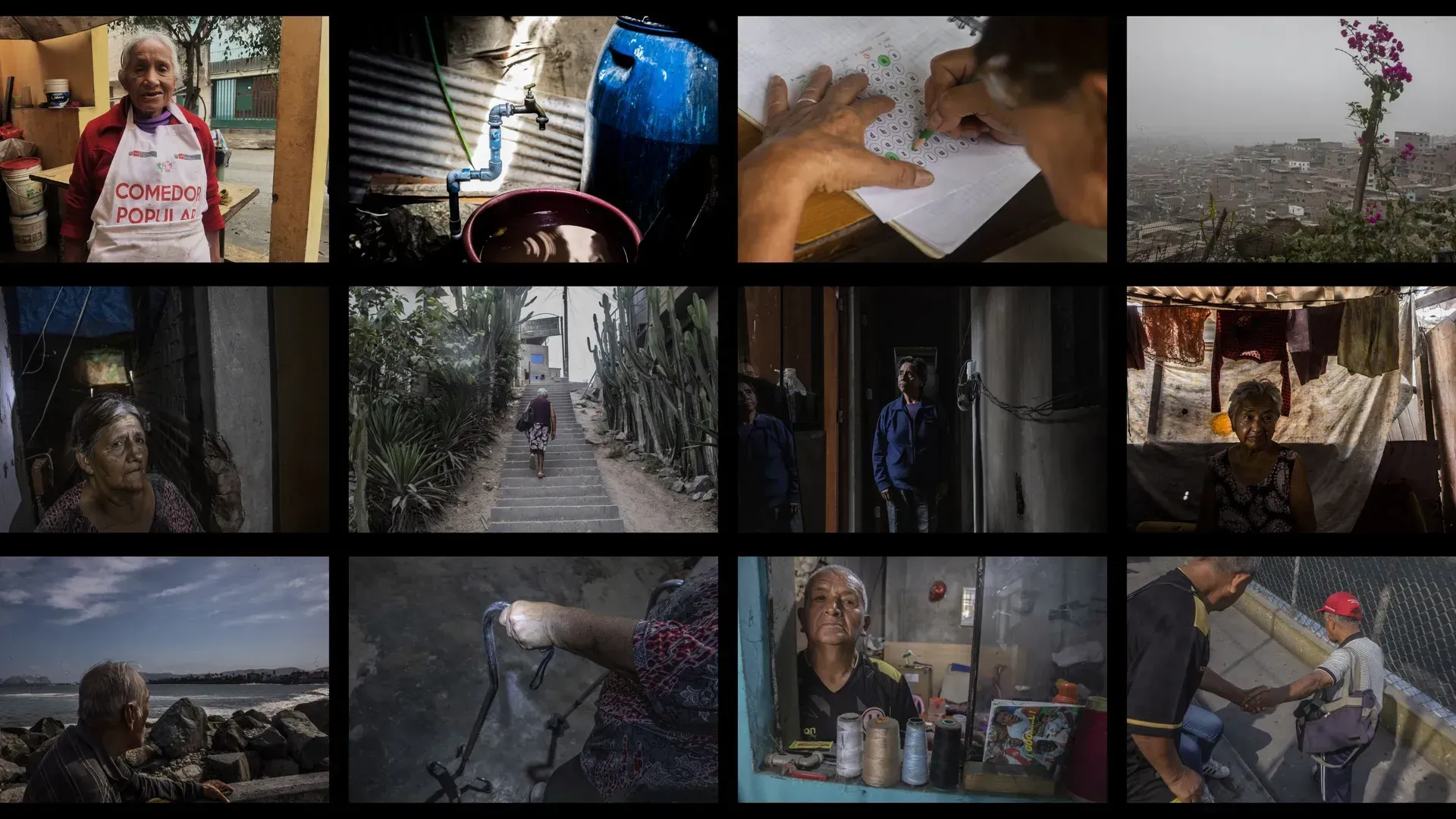
"The Older Adults the Algorithm Doesn’t See: Flaws in Peru’s Poverty Targeting System (Spanish)"
By Fabiola Torres, Rocío Romero, and Jason Martinez for Salud con Lupa
The series revealed how the algorithm used by the Peruvian government to identify poor people excludes thousands of vulnerable older adults. It combines journalistic sensitivity and rigorous data analysis, and had an immediate impact: After its publication, the government opened a channel to correct errors.
– Federico Acosta Rainis
Data Specialist
Spain
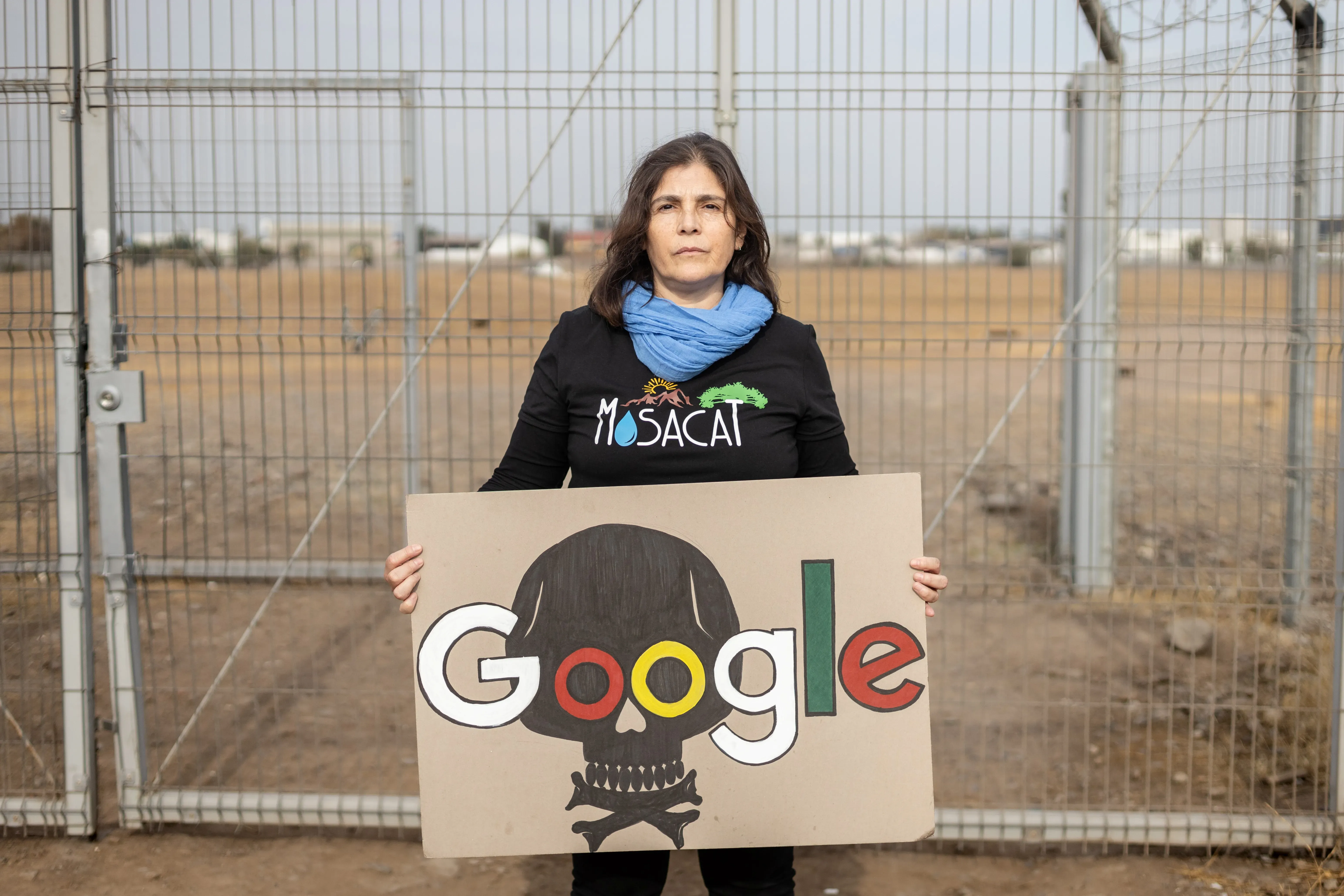
"The Backyard of AI: A Map of the 21st Century Gold Rush"
By Pablo Jiménez Arandia, Daniela Dib, and Muriel Alarcón for El País
Three stories show how data centers supporting the rapid growth of multibillion-dollar internet giants are causing sociocultural and ecological harm in Mexico, Chile, and Spain. The narratives weave together a rich tapestry of cases that reveal how the economic growth promised by large-scale projects rarely benefits local communities. Instead, in a system lacking transparency and consultation, communities face land loss, water scarcity, and long-term environmental damage, while corporations and authorities remain unaccountable amid the AI boom.
– Flora Pereira
Chief Impact Officer
Portugal
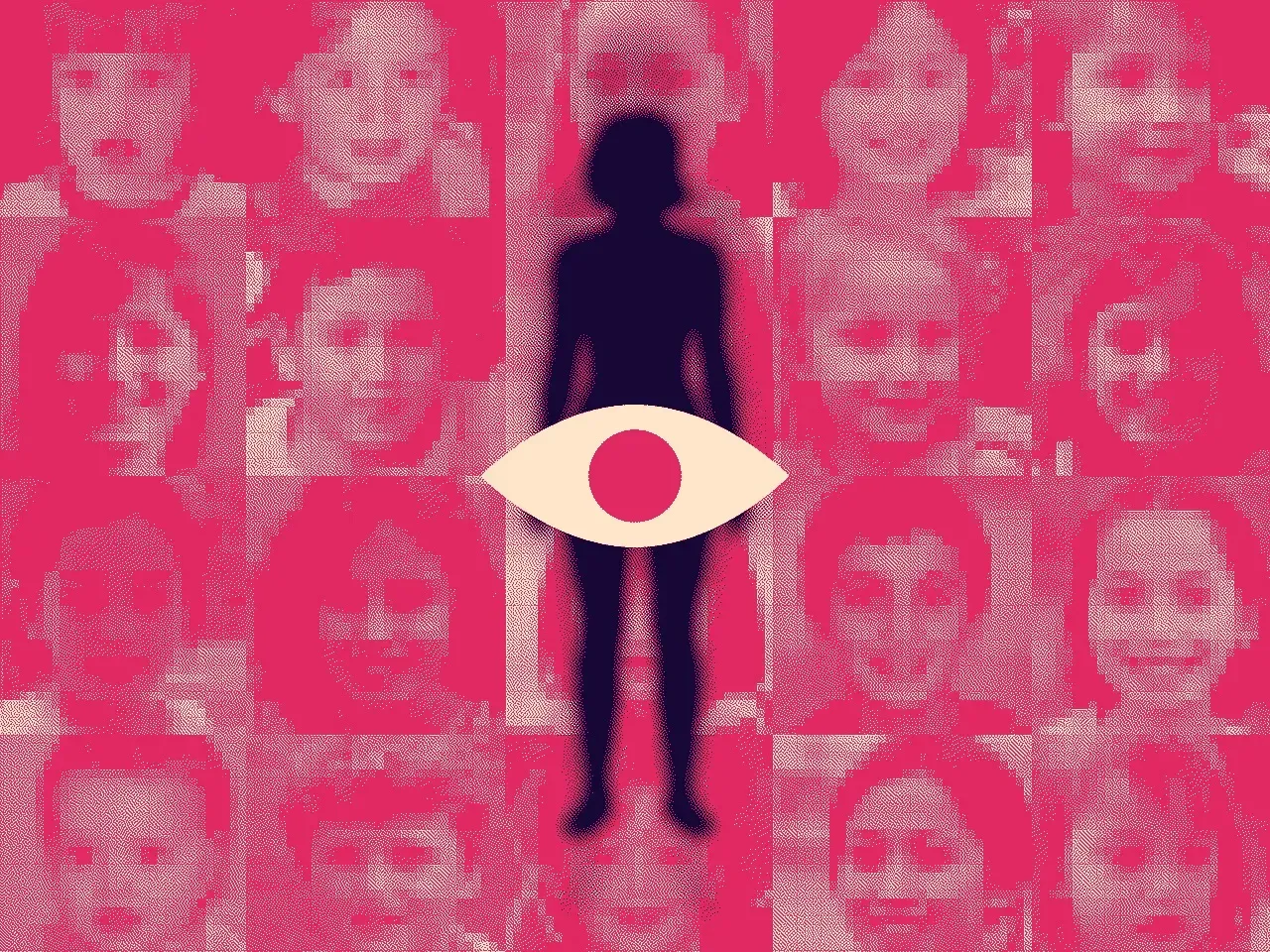
"Instagram Is Full of Openly Available AI-Generated Child Abuse Content"
By Sofia Schurig, Leonardo Coelho, and Tatiana Azevedo for Núcleo
Sofia Schurig's dogged investigation into the prevalence of AI-generated images of child sexual abuse in major platforms forced Meta and Google to remove accounts and apps, and prompted Brazilian officials to open inquiries. Schurig’s unassailable and compassionate reporting exposes what happens when AI technologies are deployed without appropriate guardrails and platforms fail to enforce their own stated principles.
– Marina Walker Guevara
Executive Editor
United States

"Inside Amsterdam’s High-Stakes Experiment To Create Fair Welfare AI"
By Eileen Guo, Gabriel Geiger, and Justin-Casimir Braun for MIT Technology Review
AI grantees Eileen Guo and Gabriel Geiger explored the efforts to create a responsible AI system in Amsterdam, one that was envisioned to serve the citizens. Despite having noble intentions and conducting a multi-year pilot program, the city ultimately failed to develop a fair algorithm and had to abandon the project. The investigation explores questions of whether AI can ever be fair, or if we are using a technological solution for the wrong problems.
– Maria Karienova
Program Manager, Artificial Intelligence Engagement
Indonesia
Climate & Environment
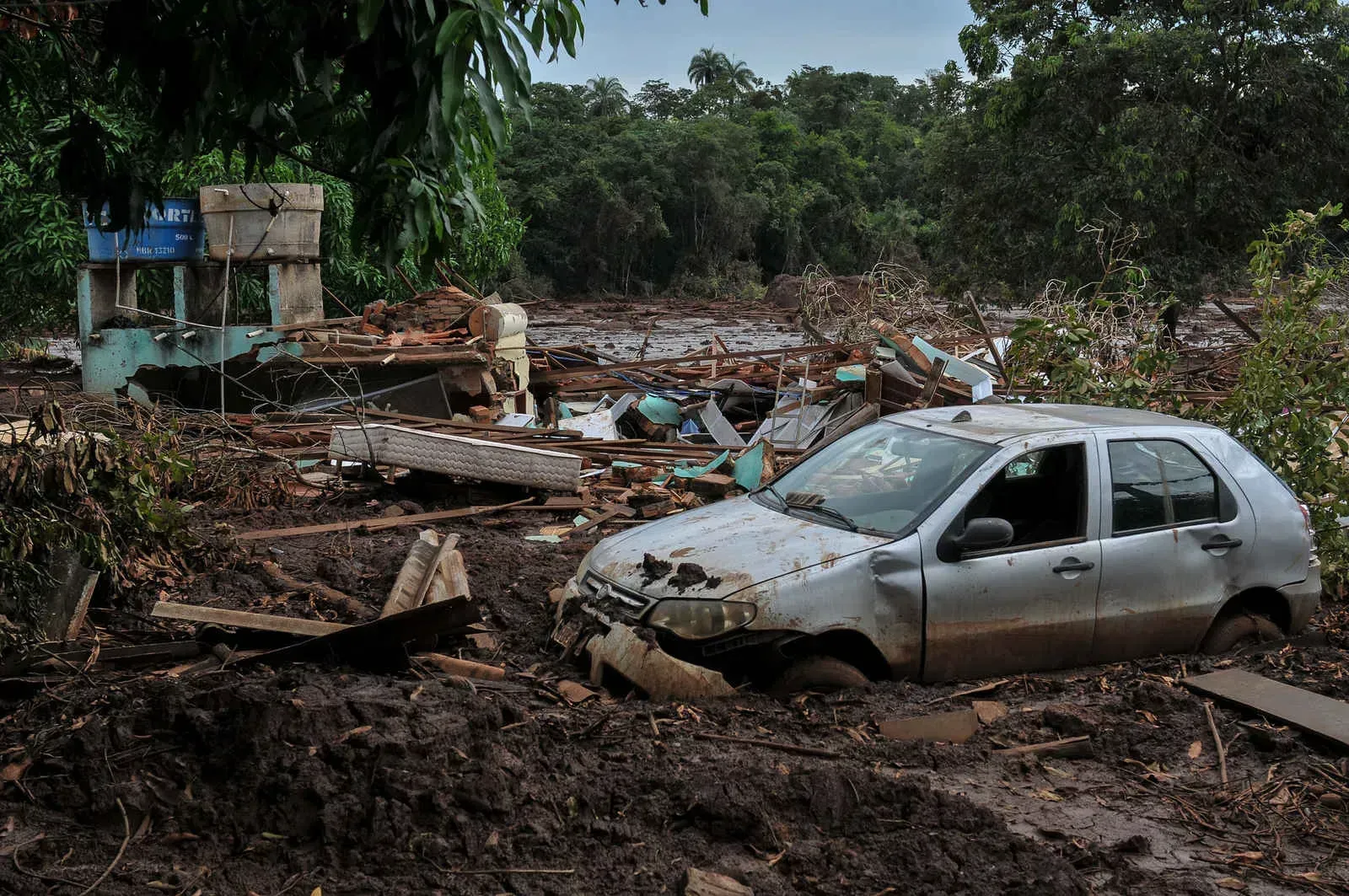
"Critical Minerals 'Surround' 45 Isolated Indigenous Groups in the Amazon"
By Isabel Harari for Repórter Brasil
If the green transition isn’t equitable, what’s the point? This investigation uncovered that companies are pursuing mineral exploration near 45 isolated Indigenous communities across the Amazon. Reporters identified 1,827 mining applications, revealing who truly bears the cost of producing microchips, wind turbines, and electric vehicles.
– Fernanda Buffa
Program Coordinator, Environmental Investigations
Portugal
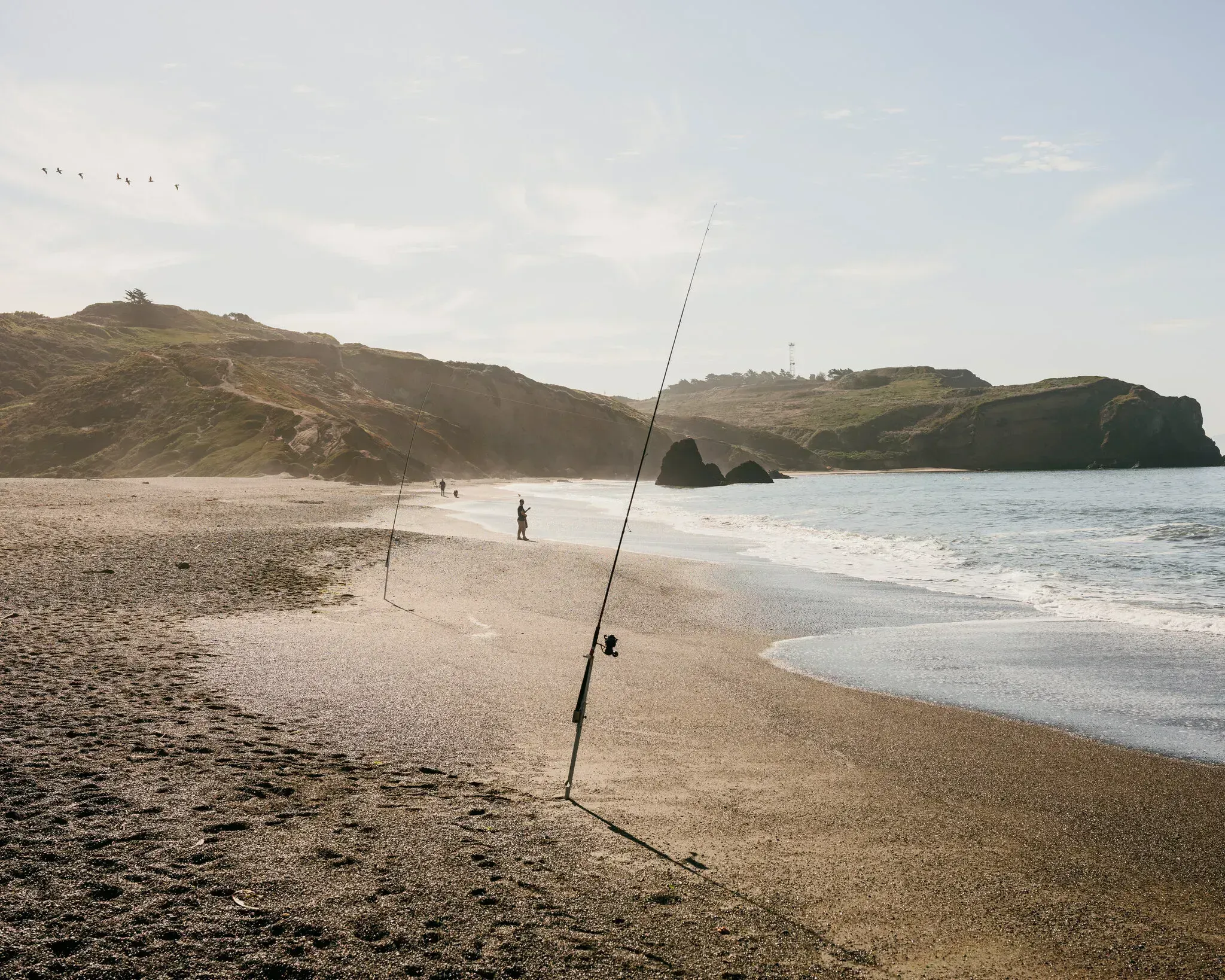
"See How Marine Heat Waves Are Spreading Across the Globe"
By Delger Erdenesanaa for The New York Times
This marine heat waves story by ORN Fellow Delger Erdenesanaa captures with stunning clarity how rapidly ocean systems are changing in ways that scuba divers like me can see and feel underwater. The global scope of the reporting makes the scale of the crisis unmistakable, connecting local heat events to a transformation playing out across entire ocean basins.
– Mark Schulte
Director of U.S. Education and Outreach
United States
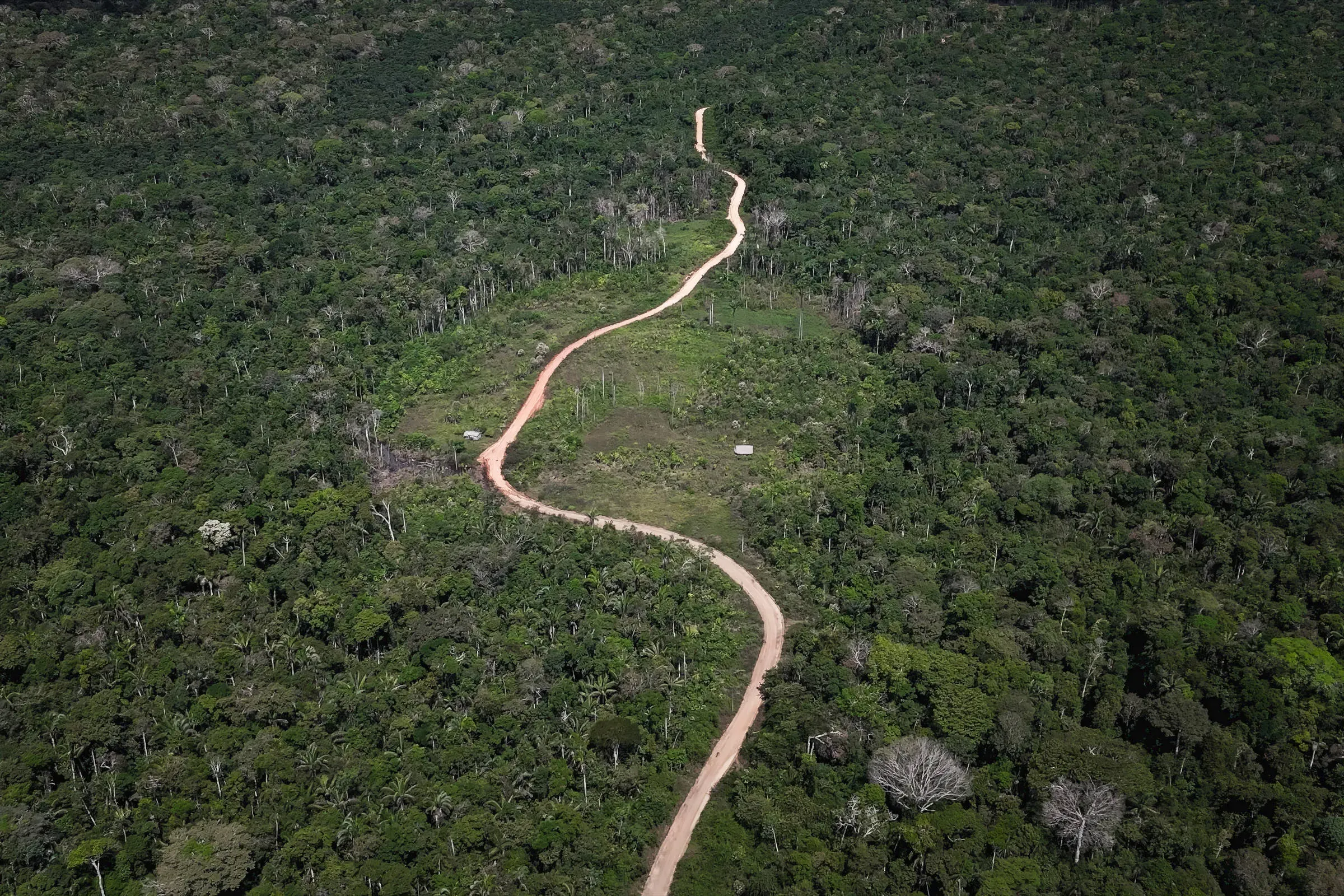
"Heavy Machinery Funded by Congressional Earmarks Built Road With Illegal Logging in the Amazon Rainforest (Portuguese)"
By Flávio Ferreira and Henrique Santana for Folha de S.Paulo
This series shows how Brazilian lawmakers are funding the destruction of the Amazon rainforest by using an opaque funding mechanism to pay for the machinery that is destroying nature. The money going to these machines is three times greater than the money going to environmental protection there. It is a perfect illustration of how governments keep contributing to climate change while pretending to do the opposite.
– Jelter Meers
Research Editor
Portugal
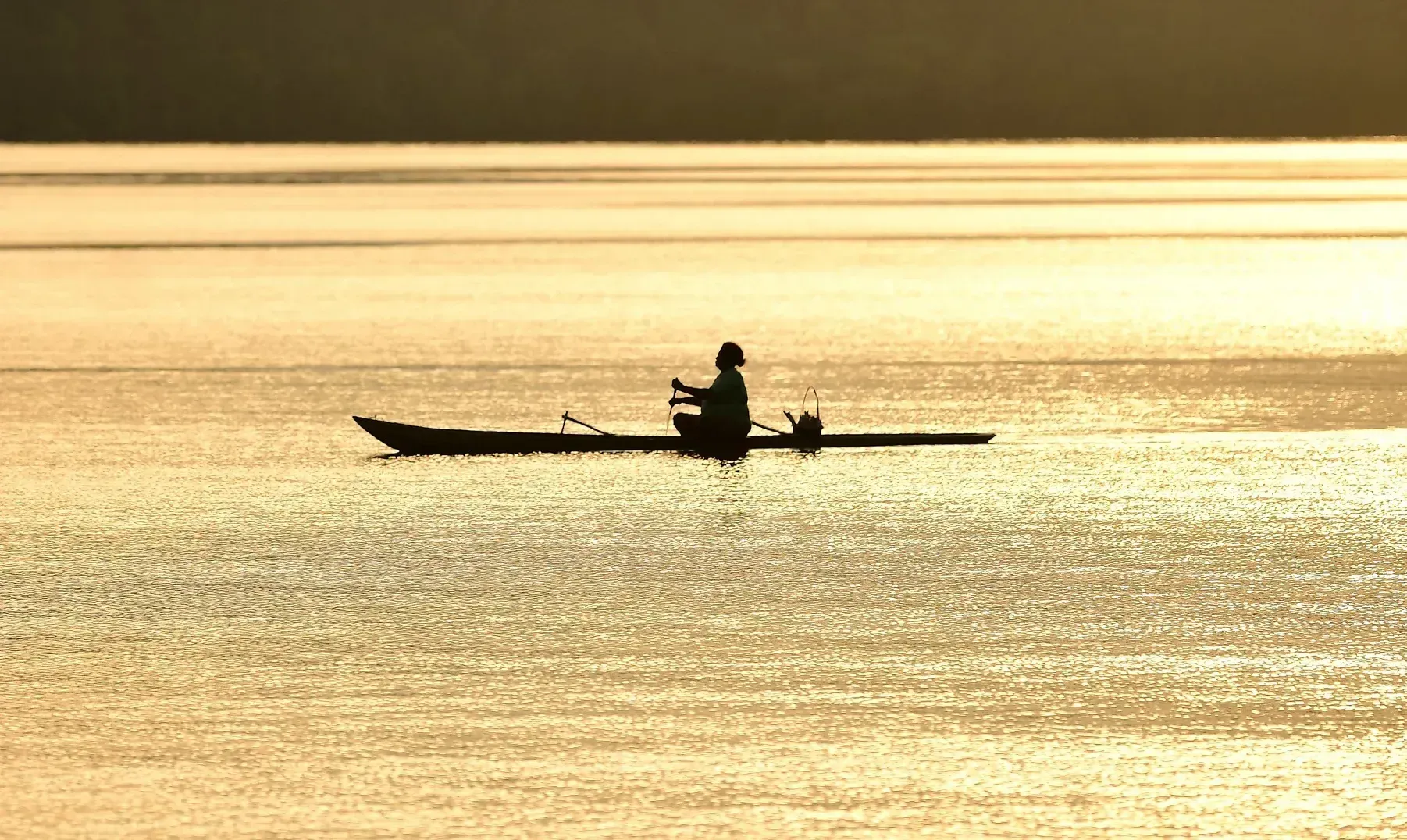
"Women As Guardians of the Sea: The Unspoken Role in Sasi Wondama"
By Alberth Yomo for Jubi
This story was published in my first week of joining the Pulitzer Center. I felt so proud to have joined an organization that centers women in its storytelling, especially in the narratives around the environment, the economy, and labor. The photojournalism was really beautiful and spoke a million inspiring words.
– Rozina Breen
Director of Editorial Programs
United Kingdom
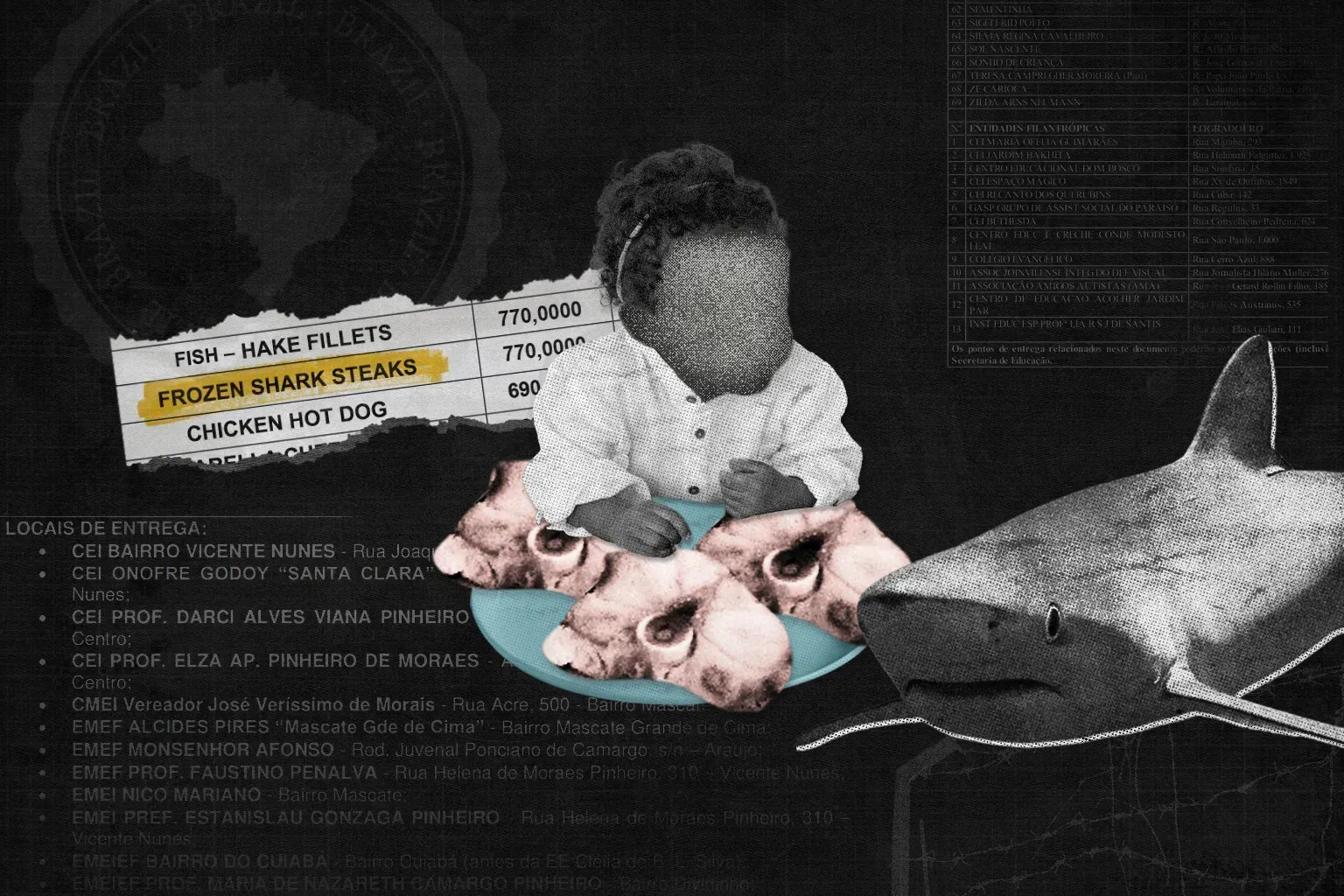
"That ‘Fish’ on the Menu? In Brazil’s Schools and Prisons, It’s Often Shark"
By Philip Jacobson, Karla Mendes, and Kuek Ser Kuang Keng for Mongabay
This story was several years in the making and shows the power of collaboration between ocean and rainforest Fellows and their newsrooms, with data support from the Pulitzer Center team. It demonstrated that shark meat was being used in state institutions in Brazil, including schools, hospitals, and prisons, prompting calls for a parliamentary inquiry.
–Jessica Aldred
Senior Editor, Ocean Investigations
United Kingdom
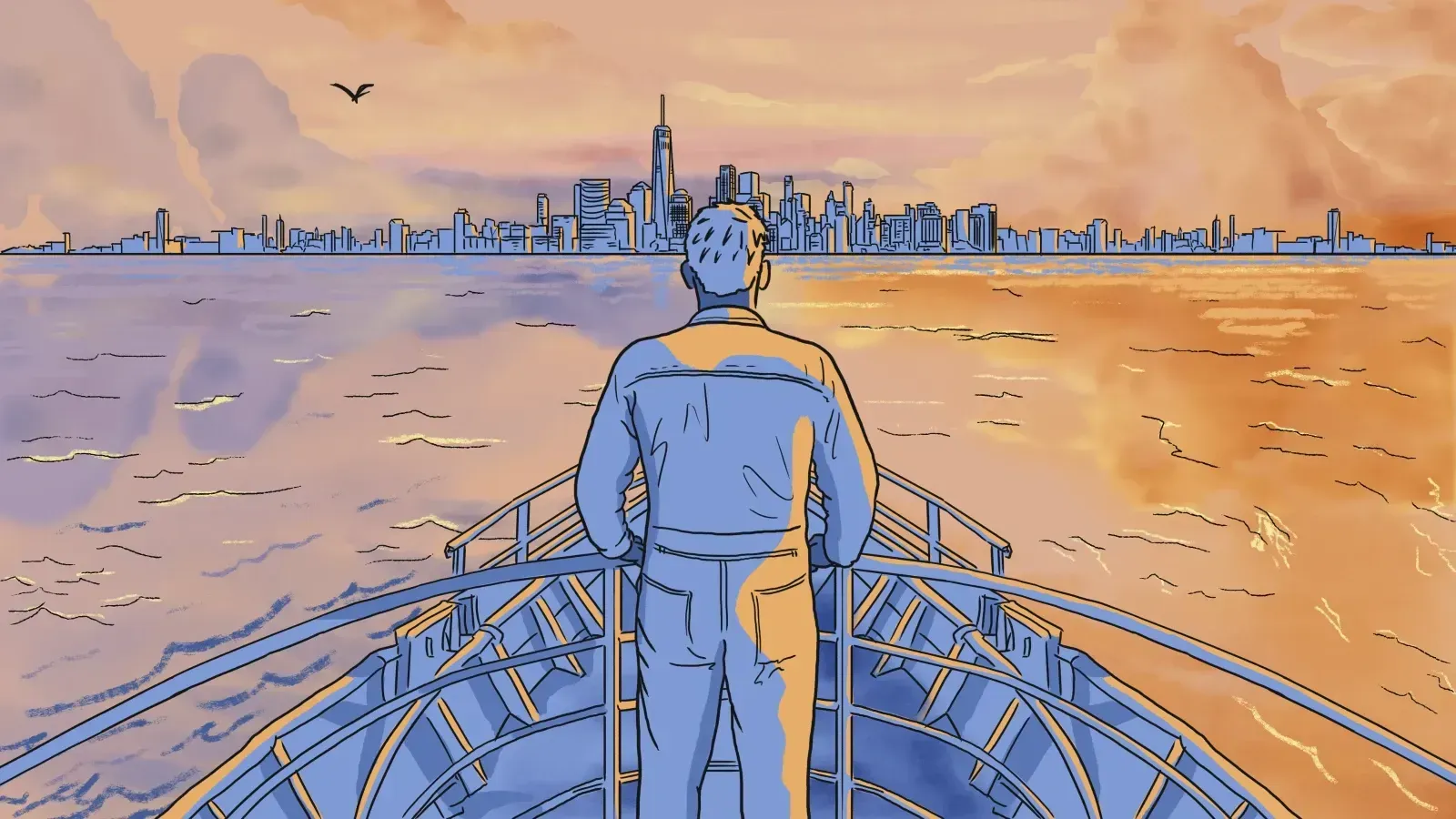
"'I’ve Seen Hell': Inside the Global Crisis of Seafarer Exploitation"
By Katie McQue for Context
Ocean Fellow Katie McQue used innovative reporting methods to get harrowing firsthand accounts of young seafarers who had been lured into dangerous or illegal maritime work, ending up unpaid, detained, or trapped aboard abandoned vessels for months at a time. Her Ocean Reporting Network project exposed the wider regulatory loopholes that allow predatory recruitment networks to flourish, even uncovering a live vessel situation off the coast of Mozambique.
– Jessica Aldred
Senior Editor, Ocean Investigations
United Kingdom
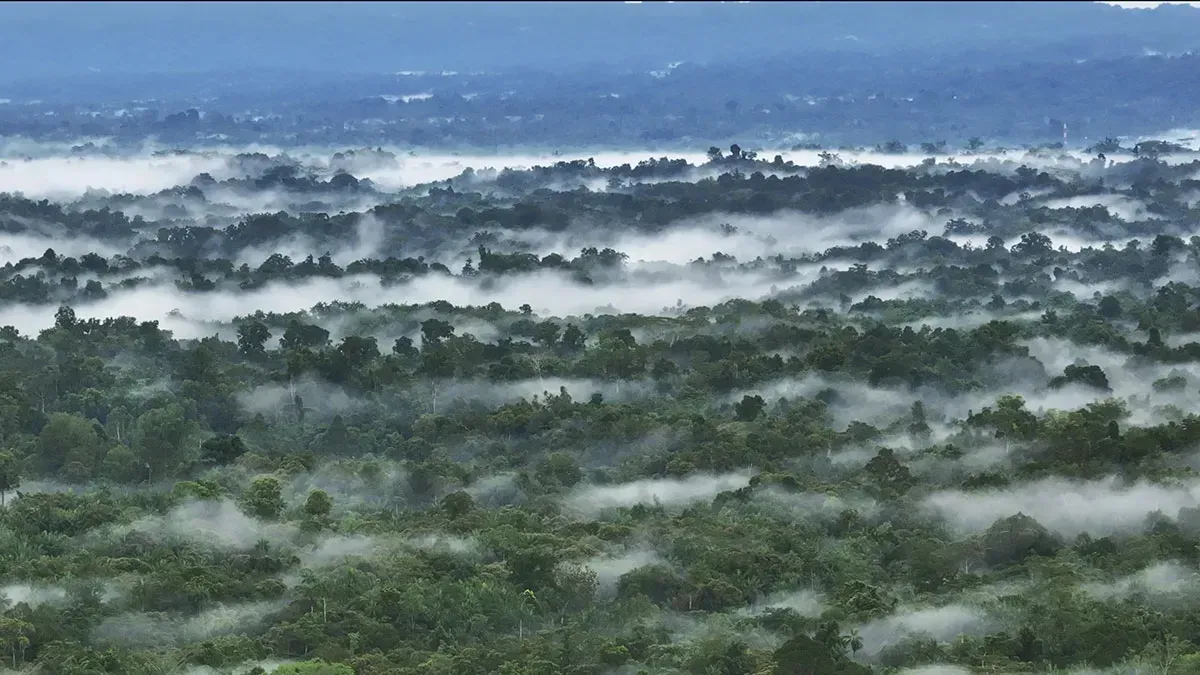
"The Hunt for Carbon Concessions in Indonesia’s Forests"
By Agoeng Wijaya, Fachri Hamzah, and Gamaliel Kaliele for Tempo
Tempo investigated how the Indonesian government manages its carbon market schemes across 26 provinces, most of which benefit networks of powerful and land-controlling tycoons. Agoeng Wijaya and his team worked for a year to sift data of permits and company records. This is a cohesive and comprehensive reporting series that gives an overall picture of Indonesia's carbon scheme, where it leads to and at what costs.
– Detty Saluling
Senior Program Manager
Thailand
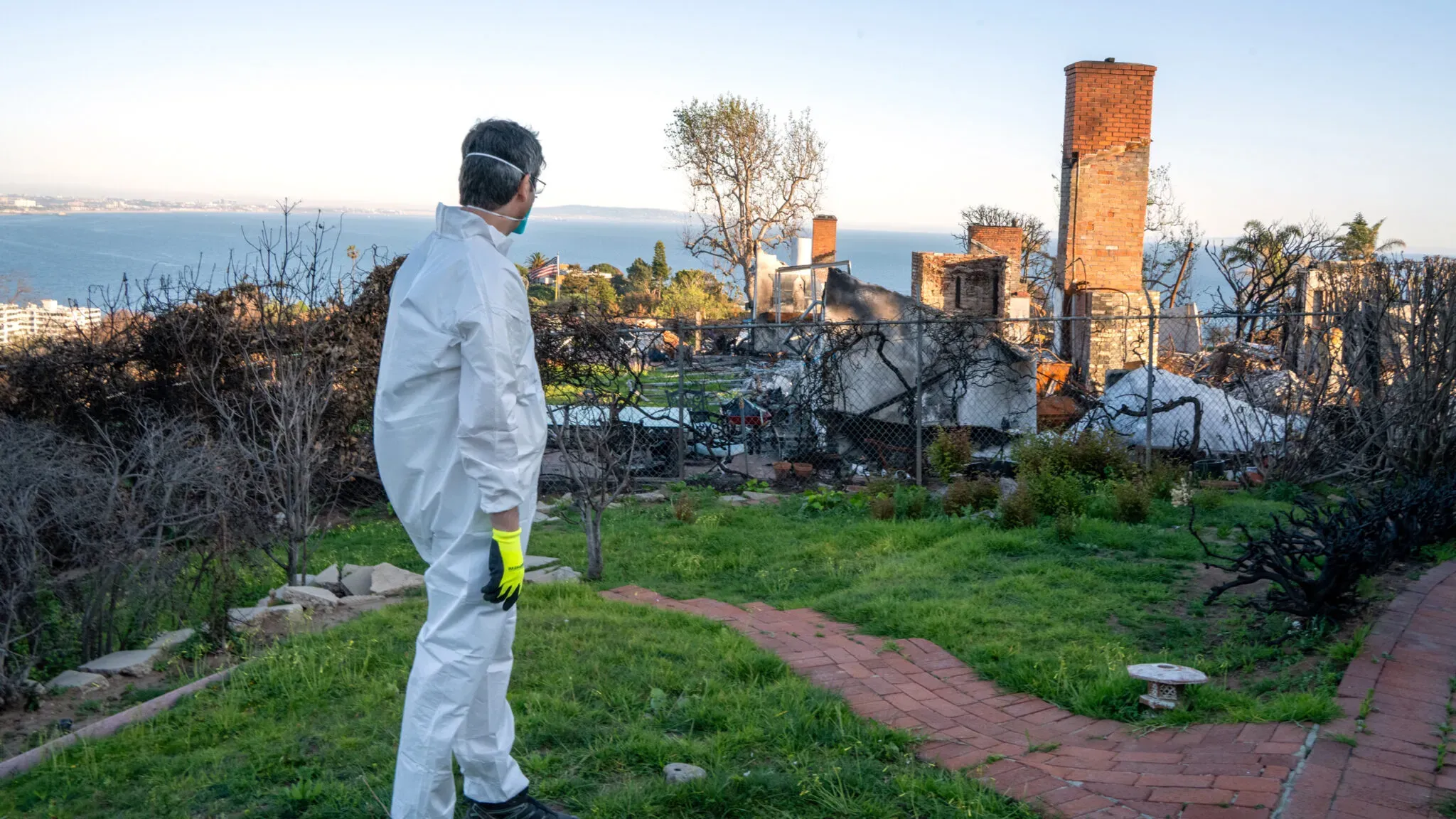
"After the LA Fires, Scientists Study the Toxic Hazards Left Behind"
By Nina Dietz for Inside Climate News
With her series, Nina Dietz connects us directly with those who lost so much in the 2025 Los Angeles wildfires. Even when homes remained standing, there was the aftermath of the cleanup, the longing for community, and the toxic hazards. Dietz's reporting is important in how it shows the integrated nature of climate change with the risks for the health of individuals and the environment.
– Ann Peters
Pulitzer Center Alum
United States
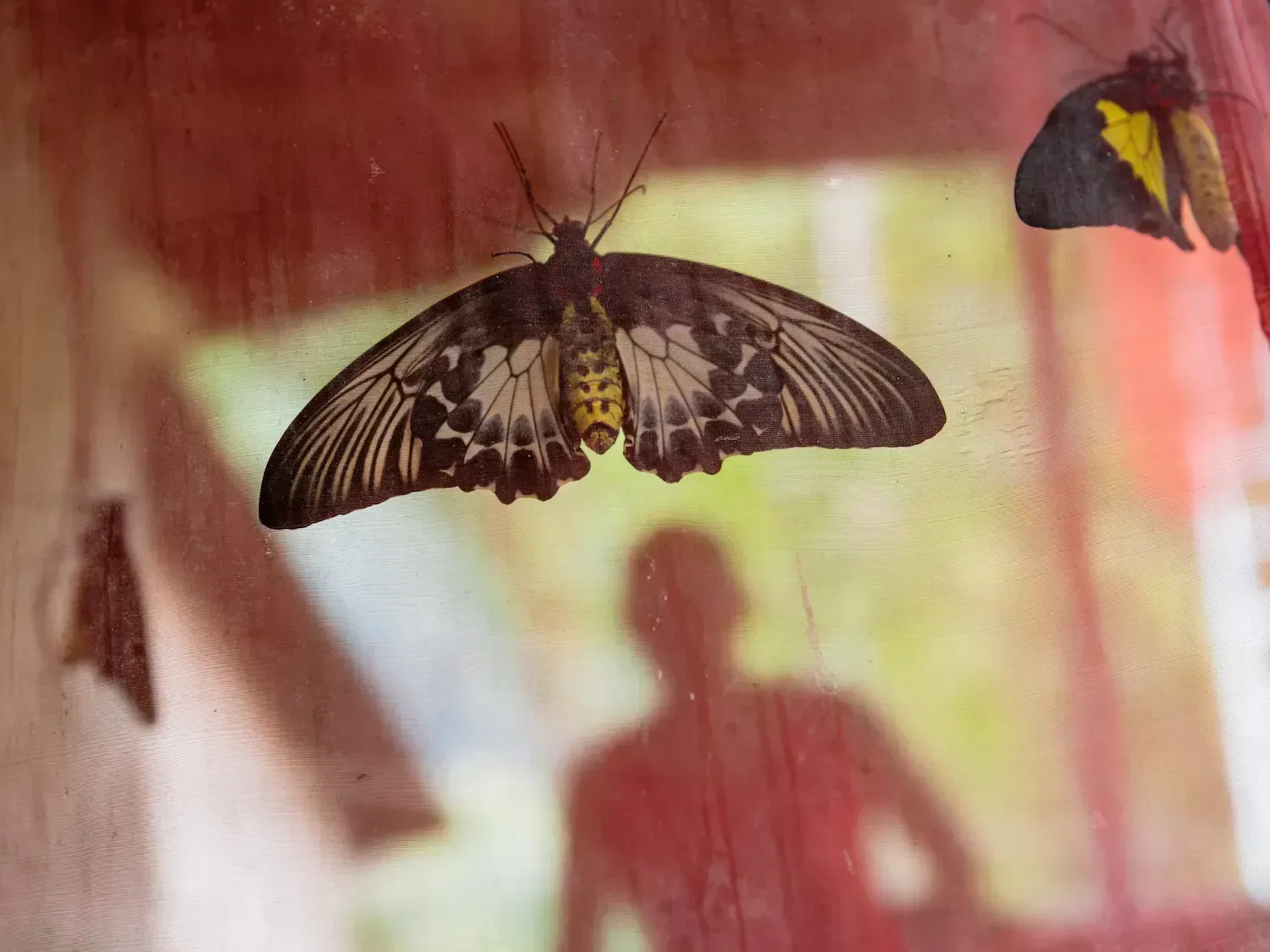
"The Butterfly Boys: Living With Butterflies Across Generations (bahasa Indonesia)"
By Titah AW and Kurniadi Widodo for National Geographic
This story highlights a single family's work over generations to breed native Indonesian butterfly species. I was stunned to learn how little butterfly research has been done in one of the most biodiverse countries in the world, but I am moved by the love and quiet dedication that drives these breeders to protect such a vulnerable species.
– Lucy Crelli
Design and Digital Campaign Manager
United States
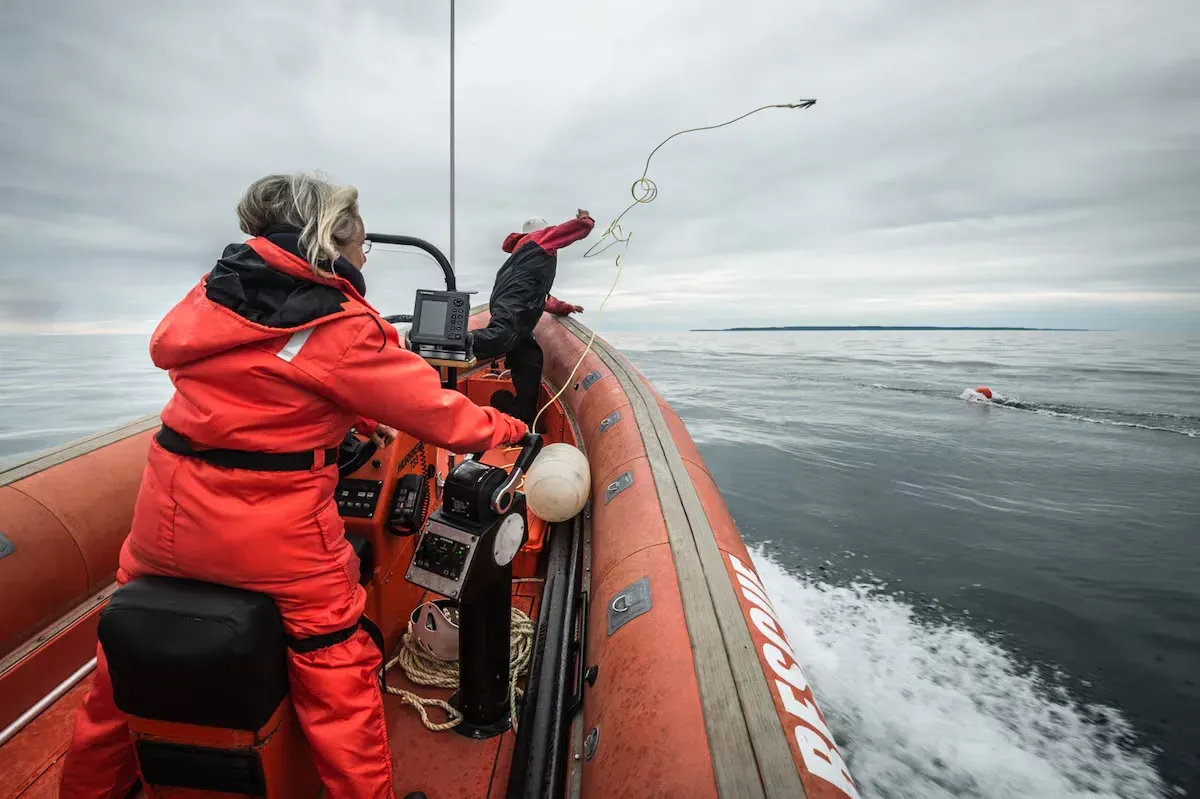
"Entangled: Cut the Cord; Save the Whales"
By Jenn Thornhill Verma for The Globe and Mail
This story focuses on the threat posed to North Atlantic right whales, a critically endangered species, by traditional fishing gear. Jenn Thornhill Verma analyzed data and conducted great reporting to reveal why entanglements have escalated and why they are so dangerous for whales. The story also discusses some whale-safe solutions that will hopefully be adopted in the future.
– Doménica Montaño
Program Coordinator
Ecuador
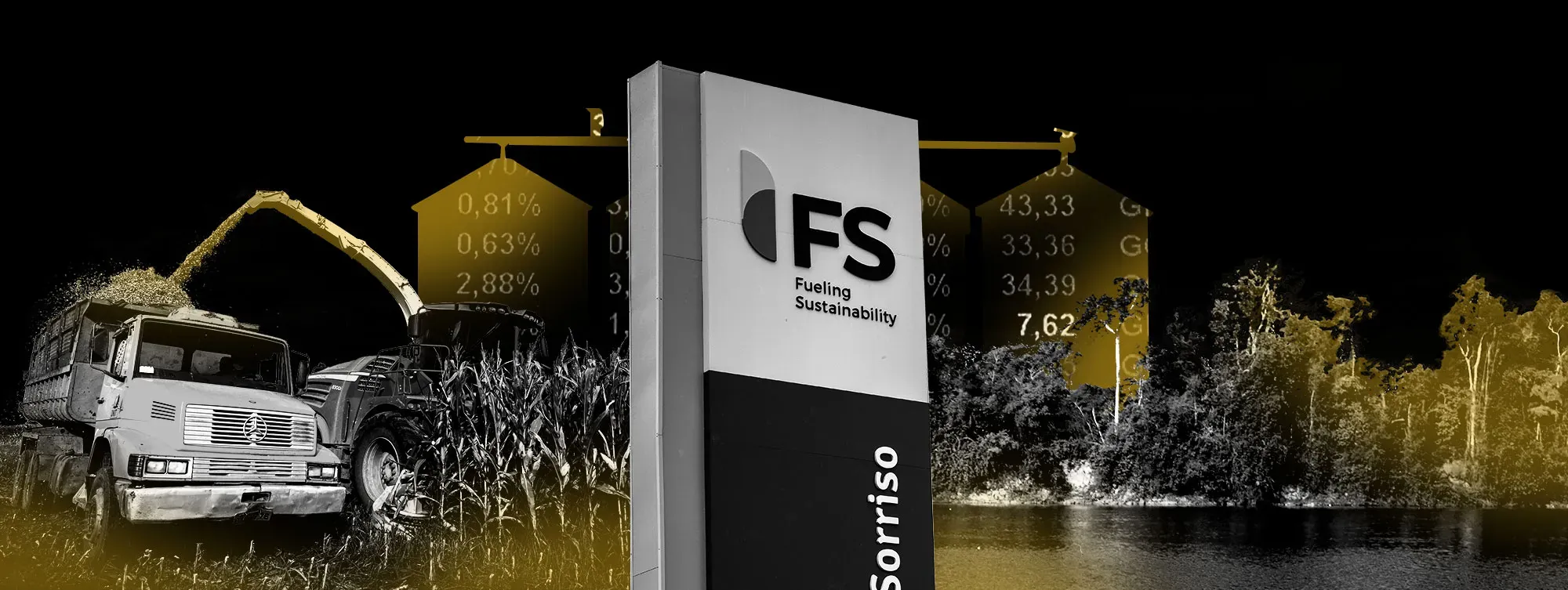
"No Oil, Coal, Gas … and Forest: “Green” Bonds Attract Investors to Unsustainable Businesses (Portuguese)"
By Bruna Bronoski for O Joio e O Trigo
Using over 20 data sources, interviews, and cross-referenced databases, Bruna Bronoski's investigation shows how a financial product marketed as supporting “agribusiness” is actually linked to ecological destruction, land invasion, and eviction of Indigenous people, highlighting the powerful role of journalists and civil society in holding those in power accountable.
– Intan Febriani
Director of International Education & Outreach
Indonesia
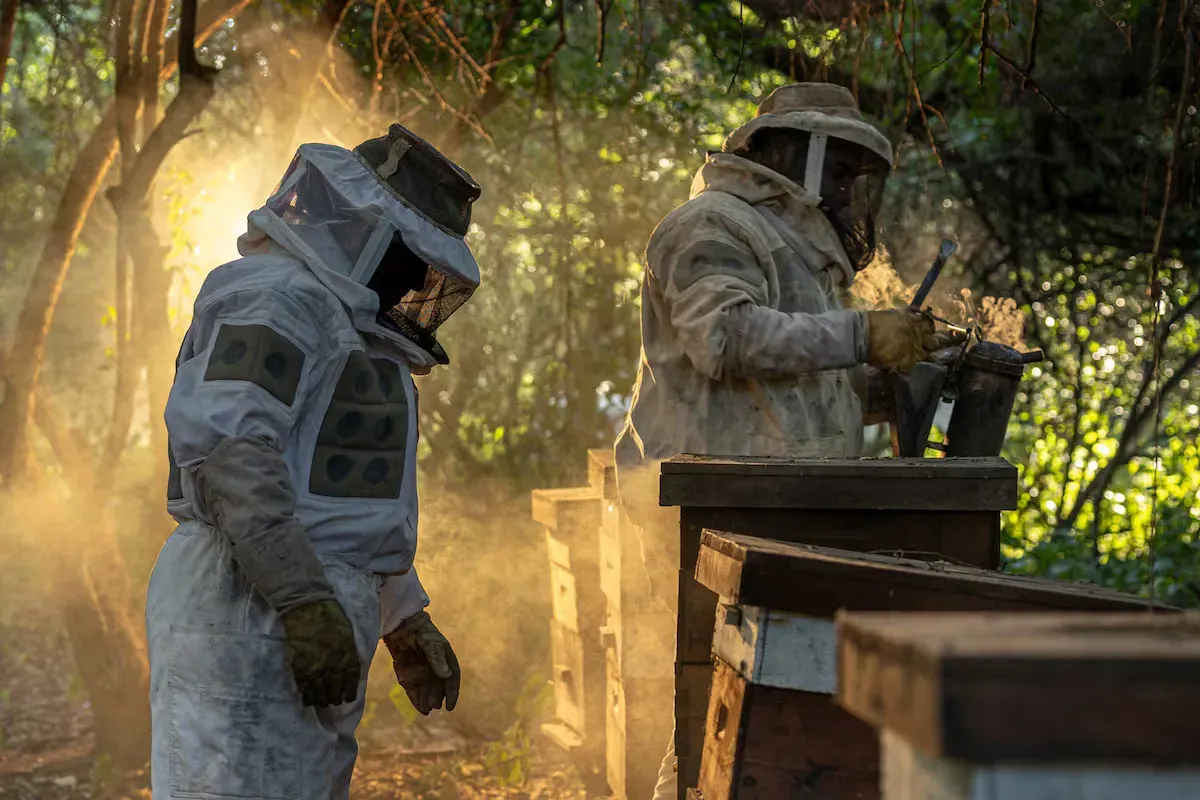
"The Poetic Resistance of Honey (Spanish)"
By Irupé Tentorio and Sofía López Mañán for VIST
The work portrays the deforestation challenges faced by communities in the Argentine Chaco, capturing both their vulnerability and struggle to protect their territories. Poetic in tone, the project opens a space for hope: Through honey production, some communities connect with the rhythm of the bees and the landscapes they share, nurturing a future in which this interconnection truly matters.
– Bruna Wagner
Senior Program Manager
Brazil
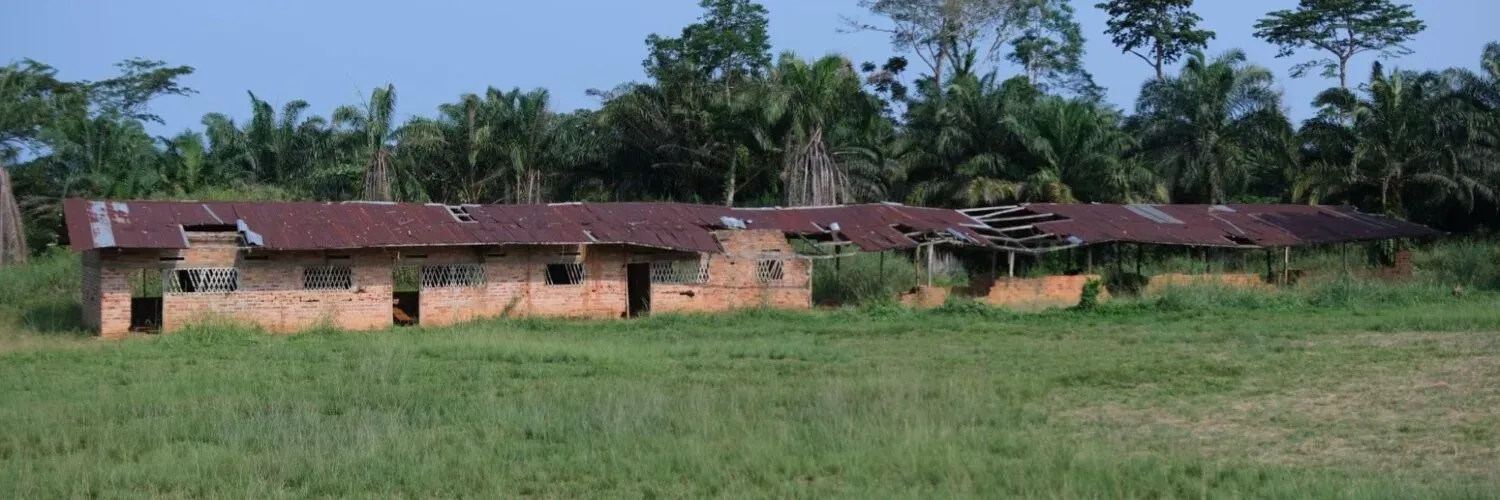
"Carbon Credits in the Congo: The Cost of Capture"
By Linda Ngari for Africa Uncensored
The investigation by Rainforest Investigations Network Fellow Linga Ngari reveals how a forest of over 565,000 hectares in Isangi territory (DRC) was converted from a logging concession into a carbon credit project owned by the Blattners, a powerful American family. Villagers signed away land rights with promises of schools, clinics, roads, and better livelihoods, but years later many basic needs remain unmet despite 1.3 million carbon credits sold to multinational companies.
– Kuang Keng Kuek Ser
Data Editor
Malaysia
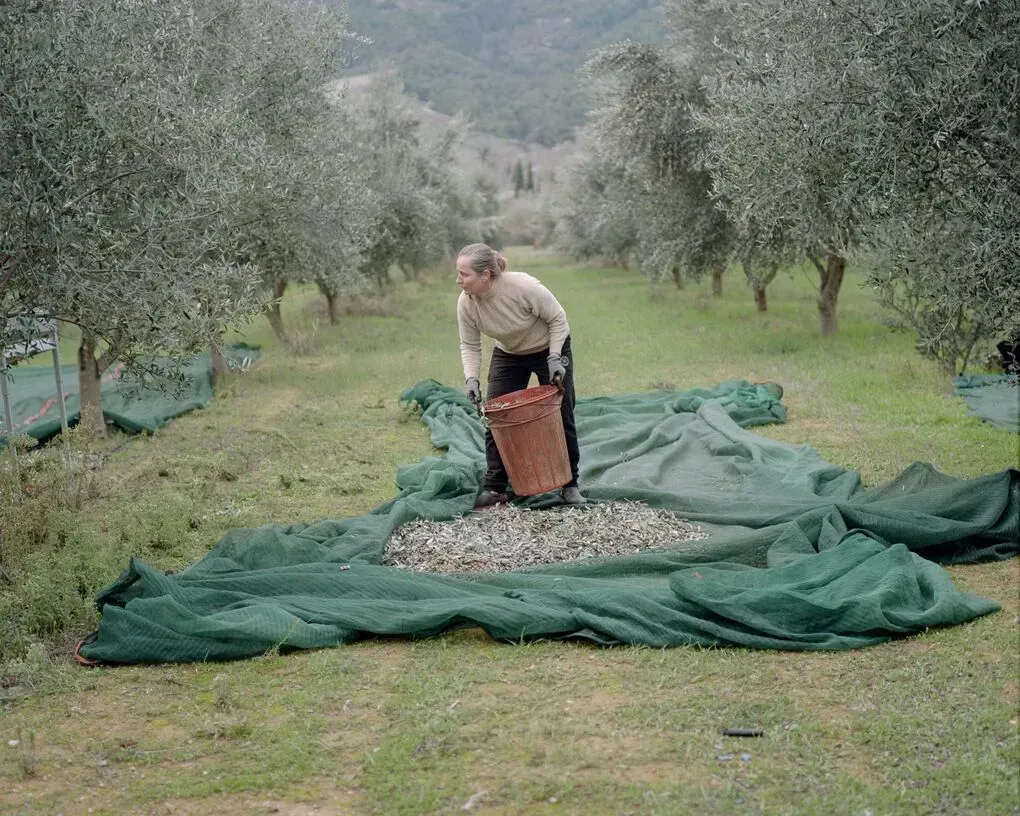
"The Olive Oil Crisis"
By Lauren Markham for Bloomberg
Having a love for olives, I was immediately drawn to this story. Lauren Markham's reporting depicts the compounding problems of the world through the lens of Greek farmers. With rising theft in fields and threats to the harvest as the world warms, olive farmers continue to adapt. This reminds us of the fragility and resilience of the food systems we often take for granted.
– Katherine Jossi
Program Coordinator, Editorial & Communications
United States
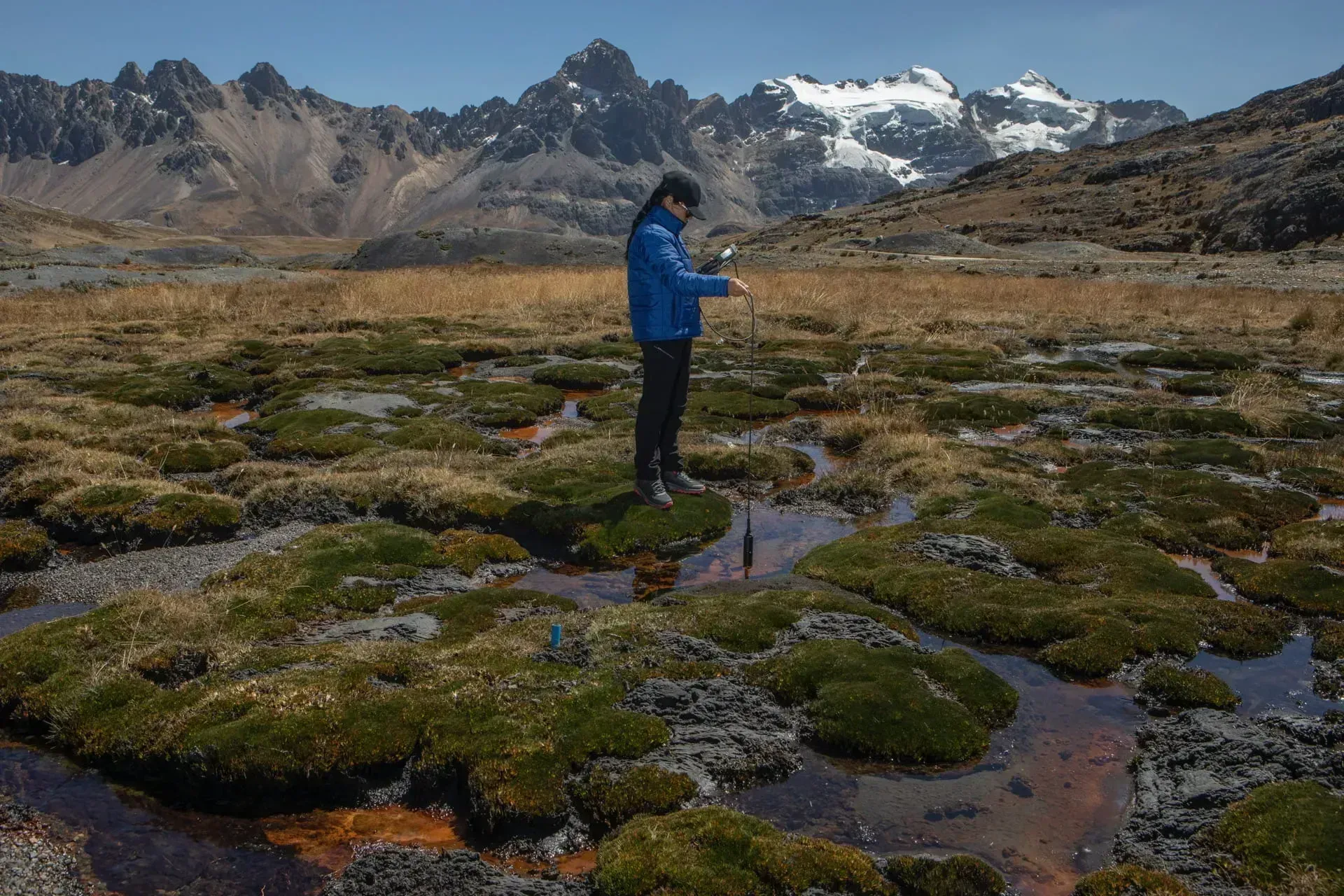
"Where Glaciers Melt, the Rivers Run Red"
By Mitra Taj and Marco Garro for The New York Times
Mitra Taj and Marco Garro shed light on a globally underreported issue: As tropical glaciers vanish, they reveal acidic mountain rocks. These rocks are now poisoning water streams vital for Peruvian Andes communities, mirroring the contamination caused by mining tailings. The project also showcases local communities in their search for solutions.
–Alonso Balbuena
Social Media Coordinator
Peru
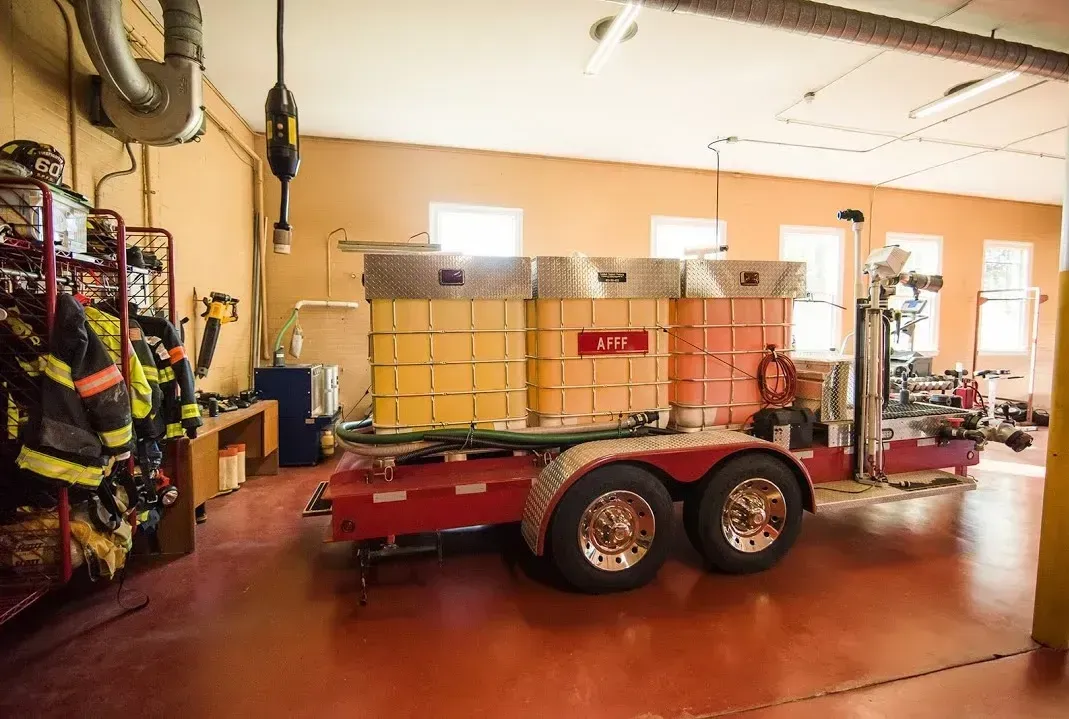
"A Fire Hose of 'Forever Chemicals'"
By Marina Schauffler for Maine Morning Star
Marina Schauffler's biggest challenge was not the investigation, but how best to reach firefighters about PFAS exposure. To broaden the reach of her series, she created easy-to-share content, including short videos, fact sheets, and safety posters, which circulated easily among Maine fire departments, legislators, and 135 fire service contacts nationwide, including firefighter unions in the Midwest.
– Steve Sapienza
Senior Editor, U.S. News Partnerships
United States
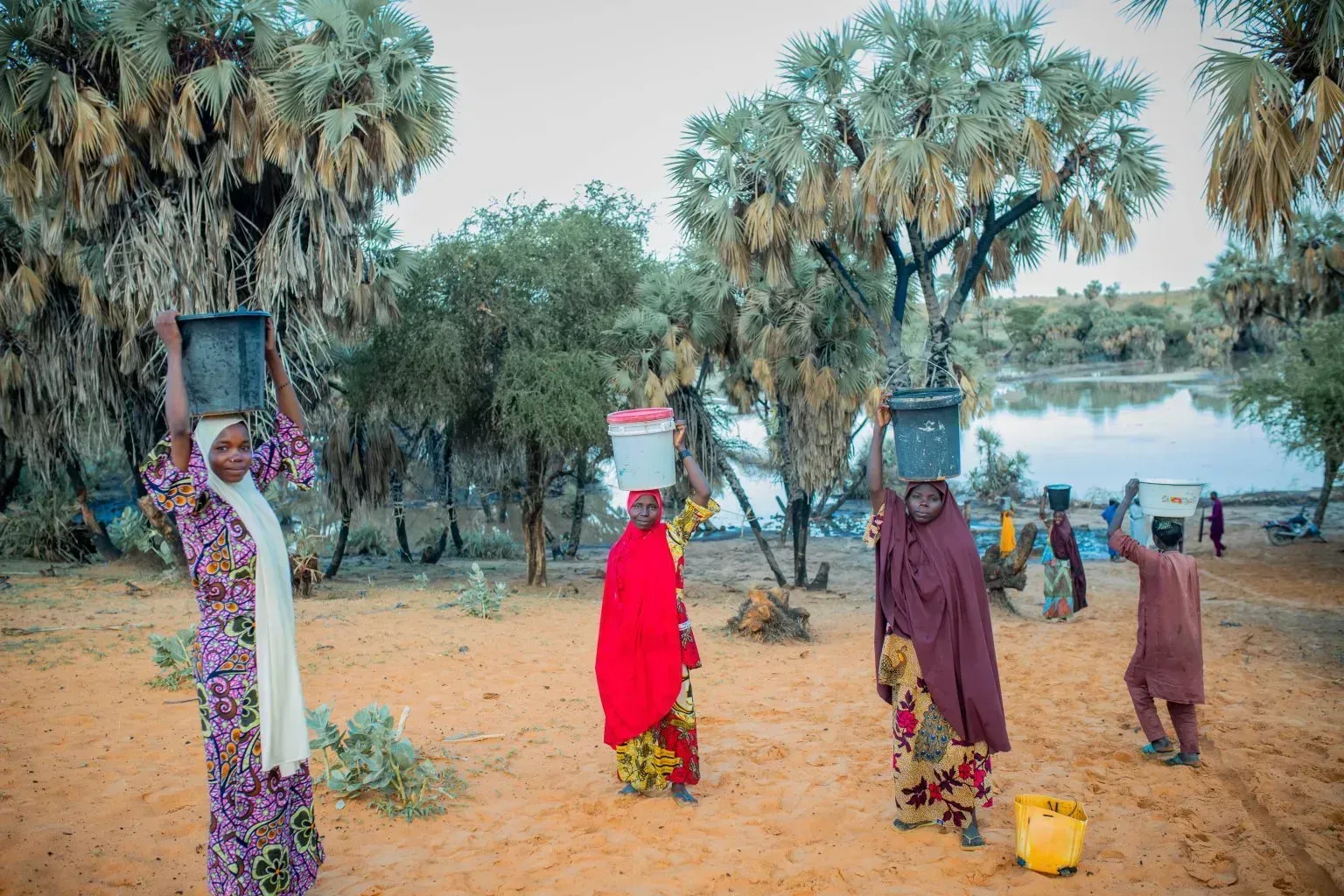
"Climate Shocks, Governance Gaps and the Refugee Crisis in the Sahel"
By Ibrahim Adeyemi for HumAngle
This story shed light on how the climate crisis is fueling transborder conflicts in the Sahel region. Desertification and floods have pushed hundreds of Nigerian residents to migrate to neighboring communities in Cameroon and the Niger Republic for farming, exacerbating intra-community violence between farmers and herders, and fueling transborder insecurity.
– Madeleine Ngeunga
Regional Editor, Africa
Cameroon
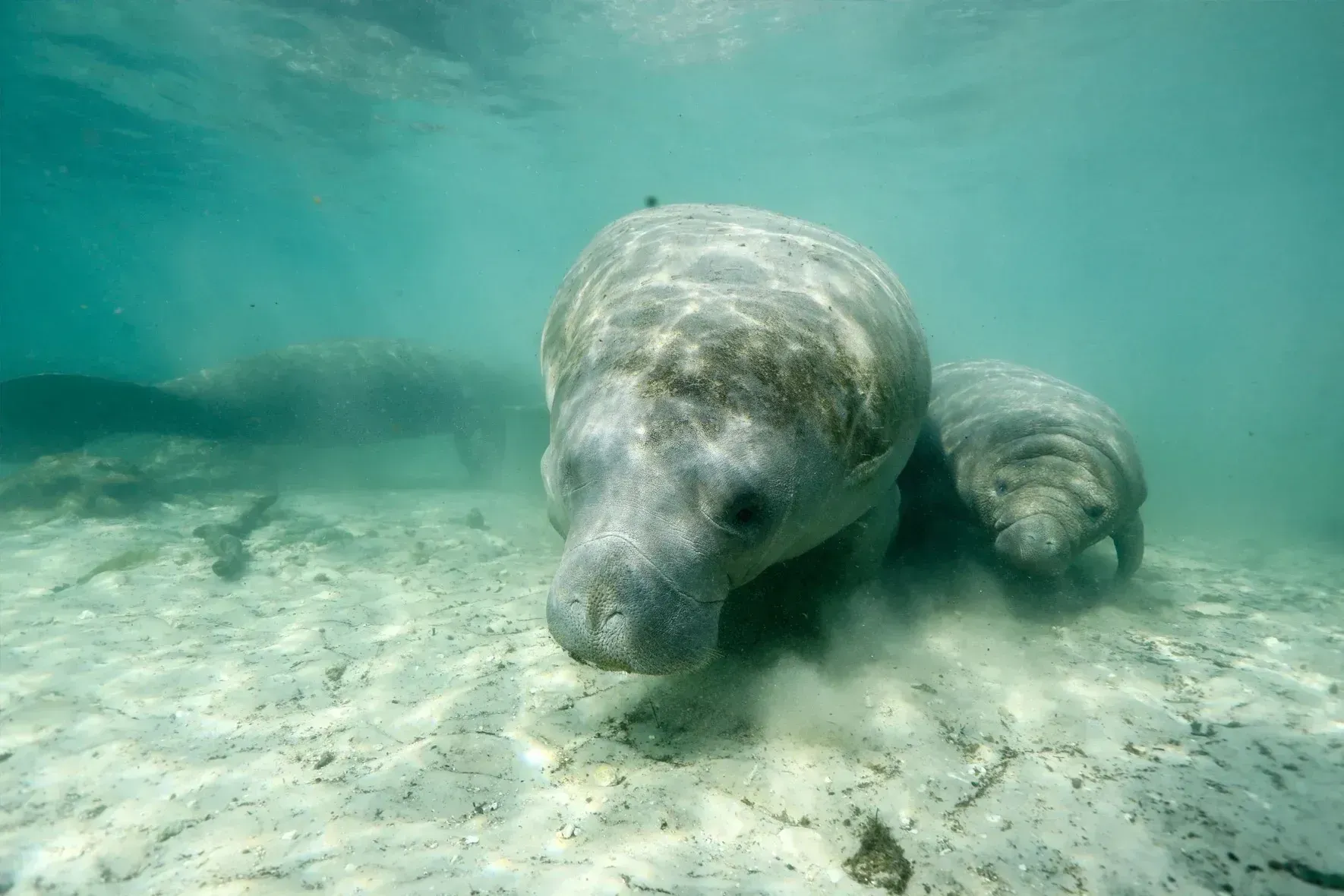
"Wasting Away: Rampant Pollution Caused Manatees To Starve. Florida Waters Are Getting Worse."
By Zachary T. Sampson, Shreya Vuttaluru, and Bethany Barnes for Tampa Bay Times
I'm a sixth-generation Floridian, and I care deeply about the fragile environment of my home state. This project continues a tradition of strong watchdog reporting that exposes polluters and regulatory failures harming nature and precious species like manatees. A poem from Texas high school student Neev Pratap, “what we do to quiet things,” that was inspired by this project gave me chills.
– Lisa Gibbs
CEO & President
United States
Peace & Conflict
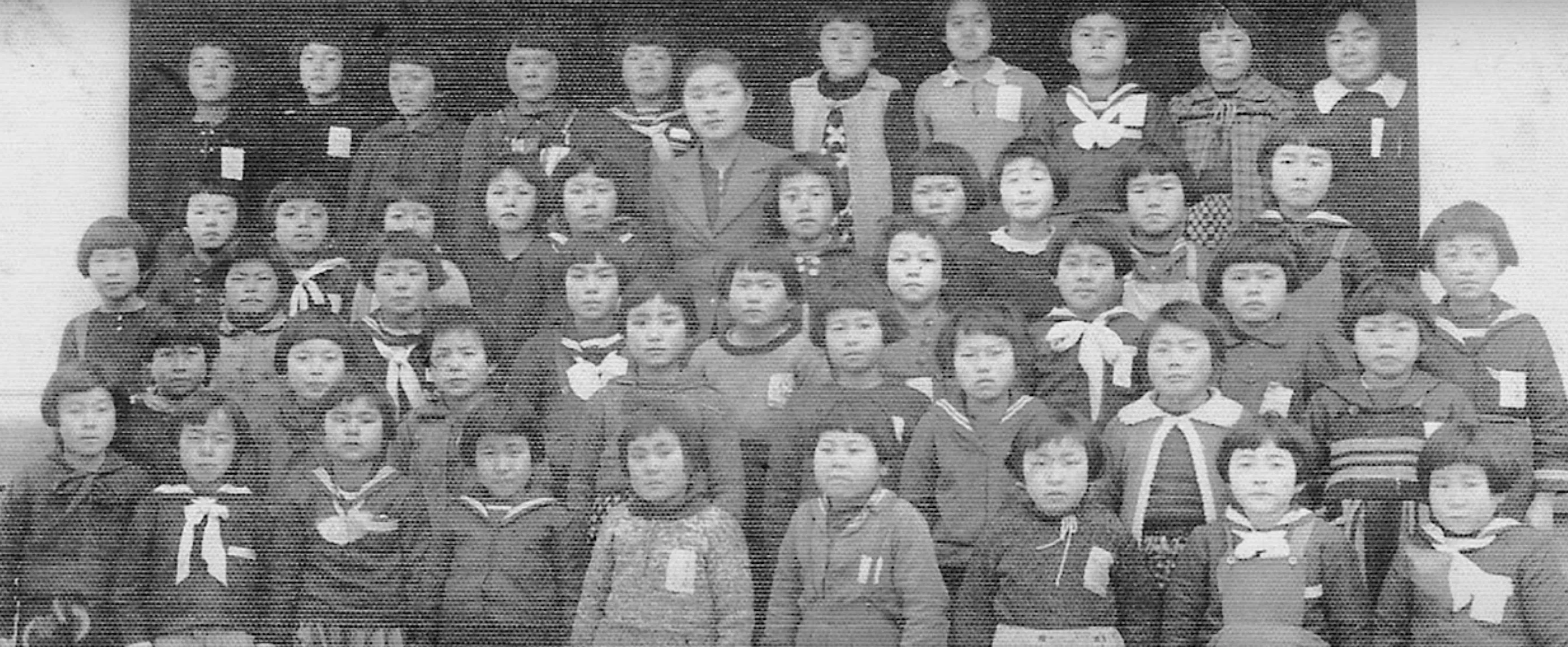
"What Japan’s Atom Bomb Survivors Have Taught Us About the Dangers of Nuclear War"
By Scott Michels for Retro Report
“There may come a day when no one is left to tell the stories.” This quote from a documentary of testimonies from Japanese atom bomb survivors fully encompasses the importance in highlighting stories from the past that can influence our collective future. The accompanying resources for students also pass the role of storyteller to younger generations, as they reflect on the devastating effects of war and identify efforts toward peace.
– Elliott Adams
Digital Communications Coordinator
United States
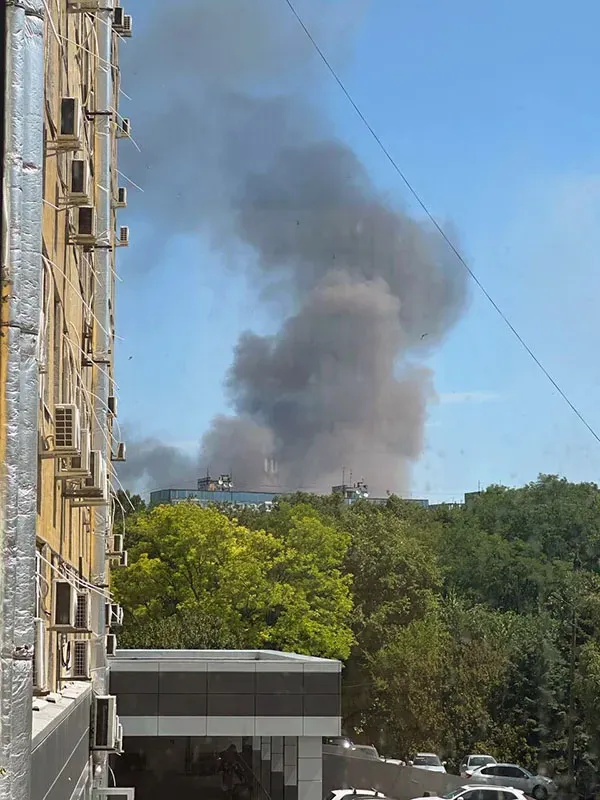
"The Pernicious Infections Infiltrating Ukraine’s Front Lines"
By Richard Stone for Knowable Magazine
Every year I'm intrigued by Pulitzer Center stories about the scientific underbelly of the world's biggest headlines. This year is no different. These stories cover the ingenuity of scientists at the front lines of not only today's war, but larger issues of superbug pandemics and the future of warfare.
– Alexandra Waddell
Digital Content Coordinator & Research Assistant
United States
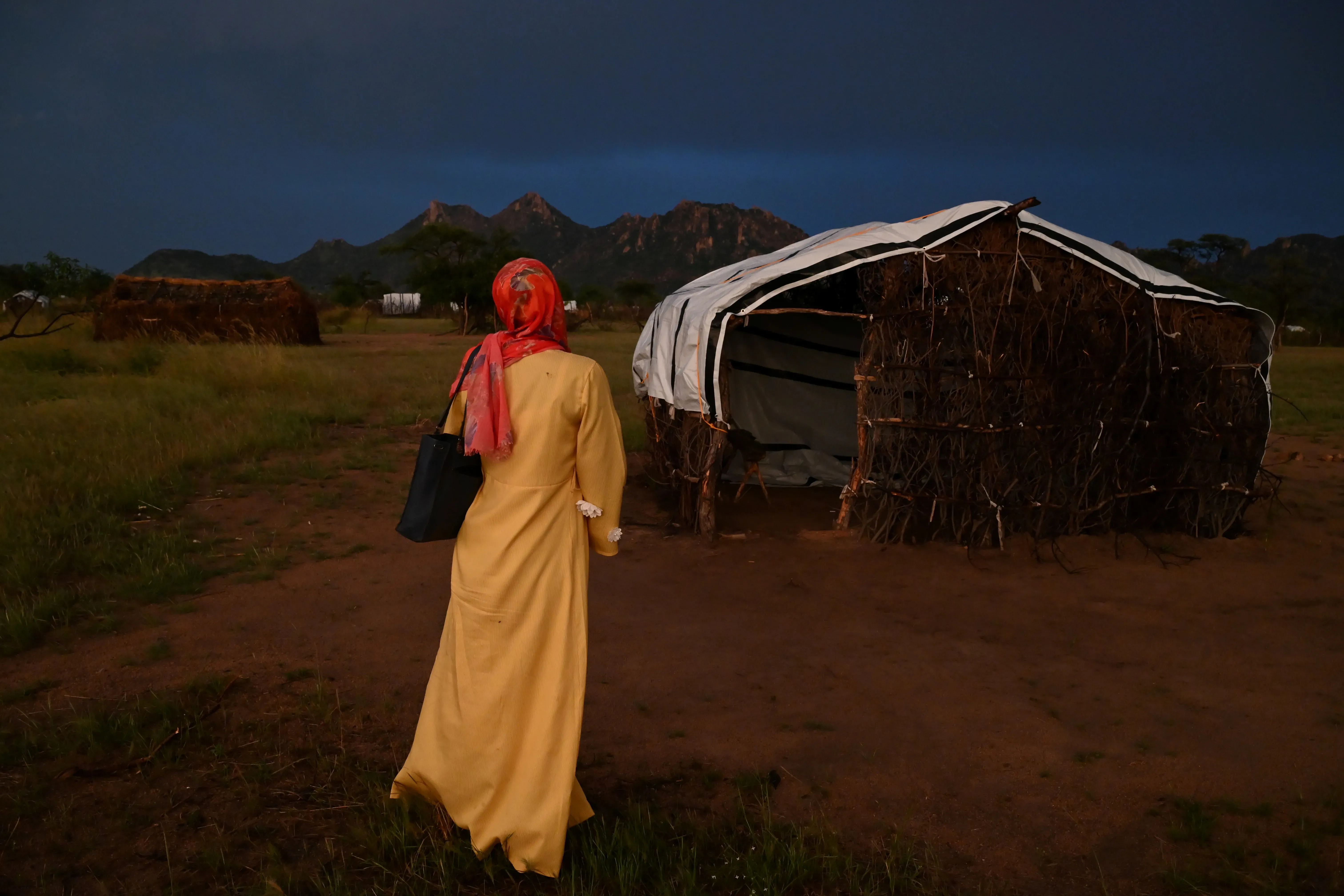
"Escape From Khartoum"
By Nicolas Niarchos for The New Yorker
This story is a rare and intimate look at one family’s attempt to survive as Sudan’s civil war erupts around them. Through personal testimonies, deep historical context, and powerful photography, Nicolas Niarchos traces the conflict’s roots and its consequences with human-centered storytelling.
– Sarah Swan
Director of Communications and Audience Engagement
United States
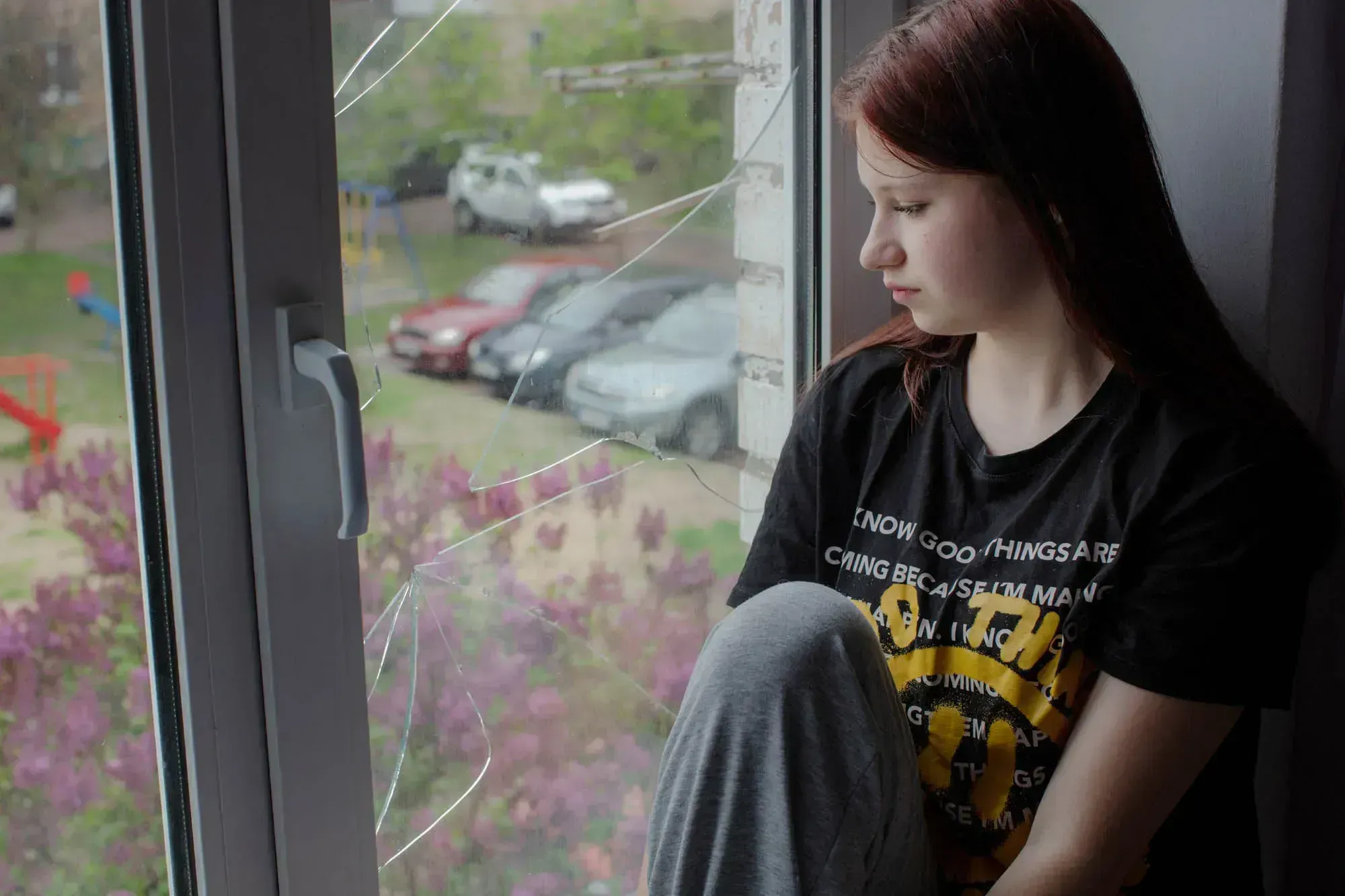
"Growing Up During Wartime"
By Natalie Keyssar for Rolling Stone
Teenagers have few remaining trustworthy outlets to see global news through the eyes of their peers; this story does just that with empathy and respect, showing the real effects of the Ukraine war on the everyday lives of teenagers living through conflict while navigating already turbulent years.
– Grace Jensen
Digital Production Coordinator
United States
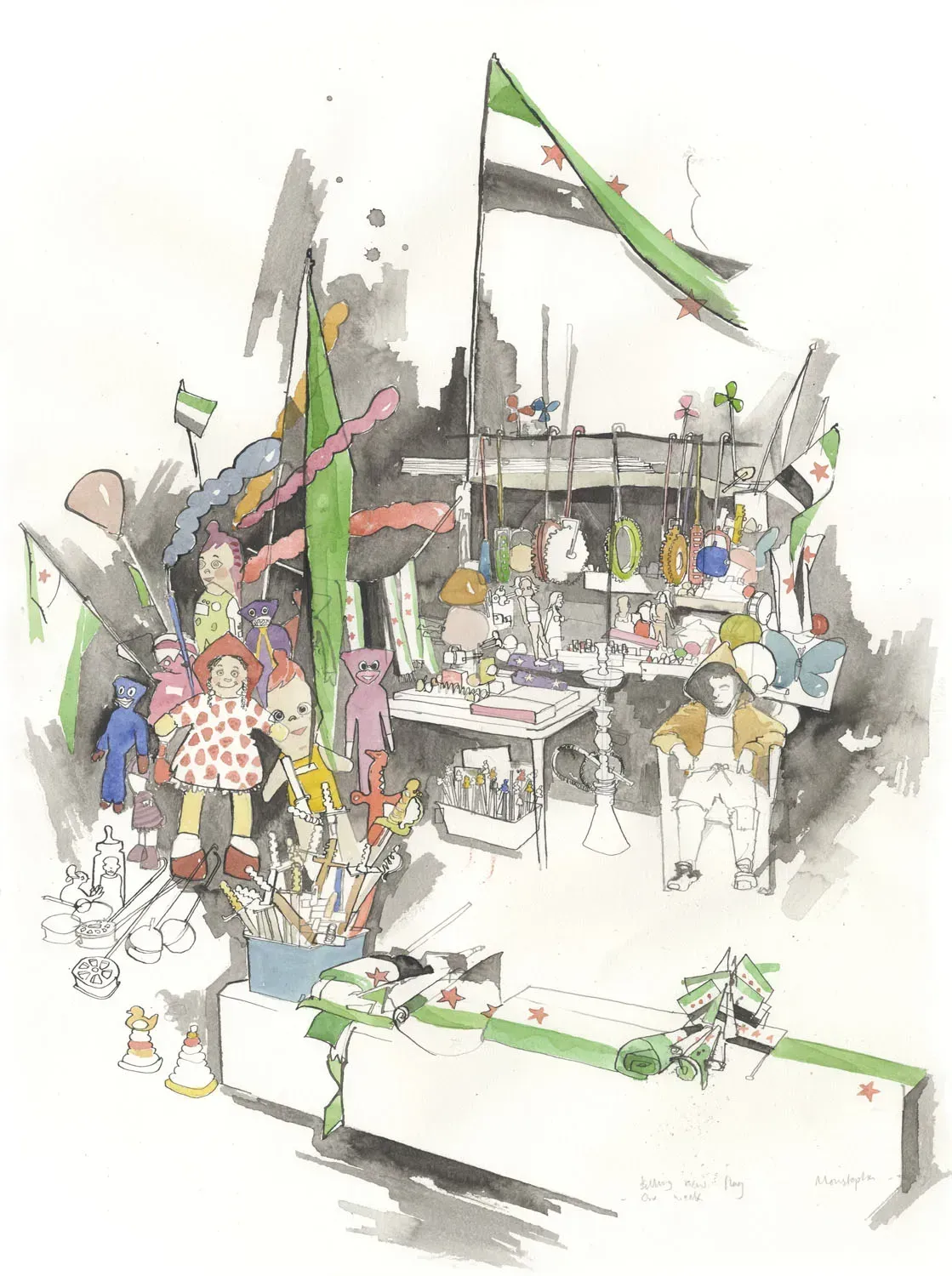
"In the Silences Between Caution and Hope"
By George Butler for Virginia Quarterly Review
Having spent time in Syria, and having the opportunity to share tea and delicious meals with so many Syrians before the war, I find these portraits of everyday people to be such a critical window into not just the country, but the larger region. George Butler's hand-drawn images challenge stereotypes and let the humanity of a people and culture, too often misunderstood and misrepresented, become relatable and real.
– Nathalie Applewhite
Director of Strategic Partnerships
United States
Global Health
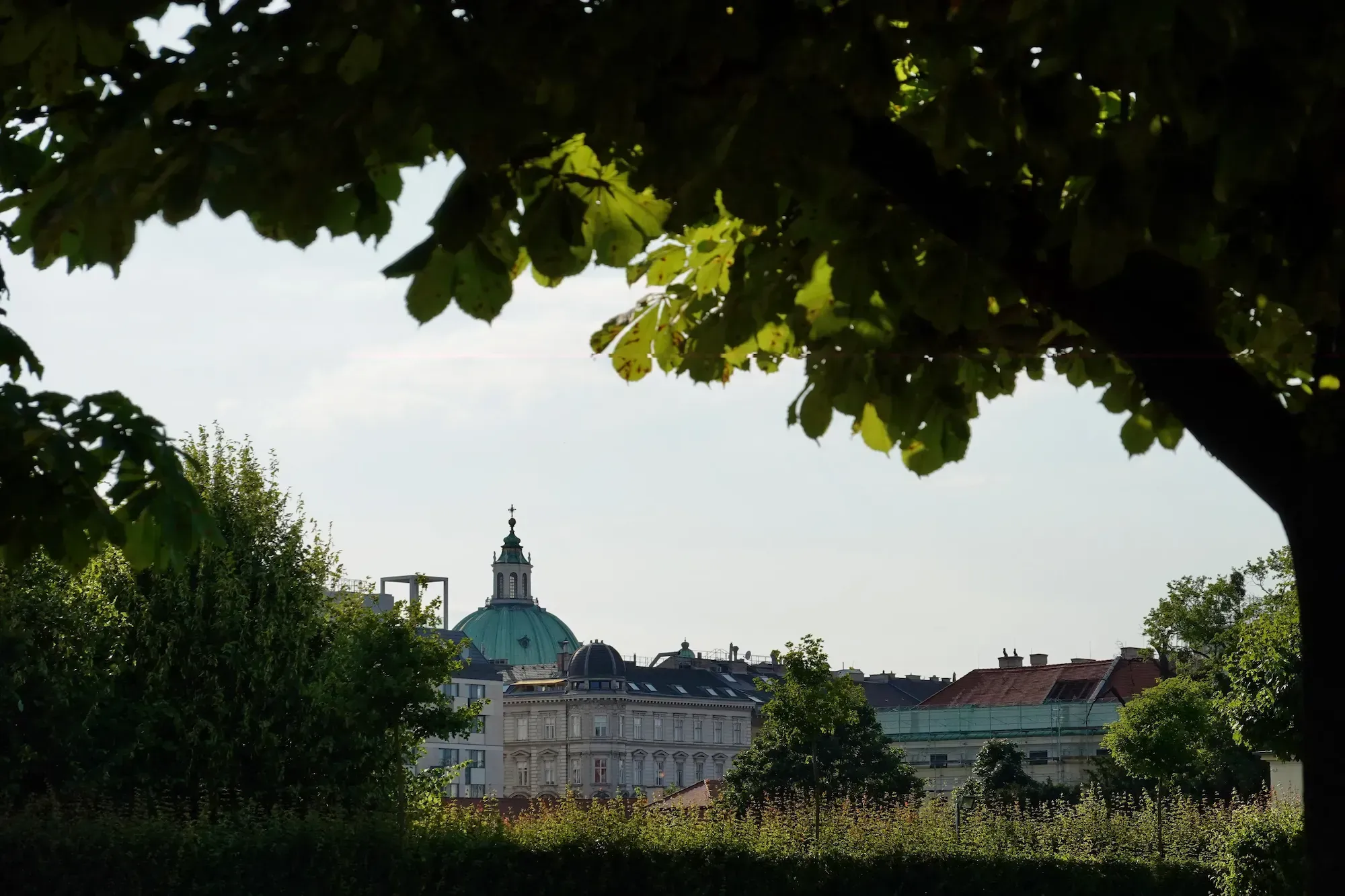
“Far From Home, Carried by Community: In Austria, a Quiet Network Sustains Filipino Nurses”
By Cat Carroll for the Pulitzer Center
Cat Carroll's reporting brings a human lens to the Austrian government's policy for recruitment of Filipino nurses. As she puts it, "The Alpine nation may recruit workers, but it’s the Filipino community that keeps them whole." This story of cultivated community in a new home gives me hope.
– Libby Moeller
Program Manager
United States
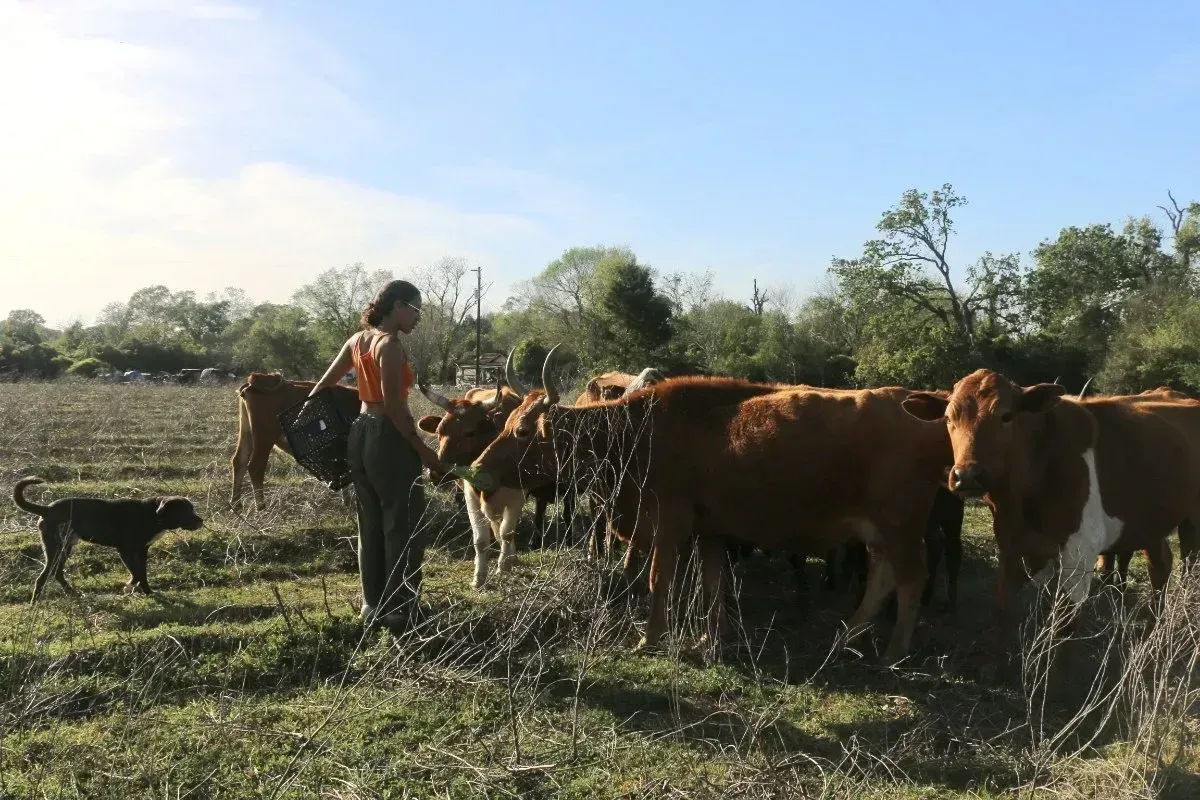
“This Queer Couple Supports LGBTQ+ and BIPOC Farmers’ Mental Health”
By Nicole J. Caruth for Civil Eats
Nicole J. Caruth's story about the mental health crises facing LGBTQ+ and BIPOC farmers in the American South manages to avoid hopelessness. She tackles a difficult subject with care and optimism, highlighting "beauty and hope" in her reporting about a queer Texas couple working to build community and support their neighbors.
– Jazmyn Gray
Program Coordinator
United States
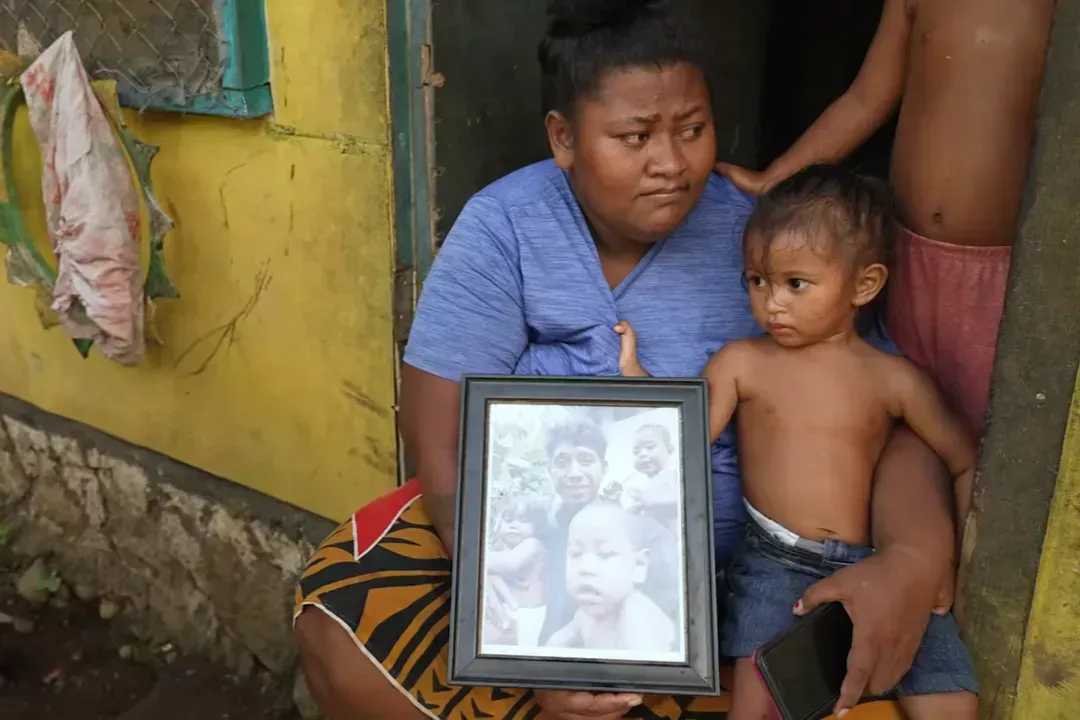
"ANF Investigates: 'Tragedy in Paradise'"
By Andy Pierrotti and the Atlanta News First team
This local TV investigation in Georgia reveals how anti-vax sentiment in Samoa fueled the 2019 measles outbreak that killed more than 80 people, mostly children. Reporters traveled to Samoa to examine the influence of Robert F. Kennedy Jr. and anti-vax activists. The stories were published just as RFK Jr. was taking over as U.S. secretary of Health and Human Services. Interviews with grieving parents and health officials made the television, text, and documentary coverage both sensitive and deeply probing.
– Susan Ferriss
Senior Editor
United States
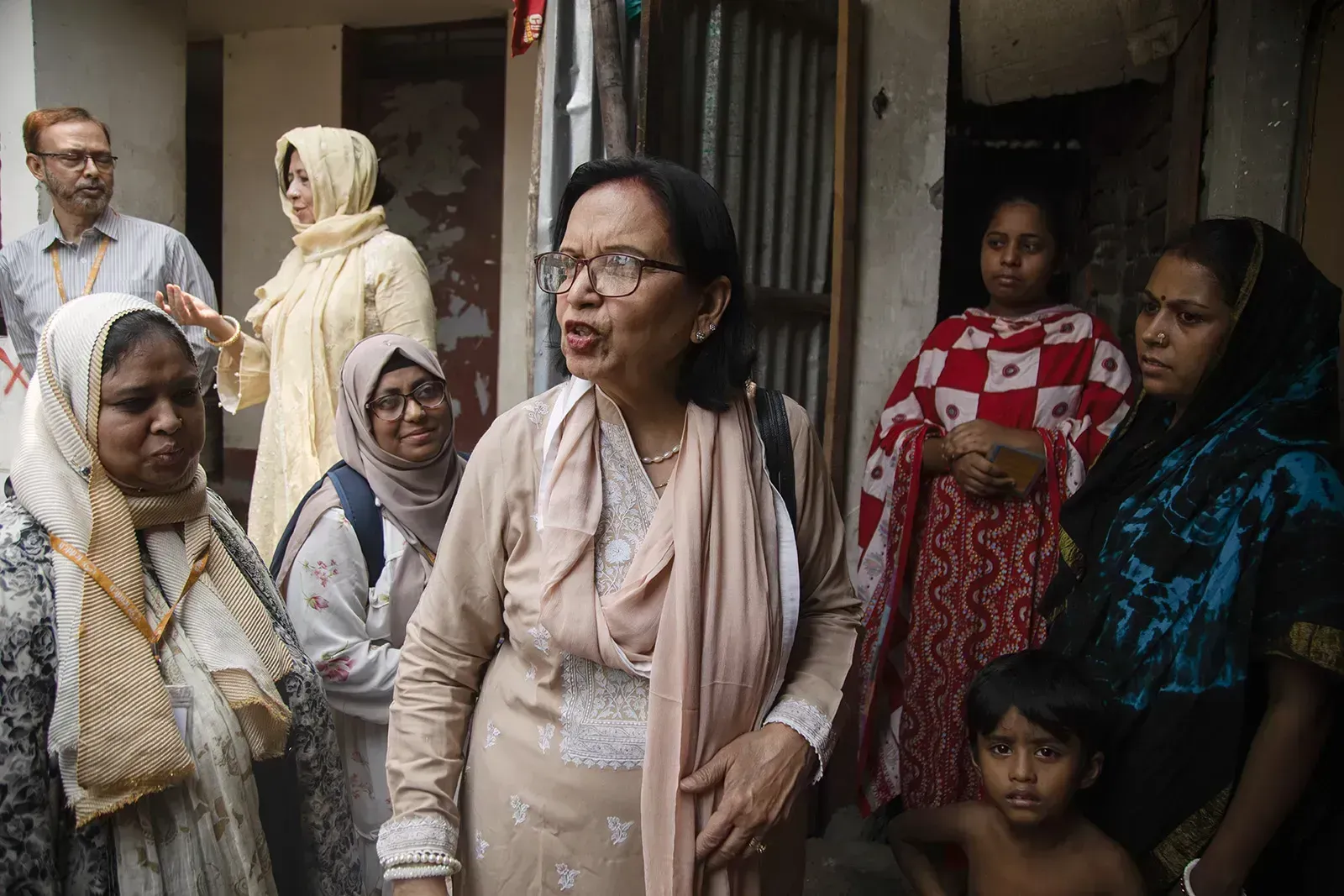
"In the Cradle of Cholera"
By Martin Enserink for Science
This reporting explores Bangladesh's current challenges with cholera by exploring the country's public health history and examining the many systemic issues that have led to a rise in cholera cases. By centering an advocate like Dr. Qadri throughout the reporting, the audience can explore the issue through a solutions-oriented lens.
– Sushmita Mukherjee
Program Manager
United States
Human Rights
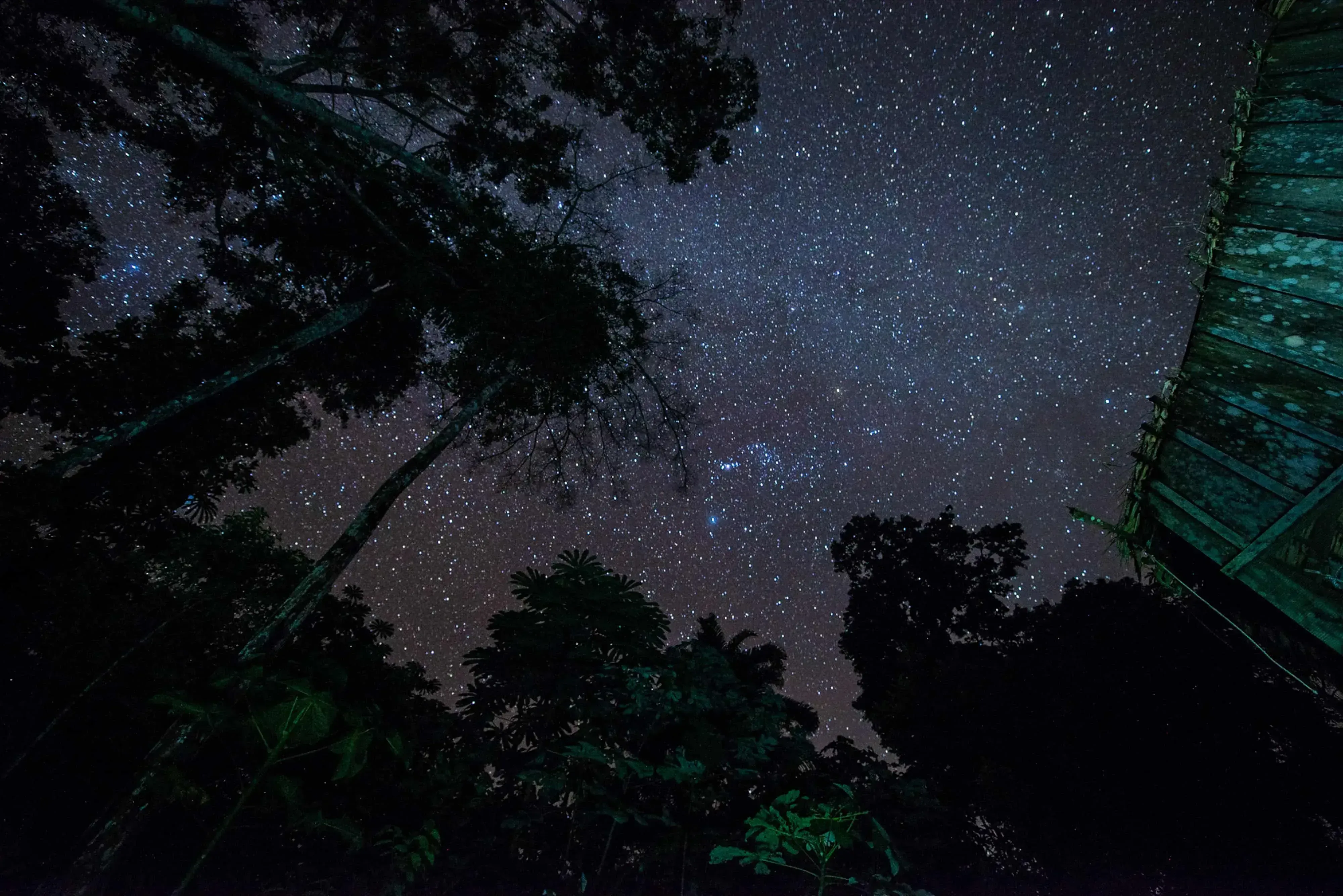
"Missionaries Using Secret Audio Devices To Evangelise Brazil’s Isolated Peoples"
By John Reid, Daniel Biasetto, and Paulo Múmia for The Guardian
This story was stumbled upon by the journalists while conducting field work in the Amazon. They discovered that missionaries were planting illegal audio devices in the Amazon to evangelize uncontacted peoples. This is part of their larger investigation into threats against the uncontacted peoples living in the borderlands between Brazil and Peru.
— Ella Beiser
Editorial Intern
Chile
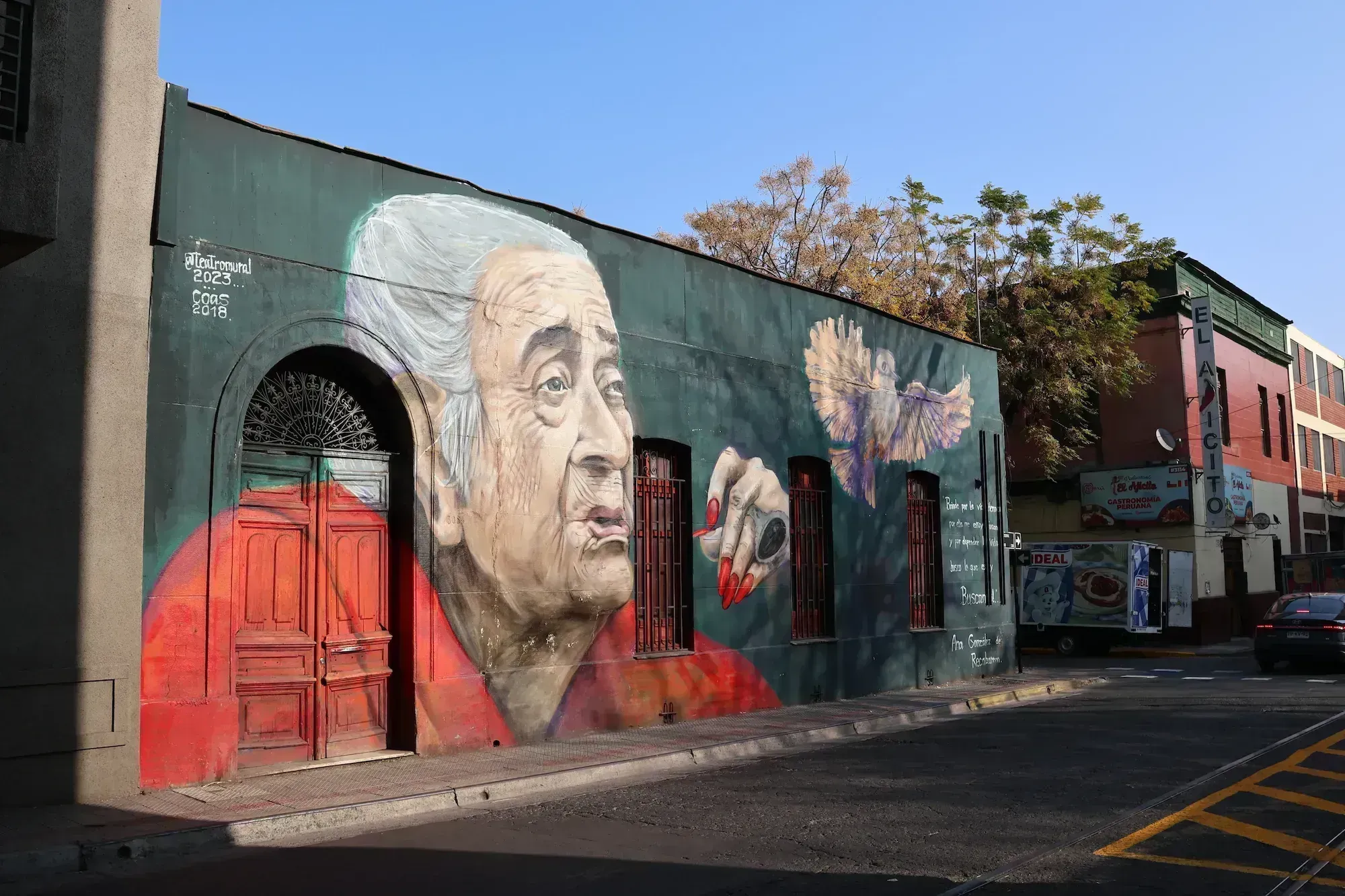
"Photo Essay: Resistance Art in Chile"
By Graham Owens for the Pulitzer Center
This photo essay does more than just document, it takes us inside Chilean streets and walls in a way words alone couldn't. Every image feels like a piece of lived experience: You can almost feel the energy of the protests, the hope, and the anger. The photographer's documentation shows the urgency of visual culture as a means of social voice and protest.
– Vijitra Duangdee
Program Manager, Outreach, Southeast Asia
Thailand
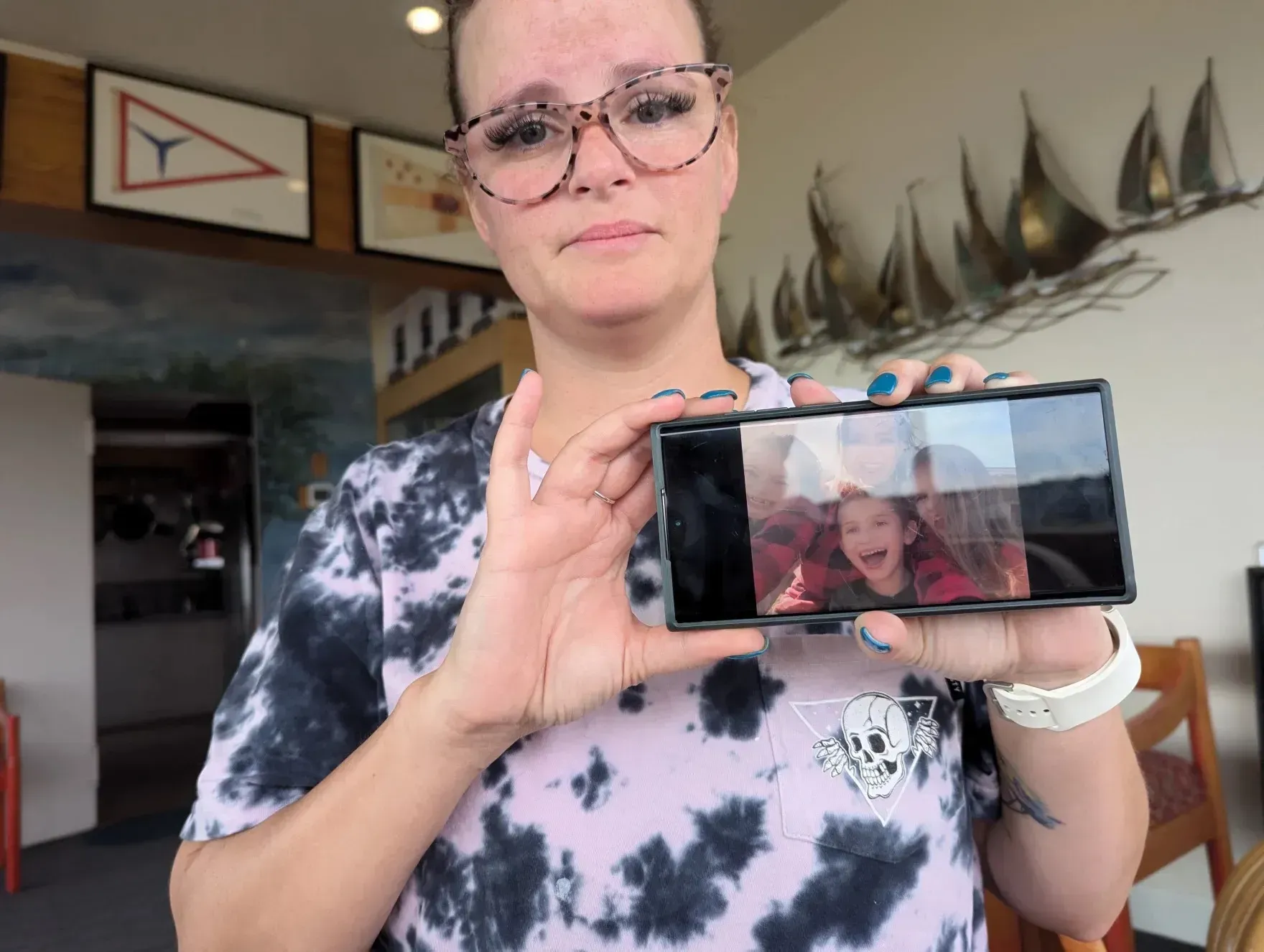
"Texas Left More Children in Dangerous Homes While Cutting Services. Tragedy Followed."
By Paul Flahive for Texas Public Radio
This summary of Paul Flahive's detailed and compassionate multimedia series builds on a database the Texas Public Radio team created to document the deaths of 1,200 children over six years due to abuse or neglect, 50% of whom were in homes where abuse or neglect had been previously reported to state agencies.
– Fareed Mostoufi
Associate Director of K-12 Education
United States
"Young Activists Risk All To Defend Cambodia’s Environment"
By Andy Ball and Marta Kasztelan for Mongabay
This film documents how young people continue to dream, speak, and resist under an authoritarian state that weaponizes the legal system against civic action. Its beauty is in spotlighting not just a few individuals' extraordinary bravery, but also how their relationships strengthen their resolve.
– Hannah Berk
Senior Program Manager
United States
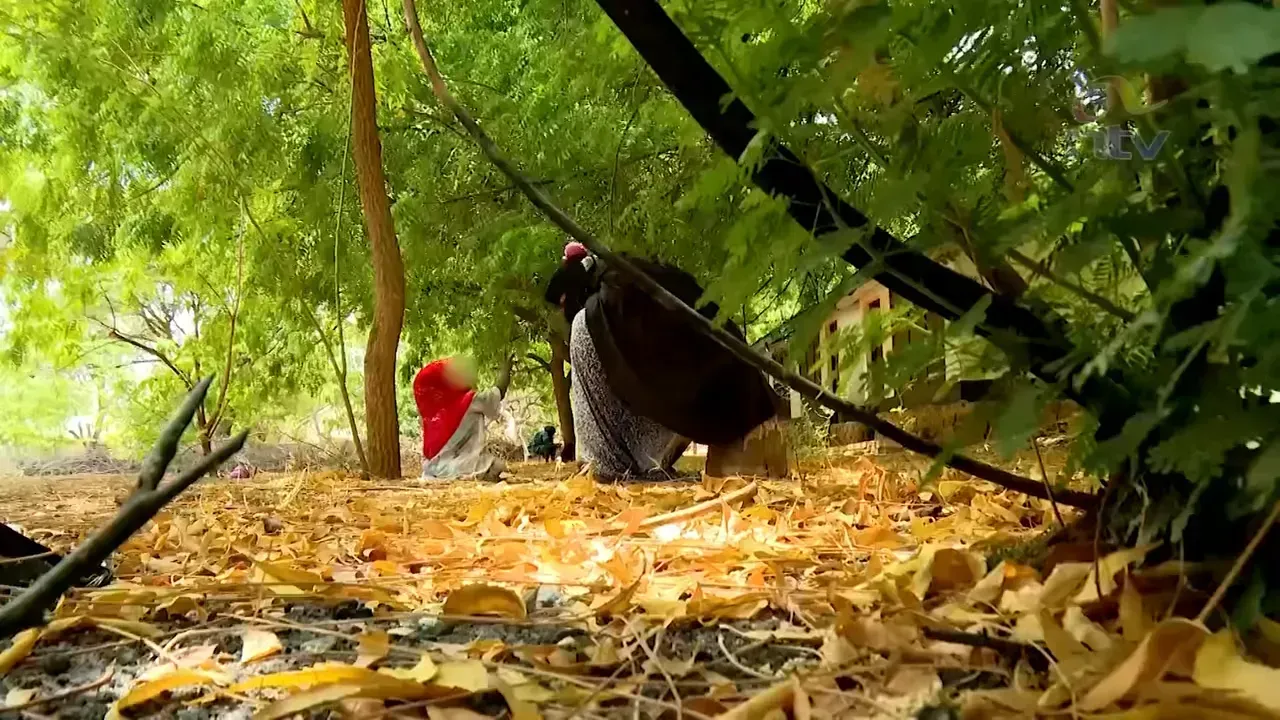
"Silenced Suffering: Some Perpetrators Allowed To Walk Free After Raping Girls in Kenya"
By Rose Wangui for NTV
Rose Wangui shows how the traditional conflict-resolution system known as Maslaha in north-eastern Kenya is undermining justice for survivors of sexual and gender-based violence. In these informal systems, male elders mediate cases of rape, serious criminal offenses under Kenyan law, often settling them with compensation in money or livestock, but allowing abusers to avoid criminal court. The documentary received a lot of comments online, with people asking for justice for the victims.
–Augustine Kasambule
Program Coordinator, Congo Basin
Congo (DRC)
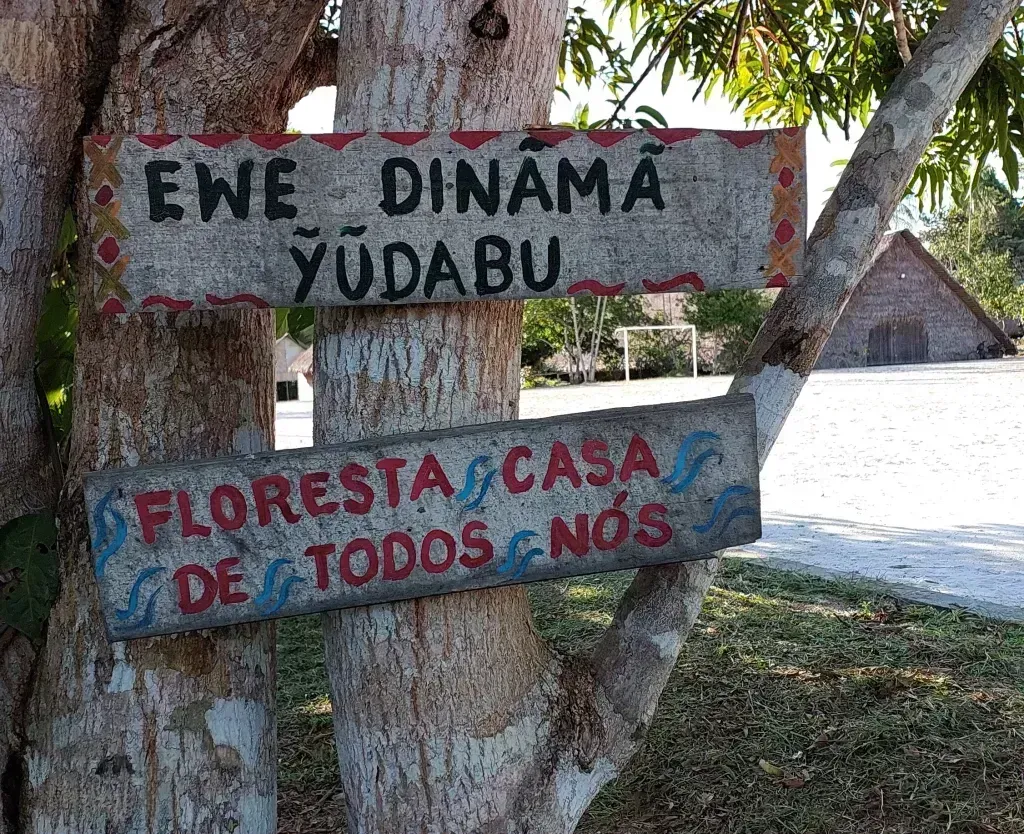
"The Return of Goreth Suruí (Portuguese)"
By Vitor Hugo Brandalise for Rádio Novelo
This story about an extremely sensitive subject—the kidnapping of an Indigenous child and the abuse suffered throughout his life—is masterfully narrated by the reporter in an atmosphere of trust and empathy with his source. It is a personal journey that reveals the deep-rooted problems of the development model imposed on the Amazon and its impact on the most vulnerable populations.
– Gustavo Faleiros
Director of Environmental Investigations
Brazil
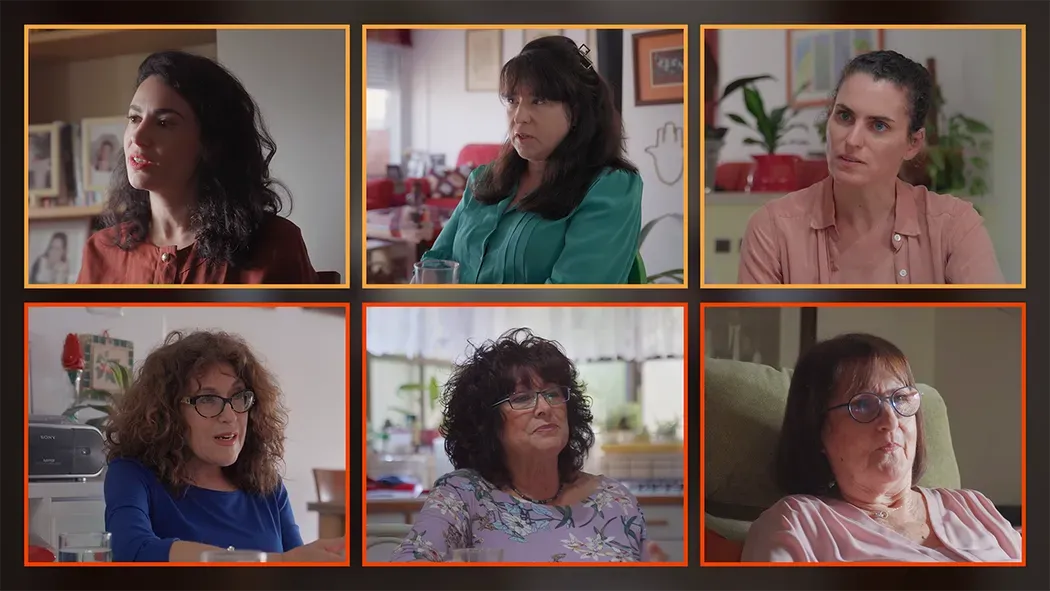
"Op-Doc: Don’t Know How To Face Your Mom? Talk to Your Friend’s Mom Instead"
By Iris Zaki for The New York Times
Telling stories from Israel not related to death and destruction in Gaza is challenging. Iris Zaki rises to the challenge in this smart documentary about why some Israeli women choose not to have children.
– Tom Hundley
Senior Editor
United States
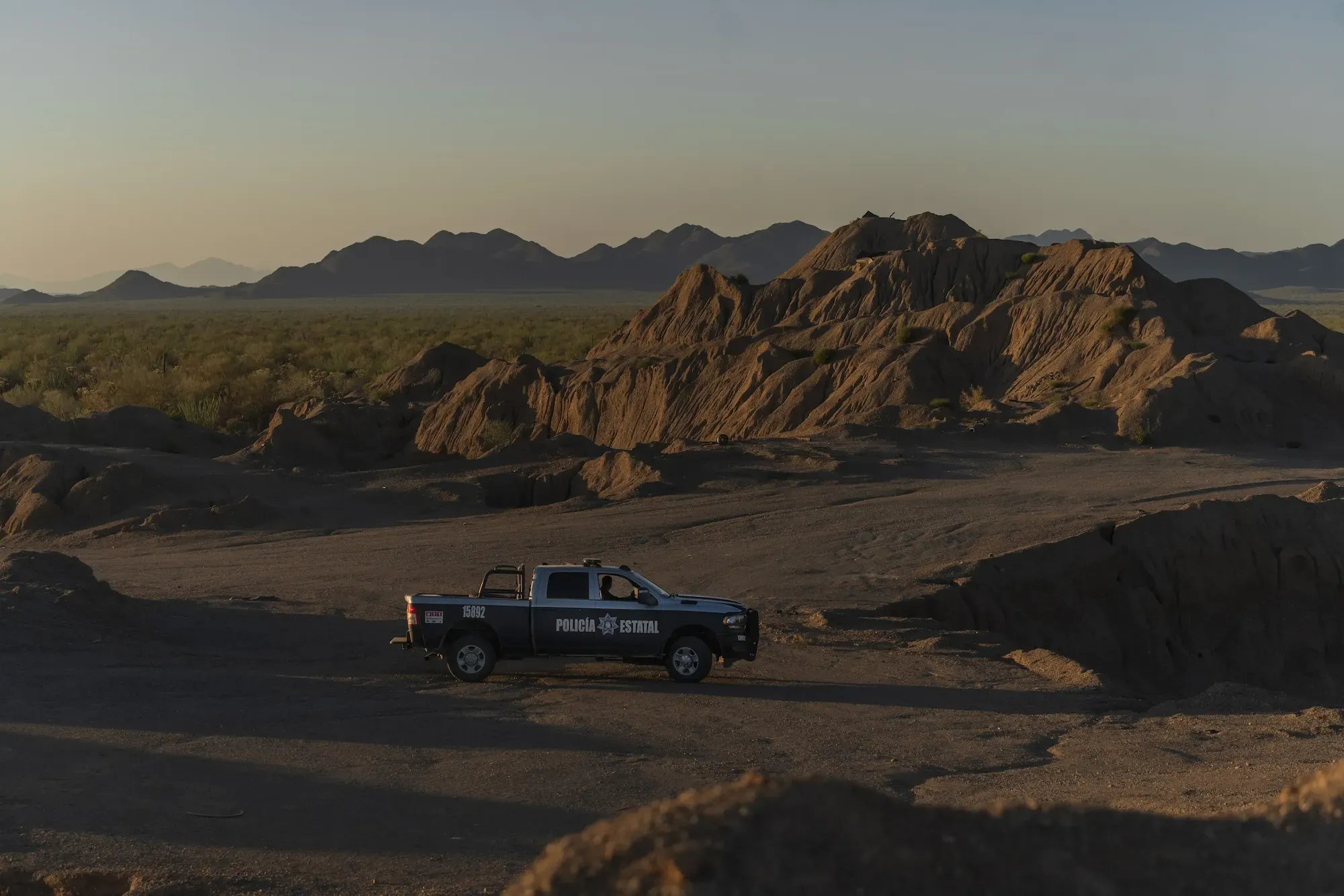
"Gold, Guns and Cartels: The Battle for a Billion-Dollar Mine"
By Steve Fisher for the Los Angeles Times
The story reads like an action movie, complete with drama, adventure, and suspense, while also providing a different look at cartel violence.
– Dana Thompson
Publishing Manager
United States
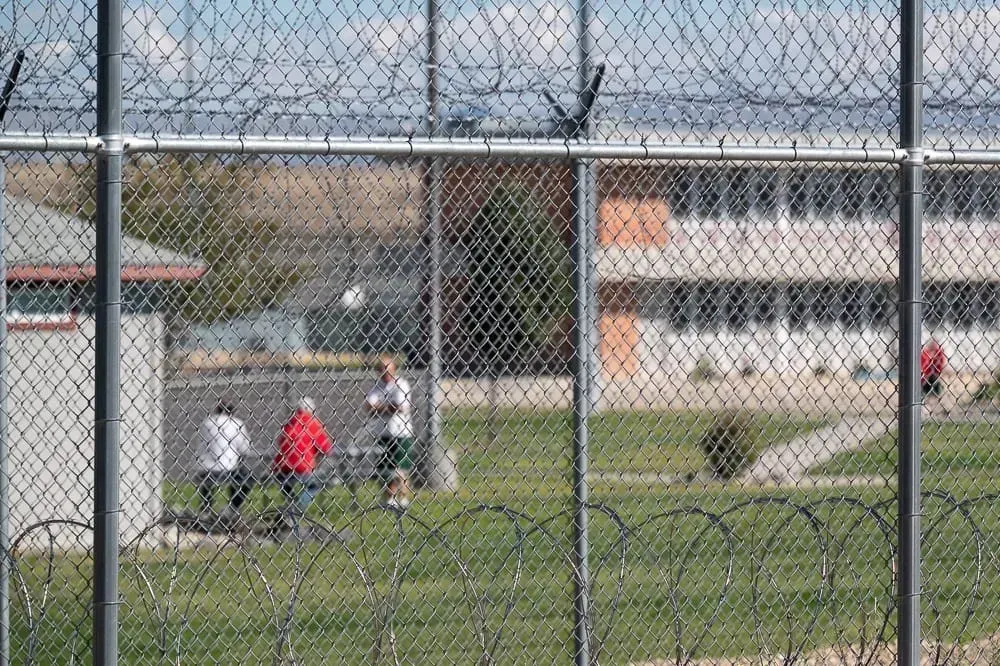
“Staff Sexual Abuse in Idaho Women’s Prisons Goes Largely Unchecked”
By Whitney Bryen and Wilson Criscione for InvestigateWest
InvestigateWest's investigation into sexual abuse in Idaho's women's prisons exposed systemic failures that protected staff. This yearlong project exemplifies investigative journalism's power to break institutional cultures, leading to calls from the community for an independent investigation and accountability from the Department of Correction.
– Mikaela Schmitt, Program Manager, U.S. Outreach
United States