Main Menu Navigation
Pulitzer Center Logo
View Primary Menu
Search
  • ABOUT
    Our Mission and Model Staff Board of Directors Impact Annual Reports Donors Ethics and Standards Diversity, Equity, and Inclusion Employment
  • UPDATES
  • EVENTS
    Upcoming Events Conferences
  • WEBINARS ON-DEMAND
  • COMMUNITY
  • IMPACT
DONATE
  • JOURNALISM
      • PULITZER CENTER JOURNALISM
      • STORIES
      • Stories by Pulitzer Center Grantees
      • Stories by Student Reporting Fellows
      • PROJECTS
      • FIELD NOTES
      • APPLY FOR JOURNALISM GRANTS
      • FOCUS AREAS
      • Climate and Environment
      • Global Health
      • Peace and Conflict
      • Human Rights
      • Information and Artificial Intelligence
      • INITIATIVES
      • AI Accountability Network
      • AI Spotlight Series
      • StoryReach U.S.
      • U.S. Local News Reporting
      • Ocean Reporting Network
      • Rainforest Investigations Network
      • Rainforest Reporting
      • Transparency and Governance
      • Our Work/Environment
      • NEWSLETTER ARCHIVE
  • EDUCATION
      • CAMPUS CONSORTIUM PROGRAM & PARTNERS
      • Campus Consortium Program
      • Campus Consortium News
      • Campus Consortium Partners
      • Reporting Fellowships
      • Reporting Fellow Bios
      • Stories by Reporting Fellows
      • Resources for Reporting Fellows
      • Campus Consortium Advisory Council
      • Join the Campus Consortium Network
      • INTERNATIONAL EDUCATION AND OUTREACH
      • K-12 PROGRAMS AND RESOURCES
      • Programs for Teachers and Students
      • Lesson Plans
      • Journalist Visits to Classrooms
      • The 1619 Project Education Portal
      • Student Contests
      • Professional Development for Educators
      • Journalism Skillbuilder Lesson Series
      • K-12 Education News
  • GRANTS & FELLOWSHIPS
      • GRANTS & FELLOWSHIPS
      • Tips for a Successful Grant Application
      • Pulitzer Center Crediting Requirements
      • OPPORTUNITIES FOR JOURNALISTS
      • Global Reporting Grants
      • AI Reporting Grants
      • Global Health Inequities, Risks and Solutions
      • Transparency & Governance Reporting Grants
      • U.S. Civil Society Microgrants 2026
      • Rainforest Reporting Grants
      • Conflict Reporting
      • Ocean and Fisheries Reporting Grants
      • Climate and Labor Reporting Grants
      • Africa Reporting Grants
      • U.S. Local Reporting Grants
      • Machine Learning Reporting Grants
      • OPPORTUNITIES FOR EDUCATORS & CIVIL SOCIETY ORGS
      • The 1619 Project Education Impact Grants
      • Pulitzer Center Teacher Fellowship
      • Impact Seed Funding
      • U.S. Civil Society Microgrants 2026
      • OPPORTUNITIES FOR CAMPUS CONSORTIUM MEMBERS
      • Campus Consortium Reporting Fellowships
      • Post-Grad Reporting Fellowships
  • IMPACT
  • RESOURCES
  • COMMUNITY
  • EVENTS
  • WEBINARS ON-DEMAND
  • ABOUT
    Our Mission and Model Staff Board of Directors Impact Annual Reports Donors Ethics and Standards Diversity, Equity, and Inclusion Employment
  • UPDATES
  • EVENTS
    Upcoming Events Conferences
  • WEBINARS ON-DEMAND
  • COMMUNITY
  • IMPACT
DONATE

Rwanda

Use the Pulitzer Center Lesson Builder to find and create lesson plans on this country.


  • ×
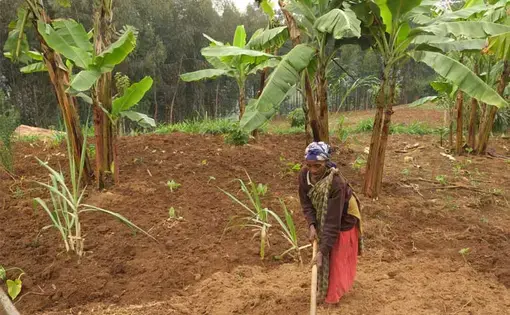
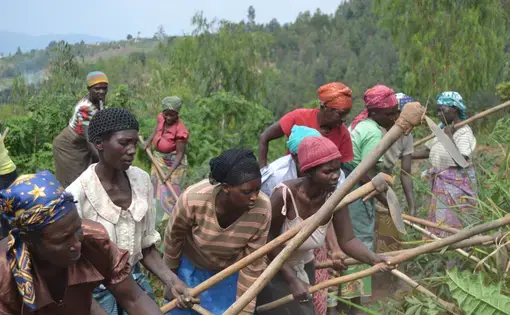
    In Rwanda's Southern Province, women of the Duteraninkunga till the soil in order to grow more cassavas, a root vegetable used to make flour. The cooperative is made up of 30 women. Image by Cammie Behnke. Rwanda, 2018.
    English
    PART OF: Redefining Gender Roles in Rwanda

    Women in Rwanda Redefine Gender Roles through Agribusiness

    author image
    Cammie Behnke
    2019 Reporting Fellow
    April 8, 2019
    Publication logo
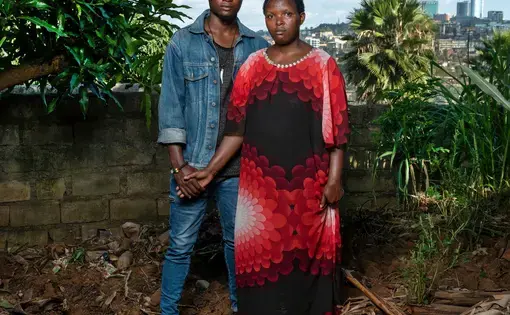
  • Josette, 40, and her son Thomas, 24: Josette was beaten and raped by militiamen. After the genocide, a pregnant Josette was rejected by members of her family. Thomas is now training to be a plumber. Image by Jonathan Torgovnik. Rwanda, 2018.
    English

    Project

    Disclosure—Rwandan Children Born of Rape

    Rwanda’s children born of genocide rape are coming of age—against the odds. Their mothers have now...

    author image
    Jonathan Torgovnik
    Grantee
    READ MORE ABOUT THIS PROJECT - Disclosure—Rwandan Children Born of Rape
  • ×
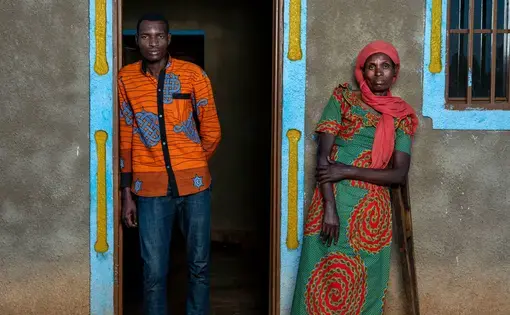
    Image by Jonathan Torgovnik. Rwanda, 2018.
    English
    PART OF: Disclosure—Rwandan Children Born of Rape

    Rwanda’s Children of Rape Have Come of Age

    author image
    Jonathan Torgovnik
    Grantee
    April 1, 2019
    Publication logo
  • ×
    Rwanda is almost entirely rural, earning itself the nickname "Land of a Thousand Hills." Image by Cammie Behnke. Rwanda, 2018.
    English
    PART OF: Redefining Gender Roles in Rwanda

    Reporting from the Hills: A Reporter's Reflection

    author image
    Cammie Behnke
    2019 Reporting Fellow
    March 15, 2019
    Publication logo
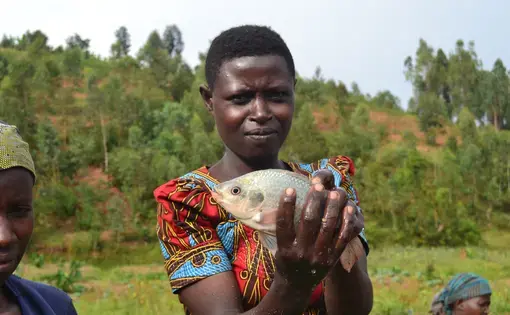
  • A member of the Amahoro fish farming cooperative holds up a fish she has caught. Image by Cammie Behnke. Rwanda, 2018.
    English

    Project

    Redefining Gender Roles in Rwanda

    Twenty-five years after the 1994 genocide, Rwanda has been labeled a champion for women's rights...

    author image
    Cammie Behnke
    2019 Reporting Fellow
    READ MORE ABOUT THIS PROJECT - Redefining Gender Roles in Rwanda
  • English

    Project

    Sucked Dry: Land Grabs and Water Access in the Nile River Basin

    As world water shortages worsen, foreign companies are scooping up fertile land in the Nile River...

    author #1 image author #2 image
    Multiple Authors
    READ MORE ABOUT THIS PROJECT - Sucked Dry: Land Grabs and Water Access in the Nile River Basin
  • ×
    A recipient of a cash transfer in Rwanda. Image by Marc Gunther. Rwanda, 2018.
    English
    PART OF: Helping the Poor: What Works in Rwanda?

    Is Cash Better for the Poor than Conventional Foreign Aid?

    author image
    Marc Gunther
    Grantee
    September 11, 2018
    Publication logo
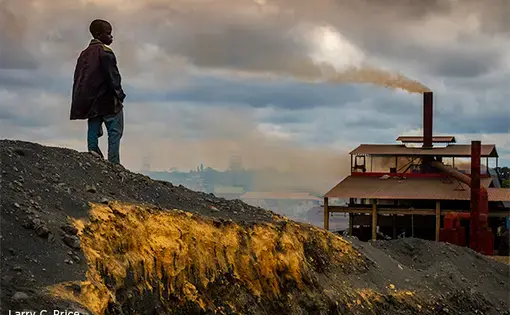
  • Children work among adults in this area at the base of an operating manganese reprocessing smelter managed by the Chinese company Super Deal. The smelter burns lead and manganese slag and spews toxic fumes across the Kabwe area. Image by Larry C. Price. Zambia, 2017.

    Event

    Communicating Climate Change: The Power of Visual Storytelling

    Read More
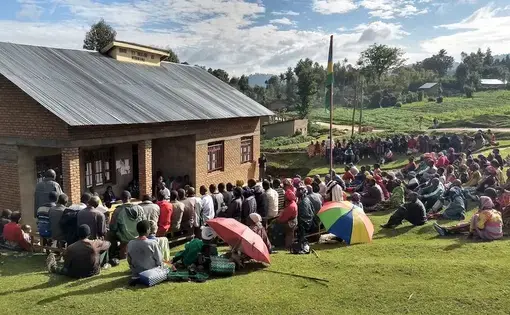
  • The Feed the Future Tworore Inkoko, Twunguke project hosts a meeting in the Gataraga sector of Rwanda to recruit farmers to grow chickens. If the farmers commit to four days of training and pass a competency test, they are given a backyard coop worth about $625, as well as the means to obtain 100 day-old chicks, vaccines, feed and technical advice. Image by Emily Urban for NPR. Rwanda, 2018.
    English

    Project

    Helping the Poor: What Works in Rwanda?

    Governments, foundations, and nonprofits aim to help the world's poorest people by giving them...
    author image
    Marc Gunther
    Grantee
    READ MORE ABOUT THIS PROJECT - Helping the Poor: What Works in Rwanda?
  • ×
    The Feed the Future Tworore Inkoko, Twunguke project hosts a meeting in the Gataraga sector of Rwanda to recruit farmers to grow chickens. If the farmers commit to four days of training and pass a competency test, they are given a backyard coop worth about $625, as well as the means to obtain 100 day-old chicks, vaccines, feed and technical advice. Image by Emily Urban for NPR. Rwanda, 2018.
    English
    PART OF: Helping the Poor: What Works in Rwanda?

    Former Tyson Foods CEO Brings Chicken Farming to Rwanda—but Can It Last?

    author image
    Marc Gunther
    Grantee
    August 13, 2018
    Publication logo
  • ×
    Farmers—very careful weather observers—are seeing their crops affected by water shortages, the longer dry season, and unpredictable weather, all of which are forecasted by climate change models. The weather problem is only likely to worsen in the future. Image by Elham Shabahat. Rwanda, 2018.
    English
    PART OF: Rwanda: Climate Change and Mountain Gorillas

    The Fates of People and Gorillas Are Entangled in Rwanda

    author image
    Elham Shirin
    2017 Reporting Fellow
    July 26, 2018
    Publication logo
  • ×
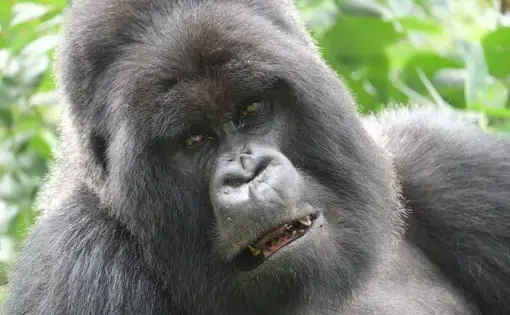
    Meet Lucky, a silverback and head of the Hirwa group of mountain gorillas in Rwanda. Silverbacks are adult, male gorillas, known for the silver hair on their backs; they lead groups composed of adult male and female gorillas and their babies. Image by Elham Shabahat. Rwanda, 2017.
    English
    PART OF: Rwanda: Climate Change and Mountain Gorillas

    Rwandan People and Mountain Gorillas Face Changing Climate Together

    author image
    Elham Shirin
    2017 Reporting Fellow
    June 27, 2018
    Publication logo

Pagination

  • « First
  • ‹‹
  • 2
  • 3
  • 4
  • 5
  • 6
  • ››
  • Last »

Contact

2000 Pennsylvania Ave NW
Suite #7000
Washington, DC 20006
(202) 332-0982
[email protected]

Follow us on Facebook
Follow us on Twitter
  Follow us on Instagram
  Subscribe to us on YouTube

Media Requests

[email protected]

Privacy Policy


Sign up for our newsletter