Main Menu Navigation
Pulitzer Center Logo
View Primary Menu
Search
  • ABOUT
    Our Mission and Model Staff Board of Directors Impact Annual Reports Donors Ethics and Standards Diversity, Equity, and Inclusion Employment
  • UPDATES
  • EVENTS
    Upcoming Events Conferences
  • WEBINARS ON-DEMAND
  • COMMUNITY
  • IMPACT
DONATE
  • JOURNALISM
      • PULITZER CENTER JOURNALISM
      • STORIES
      • Stories by Pulitzer Center Grantees
      • Stories by Student Reporting Fellows
      • PROJECTS
      • FIELD NOTES
      • APPLY FOR JOURNALISM GRANTS
      • FOCUS AREAS
      • Climate and Environment
      • Global Health
      • Peace and Conflict
      • Human Rights
      • Information and Artificial Intelligence
      • INITIATIVES
      • AI Accountability Network
      • AI Spotlight Series
      • StoryReach U.S.
      • U.S. Local News Reporting
      • Ocean Reporting Network
      • Rainforest Investigations Network
      • Rainforest Reporting
      • Transparency and Governance
      • Our Work/Environment
      • NEWSLETTER ARCHIVE
  • EDUCATION
      • CAMPUS CONSORTIUM PROGRAM & PARTNERS
      • Campus Consortium Program
      • Campus Consortium News
      • Campus Consortium Partners
      • Reporting Fellowships
      • Reporting Fellow Bios
      • Stories by Reporting Fellows
      • Resources for Reporting Fellows
      • Campus Consortium Advisory Council
      • Join the Campus Consortium Network
      • INTERNATIONAL EDUCATION AND OUTREACH
      • K-12 PROGRAMS AND RESOURCES
      • Programs for Teachers and Students
      • Lesson Plans
      • Journalist Visits to Classrooms
      • The 1619 Project Education Portal
      • Student Contests
      • Professional Development for Educators
      • Journalism Skillbuilder Lesson Series
      • K-12 Education News
  • GRANTS & FELLOWSHIPS
      • GRANTS & FELLOWSHIPS
      • Tips for a Successful Grant Application
      • Pulitzer Center Crediting Requirements
      • OPPORTUNITIES FOR JOURNALISTS
      • Global Reporting Grants
      • AI Reporting Grants
      • Global Health Inequities, Risks and Solutions
      • Transparency & Governance Reporting Grants
      • U.S. Civil Society Microgrants 2026
      • Rainforest Reporting Grants
      • Conflict Reporting
      • Ocean and Fisheries Reporting Grants
      • Climate and Labor Reporting Grants
      • Africa Reporting Grants
      • U.S. Local Reporting Grants
      • Machine Learning Reporting Grants
      • OPPORTUNITIES FOR EDUCATORS & CIVIL SOCIETY ORGS
      • The 1619 Project Education Impact Grants
      • Pulitzer Center Teacher Fellowship
      • Impact Seed Funding
      • U.S. Civil Society Microgrants 2026
      • OPPORTUNITIES FOR CAMPUS CONSORTIUM MEMBERS
      • Campus Consortium Reporting Fellowships
      • Post-Grad Reporting Fellowships
  • IMPACT
  • RESOURCES
  • COMMUNITY
  • EVENTS
  • WEBINARS ON-DEMAND
  • ABOUT
    Our Mission and Model Staff Board of Directors Impact Annual Reports Donors Ethics and Standards Diversity, Equity, and Inclusion Employment
  • UPDATES
  • EVENTS
    Upcoming Events Conferences
  • WEBINARS ON-DEMAND
  • COMMUNITY
  • IMPACT
DONATE

Brazil

Use the Pulitzer Center Lesson Builder to find and create lesson plans on this country.


  • Mozambican authorities say the project will benefit small, medium and big famers. Image by Enrico Parenti. Mozambique, 2017.
    English

    Project

    Mozambique's Controversial Plan to Industrialize Food Production

    How Western and Brazilian agribusiness are planning to take over an entire region of Mozambique to...
    author #1 image author #2 image
    Multiple Authors
    READ MORE ABOUT THIS PROJECT - Mozambique's Controversial Plan to Industrialize Food Production
  • ×
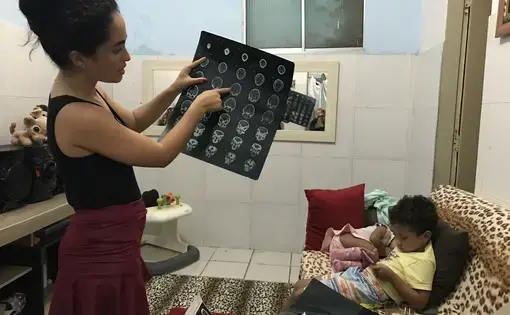
    Dhulha Alen Silva do Nascimento, 25, explains a CT scan of daughter Valentina’s brain, pointing out areas of calcification and hydrocephalus. Image by Poonam Daryani. Brazil, 2017.
    English
    PART OF: Zika’s Lasting Impact on Families in Brazil

    As outras crianças da epidemia brasileira de Zika

    author image
    Poonam Daryani
    2017 Reporting Fellow
    November 13, 2017
    Publication logo
  • ×
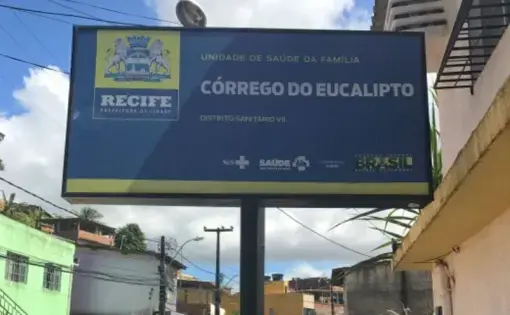
    A placa indicado a entrada da Unidade de Saúde da Família (USF) no Córrego do Eucalipto. USFs são a peça chave na estratégia primaria do sistema de saúde público brasileiro. Foto por Poonam Daryani, Brasil, 2017.
    English
    PART OF: Zika’s Lasting Impact on Families in Brazil

    História nos Morros Recifenses: Saúde dentro das Favelas

    author image
    Poonam Daryani
    2017 Reporting Fellow
    November 13, 2017
    Publication logo
  • ×
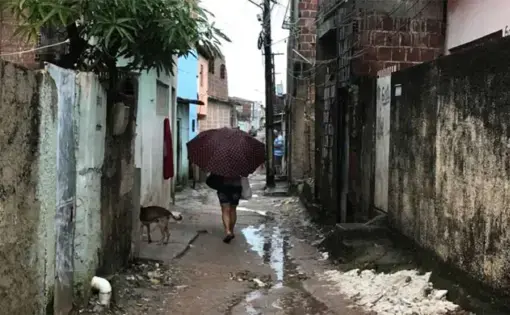
    Bairro na periferia de Recife, Pernambuco onde Mylene Helena dos Santos Ferreira, 23 anos, mora com seus três filhos incluindo seu mais novo, nascido em agosto de 2015, com a Síndrome Congênita da Zika. Foto por Poonam Daryani. Brasil, 2017.
    English
    PART OF: Zika’s Lasting Impact on Families in Brazil

    Para além de mosquitos: Saúde Sexual e Reprodutiva no despertar da Zika

    author image
    Poonam Daryani
    2017 Reporting Fellow
    November 13, 2017
    Publication logo
  • ×
    Image by Poonam Daryani. Brazil, 2017.
    English
    PART OF: Zika’s Lasting Impact on Families in Brazil

    Beyond Mosquitoes: Sexual and Reproductive Health in Zika's Wake

    author image
    Poonam Daryani
    2017 Reporting Fellow
    October 10, 2017
    Publication logo
  • ×
    Dhulha Alen Silva do Nascimento, 25, explains a CT scan of daughter Valentina’s brain, pointing out areas of calcification and hydrocephalus. Image by Poonam Daryani. Brazil, 2017.
    English
    PART OF: Zika’s Lasting Impact on Families in Brazil

    The Other Children in Brazil’s Zika Epidemic

    author image
    Poonam Daryani
    2017 Reporting Fellow
    October 10, 2017
    Publication logo
  • ×
    Still of Mylene from video slideshow. Image by Poonam Daryani. Brazil, 2017.
    English
    PART OF: Zika’s Lasting Impact on Families in Brazil

    Brazil: A Month with Mylene

    author image
    Poonam Daryani
    2017 Reporting Fellow
    October 5, 2017
    Publication logo
  • English

    Pulitzer Center Update

    More Students Connect with Pulitzer Center Journalists via Skype

    The Pulitzer Center partners with Skype in the Classroom to facilitate engaging virtual...

    author image
    Hannah Berk
    Pulitzer Center Staff
    August 30, 2017
  • ×
    The sign marking the entrance to the Unidade de Saúde da Família (USF) in Córrego do Eucalipto. USFs are the cornerstone of Brazil’s primary healthcare strategy, which is a key component of its free national health system. Image by Poonam Daryani. Brazil, 2017.
    English
    PART OF: Zika’s Lasting Impact on Families in Brazil

    History in Recife's Hills: Health Inside a Favela

    author image
    Poonam Daryani
    2017 Reporting Fellow
    August 15, 2017
    Publication logo
  • Dr. Isabella Santana, an ophthalmologist at the Altino Ventura Foundation in Recife, Pernambuco, conducts a visual exam with Pedro, a young child born with microcephaly associated with Zika virus, while his mother Juliana holds him. To date, the Altino Ventura Foundation has diagnosed 322 babies with congenital Zika syndrome. Image by Poonam Daryani. Brazil, 2017.
    English

    Project

    Zika’s Lasting Impact on Families in Brazil

    Though the Zika outbreak in Brazil has seemingly peaked, its aftermath will be felt by the thousands...

    author image
    Poonam Daryani
    2017 Reporting Fellow
    READ MORE ABOUT THIS PROJECT - Zika’s Lasting Impact on Families in Brazil
  • ×
    Image of a narrow street at dusk in a community on the outskirts of Recife, Pernambuco. There is an unpaved dirt road with small homes packed close together on either side. A teenager sits on a stoop in the shadows, while a young boy can be seen riding his bike down the street. Image by Poonam Daryani. Brazil, 2017.
    English
    PART OF: Zika’s Lasting Impact on Families in Brazil

    Zika’s Enduring Impacts in Brazil

    author image
    Poonam Daryani
    2017 Reporting Fellow
    July 17, 2017
    Publication logo
  • ×
    Fabiane Lopes holds her daughter, Valentina at their home in Duque de Caxias, a suburb of Rio de Janeiro in southeastern Brazil. Valentina's mother was pregnant when she became infected with the Zika virus and her daughter was born with microcephaly—a congenital malformation with smaller than normal head size for age and sex as well as other profound birth defects. Brazil has confirmed far more malformations of the brain in babies born to mothers who were infected with Zika than any other country. After…
    English
    PART OF: Outbreak: How Humans Are Driving the Rise of Diseases

    'I taught them to love Valentina as I do'

    author image
    Mark Hoffman
    Grantee
    May 26, 2017
    Publication logo

Pagination

  • « First
  • ‹‹
  • 86
  • 87
  • 88
  • 89
  • 90
  • ››
  • Last »

Contact

2000 Pennsylvania Ave NW
Suite #7000
Washington, DC 20006
(202) 332-0982
[email protected]

Follow us on Facebook
Follow us on Twitter
  Follow us on Instagram
  Subscribe to us on YouTube

Media Requests

[email protected]

Privacy Policy


Sign up for our newsletter