Story
 June 11, 2025
How Do Oil Tankers Threaten Marine Life in the Arabian Gulf?
Country:

Who benefits from and who bears the costs for desalination plants?
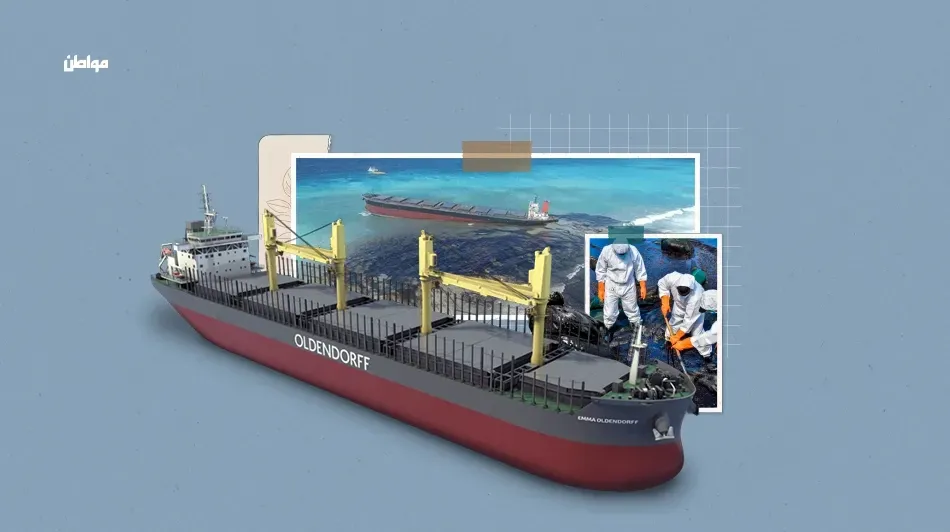
In November 2021, the city of Kalba—located on the eastern coast of the Emirate of Sharjah and overlooking the Gulf of Oman (part of the Arabian Gulf and the Arabian Sea)—witnessed an oil pollution incident that dramatically altered the landscape. The once golden sands turned pitch black after an oil spill covered the shore and waters with a thick layer of sticky crude.
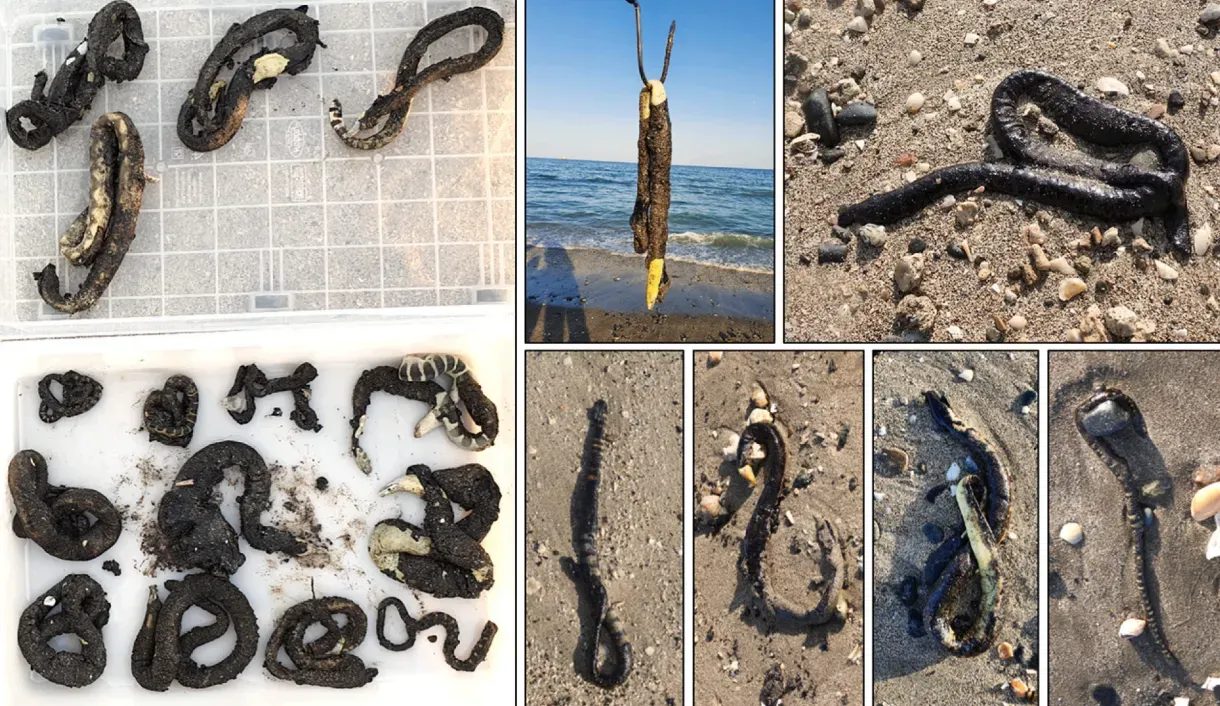
As research teams arrived at the scene, they found dozens of sea snakes whose bodies were entirely coated in oil, including their nostrils and eyes, hindering their ability to breathe and move. The sticky crude also caused sand to cling to their bodies, making survival even more difficult.
Later laboratory analyses revealed high concentrations of toxic metals, such as aluminum, lead, and cadmium, in the bodies of the dead snakes, indicating that the pollutants had penetrated their biological tissues.

As a nonprofit journalism organization, we depend on your support to fund more than 170 reporting projects every year on critical global and local issues. Donate any amount today to become a Pulitzer Center Champion and receive exclusive benefits!
In 2024, a scientific study published in the journal Heliyon detailed this incident. It examined the impact of oil spills on sea snakes in the Arabian Gulf region—a subject long neglected in comparison to previous studies that focused mainly on turtles and fish.
During the investigation, 39 sea snakes from four different species were found dead. Results showed that 84.6% of the specimens were covered with an oily layer over 75% to 100% of their body surface. Additionally, the nostrils and eyes of 91.4% of the snakes were contaminated entirely with oil. Traces of oil were also detected inside the mouth, esophagus, and stomach in 25% to 41% of the cases.
Official investigations identified an offshore oil tanker as the direct cause of the pollution incident that occurred in Kalba, a city renowned for its ecological diversity and extensive mangrove forests.
But what happened in this city, located about 129 kilometers east of Dubai, is far from an isolated case. Over the past decades, the Arabian Sea and the Arabian Gulf have witnessed numerous oil spill incidents caused by ships and oil tankers. These spills are largely a consequence of the region’s intense oil-related activity, especially in the Gulf Cooperation Council (GCC) countries, which serve as a global hub for oil exports. The environmental fallout has had a profound impact on marine life in both the Arabian Gulf and the Arabian Sea, as well as in protected areas across all six Gulf Cooperation Council (GCC) nations.
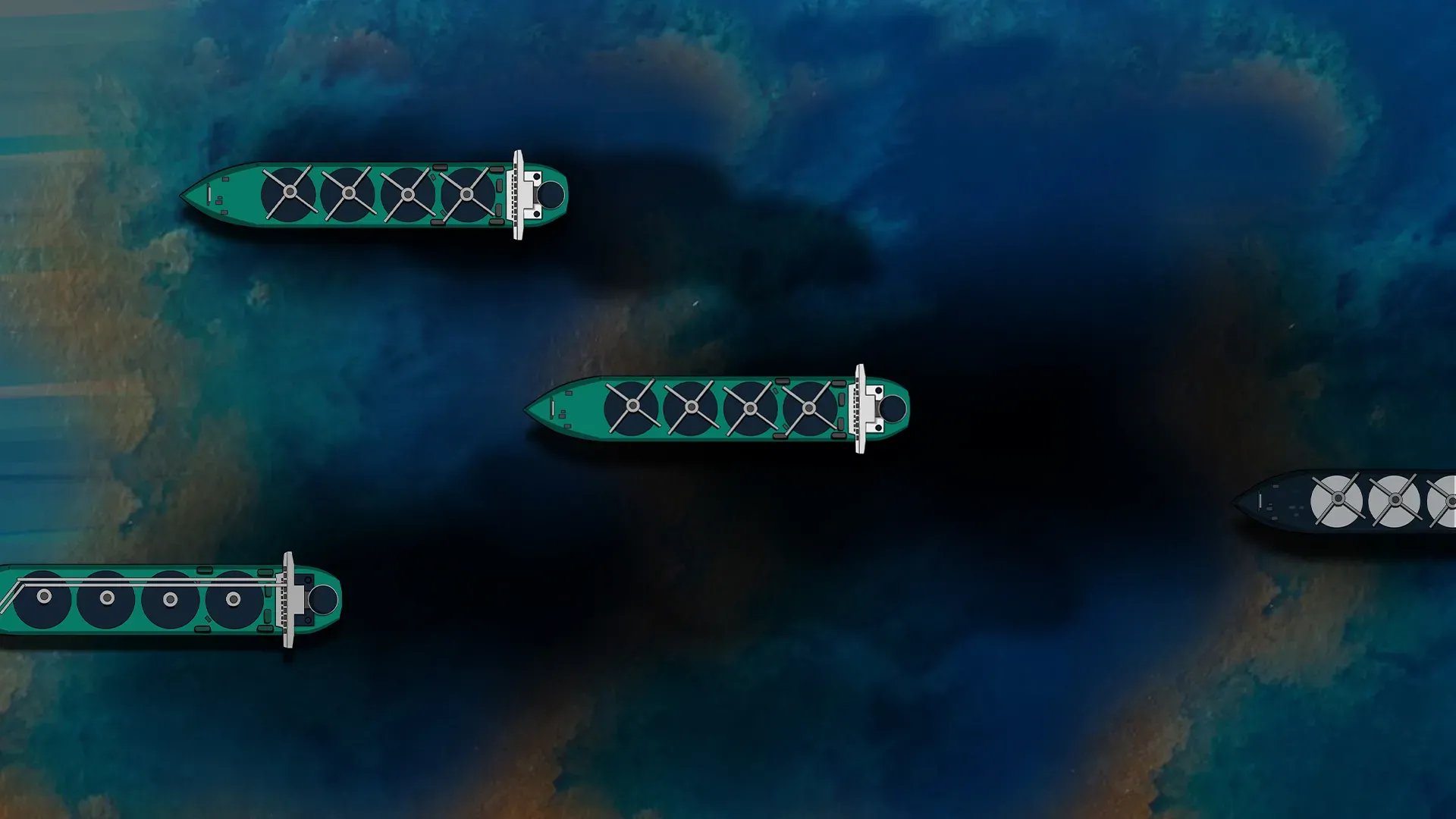
In this report, Muwatin traces the history of oil spill incidents in the Arabian Gulf and the Arabian Sea, relying on exclusive data obtained from SkyTruth—a U.S.-based nonprofit organization that monitors environmental threats through satellite imagery and open-data analysis.
A History of Oil Spills
Although the Arabian Gulf is one of the world’s richest marine regions in terms of oil reserves and among the busiest in terms of tankers and commercial shipping, this hydrocarbon wealth has come at a steep environmental cost. Since the early 20th century, Gulf states have cemented their status as a global hub for oil production and export.
Today, Gulf Cooperation Council (GCC) countries produce around 17 million barrels of crude oil per day, accounting for 23.2% of global output. Saudi Arabia alone leads this field, contributing about 12% of the world’s oil production. The region’s total oil reserves amount to 511.9 billion barrels, representing more than a third of the world’s proven reserves.
But behind these staggering figures lies a devastating environmental toll. The relentless pace of oil exports—12.4 million barrels of crude per day, and more than 1.5 billion barrels of petroleum products annually—has turned the Arabian Gulf into a frequent stage for oil spills, leaks, and toxic emissions. Oil pollution is no longer a rare event in the region; it has become a recurring feature in an economy built on fuel that systematically depletes its own natural foundations.
One of the most catastrophic examples occurred during the 1991 Gulf War, when over one million tons of crude oil were spilled along the Kuwaiti coast, marking one of the worst oil spill disasters in modern history.
"Additional exclusive data obtained by Muwatin from SkyTruth documents 74 oil spill incidents between 2021 and 2024. Notably, around 85% of these occurred within Oman’s Exclusive Economic Zone, followed by 12% within Iran’s zone, and just 1.35% in the United Arab Emirates’ Exclusive Economic Zone."
The consequences of this environmental disaster are still evident today. Studies show that nearly 60,000 tons of petroleum hydrocarbons remain buried in marine sediments, more than 34 years after the incident. Researchers warn that any disturbance to these sediments, whether due to coastal development or climate-related changes, could re-release these pollutants into the environment, posing a serious threat to fragile ecosystems, particularly blue carbon habitats such as mangrove forests and tidal flats.
According to exclusive data obtained by Muwatin from the International Tanker Owners Pollution Federation (ITOPF), more than 46 major oil spill incidents—each involving over 7 tons—have been recorded in the Arabian Gulf since 1970.

The data shows that 30.4% of oil spill incidents occurred within the territorial waters of Saudi Arabia alone, followed by the United Arab Emirates with approximately 22%. Kuwait and the Sultanate of Oman recorded similar rates, each accounting for about 15.2% of the total. Qatar followed with 13%, while Bahrain registered the lowest share, with only 4.4% of all documented incidents.
All of these incidents have caused severe and long-lasting environmental damage to marine and coastal ecosystems, especially in sensitive habitats such as coral reefs, mangrove forests, and seagrass beds.
These spills led to the widespread destruction of mangrove forests, particularly after the 1991 Gulf War spill, when some areas lost up to 50% of their coastal vegetation cover, and the mortality rate among small organisms, such as crabs and mollusks, exceeded 90%.
Coral reefs were also severely affected by suffocation and poisoning due to oil slicks and soot. The impacts of some major incidents persist decades later, with estimates suggesting that over 85% of coral reefs in the Gulf are under threat, with oil pollution being a major contributing factor.
As for seagrass beds, they have accumulated massive amounts of hydrocarbon pollutants, which could be re-released into the environment if marine sediments are disturbed.
Fisheries have also suffered due to the loss of nursery habitats and the toxicity affecting various species, directly undermining food security and local economies. The contamination has even reached desalination facilities, compounding the negative impact on surrounding populations.
Protected Areas Under Threat
Additional exclusive data obtained by Muwatin from SkyTruth documents 74 oil spill incidents between 2021 and 2024. Notably, around 85% of these occurred within Oman’s Exclusive Economic Zone, followed by 12% within Iran’s zone, and just 1.35% in the United Arab Emirates’ Exclusive Economic Zone.
Click here for an interactive map
When comparing the locations of oil spill incidents in the Arabian Gulf with the boundaries of Marine Protected Areas (MPAs)—data obtained from ProtectedSeas—particularly in the Sultanate of Oman, it becomes clear that some of these spills occurred within zones officially designated as protected areas under national law. These are regions that are meant to receive special environmental safeguards due to their fragile marine ecosystems and unique biodiversity.
Under Omani law, these areas are supposed to benefit from strong legal protection as outlined in the “Law on Nature Reserves and Conservation of Wildlife” (Royal Decree No. 6/2003) and the “Law on Environmental Protection and Pollution Control” (Royal Decree No. 114/2001). These sites fall under various legal classifications, such as “nature reserve,” “protected area,” or “Ramsar site”—the latter recognized internationally for its ecological importance.
Click here for an interactive map
However, the situation on the ground reveals a clear gap between legal frameworks and practical enforcement. Despite the existence of these environmental laws, they have not prevented oil from spilling into areas officially designated as protected. These protected zones are not merely lines on a map or clauses in legislation—they are part of a critical ecological network that serves as Oman’s first line of defense for marine biodiversity. They safeguard a unique biological heritage, contribute to maintaining environmental balance along the coasts of the Arabian Gulf and the Arabian Sea, and play economic, scientific, and cultural roles that have a direct impact on coastal communities.
Oman is home to several documented marine and natural reserves, each distinguished by its own biological richness and geographical uniqueness, making them a cornerstone of the country’s environmental sustainability strategy.
Among the most prominent is the Daymaniyat Islands Nature Reserve, located off the coast of Muscat. These islands are known for their rich biodiversity, hosting dense coral reef colonies and serving as a critical nesting ground for the endangered green turtle. They also provide sanctuary for various migratory seabirds, such as terns and Socotra cormorants. The reserve’s significance extends beyond species protection to include the sustainability of local fisheries and the promotion of eco-tourism.
Khor Rori, on the other hand, is a site of dual significance—both natural and cultural. It contains the ruins of an ancient port once used in the frankincense trade, earning it a place on the UNESCO World Heritage List. Environmentally, the lagoon forms a vital wetland ecosystem, home to fish and bird species, and supports the growth of halophytes and mangroves, offering essential habitats within Oman’s coastal landscape.
In the heart of the capital lies the Qurum Nature Reserve, the first Omani site to be listed under the Ramsar Convention on Wetlands. The mangrove forests in this area form a rich ecosystem that serves as a natural barrier against coastal erosion and provides crucial habitats for bird nesting and fish reproduction. The reserve holds significant environmental and educational value, offering city dwellers a rare opportunity to connect with nature.
The importance of the Ras al-Shajar Reserve lies in its role as a habitat for various bird species, turtles, and rare plant species. As a fragile environment requiring careful protection, its terrain combines marine rock formations with coastal vegetation, making it a magnet for environmental research.
Finally, the Turtle Reserve in Ras al-Hadd is one of the world’s most important nesting sites for green turtles, where thousands of turtles return annually to lay their eggs on the beach. This reserve is a vital artery for eco-tourism in Oman, while also offering a safe environment for the life cycle of this globally endangered species.
However, this coastal biodiversity is under serious threat from oil spills, which inflict severe damage on marine life and the sensitive ecosystems within these protected areas.
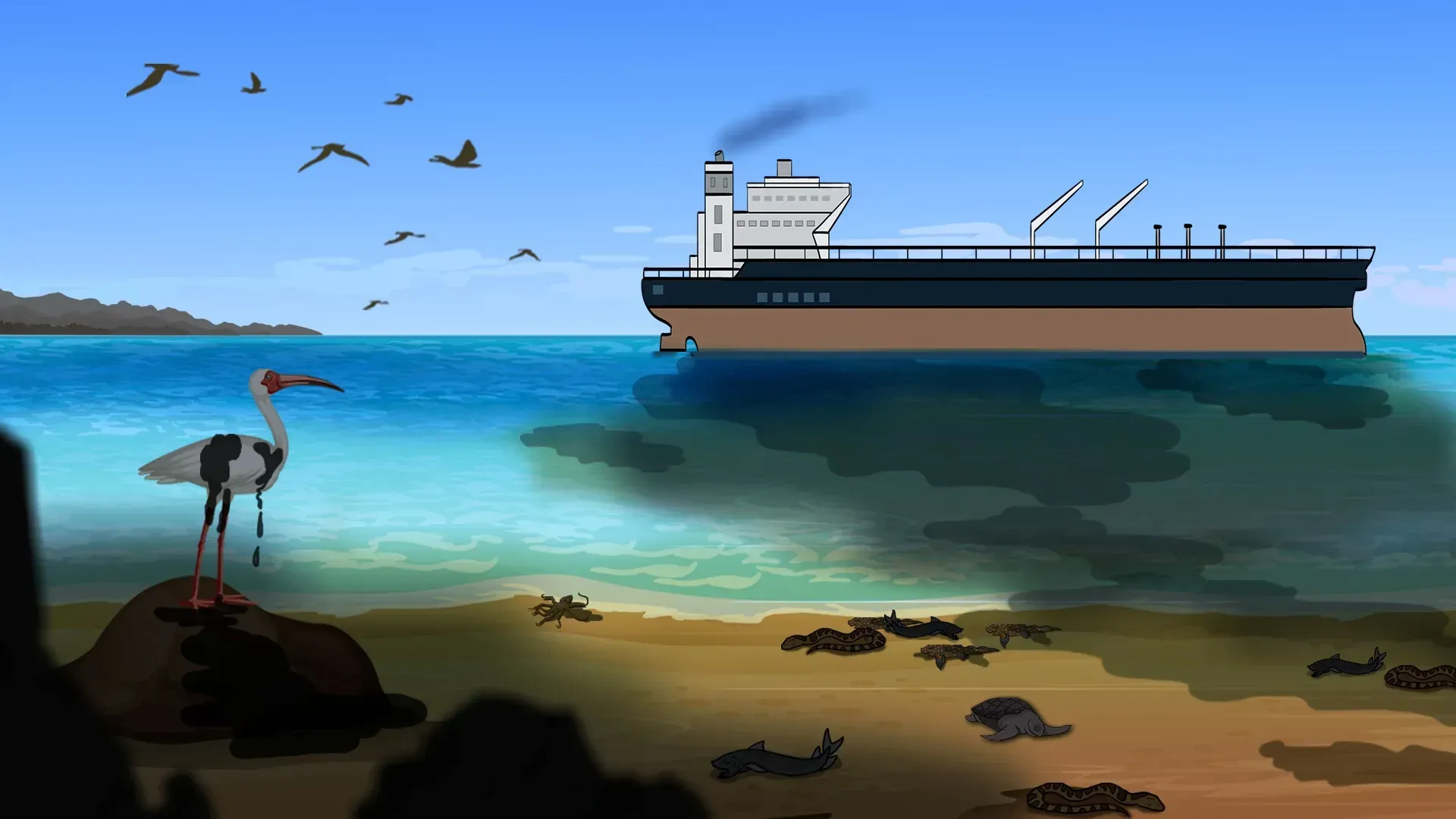
The impacts begin with immediate physical harm: oil coats the feathers of seabirds and paralyzes turtles, impairing their ability to float, feed, and breathe, often leading to death. Fish, meanwhile, suffer gill damage that hinders oxygen absorption, and their eggs and larvae develop fatal deformities.
This is confirmed by a scientific study published in Marine Pollution Bulletin, which found that repeated oil spills along the UAE’s eastern coast, facing the Gulf of Oman, directly affect the health of sea turtles and contribute to increased mortality rates. The researchers concluded that these oil incidents lead to the degradation of marine ecosystems and expose turtles to high levels of toxic pollutants that weaken their immune systems and make them more susceptible to disease.
Although the study focuses on UAE waters, its findings underscore broader regional risks that threaten the marine environment of the Gulf and the Gulf of Oman, including the Omani coast.
"The Omani government has officially acknowledged the serious threat posed by oil spills, particularly those with untraceable origins, to the country’s fragile marine environment."
The damage does not end there. Coral reefs around the Daymaniyat Islands suffer from suffocation caused by oil slicks covering the water’s surface, blocking sunlight and hindering photosynthesis, resulting in coral death and a decline in biodiversity. Mangrove trees in Qurum and Khor Rori experience root poisoning, leading to die-off and the loss of essential natural shoreline protection.
Seagrass beds, which serve as natural nurseries for juvenile fish and turtles, are also affected. Pollution hampers their growth and destroys the biodiversity they support. The bioaccumulation of toxic substances further disrupts the food chain, affecting plankton, fish, and seabirds, and threatens the collapse of the entire coastal ecosystem.
The ultimate result is long-term environmental damage, as toxic compounds persist in soils and sediments, hindering ecosystem recovery for decades. This poses a threat not only to biodiversity but also to local economies that rely on fisheries and eco-tourism.
Tracking Oil Tankers
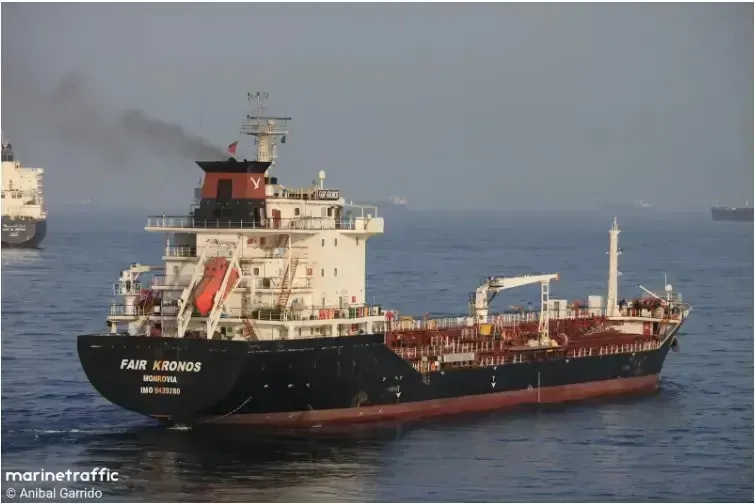
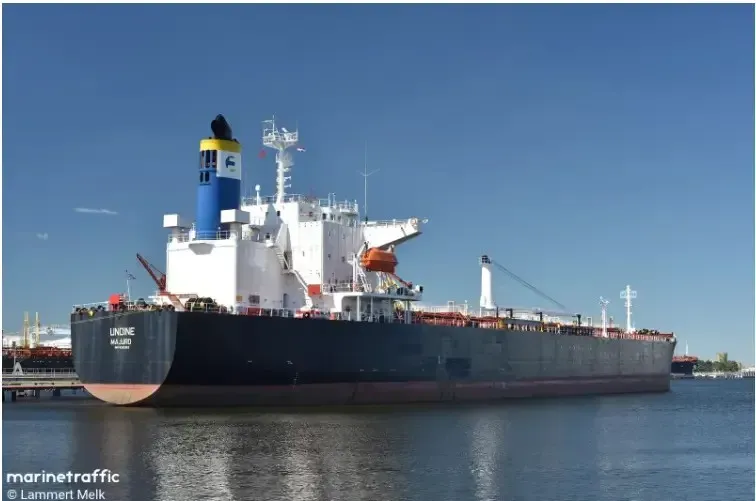
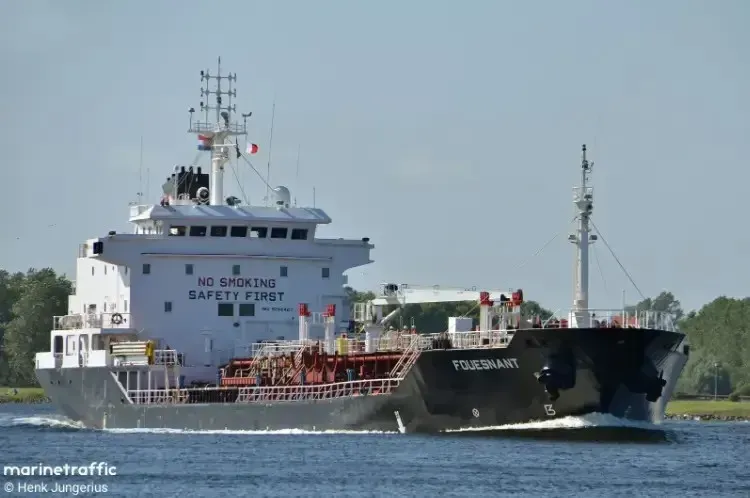
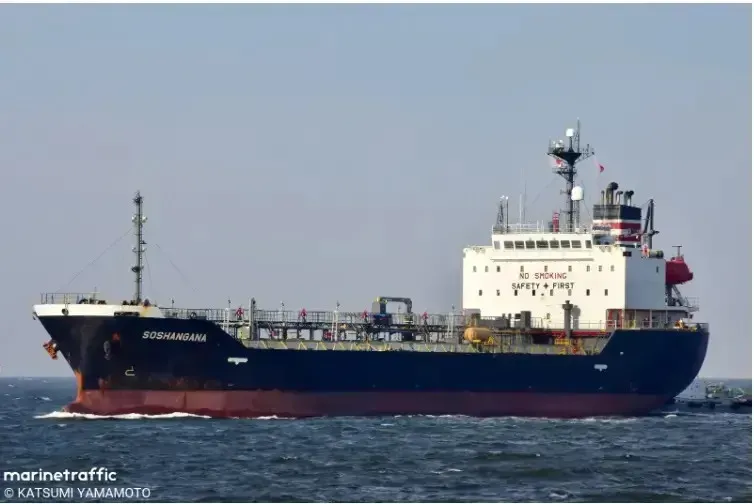
Muwatin was able to identify four oil tankers suspected of being involved in recent oil spills in the Arabian Gulf and the Gulf of Oman. This was done by tracking their movements and analyzing satellite imagery using the maritime monitoring tool Mariana Traffic.
The four vessels operate under different national flags, reflecting the complex, transboundary nature of marine pollution in the region:
Official Recognition, Lingering Alarm
The Omani government has officially acknowledged the serious threat posed by oil spills, particularly those with untraceable origins, to the country’s fragile marine environment. In a recent study, the Environment Authority of Oman highlighted the growing risks of such incidents, stressing that their continued occurrence poses a direct threat to coral reefs, mangrove forests, and fisheries resources.
While many of these spills are relatively minor in volume, their frequency and the difficulty in tracking the responsible vessels make them more destructive in the long term. Often, such incidents go undetected and undocumented, further complicating efforts to monitor the environment and ensure accountability.
The Authority emphasized the need to strengthen marine surveillance systems and expand regional and international cooperation to identify pollution sources and mitigate their effects. It also called for the adoption of advanced monitoring technologies and the improvement of rapid response mechanisms, especially in light of the region’s growing challenges related to intensive maritime activity and climate change.
These warnings come at a time when Oman is working to rehabilitate its marine environment and safeguard its natural resources to ensure the sustainability of coastal life for future generations.
At a time when regional and global efforts toward sustainable environmental transformation are accelerating, the Arabian Gulf remains a complex case study of the tension between economic interests and ecological fragility. Each day, oil tankers navigate their waters, leaving behind a silent but profound impact—one that seeps into the tissues of marine life and threatens to unravel ecosystems that have developed over thousands of years.