Story
 May 31, 2026
Great Waste in the Great Lakes: How Plastic Pollution Is Clogging Our Waters
Country:

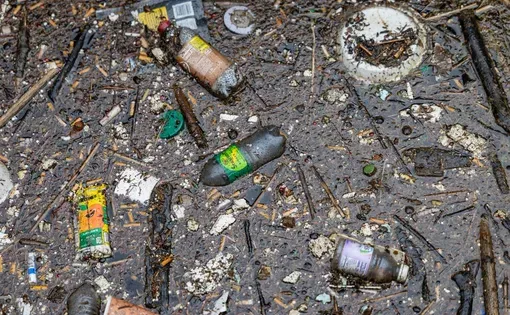
Petrochemical conglomerates are moving to dramatically increase the amount of plastics produced in...

More than 40 million people in the United States and Canada depend on the Great Lakes for drinking water. Each glass of treated lake water is laden with tiny bits of plastic — microplastics — made of toxic chemicals linked to cancer and other diseases. Also contaminated are fish, staples of Midwestern fish fries and fish boils, and an important part of the diet of Indigenous tribes, certain immigrant populations and communities of color.
Yet this pollution isn’t regulated, and manufacturers are moving to dramatically increase the amount of plastics produced in the United States.
The Chicago Tribune is exploring the plastics dilemma with a focus on the Great Lakes, the world’s largest source of fresh surface water. When confronted about their pollution, industry executives often have blamed consumers, using tactics borrowed from and shared with Big Tobacco, according to a Tribune review of thousands of government, scientific and internal industry documents.

As a nonprofit journalism organization, we depend on your support to fund more than 170 reporting projects every year on critical global and local issues. Donate any amount today to become a Pulitzer Center Champion and receive exclusive benefits!
This coverage, supported by the Pulitzer Center’s StoryReach U.S. initiative, will delve into the spread of plastic waste in the Great Lakes, research into health hazards and possible solutions.

When confronted about their pollution, industry executives often have blamed consumers, using tactics borrowed from and shared with Big Tobacco, according to a Chicago Tribune review of thousands of government, scientific and internal industry documents.
Some of the world’s most powerful companies downplay the dangers posed by plastics and overstate the ability to recycle them, the Tribune found. Read part 1.