Journalist Resource
 June 11, 2026
How To Investigate Mega Data Centers in Patagonia: Billion-Dollar Promises and Regulatory Gaps Raise Concerns
Country:


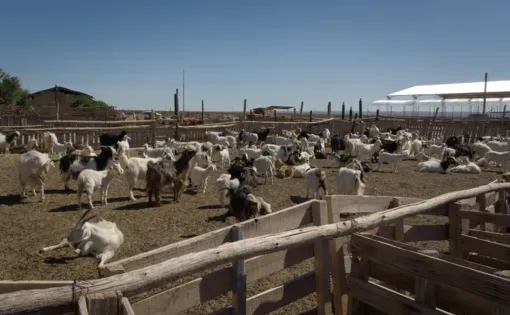
An investigation into the environmental, labor, and transparency costs of OpenAI’s planned $25...
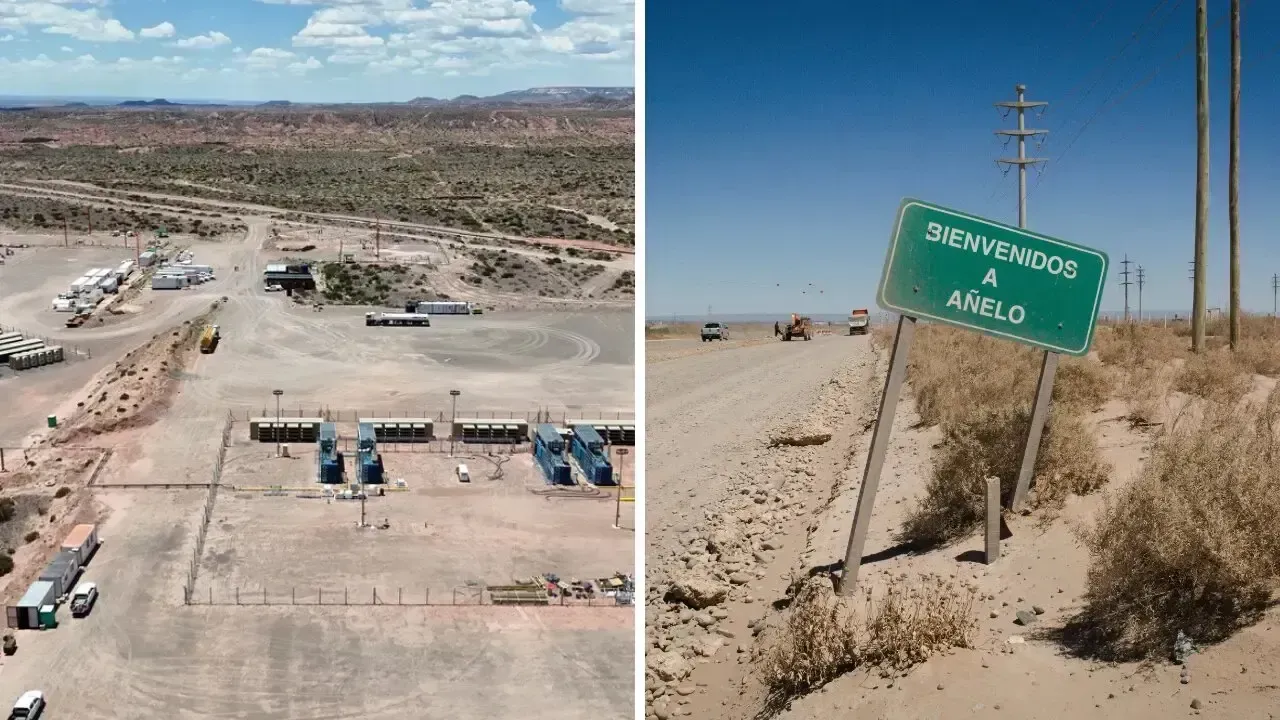
To investigate the potential installation of mega data centers in the Argentine Patagonia, we combined investigative journalism, fact-checking, and data journalism with a central objective: to examine investment promises, regulatory frameworks, on-the-ground developments, and potential socio-environmental impacts.
We set out to address this emerging phenomenon by understanding impacts and risks, and by closely analyzing official and corporate narratives.
We analyzed documents and regulatory frameworks such as Argentina’s Large Investment Incentive Regime (RIGI, by its Spanish acronym), official information from public agencies, including direct responses from provincial environmental authorities in Neuquén, and comparative research on energy and water consumption in regions where data centers are already operating.

As a nonprofit journalism organization, we depend on your support to fund more than 170 reporting projects every year on critical global and local issues. Donate any amount today to become a Pulitzer Center Champion and receive exclusive benefits!
This allowed us to contextualize the regulatory challenge, which from the outset revealed a clear finding: There are no specific regulations governing this type of infrastructure in Argentina. Moreover, we found that this regulatory gap extends across all levels of state-government.
Official sources
We included statements from public officials and government agencies, such as environmental authorities in Neuquén (the province where the first mega data center is expected to be installed) who acknowledged the absence of an existing regulatory framework.
Specialized sources
We consulted experts in energy and extractivism, technology and digital rights, and regional economics.
These perspectives provided technical interpretation (for example, the concept of “enclave economies”) and insight into potential impacts on natural resources.
Local and community-based sources
From the outset, we made a deliberate decision to include direct testimonies from local communities, particularly Mapuche communities, affected by extractive activities that have been ongoing in the region for years (in this case, oil extraction in Vaca Muerta fields).
This allowed us not only to incorporate non-institutional perspectives that reflect concrete social impacts, but also to contrast official narratives of development with lived local experiences.
Through in-depth interviews, we gained insights into these local perspectives while also directly witnessing existing impacts in the region, such as recurring oil spills and water scarcity, which are central concerns for local communities regarding the potential installation of mega data centers.
We also identified a widespread lack of information about the possible development of these projects, with limited awareness among most of the sources interviewed.
The diversity of voices consulted helped us build a plural, well-rounded, and rigorously contrasted approach.
Comparative analysis
We also conducted a comparative analysis of Argentina’s situation with that of other Latin American countries, particularly Brazil and Chile, where regulatory frameworks are more developed. This allowed us to better identify the gap between investment promises and the empirical evidence supporting them.
In this matter, Argentina appears to be several steps behind in terms of regulation.
Data-driven contextualization
We incorporated figures on energy and water consumption, investment scale, and references to the global impact of data centers.
We cited both academic reports and investigations conducted by other media outlets, using them as a foundation for our analysis.
These data points were validated through consultation with experts and a thorough review of international precedents.
Audiovisual documentation
The collection of original footage and locally recorded testimonies during fieldwork allowed us to better grasp concrete issues such as access to water, the impact of fracking, and living conditions in the region.
Ultimately, we sought to strengthen the cross-analysis of diverse sources in order to address the multidimensional nature of this emerging phenomenon, and to compare it with similar cases worldwide, beyond official narratives and announcements.
- We systematically compared government statements, corporate messaging, expert analysis, and community testimonies. This triangulation helped identify inconsistencies and gaps in information.
- In the absence of local data on data centers, we analyzed comparable extractive activities (such as oil and gas in Vaca Muerta) to estimate potential environmental and social impacts. This approach allows journalists to build evidence even when a sector is still emerging. Comparative reporting helps contextualize projects that have not yet been fully developed locally.
- Rather than seeing the lack of regulation as an obstacle, we approached it as a key investigative angle. Mapping what is not regulated, and how this absence shapes decision-making, can reveal critical accountability issues. Also, rather than treating the absence of specific regulations as a limitation, we examined how this lack of oversight shapes decision-making and public accountability.