Project August 27, 2026
When Maternity Care Disappears: Maternal Mental Health in Rural Virginia
Country:


Pregnant and postpartum women in rural America face a higher risk of depression, anxiety, and other maternal mental health conditions due to a range of factors—economics, isolation, a shortage of mental health providers in the area and, importantly, a lack of easy access to maternal healthcare. So, what happens to maternal mental health when a hospital serving rural counties shuts down its labor and delivery unit, along with all other obstetric services?
In December 2025, Centra Southside Community Hospital in Farmville, Va., closed its obstetric services, becoming one of at least 140 rural hospitals to close such care since 2020 — one of five in Virginia since 2019 — citing the reasons that keep echoing throughout the country: staffing shortages, declining births, and the federal reimbursement changes that make it challenging to sustain care for expectant mothers.
The closure in Farmville means that roughly 300 women a year now have to drive more than an hour one way to receive care. This increases the risks that, in case of emergency, they might not reach care in time and, with that, placing additional strain on their mental health as they navigate one of the most vulnerable times in their lives. It also means a harder time accessing providers who can spot signs of mental health conditions during or after pregnancy and provide what might be life-saving care.
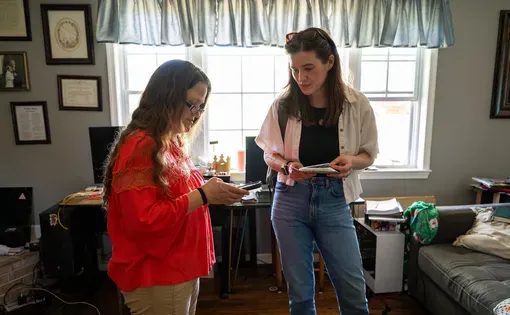
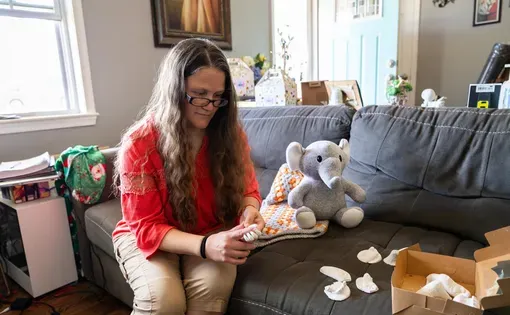
Anastasiia Carrier's reporting project focuses on the aftermath of the closure of obstetric services in rural Virginia and the impact on families in the area, from the challenges of accessing care to the effects on mental health, which are closely connected. Using data and extensive interviews with local families and other sources, Carrier examines how having to travel farther for obstetric care can lead to worse outcomes and what it means for a community to see its maternal healthcare infrastructure crumble.