Project May 20, 2026
Toxic Floods: When Climate and Oil Pollution Collide in South Sudan
Country:


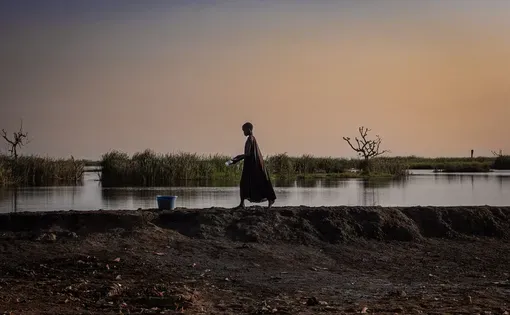
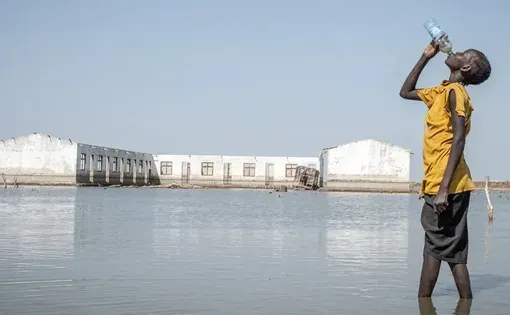
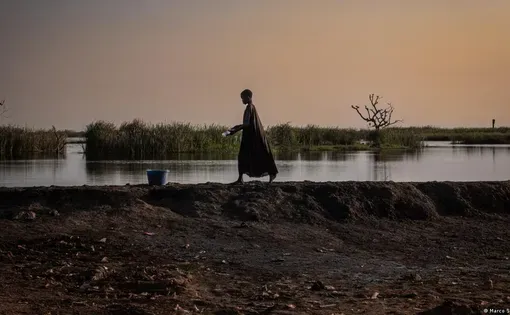
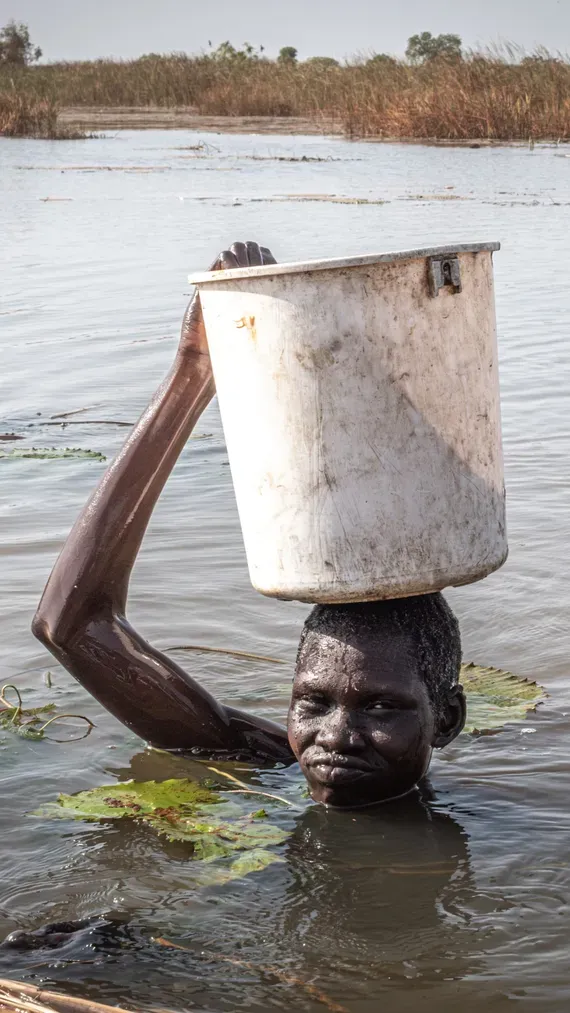
For decades, Unity State, South Sudan, has been plagued by a series of interrelated challenges: land disputes, political instability, ethnic strife, and, in recent years, flooding. The floods, exacerbated by climate change, have spread pollution even further and added to the plight of the area’s residents.
However, the human and natural consequences of Unity State’s large-scale oil contamination remain largely underreported. From the scarce academic and journalistic sources available, it has been found that oil pollution has severely affected drinking water, farmland, and grazing areas, and that it intersects with the aforementioned conflicts in various ways. Some reports even suggest that this has caused an increase in miscarriages and children being born with deformities.
Combining on-the-ground reporting with satellite analysis, this project explores the long-term consequences of oil contamination. While parts of the pollution’s origins in Unity State have been documented (though inadequately), little attention has been given to what the future holds for the approximately 600,000 people living in oil-contaminated areas.
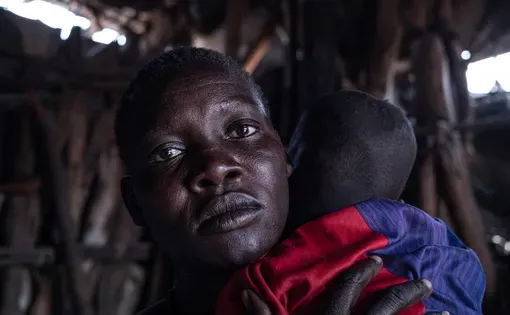
This multimedia reporting project provides a voice to communities struggling to survive—communities that remain resilient amid abandonment.