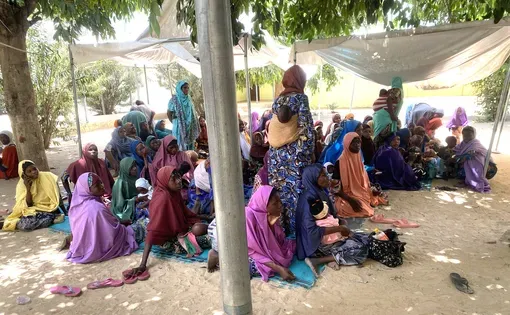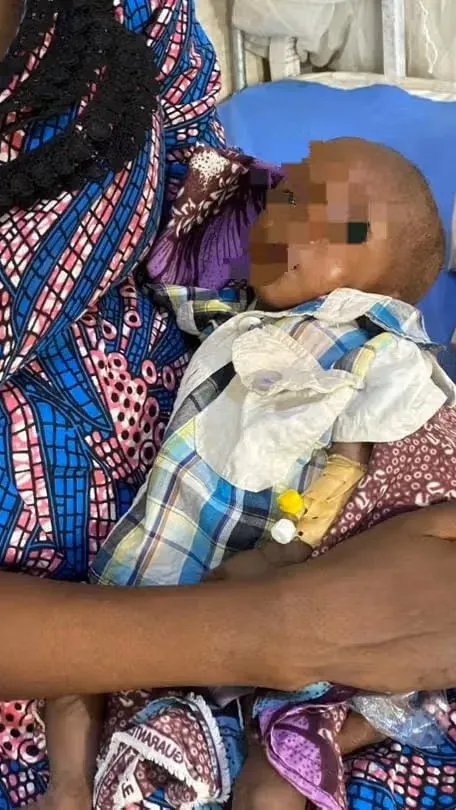

According to UNICEF, Nigeria had the highest number of malnourished children in Africa and the second highest in the world, with about 5.4 million children under the age of five facing acute malnutrition by 2025. This leaves millions of children surviving on little more than shrinking hope.
With the global funding cut by the US in January, the World Food Programme suspended some of its activities in Nigeria, while other agencies also scaled back nutrition programmes and therapeutic feeding, closed clinics, reduced outreach and left hundreds of thousands of acutely malnourished children without treatment.
On December 4, the US said it would provide $5 million to UNICEF to tackle acute malnutrition in Nigeria. Yet, when measured against the scale of the crisis, the sum begins to look like a mere band-aid.
This story will trace the real impact of the funding shortfall on Nigeria’s nutrition program. It will follow children and families on the frontlines of hunger; visit clinics overwhelmed by rising severe acute malnutrition (SAM) cases; and investigate why, despite previous progress, the region remains perilously exposed. It will also explore what happens when international aid recedes — and whether a modest injection of funds like the US pledge can meaningfully offset the loss.