Story
 June 10, 2026
War, Hunger, and Now Aid Cuts: Nigeria’s Malnourished Children Surviving on Hope
Country:

Project
Surviving on Hope
According to UNICEF, Nigeria had the highest number of malnourished children in Africa and the...
Hamsatu Isa was barely 20 years old when Boko Haram captured Gwoza, Borno state, north-east Nigeria, and declared the community their “caliphate”. It was a bloodbath, a massacre still etched in her memory as though it were yesterday. The once peaceful and thriving town fell to its knees at dawn in August 2014. Hundreds of residents were killed, many fled, houses were torched, and young girls were abducted.
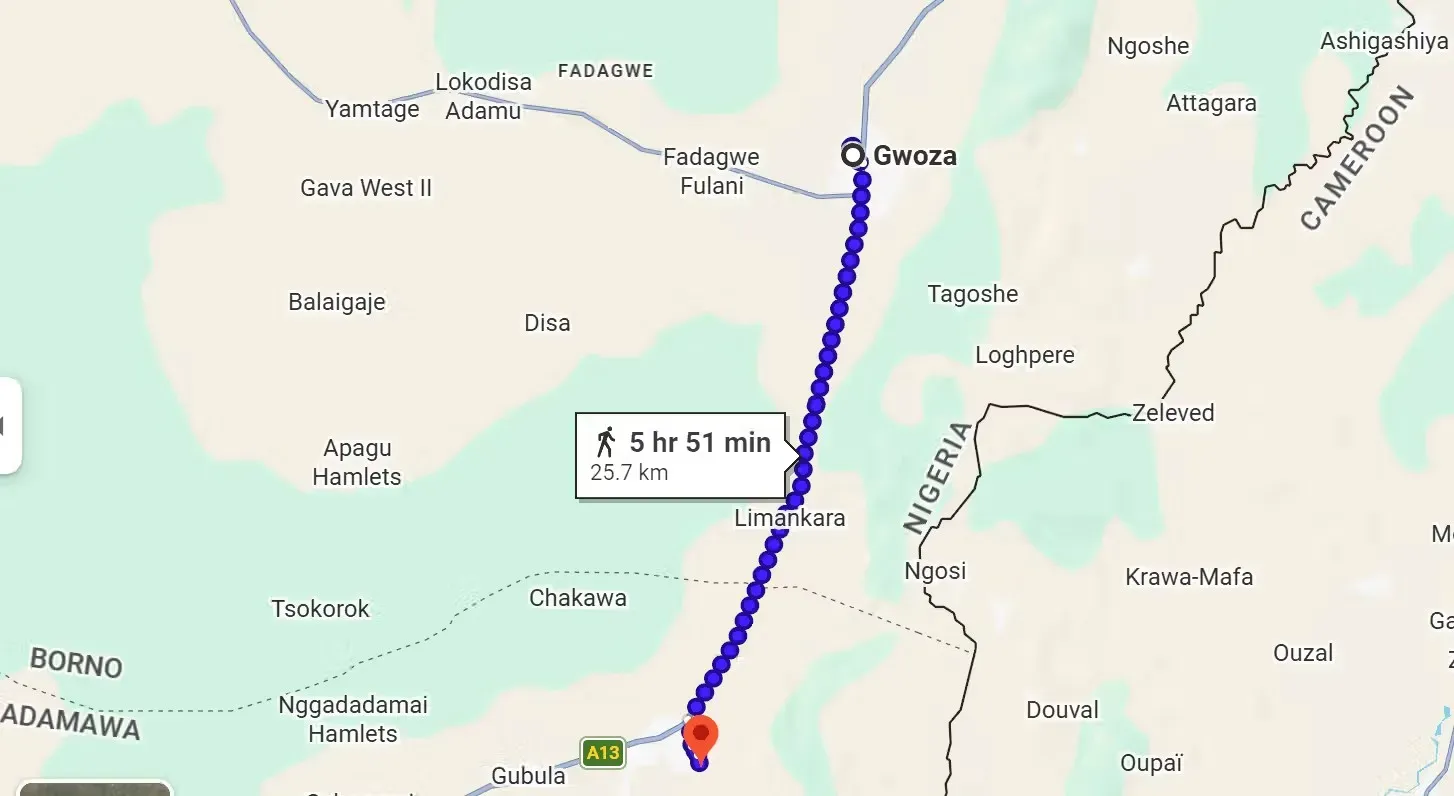
While some men disguised themselves as women to escape Gwoza, Hamsatu’s father was not so fortunate and could not escape with his family. He was gunned down. Hamsatu, her siblings, and mother joined a group of people fleeing the community. They trekked a long distance, first to Madagali town in neighbouring Adamawa state, before they finally found their way to Maiduguri, the Borno state capital.
Maiduguri, a sunny city in the Sahel, has welcomed thousands of residents displaced by the insurgency. At the internally displaced persons (IDP) camps in Maiduguri, you are welcomed with a nauseating stench and the probing eyes of military officers. Surviving every day was by luck, as more people poured into the state capital from communities already captured by the Boko Haram insurgents.

As a nonprofit journalism organization, we depend on your support to fund more than 170 reporting projects every year on critical global and local issues. Donate any amount today to become a Pulitzer Center Champion and receive exclusive benefits!
For a girl who had lived in abundance of fresh farm produce from her father’s farm in Gwoza, food had now become a scarce commodity for Hamsatu. Her mother assumed the fatherly role and became the engine that kept the family train moving through the dark.
“I remember I had two close friends; life was sweet with them. We did almost everything together — going to school, fetching water at the tap, and going to the market,” she recalled with nostalgia. A little smile hovered around her sun-tanned face, but it didn’t last long.
Hamsatu’s family later moved out of the IDP camp and settled in the Shuwari area of Maiduguri. Her mother began making akara (fried bean cakes) and knitting caps. Hamsatu helped her mom scale the business until she got married in 2021. With a new family to cater to, Hamsatu clung to the hope of better times.
However, the struggle to stay afloat became glaring. Hamsatu’s bricklayer husband wasn’t getting enough work, and her cap-weaving business wasn’t profitable enough to feed her nuclear family because it takes many days to complete and sell a single piece.
Oftentimes, in her solitude, Hamsatu would remember the bountiful harvest from their farms in Gwoza. They had enough to eat, and their livestock fed on the leftovers. From the proceeds of their harvests, her mother would buy new clothes for the festivities. But she can no longer return home. Although the Nigerian army recaptured Gwoza in 2016 and some residents returned to rebuild their lives, Hamsatu is still haunted by scarring flashbacks. Just two months ago, the Boko Haram insurgents had attacked Ngoshe, a neigbouring community in Gwoza LGA.
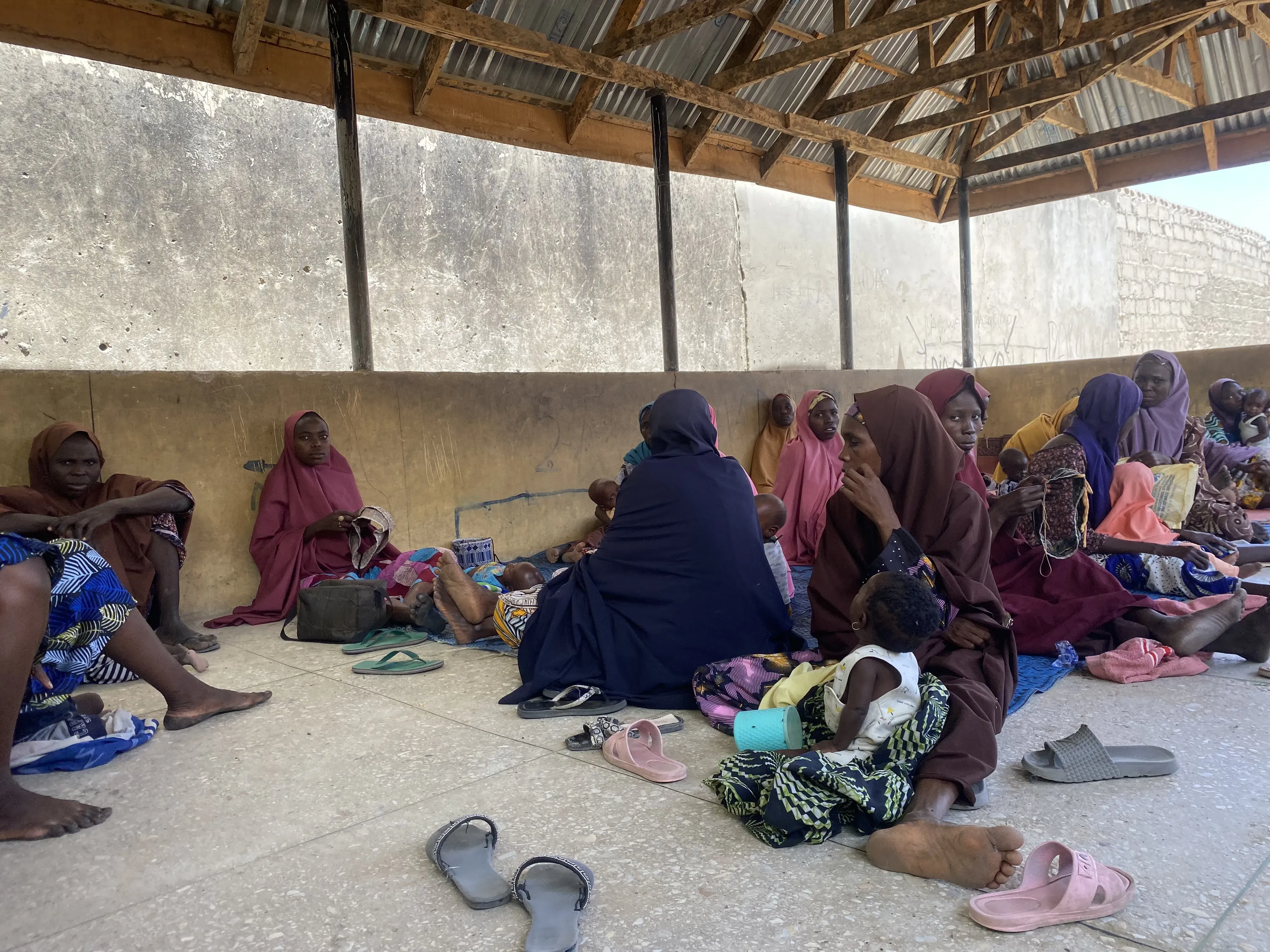
Stuck in Maiduguri without a reliable source of income, Hamsatu is struggling to find help for her malnourished children. The once bubbling lady no longer radiated the same excitement, her voice punctuated with despair.
Tamuwa: The nutritional supplement vanishing from clinic shelves
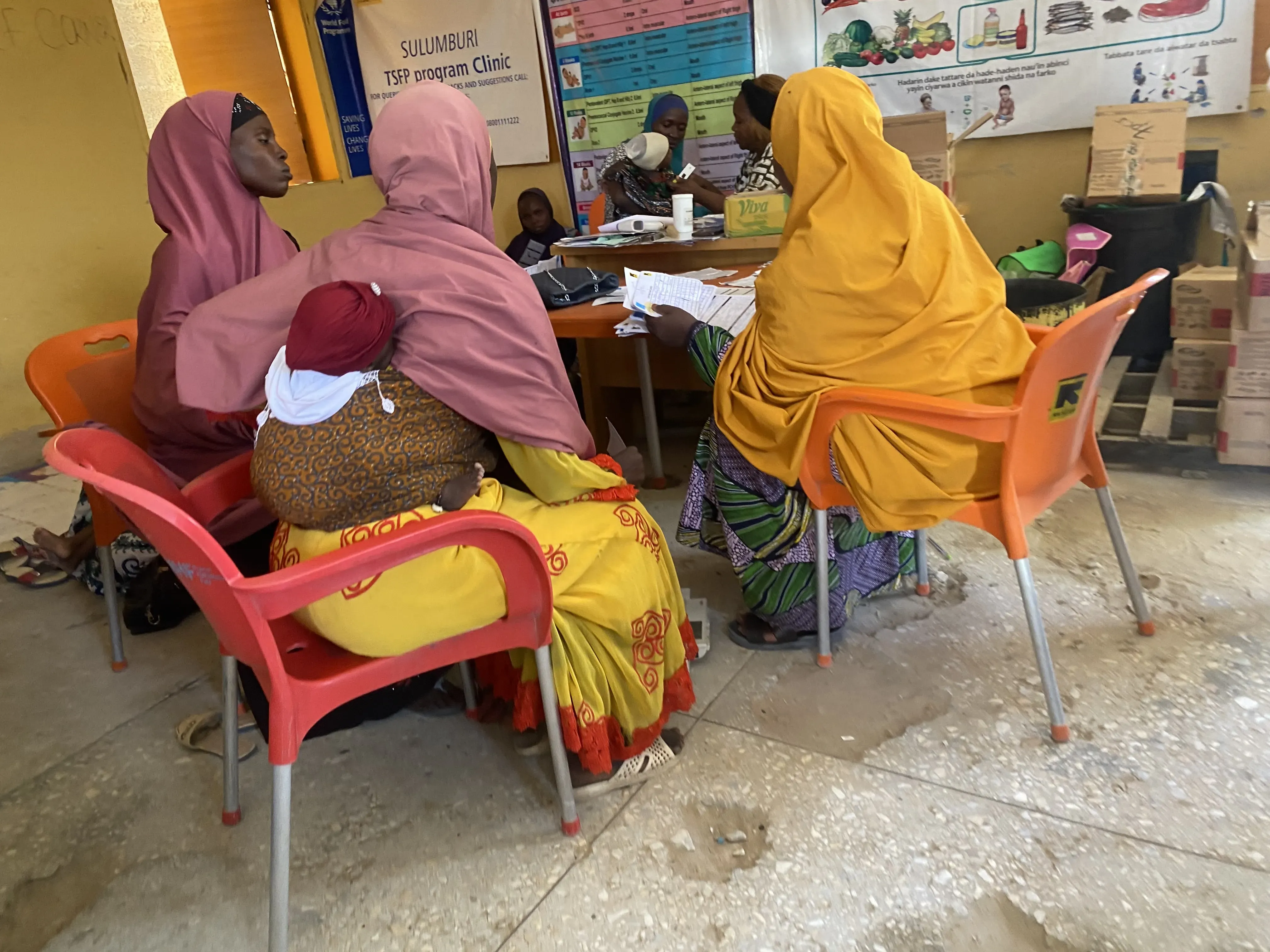
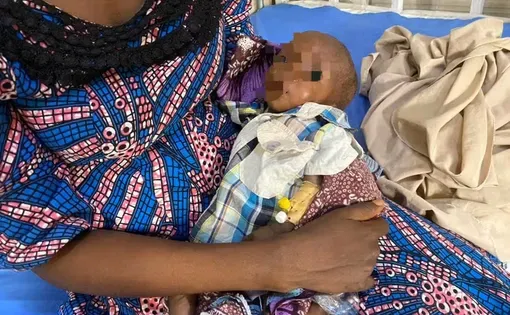
At the Mala Kachalla stabilisation centre in Maiduguri, she held her thin, fragile three-year-old in her arms. The primary healthcare centre (PHC) provides critical care for children with severe acute malnutrition (SAM). Hamsatu said two of her children had previously benefited from the centre’s nutrition programme at the time they were teetering between life and death. Now she hopes her youngest will also benefit from tamuwa, the creamy paste ready-to-use therapeutic food (RUTF) provided by the facility.
Tamuwa is a high-protein meal made from powdered milk, peanut paste, vegetable oil, sugar, and a mix of vitamins and minerals. The RUTF is a highly effective treatment for children suffering from severe acute malnutrition.
“I’m here to see if they are giving out tamuwa to children. My child hasn’t been eating well for several days,” Hamsatu said, with a mix of hope and uncertainty.
“Our first child suffered from teething issues that led to malnutrition. One day, some women came to our house and told us the child could be treated for free. I followed them to the hospital and was given tamuwa, over 30 pieces in a box. A week later, my child became stronger, and I was very happy.
“The centre where I used to collect it is gone. I asked the other women at the hospital, and they said there is no more tamuwa available. Now I have to go back home and try to find money to buy one or two sachets for him. They sell them in shops, but it is too expensive — one piece costs up to N400 (29 cents).”
The outpatient therapeutic programme (OTP) at Mala Kachalla PHC was run by Action Against Hunger and other partners until 2025, when the United States government decided to cut about 90% of the foreign funding of the United States Agency for International Development (USAID).
In Nigeria, USAID has long been a key development partner, supporting health initiatives and humanitarian response efforts mostly in the conflict-hit north-east. Action Against Hunger Nigeria’s nutrition and health programmes were funded by the USAID’s Bureau for Humanitarian Assistance. According to the World Food Programme, Mala Kachalla was among approximately 150 health facilities in Borno state affected by these cuts.
In 2022, Action Against Hunger USA led a five-year $40 million USAID-funded project to address health and nutrition challenges associated with policy, advocacy, financing, and governance in communities around the world.
Clinics struggling to provide adequate nutritional and medical care
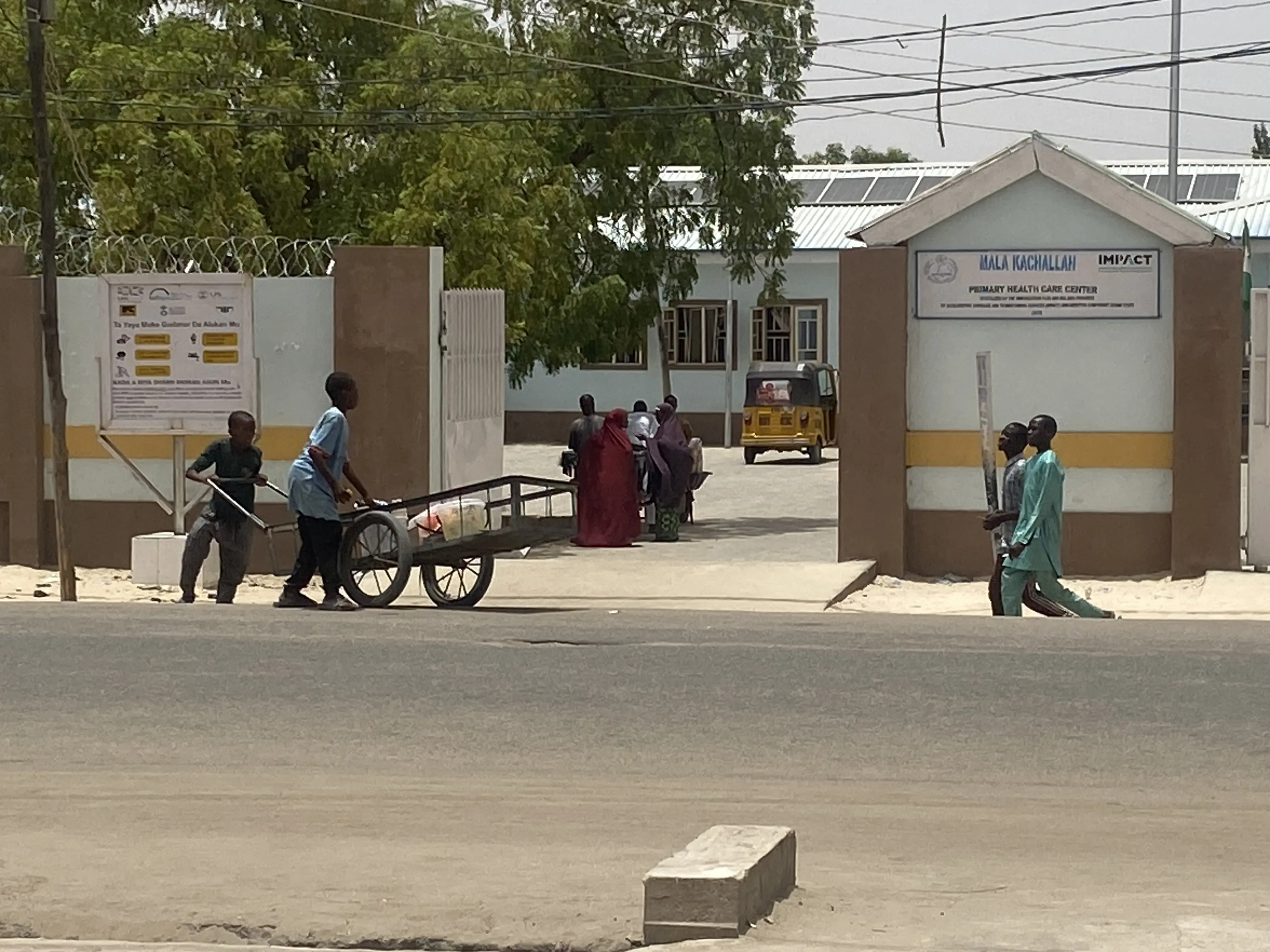
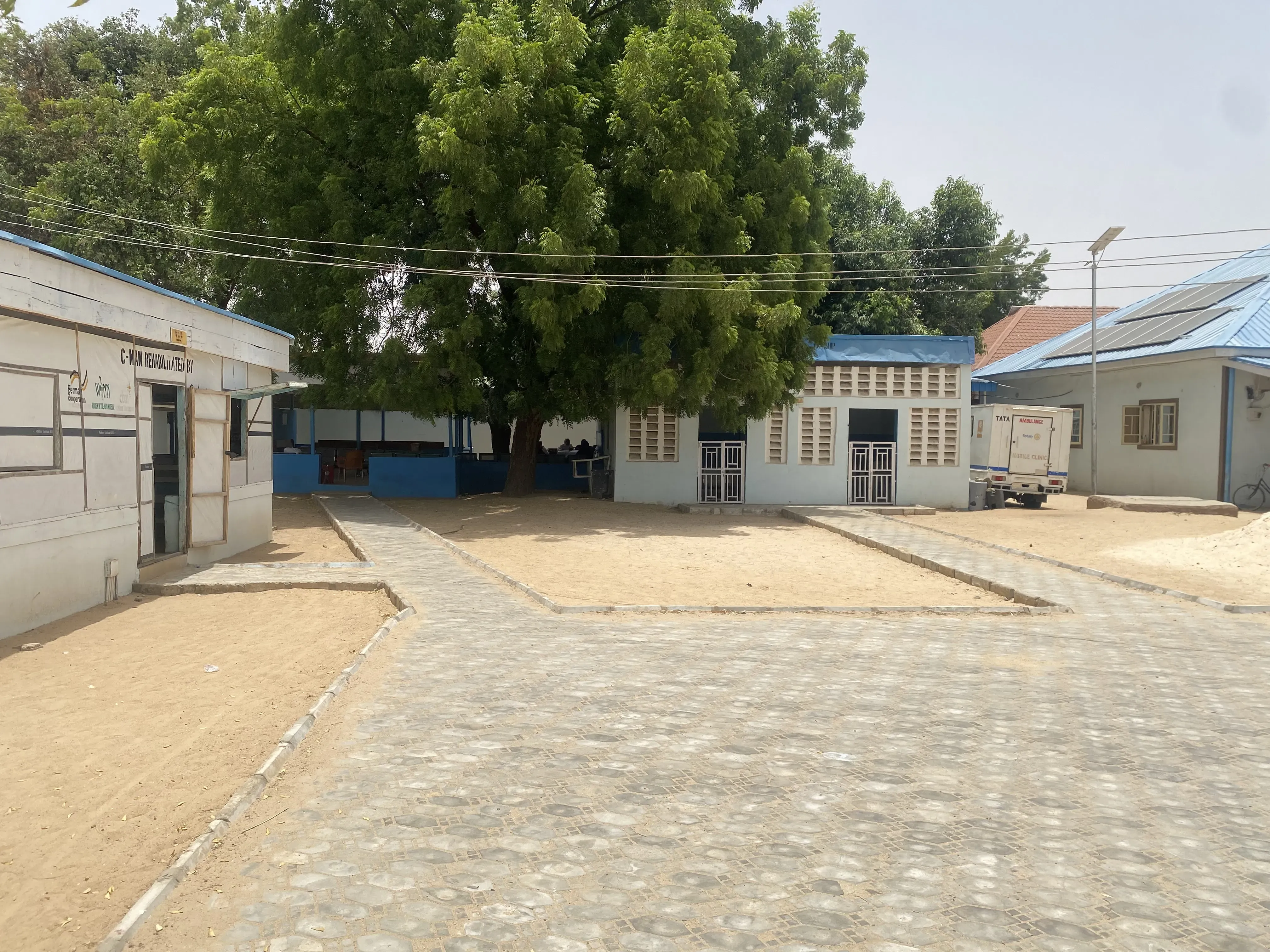
Among the structures that once filled the premises of the Mala Kachalla PHC were temporary tents and canopies belonging to various non-governmental organisations. These donor-funded NGOs provided free health and nutrition services to mothers and children affected by the Boko Haram crisis.
However, over the past year, the atmosphere at the facility has changed significantly. Except for a temporary tent now occupied by a few officials from the Renewed Hope Initiative for Nigerian Women, most of the structures have disappeared.
With the USAID funding cut came the suspension of several critical services offered by the NGOs, including the outpatient therapeutic programme, where children suffering from moderate malnutrition received treatment through therapeutic food.
“I worked as a community mobiliser. There were four of us on our team. Our unit alone, out of 10 units under Bolori, treated more than 100,000 cases in two years,” said Ahmed Bulama, a former community mobiliser for Action Against Hunger at the clinic.
“Every mother of a malnourished child received a box of RUTF containing over 30 pieces. It was expected that this would be exhausted within a month. They would come for more until their children got better.”
To improve the situation at Mala Kachalla PHC, Action Against Hunger, in collaboration with the Nigerian Humanitarian Fund (NHF), recently reopened its stabilisation centre. However, its focus is now limited to severe acute malnutrition cases within specific coverage areas.
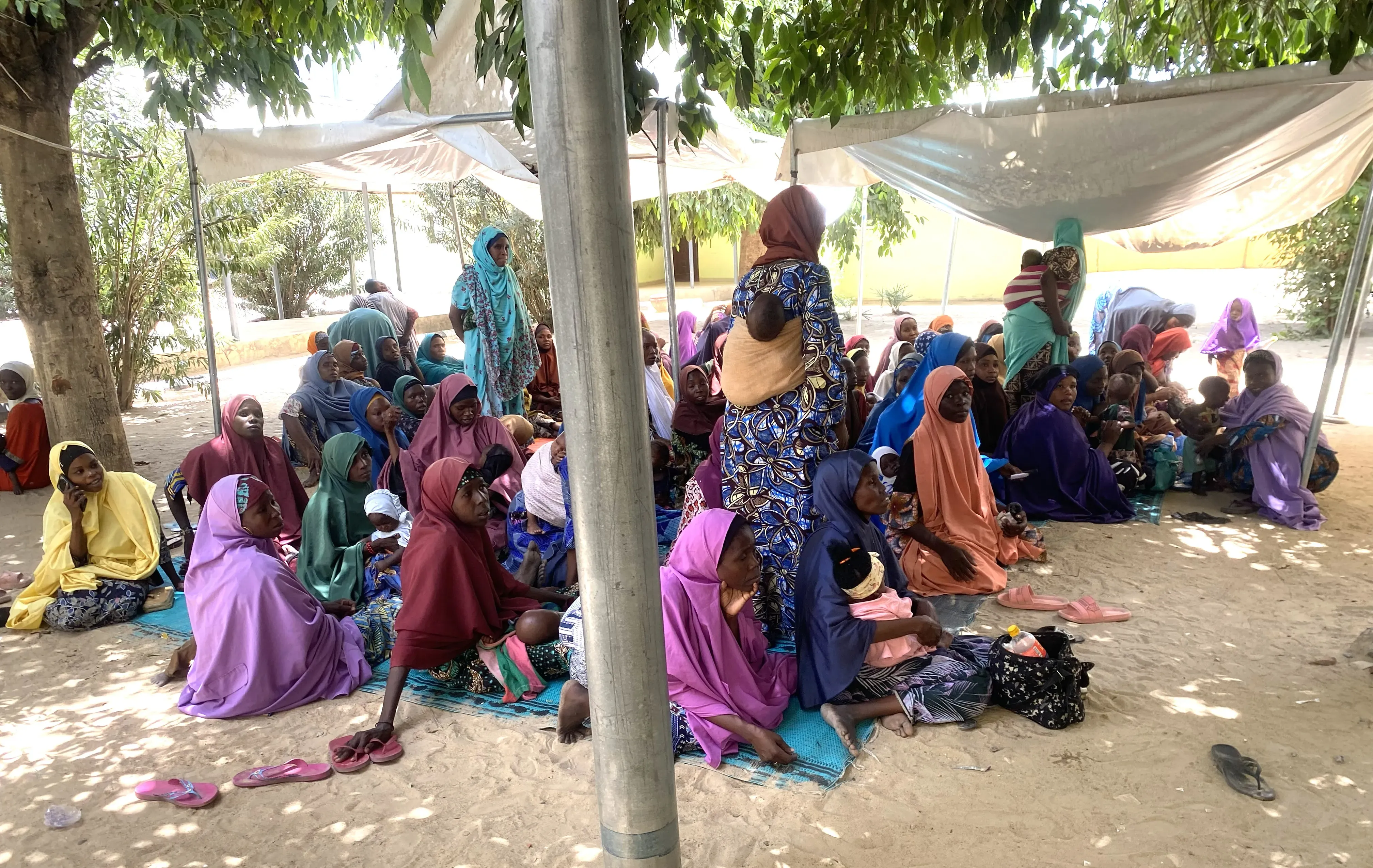
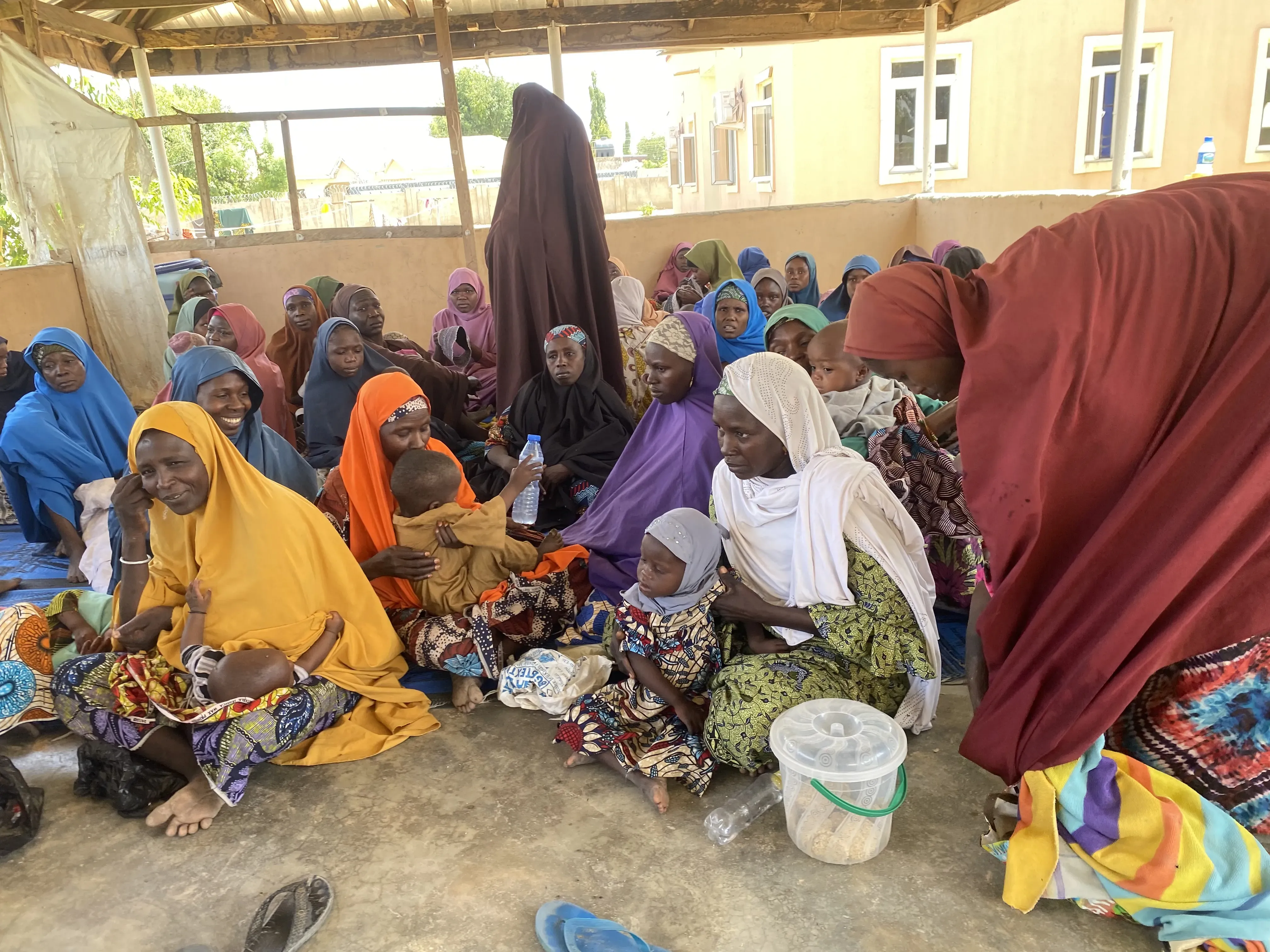
Hamsatu thought that with this development, the OTP was also back. Instead, she was welcomed with counselling by officials of the Renewed Hope Initiative for Nigerian Women, whose work focuses on sensitising women to malnutrition prevention measures.
”Our work is to discourage the reliance on RUTF because it is not sustainable. We sensitise them on how they can avoid malnutrition. For instance, many mothers discard their breast milk on the first day of delivery. They believe it is bad, but medically, it is actually a vital prevention for children against future complications. We also advocate for exclusive breastfeeding because it naturally makes children strong and healthy,” a health worker with the initiative explained.
“From here, we go into the community to sensitise, and we also counsel women who come here looking for RUTF.”
Ruth Ephraim, the facility secretary of Mala Kachalla PHC, noted that the withdrawal of USAID funding has left many gaps.
“The Nigeria State Health Investment Project (NSHIP), which provided incentives for health workers, is gone. Our nutrition programme, especially the OTP, is gone as well,” Ephraim said.
Ephraim added that since the funding cuts, other interventions have stepped in, including the Basic Health Care Provision Fund, IMPACT, and the Borno State Contributory Healthcare Management Agency. The hospital receives funds from these bodies for service delivery.
“But the OTP is not back. These women are used to the service; they still come here to ask about the programme, and we have to refer them to areas where it is still ongoing, like Gonimi,” she said.
Recent visits to some of these facilities show they are beginning to recover through alternative funding sources. Yet, amidst this recovery, struggling mothers continue to run helter-skelter to find care for their children, often receiving only minimal attention.
Mothers searching for a lifeline
In 2025, the OTP run by Save the Children at the 1000 Housing Estate PHC in Maiduguri was shut down following the funding cuts. A few months later, it was revived by Action Against Hunger in collaboration with the NHF. Their efforts included a stabilisation centre and an OTP.
However, one might easily mistake the stabilisation centre for a kindergarten, were it not for the more than 20 hospital beds spread across two rooms, with mothers and children lying on some of them. The flower paintings and the neatness naturally put one at ease. At the entrance, slippers are issued to visitors to maintain hygiene.
Among the 11 mothers found at the stabilisation centre receiving medical attention was Hafsat Musa, who was holding her child. All she could say, with a smile on her face, was, “We are getting better by the day.”
Fati Babagana, head of the centre, said her facility is affected by the USAID funding cut.
“When Action Against Hunger arrived, we were understaffed. They employed more people in the hospital and also in their stabilisation centre. Through their partnership, we were also receiving drugs almost for free, but this changed after the funding cuts. We are fortunate they did not reduce the staff employed in the health centre, but they laid off two nurses in the stabilisation centre. The supply of free drugs also stopped,” Babagana said.
However, despite the funding cut, she explained that Action Against Hunger has managed to keep things going in the hospital.
“We have three sections here. We have an OTP and a stabilisation centre. The stabilisation centre is also divided into two: one for severe acute malnutrition and the other for complicated cases, like infections along with severe acute malnutrition. At the OTP, those with moderate malnutrition are given RUTF,” Babagana said.
Unlike the 1000 Housing Estate PHC, the Maryam Abacha Children and Women Hospital in Maiduguri was only slightly affected by the funding cuts. The International Committee of the Red Cross (ICRC) and the Alliance for International Medical Action (ALIMA) have been running both the OTP and stabilisation centre. While ALIMA has operated for over two years, the ICRC OTP paused for a period before resuming its work.
UNICEF Nigeria reported that the Maryam Abacha Hospital recorded a surge in the number of children admitted for acute malnutrition, from 84 in January, when the US policy was announced, to 353 in June 2025.
“When we were admitted to Maryam Abacha Hospital, they gave us milk and tamuwa. The condition of my child improved, and he was discharged. But when he started teething again, he lost weight,” said Fatima Mustapha, 39, a mother of five and an internally displaced person from Aulari, Bama LGA of Borno State — a town located near the edge of the Sambisa Forest, an enclave of Boko Haram insurgents.
Fatima was a young bride when the terrorists overran Aulari, and she fled with her three children — two strapped to her body with a piece of fabric, and she held the eldest by his hand. They walked barefoot on the road for three days, eating leaves and drinking polluted water to survive. Getting to Maiduguri, one of the children fell ill. They had left everything behind, penniless and stranded, and getting medicine became difficult.
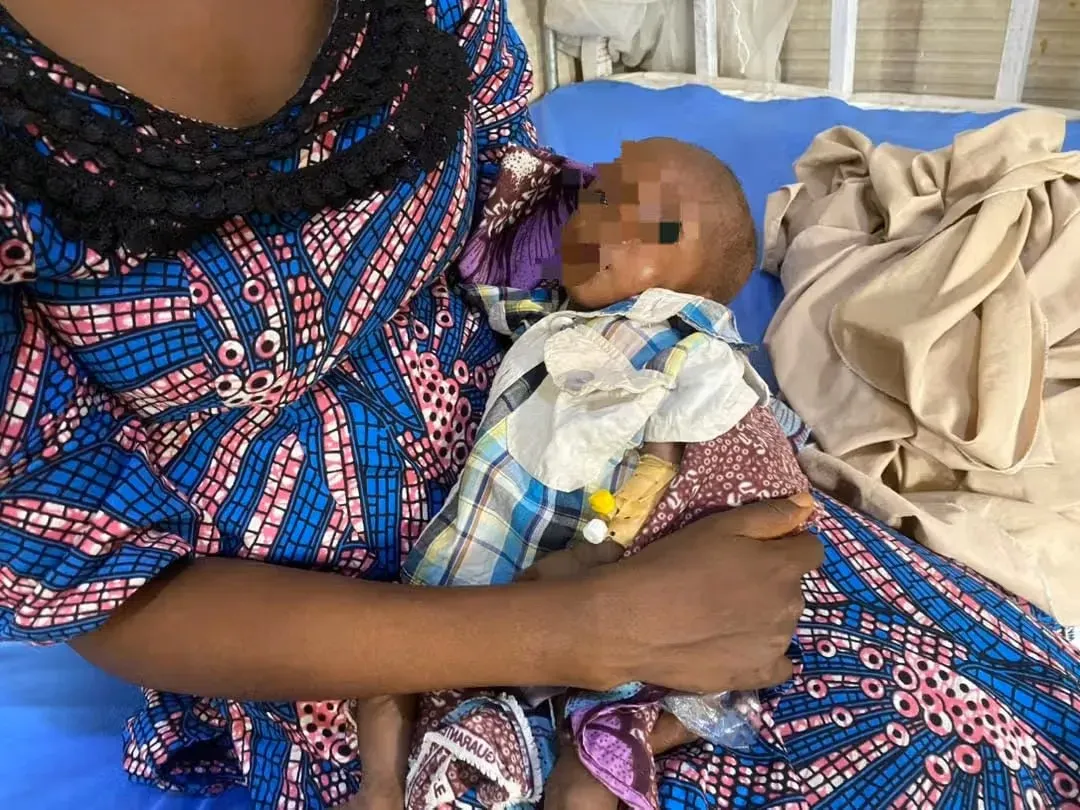
Now widowed with more children, Fatima has a fifth child who is battling malnutrition, which was initially misdiagnosed as measles.
“Before I came here (to the clinic), my son wouldn’t eat, but now he and the other children are getting better. The improvement is impressive. They are giving the children milk and tamuwa. My first child suffered the same illness after we fled the attacks years ago; I can never forget that struggle,” Fatima remembered.
What funding shortfalls mean for Nigeria’s malnourished children
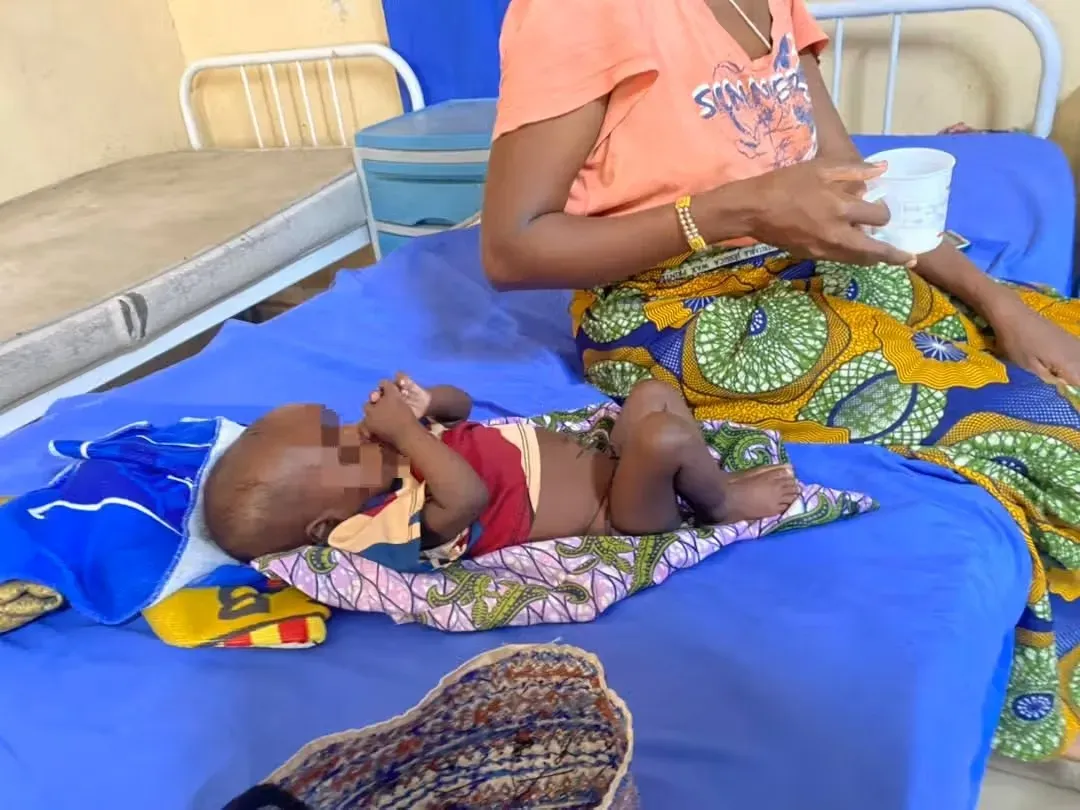
In Nigeria’s north-east — a region battered by a decade-long Boko Haram conflict, displacement and deepening hunger — millions of children are surviving on little more than shrinking hope. According to the United Nations Children’s Fund (UNICEF), Nigeria has the highest number of malnourished children in Africa and the second in the world. The global agency added that an estimated 2 million children in Nigeria suffer from severe acute malnutrition, but only two out of every 10 children affected are currently reached with treatment.
With the global funding cut by the US, development agencies suspended some of their activities in Nigeria and other developing countries, while other agencies also scaled back nutrition programmes and therapeutic feeding, closed dozens of clinics, reduced outreach and left hundreds of thousands of acutely malnourished children without lifesaving treatment.
The United Nations warned that such a funding halt would have a devastating effect on the global humanitarian system. The WFP stated that it needs at least $129 million for operations to continue until July 2026 or risk a full operational shutdown in the embattled north-east region.
In its newly issued Country Activity Report, Médecins Sans Frontières (MSF) stated that 2025 recorded its highest number of malnutrition admissions in recent years, with more than 440,000 children treated across its operations in Nigeria.
The Nigerian Red Cross Society (NRCS) 2026 Malnutrition Needs Assessment also indicated that no fewer than 6.4 million children under the age of five in northern Nigeria are suffering from acute malnutrition as food insecurity worsens in communities affected by years of armed conflict.
The NRSC report noted that more than 52% of households reported that children had not been screened for malnutrition using MUAC in the six months preceding the assessment, while only 24% of facilities reported having sufficient therapeutic food and micronutrient supplements in stock, compared to 76% that reported stock shortages.
A report by the United Nations Office for the Coordination of Humanitarian Affairs (OCHA) released in May stated that Nigeria faces an unprecedented food insecurity and malnutrition crisis, with almost 35 million people nationwide expected to face acute food insecurity during the 2026 lean season, making Nigeria one of the world’s largest hunger crises, with the burden falling overwhelmingly on northern Nigeria.
OCHA added that millions of families will be forced to reduce meals, sell productive assets, and withdraw children from school.
“Across the north-west and north-east combined, an estimated 6.4 million children are expected to be acutely malnourished in 2026. Acute malnutrition in north-east Nigeria is projected to peak from May to September, when the majority of LGAs are expected to face serious or critical nutrition conditions,” the OCHA report noted.
The findings of these recent reports point to one thing: a bleak future for fragile children when interventions are no longer available. In an interview with Beatrice Ogunba, a professor of maternal and child nutrition at Obafemi Awolowo University (OAU), Ile-Ife, she said that when a child experiences severe acute wasting, their immune system essentially fails. She said that because they lack the physical stamina to fend against common infections, millions of vulnerable children are totally helpless against diseases that can be prevented.
“Additionally, if we leave their mothers behind, we cannot protect the children. Acute malnutrition currently affects over 786,000 pregnant and nursing Nigerian women. If maternal supplementation programs fail over the next two years, the number of low-birth-weight babies who are already hungry, frail, and at risk of dying young will skyrocket. Eight out of ten extremely malnourished children had no access to treatment before these cuts,” Ogunba told The Cable.
Local solutions to restore stability
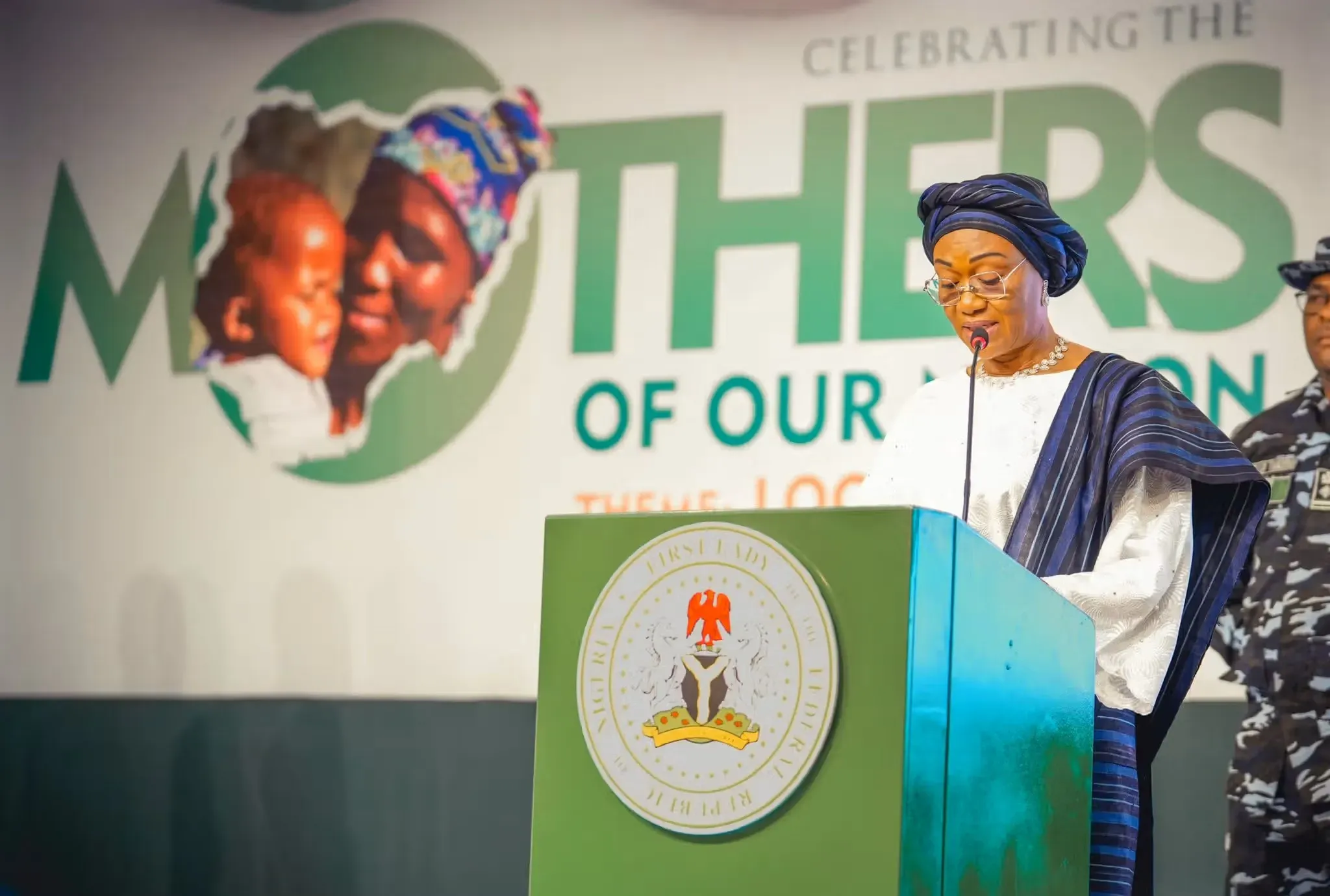
To cushion the impact of the funding cut, President Bola Tinubu, in April 2025, declared a national emergency on food security. Oluremi Tinubu, the first lady, also launched a N65 billion ($46 million) National Community Food Bank Trust Fund to tackle hunger and malnutrition across the country. She noted that many Nigerian children still lack access to adequate nutrition.
The Fund was raised by the federal government, the Nigerian National Petroleum Company Limited, the Nigeria Governors’ Forum, the Aliko Dangote Foundation, owned by Aliko Dangote, Nigerian businessman and Africa’s richest man, and other wealthy philanthropists.
“Child malnutrition in Nigeria remains a pressing national priority, with millions of children in need of consistent access to the nourishment required for healthy growth and development. Each day of our inaction affects their health, growth, potential, and future,” the first lady said.
In addition, some states have started developing locally produced RUTF, like tom-brown, and other life-saving nutritional commodities to respond to the challenges posed by the funding cut. Tom brown, a powdery, highly nutritious traditional Nigerian food supplement, is a mixture of different cereals, legumes and crayfish.
Kaduna state was the first to implement home-grown RUTF alternatives. Katsina state also unveiled plans to establish a local factory for RUTF production. Through its community-driven Masaki initiative, the Jigawa state government trained 600 women on how to produce local therapeutic food. Meanwhile, Jigawa fought against the illegal diversion of RUTF procured by the government to help vulnerable children.
Despite these local interventions, the race to reduce malnutrition in Nigeria remains a steep challenge as cases keep rising.
Ogunba, who is also the director of the Maternal and Child Resource Initiative on Breastfeeding (MaCRIB), advised the government to actively subsidise tiny, solar-powered processing hubs run by women’s cooperatives in secure indigenous LGAs and close to IDP camps.
“We cannot treat nutrition as a distant humanitarian issue or a donor-funded charity. We must stop viewing it as an imported emergency. The cognitive and physical development of our next generation is permanently at risk due to this systemic crisis of national survival,” Ogunba told The Cable.
“The next 24 months will bring an unparalleled survival catastrophe if our administration does not act decisively to ring-fence domestic health funds and regard nutrition as a fundamental national security issue.”
On December 4, the US said it would provide $5 million to UNICEF to tackle acute malnutrition in Nigeria. Yet, when measured against the scale of the crisis, the sum begins to look like a mere band-aid.