Project July 16, 2026
State Algorithms: How Guatemala Buys Artificial Intelligence
Country:


Guatemala is rapidly acquiring artificial intelligence systems, biometric databases, and surveillance infrastructure—but this technological transformation is happening in the shadows, without public debate or legal safeguards.
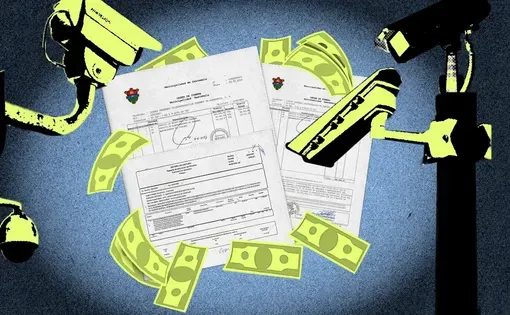
Agencia Ocote and Sociedad.info are collaborating on an investigation that analyzes 1,244 public procurement processes worth Q276 million (USD $36 million) between 2020 and 2026. Using open contracting data processed through Sociedad.info's TeseoETL system, the reporting team has identified systematic irregularities: a single supplier accumulated 58 contracts with one ministry, all priced just below the threshold requiring competitive bidding; another supplier received 12 identical contracts of exactly Q90,000 for the same medical equipment with AI capabilities.
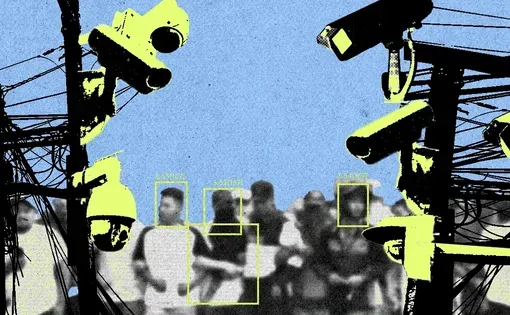
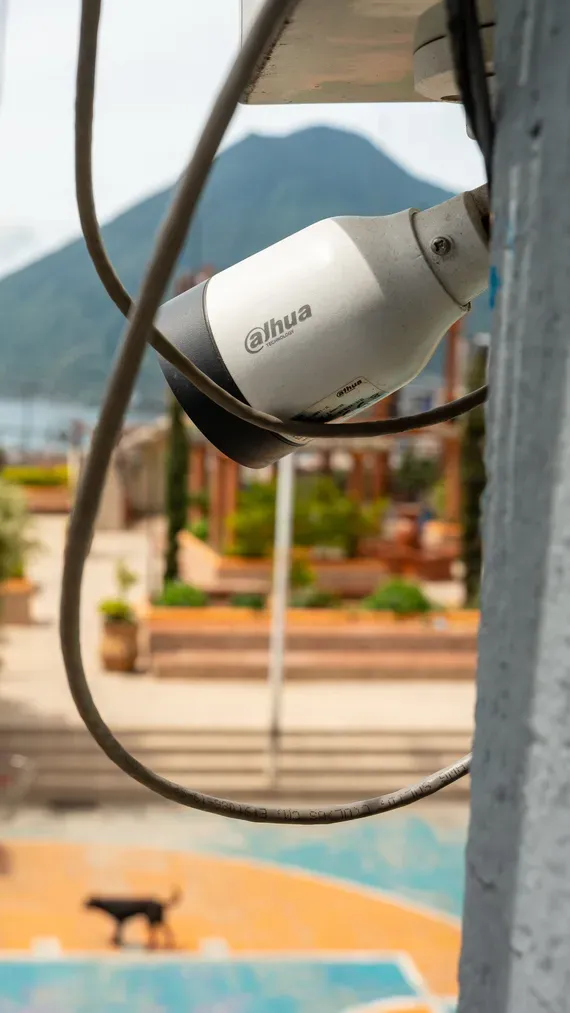
Beyond procurement patterns, the investigation documents the expansion of algorithmic surveillance affecting specific communities. Guatemala City's C4 Monitoring Center now integrates AI across 4,000 cameras. Antigua Guatemala has deployed over 500 facial recognition cameras in its historic center. Indigenous-majority departments like Huehuetenango are investing in "AI detection" systems. Meanwhile, RENAP captures fingerprints, facial images, and iris scans from every citizen obtaining mandatory identification—a biometric database built through contracts awarded without competition to sole providers.
Guatemala has no comprehensive data protection law. There are no protocols governing algorithmic profiling. Communities are being watched and catalogued without their knowledge or consent.
The investigation identifies who benefits from these contracts, verifies whether purchased systems actually exist and function, and documents the human rights implications of surveillance technologies deployed without democratic oversight.