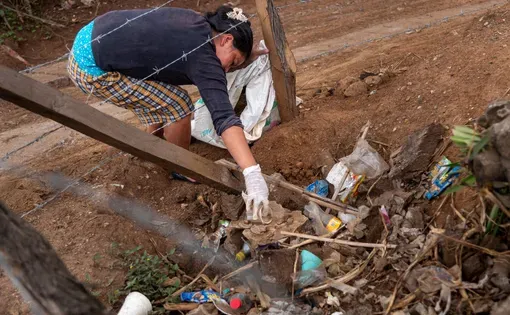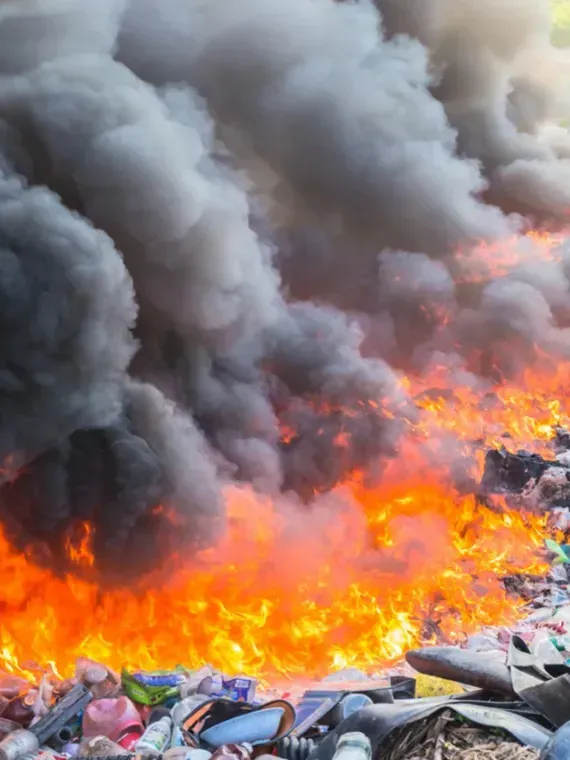


The massive increase in plastic production over the past several decades is contributing to the climate crisis while threatening public health. Because plastic is made from fossil fuels, it burns easily, giving people in low-income communities who lack access to reliable energy sources a cheap, convenient fuel for cooking and heating. But burning plastic releases dense black smoke filled with the toxic chemicals added to give products qualities like strength, flexibility, color, and more. Plastic fires release persistent organic pollutants such as polycyclic aromatic hydrocarbons and dioxins, which have been linked to skin lesions, cancer, immune disorders, and birth defects.
Inside Climate News reporter Liza Gross and photojournalist Michael Kodas are following U.S. researchers Lisa Thompson and Eri Saikawa to remote Indigenous villages in Guatemala, where they’ve been working with women who have burned plastic in their homes. The researchers are studying the health effects of burning plastic indoors to women and their children, while identifying ways to reduce the practice in favor of safer alternatives.