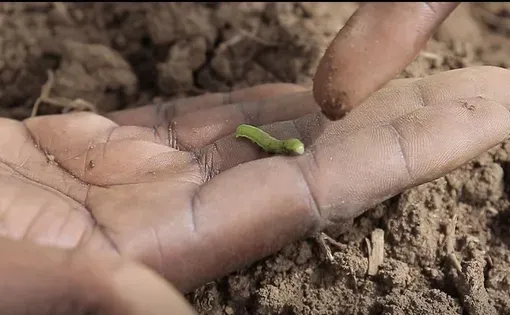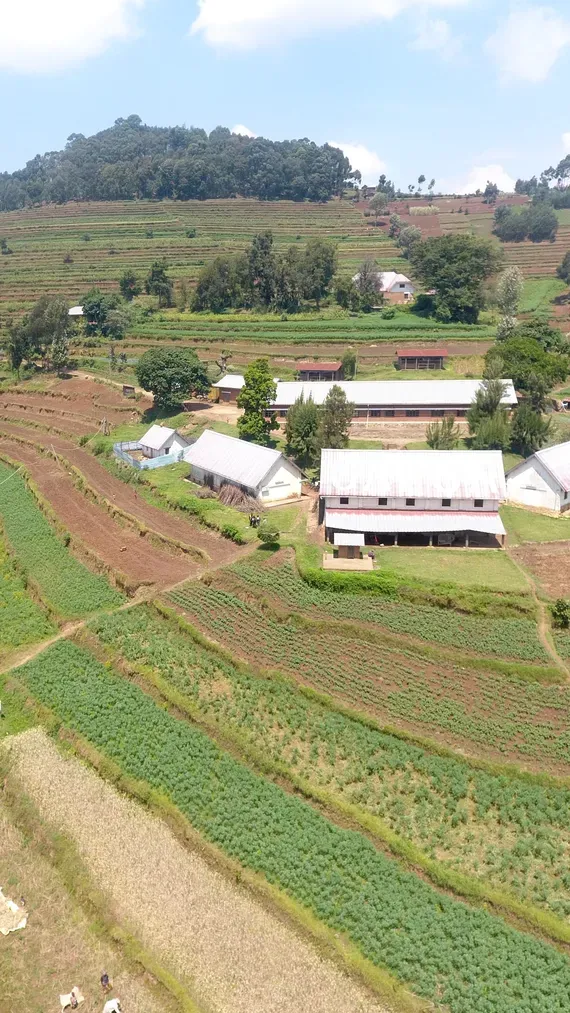

In North Kivu, eastern DRC, subsistence farming is dictated by the sky. No rain means no harvest. But when the water comes too hard or out of season, fields turn into swamps, soils wash away, plant diseases spread, and smallholders are forced to pour scarce resources into saving what they can.
The opposite extreme is just as merciless: prolonged drought remains the most dreaded enemy, especially in the mountains where irrigation is almost non-existent. Across the province — and much of the country — more than 60% of the population, an overwhelming majority living in rural areas, depend on this fragile, climate-sensitive agriculture.
Adding to the pressure are old, low-yielding seeds and farming techniques stuck in the past. Yet, resilience is emerging. Farmers, NGOs, research centers, and local authorities are racing to develop new crop varieties capable of withstanding the shocks of a changing climate.
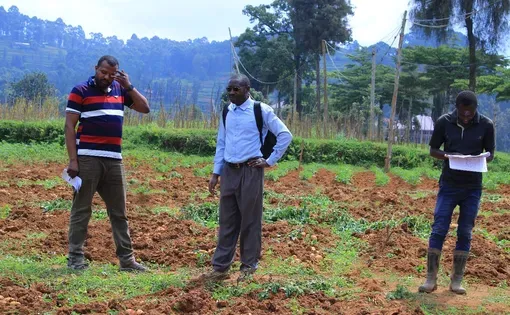
This field report follows journalist Hervé Mukulu on the roads of Kivu — from maize to potatoes and rice — meeting the people who cultivate them and keep hope alive in the face of uncertainty.