Project September 1, 2026
Climate Change and the New Front Lines of Conflict in South Sudan
Country:


South Sudan is facing a worsening security crisis, with rising fears of a return to civil war despite the 2018 peace agreement. In the last year, violence has escalated in regions such as Jonglei, Upper Nile, and Unity, involving forces loyal to President Salva Kiir, Vice President Riek Machar, and various local militias.
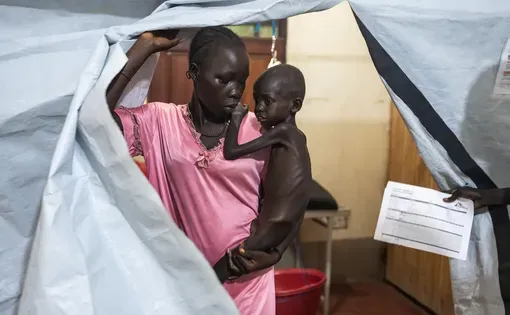
Civilians are increasingly affected, with growing reports of killings, abductions, sexual violence, and mass displacement, deepening an already severe humanitarian crisis.
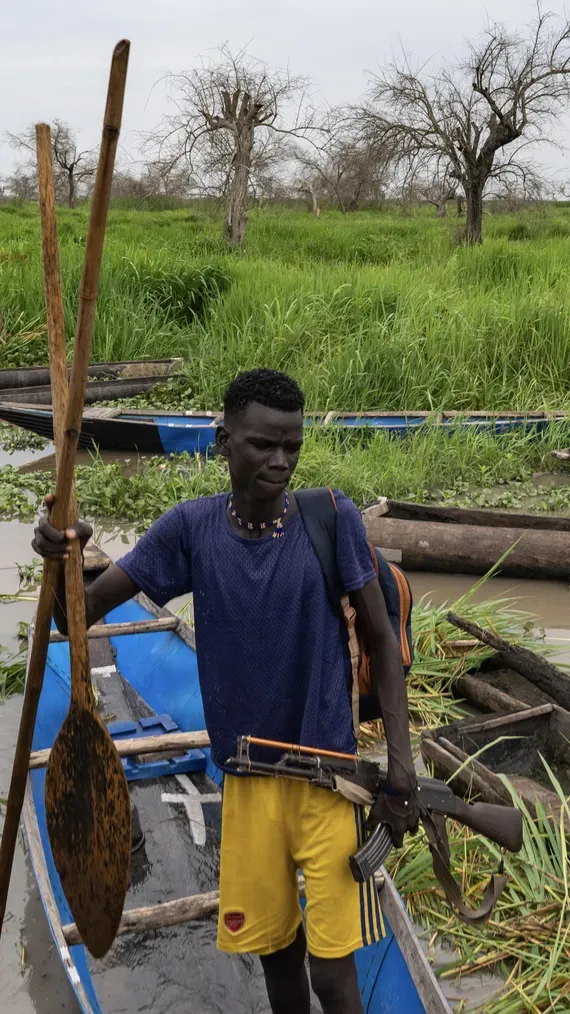
At the same time, climate change—particularly prolonged and widespread flooding—is transforming the dynamics of conflict. Large areas of the country remain submerged, displacing pastoralist communities and destroying traditional grazing lands.
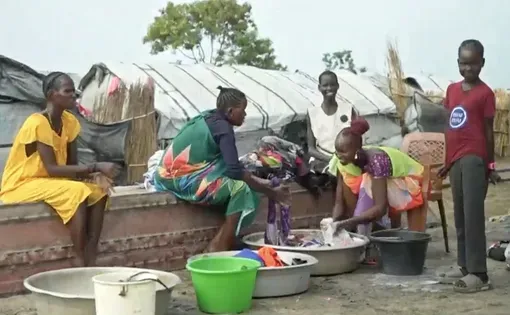
After facing the consequences of the war, hundreds of thousands now also have to adapt to a changing landscape. As habitable land shrinks, displaced cattle herders move into new territories, creating competition over scarce resources and intensifying intercommunal tensions.
This project explores how environmental pressures are reshaping conflict in South Sudan, documents the experiences of communities facing resource strain, and examines the responses of political and humanitarian actors.