Story
 October 12, 2026
Worked Like a Horse, in the Korean Fleet: Game Simulates Work on Fishing Fleet
Country:

The high demand for seafood is not matched by the availability of domestic labor.

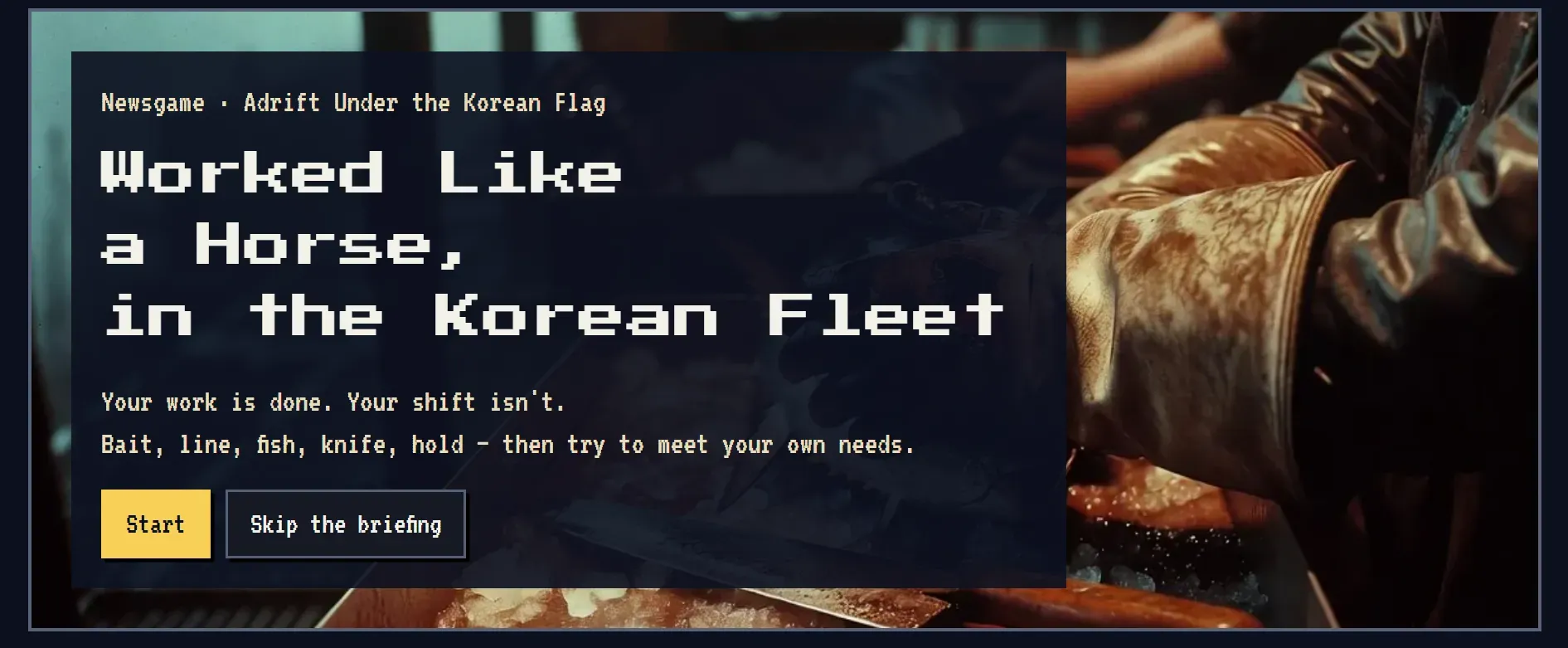
Your work is done. Your shift isn't.
Bait, line, fish, knife, hold — then try to meet your own needs.

AQWAM HANIFAN / journalist, your guide
My name is Aqwam Hanifan. I'm a journalist. For the past few months I've been tracing what happens to Indonesian crew on South Korea's distant-water fishing fleet. According to official Korean figures, 3,469 Indonesians work there — eight in every ten of its foreign crew.

As a nonprofit journalism organization, we depend on your support to fund more than 170 reporting projects every year on critical global and local issues. Donate any amount today to become a Pulitzer Center Champion and receive exclusive benefits!
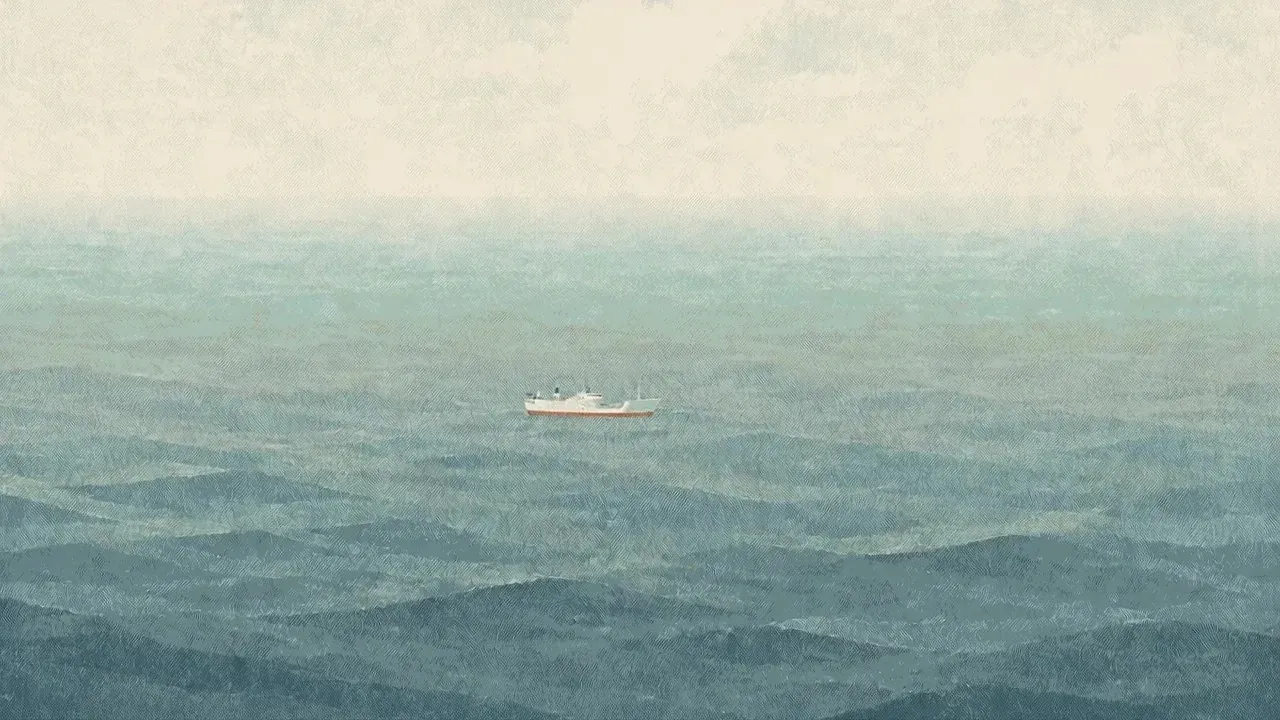
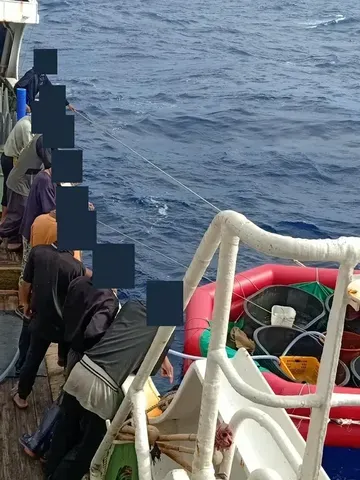
These vessels catch tuna, squid and premium fish for markets in Japan, the United States and Europe. They can stay at sea 12 to 19 months without touching port. Supplies come on other ships; the catch is transferred mid-ocean. No inspectors come aboard. No journalists.
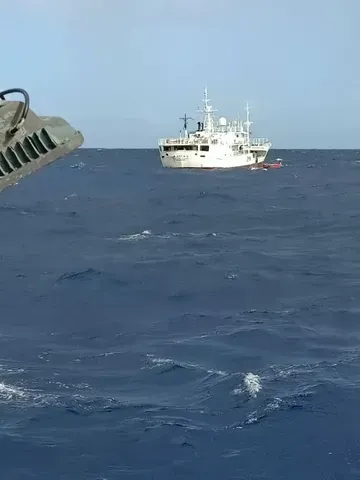
One crew member — we call him Widodo, not his real name — worked 14 months on Oryong 306, a tuna longliner owned by Sajo Industries in the Pacific.
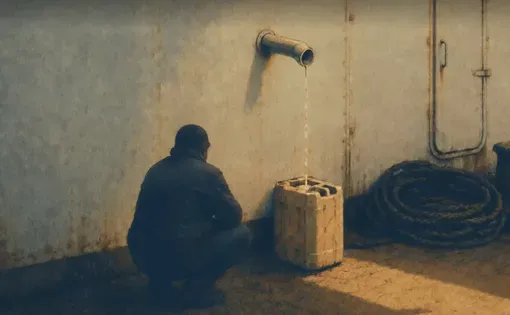
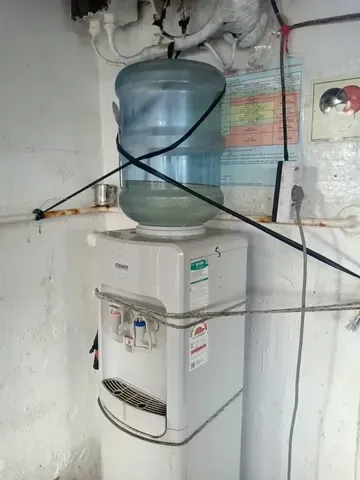
Its desalinator broke down in the second week of the voyage. For two to three months, part of the water he drank came from the air-conditioner drain pipe: collected, boiled, then drunk.
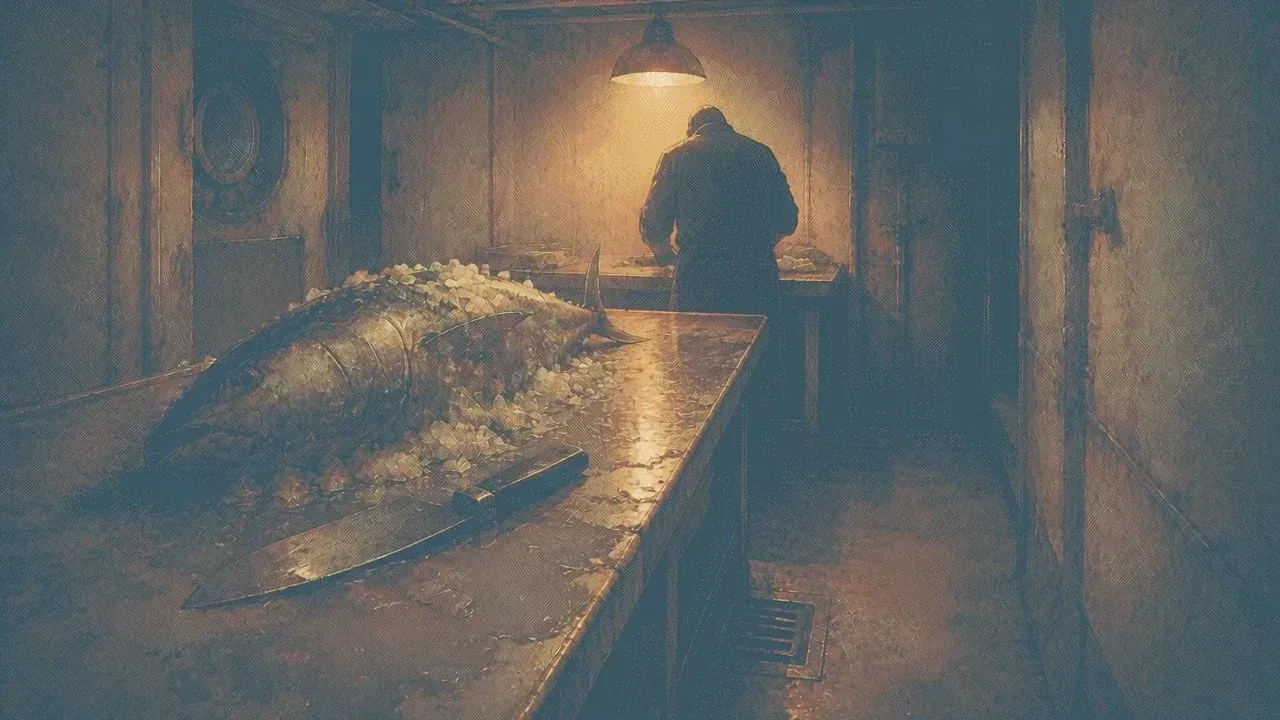
A normal working day is 15 hours; when the catch is heavy, 20. There is no overtime pay.
Nanang — also a pseudonym — worked on Dongwon 632 for a base wage of US$600 a month. Research by EJF and APIL found migrant crew on Korean distant-water vessels averaged US$694 a month. Korean-passport seafarers: US$6,998.
On the high seas there is no phone signal. The only bridge to the outside is Wi-Fi — and according to the crew, access is in the captain's hands. A complaints poster hangs on the wall, but using it requires internet. The companies deny restricting water and internet. I'll give you their denials in every chapter, alongside the data and the crew's testimony.
Now it's your turn. You'll work with YOUR OWN HANDS through your webcam: setting bait, hauling the longline, landing fish, cutting, then stowing the freezer hold. EVERY scene starts with untimed practice. Try successfully first, then choose Ready, start. Easy mode gives more time. Equipment checks, line clearing, ice spreading, load balancing, finding a break, building a sentence and the complaint route are additional educational scenes, not incident reconstructions. When the work is done, try to meet your own needs: drink, message home, and sleep.
Aqwam Hanifan, who reported this story, is your guide. Quotes and figures come from the reporting; the game scenes are dramatisations, not a reconstruction of any one vessel.