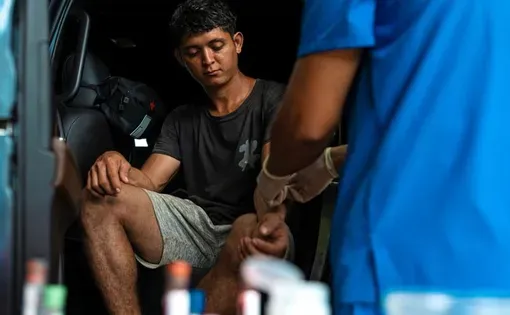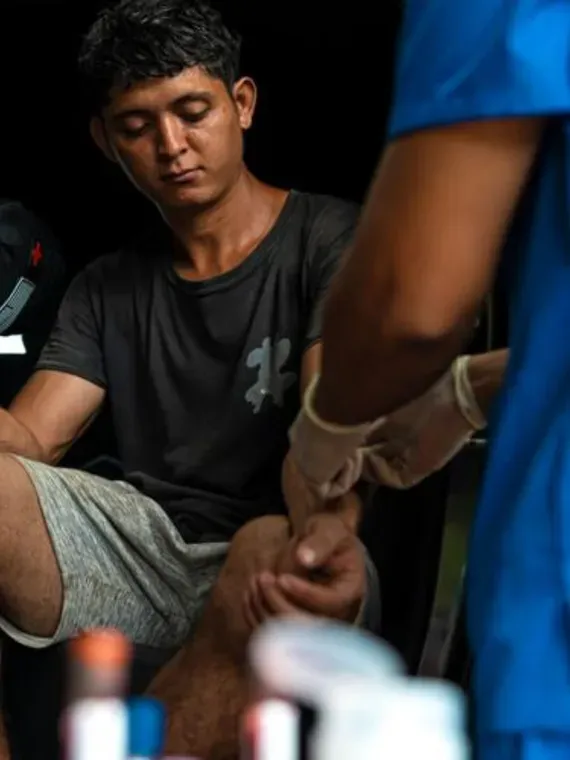

Across rural El Salvador, men and children are being struck by chronic kidney disease of non-traditional causes (CKDnt). In agricultural regions where sugarcane fields stretch for miles and clean water is scarce, entire families labor under scorching heat, without protection from dehydration or exposure to toxic agrochemicals. The result is kidney failure in people who’ve never had diabetes or high blood pressure, the usual culprits.
For years, CKDnt was thought to affect only adult male workers, but now, children who grow up helping in the fields are also getting sick. The public health system is overwhelmed. A long-promised renal care clinic was never built. Dialysis is often hours away, unaffordable, and unavailable to many.
This multimedia project follows families through the sugarcane planting cycle, documenting how environmental contamination and hazardous work are driving a generational health crisis. As agrochemical use rises across Latin America, El Salvador’s struggle may foreshadow a broader regional emergency.
In this project, Mariana Hernández Ampudia explores the following questions: What are the hidden costs of agricultural economies? And who is left to suffer when labor becomes a death sentence?