Story
 August 31, 2026
While Covering Healthcare in Rural U.S., Reporter Finds Frustration, Resilience, Hope
Country:

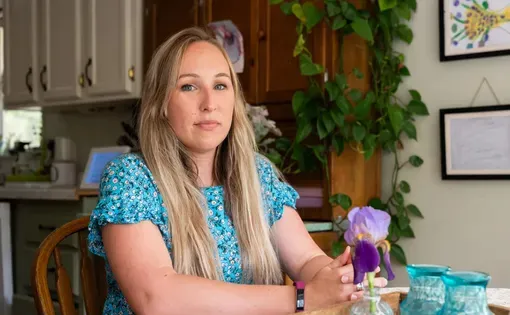
The loss of a hospital obstetric unit heightens maternal mental health risks.

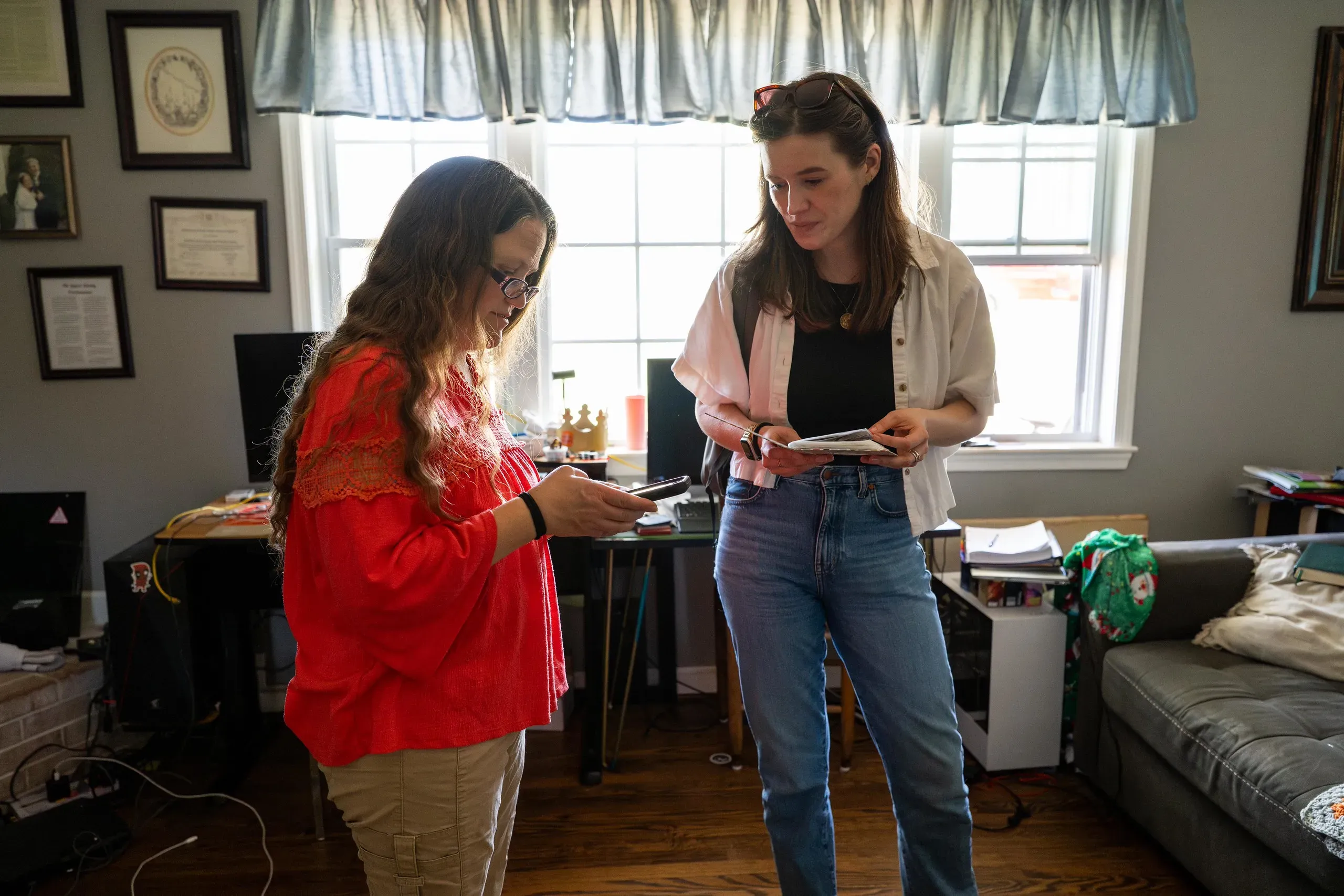
The impact of the closure of obstetric services in a Virginia hospital is a reflection of the state of healthcare in the U.S.
I started to follow the closure of obstetric care at Centra Southside Community Hospital in Farmville, Va., because of the outpouring of grief about it online.
Expectant mothers were stressed by the need to find new providers. Mothers who had delivered their children at Centra shared stories of positive experiences and mourned the loss of the services for others. Healthcare providers expressed their concern and frustration as they thought about patients they now had to leave.
Most of the media coverage was focused on the immediate response and the impact on physical health that the increased distance to obstetric services would mean. (There is actually a correlation between the distance to care and negative outcomes.)

As a nonprofit journalism organization, we depend on your support to fund more than 170 reporting projects every year on critical global and local issues. Donate any amount today to become a Pulitzer Center Champion and receive exclusive benefits!
But, how would the stress of navigating such change impact maternal mental health? I set out to find out.
Rural communities, though, aren’t always eager to talk to outsiders, and expectant mothers are busy enough without a reporter wanting to check in with them over the span of a few months. And not everyone who wanted to talk used the language of mental health when they described their experiences, which made my task a little more challenging. Experts later confirmed this to me—it’s a common challenge in researching maternal mental health in rural areas, especially attempts to quantify it. There is such a lack of data on maternal mental health in general, and trying to get it from a rural area is even harder.
But people did want to talk. Not just about what the closure meant for their existing pregnancy, but for their family planning, and for the level of readiness local first responders now need for longer travel distances to a hospital providing obstetric care. Many wanted to discuss the lack of healthcare options in general. It’s not just obstetric care that’s disappearing in rural areas across the country—it’s care in general, leaving communities without pediatricians, family physicians, or even pharmacies to get a vaccine.
This reporting project led me to speak with a large number of community members and national experts and to comb through and analyze data and national trends. Perhaps above all else, it made me see the crumbling state of healthcare in rural Virginia as a microcosm of what’s happening in the U.S. as a whole.
It seemed that for every solution discussed or implemented in Virginia or at the national level, there were more challenges. More rural hospitals closing services, more people losing insurance because of changes to Medicaid, more logistical hurdles people had to juggle to get to a doctor.
There were also things that got in the way that, though not directly tied to healthcare, compounded the challenges and hardship. Gas was expensive and a trip to a nearby town might be too much for some. Childcare options were closing, making it hard for families with kids to find time to go to a doctor farther away.
Looking at all this, it felt at times like a game that no one can win—neither the patients nor the healthcare providers. And all of this, I fear, will be only getting worse as the shortage of healthcare providers grows and as more people lose their healthcare coverage.
But it’s not all hopeless. There’s so much resilience in these communities. First responders in rural areas are used to being the healthcare front line and are up to the task. Doulas are stepping in to fill the gap, and community-based clinics provide care on a sliding scale for those who can’t afford it. And, in the midst of a fragmented safety network, mothers keep holding on, surviving, and pushing their families forward.
And, yes, there are several initiatives to address healthcare accessibility. So, there are solutions in the works. But, whether or not these initiatives would succeed in creating a shift for the better, the effort from a community that rallies in the face of loss and hardship is palpable. This alone goes a long way.