Story
 July 13, 2026
In Rural Alabama, Volunteers Step In Where Public Services Are Scarce
Country:

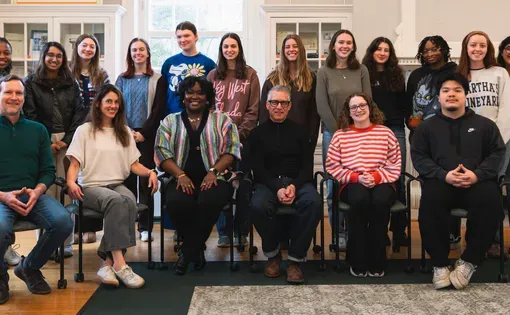
Students report on various issues around the world.


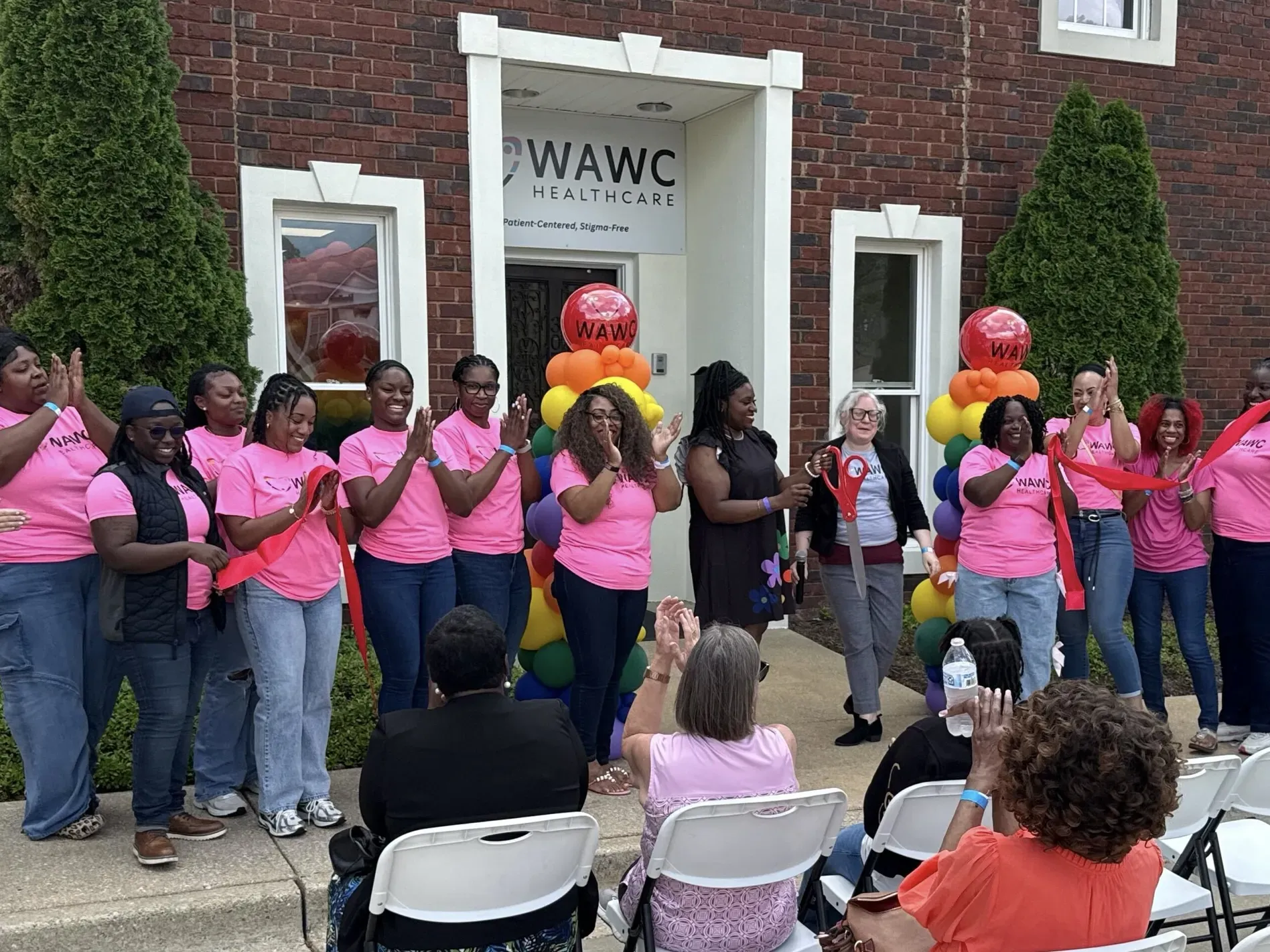
Alabama, along with other states within the Mississippi Delta region, has the country’s highest maternal mortality rates.
TUSCALOOSA, Ala.—Plastic flowers gently rustle from every gravestone as a stale wind blows through Tuscaloosa, Ala. Next to the quiet graveyard, women are trying to fill what they see as a deadly gap in their community’s healthcare system. They are all retired, from jobs in nursing, social services, and the military, and run a volunteer clinic in an old warehouse behind a Baptist church.
They have come together here because Alabama shares the leading rank in the country’s highest maternal mortality rates with other states within the Mississippi Delta region of the United States.
With the last Planned Parenthood clinic in Alabama located almost 60 miles away, in the city of Birmingham, the women of Tuscaloosa have decided that the care of their fellow mothers is up to them.

As a nonprofit journalism organization, we depend on your support to fund more than 170 reporting projects every year on critical global and local issues. Donate any amount today to become a Pulitzer Center Champion and receive exclusive benefits!
Good Samaritan Clinic is part of the Alabama Association of Free and Charitable Clinics network. The network connects with more than a dozen clinics in rural Alabama to provide maternal care across the state. Even with these volunteer efforts toward increased healthcare access and availability, the clinic’s executive director, Lynn Armour, said “there are not enough.”
While Republican leaders have invested in telemedicine and the Alabama Rural Health Transformation Program as an advancement in access to care, upward of 350,000 Alabamians remain uninsured.
Democratic lawmakers demand further action to create long-term solutions as federal and state legislation prioritize issues other than women’s healthcare. Lack of legislation in this area leaves 25 rural hospitals at risk of closing due to a coverage gap. That gap could be closed with the expansion of Medicaid under the Affordable Care Act.

“At this point, there is no place to give birth in western Alabama besides the two hospitals that are here in Tuscaloosa. So all the way over to the Mississippi border, there’s nothing,” said Robin Marty, director of WAWC, formerly known as West Alabama Women’s Center.
Sarah Alary is a volunteer at the Good Samaritan Clinic and a former labor and delivery nurse at DCH Regional Medical Center, Tuscaloosa’s main hospital. Though some physicians may travel to give prenatal care outside of the county, Alary confirmed that DCH is the only hospital with a labor and delivery ward in southwestern Alabama. This prescribes Tuscaloosa as a birthing place for many women.
Prenatal care has become inaccessible to many, as Alabama dictates that clinics providing abortion services cannot receive Medicaid funding. But these clinics were providing an array of maternal care as well—from wellness exams, to contraception, to testing for sexually transmitted infections (STIs). That funding cut has meant that these additional services cannot be administered or have become less available to clients.
The state also restricts Medicaid eligibility. The federal government caps the poverty level at an annual income of $21,960, while the state of Alabama only acknowledges the bottom 18% of parents within the federal guidelines, with a poverty threshold of less than $5,000 annually required to apply for Medicaid.
Pregnancy is the most common way that people in Alabama can adopt a Medicaid insurance plan, as increased thresholds allow applicants with yearly earnings up to $22,000. “If there’s any silver lining,” Marty said, “it’s the fact that the [federal] Medicaid cuts are not hurting Alabama as much because nobody’s on Medicaid except for the pregnant people.”
It is increasingly common, Marty noted, that birth anxiety pressures pregnant women to induce their birth early, under the assumption that this is the way to ensure complications do not arise later on. Though some anxiety was due to the nearly three-hour drive that some women make for their appointments, she said that the main reason doctors seem to be encouraging C-sections and induced births is to schedule and further monetize a previously unpredictable process.
“The incentive to get a baby out while you’re on the clock and not to have to drag it out, that’s a very real thing, especially for hospitals that are having a lot of problems with their finances,” Marty said.
In October 2025, an Alabama law went into effect that ensured presumptive eligibility for Medicaid for pregnant women who meet the income qualifications. Doctors would automatically be reimbursed for care, whether the insurance application got denied or not. Marty noted that the law was meant to encourage doctors to treat more patients, with fewer financial losses, though she is uncertain of its impact.
She emphasized that this lack of trust in healthcare providers has the potential to change if relationships between doctor and patient are mended.
“If we can help train a new generation of providers to listen to patients, to believe their experience, and to understand that their lived experience informs what they want from their healthcare,” Marty said, “then we think that, honestly, that’s going to be as much of an impact as the healthcare services that we’re going to provide.”
Armour conveyed the same message of trust and understanding between client and provider—such as Doris Vawters, Good Samaritan Clinic’s clinical director, and Teresa Potter, dispensary coordinator—noting its success within her own clinic.
“Doctors need to be compassionate,” she said. “[Clinic patients] see the compassionate side of how Doris treats the patients and talks to the patients and gives them a sense of value and that they are worth, the way that Teresa talks to them at the window when she’s giving them their drugs, and we explain things to them, but we don’t try to explain it to them like they’re babies and they should know what they’re doing, because nobody is anymore.”
To continue aiding the community, WAWC recently received a grant from Pivotal, a philanthropic organization founded by Melinda Gates.
“It is not an exaggeration to say this money is transformational for our organization,” Marty said.
The clinic has already made use of the funds, securing a second location just out of town. The new space will include many new services: a community pantry with food, clothes, and space to host events, childcare for patients’ children, a mental health wing, a birthing suite with doulas providing childbirth education classes, and a med spa.
Students from the University of Alabama in Tuscaloosa are encouraged to volunteer at the clinic. She explained how this will impact the students’ future in healthcare.
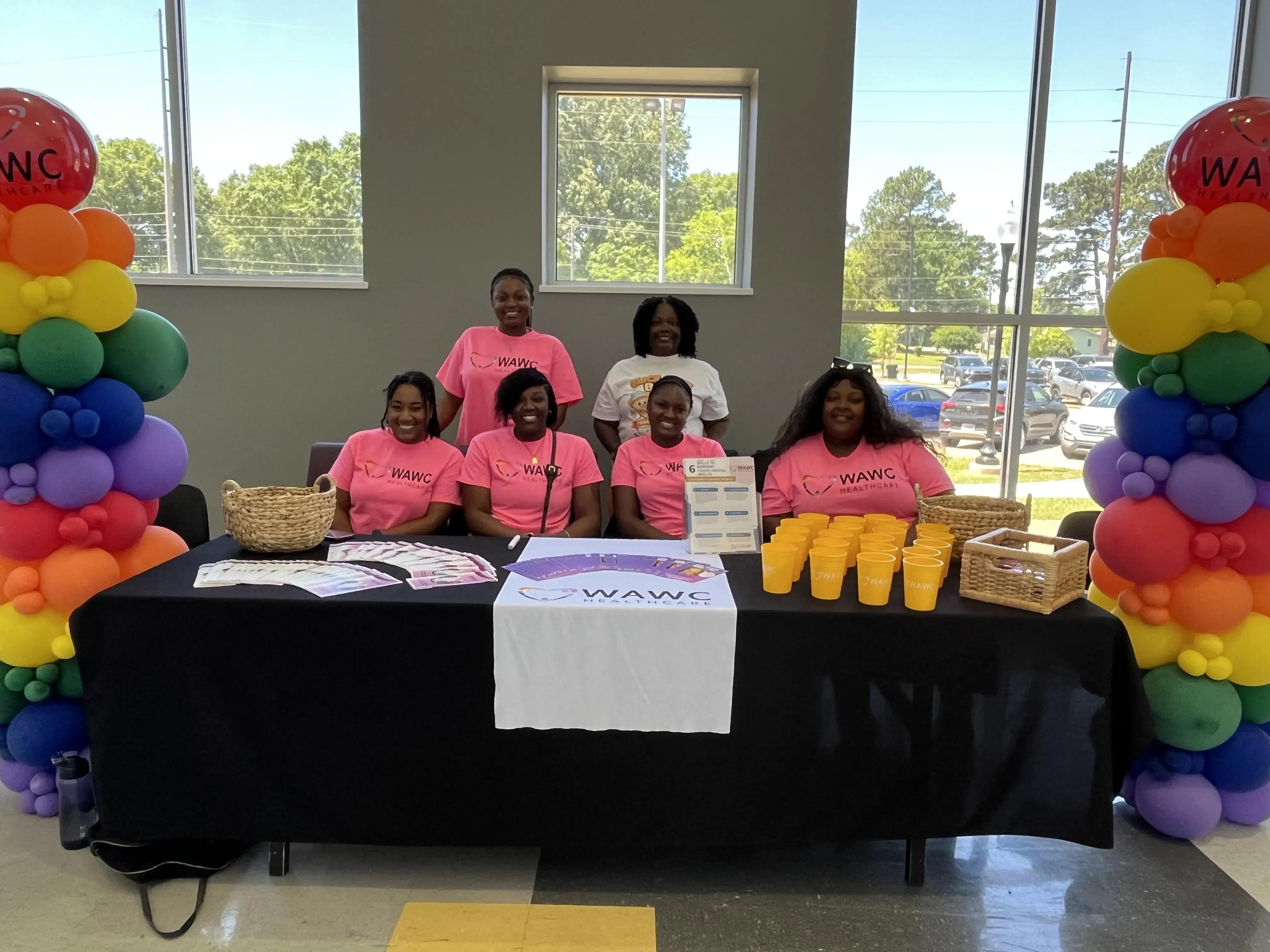
“This is a way for us to be able to teach newer providers about how to do care from a patient-centered perspective or how to work with more marginalized populations, how to make sure that when you’re doing your care, you’re not being coercive, which is something that we see so much out here in Alabama,” Marty said.
This birthing suite will also be transformational to holistic maternity care in western Alabama, as home births only became legalized in the state in 2017. Birthing centers started opening in the state by 2022, though Marty cites difficulties in regulatory permits.
“The Alabama Department of Health tried to close them through overregulation by stating that they were essentially operating unlicensed hospitals. And because of that, they could not operate without a mass of rules and restrictions,” she said.
The WAWC is set to qualify as a birthing center in this new location, helping to alleviate the shortage of maternal care in the area.
“I am hopeful that in the few years that have passed since the first set of regulations, the Department of Health has realized how bad access is,” Marty said. “I think we’ve lost at least three or four more labor and delivery rooms since the regulations were passed.”
Lack of postpartum care, Marty said, is the point at which mothers are being lost, driving the maternal mortality rate up to its current level. Marty’s clinic currently performs in-home postpartum visits for mothers up to six weeks post-birth, but is hoping to extend that timeline and add mental health checkups as well.
She said that WAWC makes an effort to meet patients where they are and cater to their diverse backgrounds and needs.
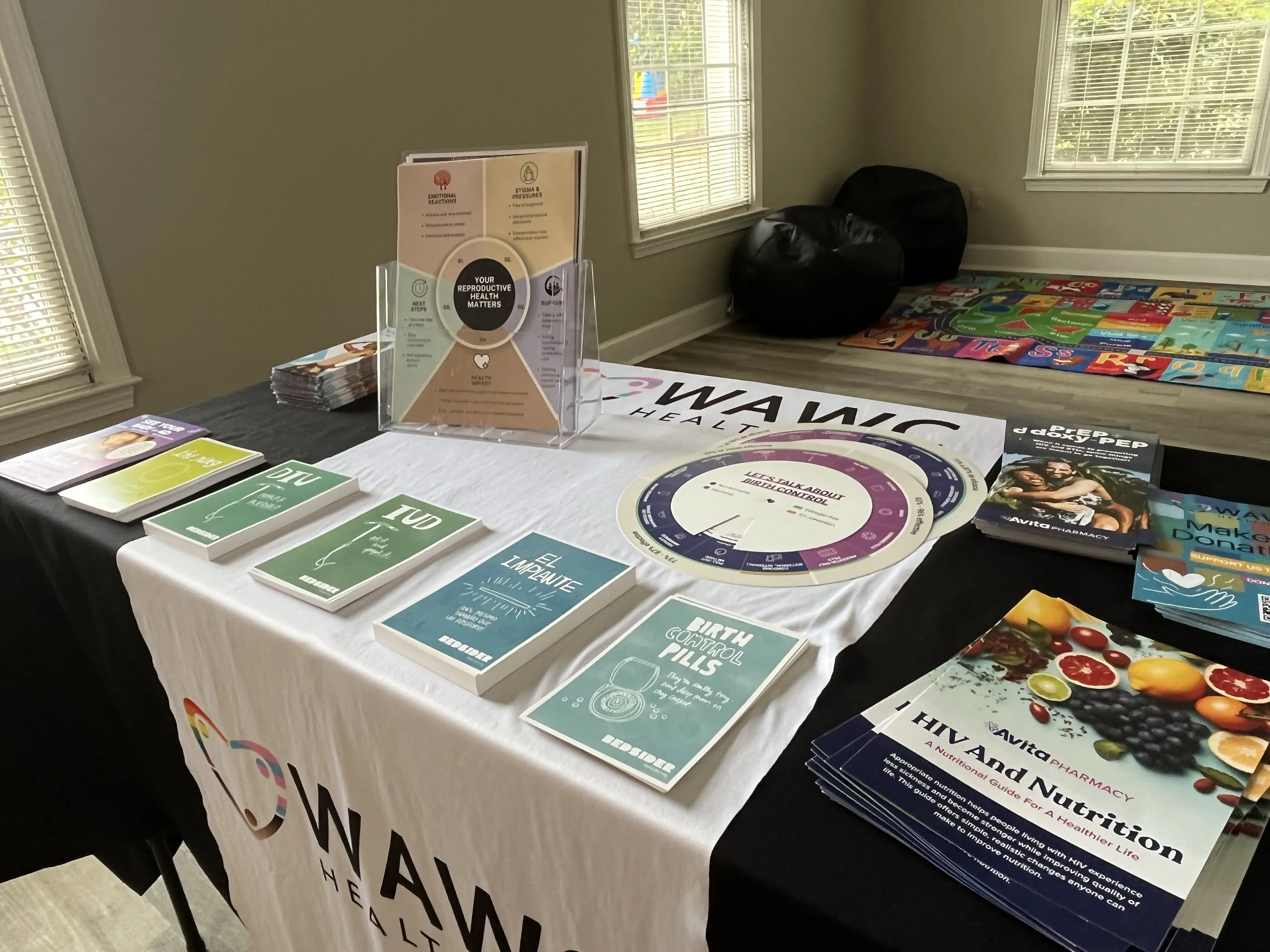
“What we’re looking at is what does culturally competent care look like?,” Marty said. “How do you do it in a way that you have already developed trust within your community?”
Symptomatic of rural counties in America, the lack of access to education is a fundamental problem in women’s healthcare. Melissa Hanks, associate executive director of the Tuscaloosa Safe Center, a clinic dedicated to helping those who have experienced sexual assault, cites more than just western Alabama as being at fault for these systemic barriers.
“People with lower socioeconomic statuses don’t always know what’s out there, what’s available to them,” she said. “There are a lot of gaps, which are not specifically tied to West Alabama. That’s just an overall problem.”
Hanks highlights the increasing scarcity of accessible healthcare in the area.
“I do think we need more providers and locations, especially in rural counties. It’s hard to get medical care, period.”