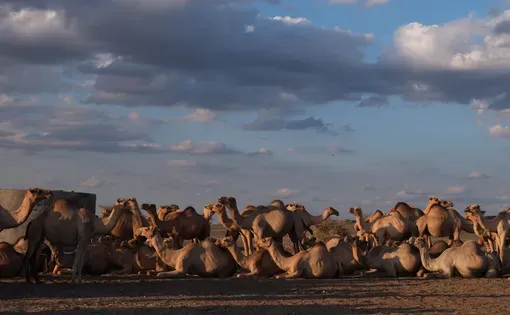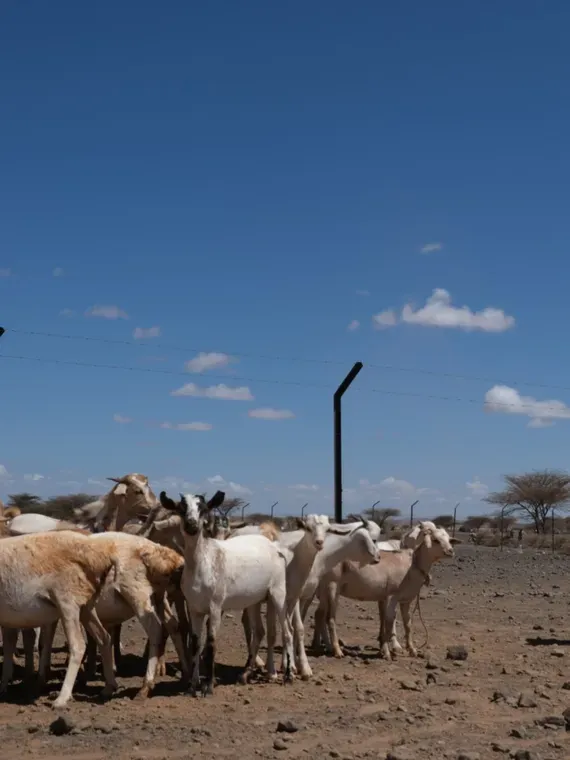

In the 1990s, ships were being sent to Kenya with tonnes of toxic waste from the U.S. and Europe. Locals and experts believe this waste was also brought to the Chalbi desert. Over the years, bags of whitish salt and ash were found buried in the area.
By the early 2000s, the cancer rate in the community was three times the national average. In 2021, a local chief reported 300 cancer cases in his village of 7,000—the majority of the cancer cases were women. Dozens of people, and thousands of cattle, have been dying every year.
There are also ongoing court cases, in which residents are demanding Kenyan officials to supply them with clean water.
In this project, journalists Georgia Gee and Nelly Madegwa traveled across Kenya to the desert, on the border of Ethiopia, to meet with community members and understand what happened to the toxic waste dumped throughout the land.
This investigation uncovers how multinational corporations, such as Amoco, dumped toxic waste in the desert 40 years ago — and how the consequences continue to affect and destroy generations.