
Nigeria launched a standalone Ministry of Marine and Blue Economy in 2023, becoming one of few African nations to do so. Its promise of unlocking ocean-driven growth has focused largely on infrastructure like port expansion, with little or no attention to coastal communities whose livelihoods depend on the sea.
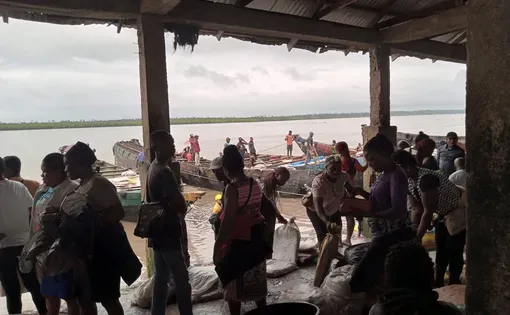
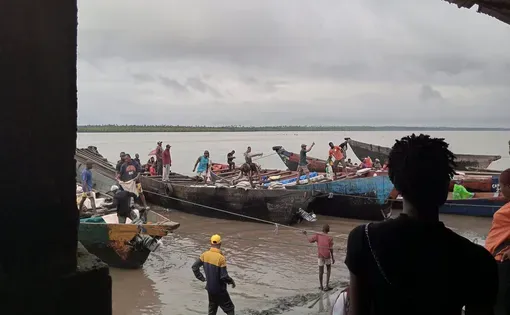
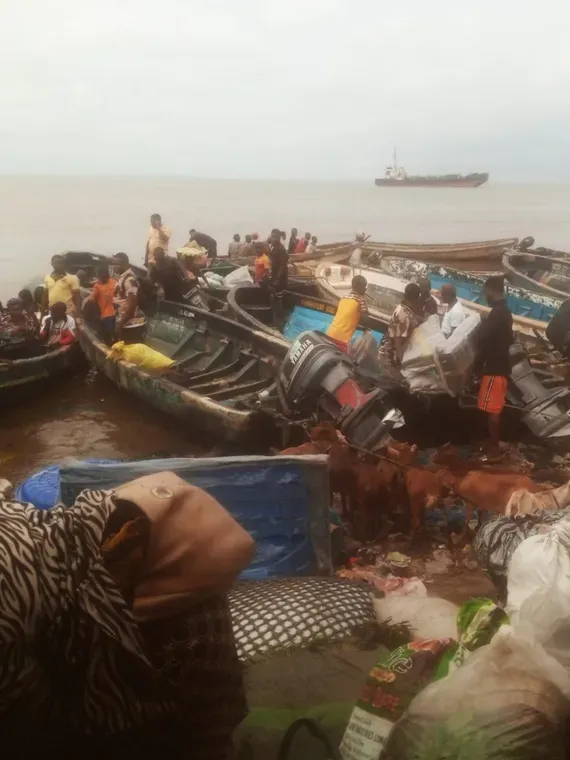
Along the southern coast, artisanal fishers and women seafood traders face rising pirate attacks. Gangs routinely seize wares, boats, nets, and engines, extort and abduct fishers and traders for ransom. With no institutional support, many are pushed deeper into poverty.
Women in states like Akwa Ibom and Rivers are especially vulnerable. Many travel in open canoes between Nigeria and Cameroon, trading fish amid risks that threaten incomes and local food insecurity.
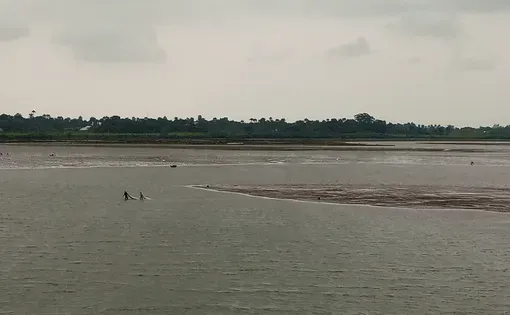
Climate change adds pressure. As fish stocks shrink and coastlines erode, fishers venture farther into unsafe waters. Illegally encroaching foreign and industrial trawlers worsen the problem.
Despite years of attacks, no coordinated government response exists. While authorities tout progress in reducing piracy on international shipping lanes, those efforts don’t cover incidents involving local traders and artisanal workers. Survivors often receive no justice or compensation, and media attention is limited.
This reporting project examines the scale and human cost of maritime insecurity in Nigeria’s informal coastal economy. Through field reporting, survivor interviews, and data and policy analysis, it will reveal how piracy, poverty, climate stress, and state neglect intersect, and what it means for those most reliant on the sea.