Pulitzer Center Update February 18, 2026
Remembering Jesse Jackson, and How the Fight for Equality Inspires the Pulitzer Center’s Work
Country:

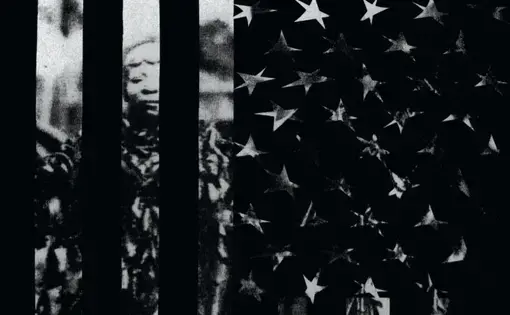
The Pulitzer Center is proud to partner with The New York Times Magazine on The 1619 Project to...


Tributes continue to pour in after the death of Rev. Jesse Jackson, a protégé of Rev. Martin Luther King Jr. who became one of the most influential civil rights and political figures in American history.
Jackson, 84, died early Tuesday, February 17, at home in Chicago, surrounded by family, according to reports by the Associated Press and other media outlets. For years, he suffered a rare neurological disorder, the AP says.
With his booming voice, inspiring “keep hope alive” mantra, and tireless work for equality and justice, Jackson was at the forefront of the civil rights movement for decades after King’s assassination in 1968. (He was standing with King on a Memphis hotel balcony when the civil rights icon was fatally shot.)
Since its founding 20 years ago, the Pulitzer Center supported reporting that shined a spotlight on racial justice and human rights, issues that Jackson championed. In addition, the Center is an education partner of The 1619 Project, the landmark series led by New York Times journalist Nikole Hannah-Jones that illuminates the legacy of slavery and highlights the contributions of Black Americans to every aspect of American society.
Jackson’s work was the launch pad for two presidential campaigns, in 1984 and 1988. The Democrat mobilized voters of color, working-class Americans, and young people, becoming a one-time front-runner. Despite missing out on winning his party's nomination, the impact of his runs for the White House remade the Democratic Party, and he’s credited with influencing the campaigns of former President Barack Obama, former Vice President Kamala Harris, and many others.
He also founded the Rainbow PUSH Coalition, a multi-racial, multi-issue civil rights and social justice organization.
News of Jackson’s death made headlines around the world on Tuesday, with tributes and remembrances from political leaders, celebrities, and average Americans:
“I knew him well ... Jesse was a force of nature like few others before him,” President Trump said.
“He was relentless in his belief that we are all children of God, deserving of dignity and respect,” Obama posted on Instagram.
“The Reverend Jackson lent his powerful voice to the U.N. to work against racism, against apartheid, and for human rights, including taking part in a number of events here at U.N. headquarters,” United Nations Secretary-General Antonio Guterres reportedly said in a statement from U.N. spokesman Stephane Dujarric.
“Reverend Jackson championed human dignity and helped create opportunities for countless people to live better lives,” former Secretary of State Hillary Rodham Clinton said.
“A life that inspired and a voice that will echo forever,” filmmaker Tyler Perry posted on Instagram.
Pulitzer Center-supported reporting on racial equality and human rights includes:
- Fading Harvest: Led by grantee Herbert L. White, it reports on the crisis confronting Black farmers in the United States
- The Debt: What Tennessee Owes Its Public HBCU: In this project, journalists Emily Siner and Camellia Burris tell the story of Tennessee State University’s century-long fight for fair funding.
- The Silent Maternal Mortality Problem in Gary, Indiana: This impactful reporting project by StoryReach Fellow Jenae Barnes examines how Black mothers face some of the most severe health disparities in the U.S., including high maternal mortality rates.
- Addiction Care in Native American Communities: Grantee Elyse Wild reports on tribal nations using cultural practices to reduce deadly overdoses.
- Southern LGBTQ+ Farmers Organize for Mental Health: Reporting Fellow Nicole J. Caruth interviews LGBTQ+ farmers in the American South who are coming together to support each other, both mentally and emotionally.
- A ‘Silent Killer’ Threatens Asian Americans: In this project, grantees Zhe Wu and Mel Baker report that “more than half of people in the U.S. living with chronic hepatitis B are Asian American, despite this group making up just 7% of the population.”
See more racial justice- and human rights-related reporting; plus, educational lessons and resources inspired by The 1619 Project and shared in classrooms across the country.