Story
 October 10, 2025
Native Americans Fear Trump’s Alaska Road Will End Their Way of Life
Country:

In this project Tom Parfitt reports on boreal peoples of interior Alaska and Scandinavia and the...
A 211-mile road accessing $7.5bn copper deposits threatens the fragile ecosystem which the Koyukon people rely on for their food and survival
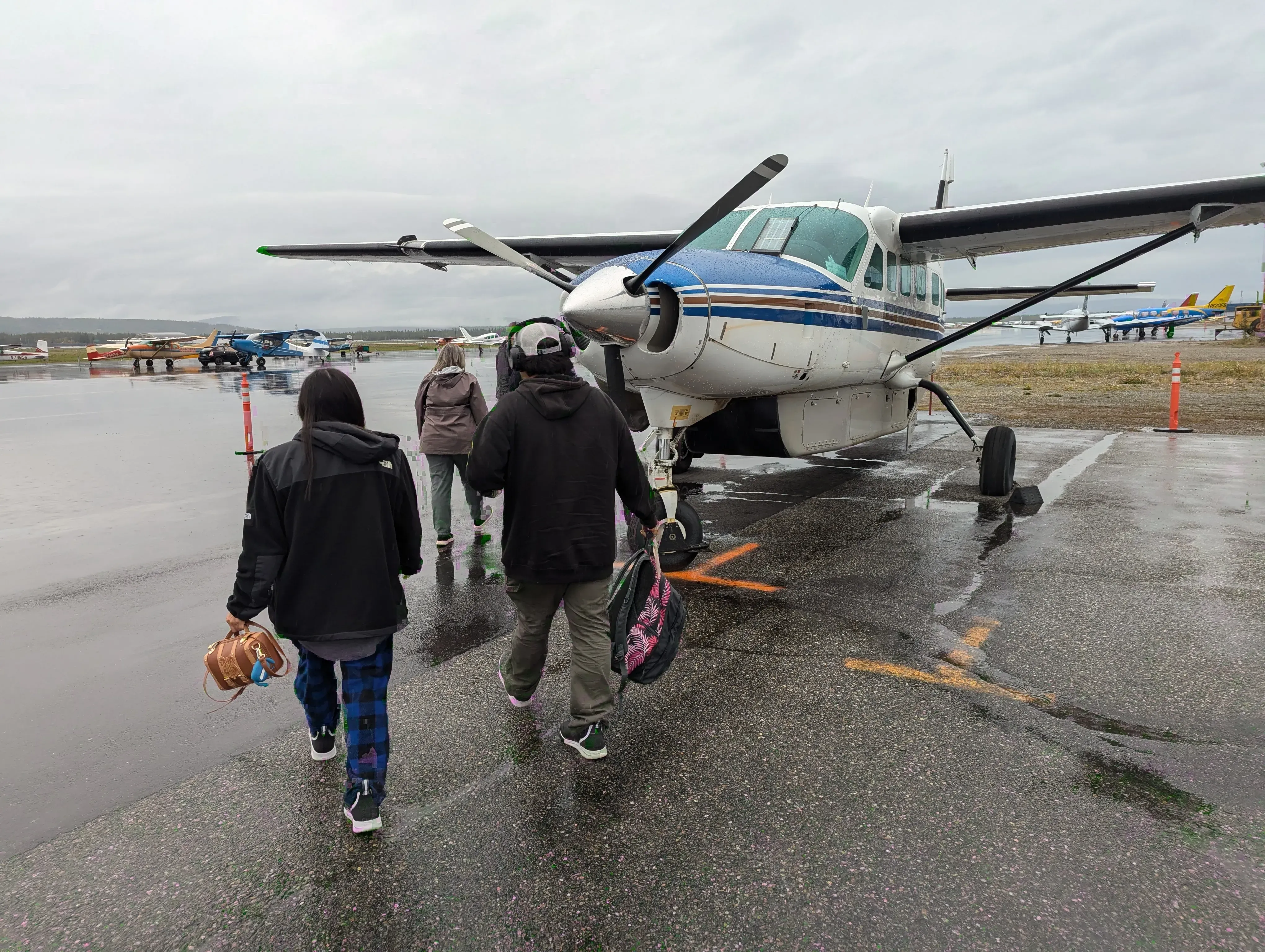
As the single-engine Cessna begins to descend, rocked by turbulence, towards the runway, a young Koyukon man stares through a window at the forest below, searching for game.
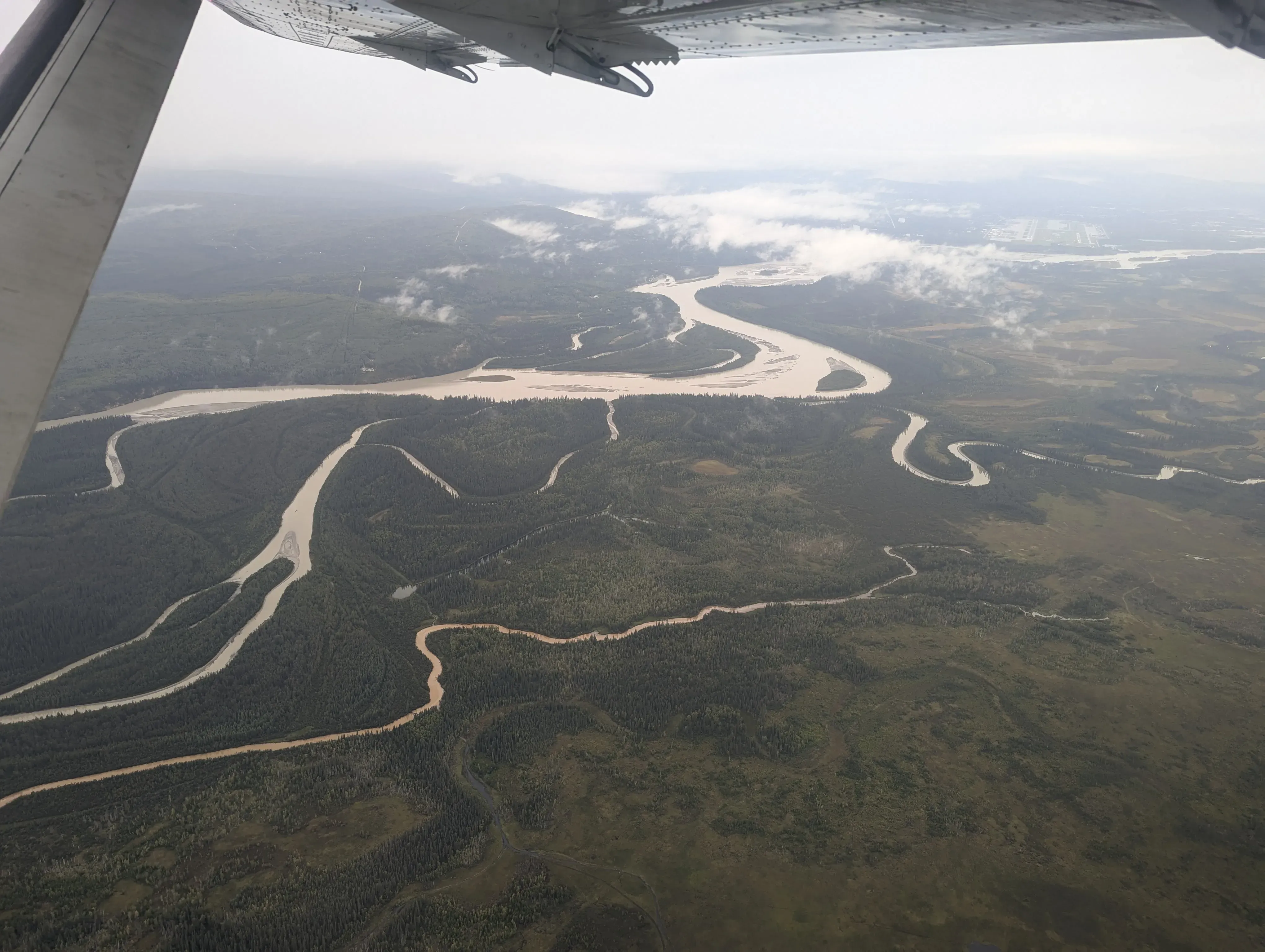
The nine-seater aircraft is one of dozens that deliver passengers to and from villages in the remote interior of Alaska, the largest state in the US. It is arriving in Huslia on the Koyukuk river, a tributary of the Yukon, which flows from Canada via Alaska into the Bering Sea, opposite Russia.
As a nonprofit journalism organization, we depend on your support to fund coverage of Indigenous issues and communities. Donate any amount today to become a Pulitzer Center Champion and receive exclusive benefits!
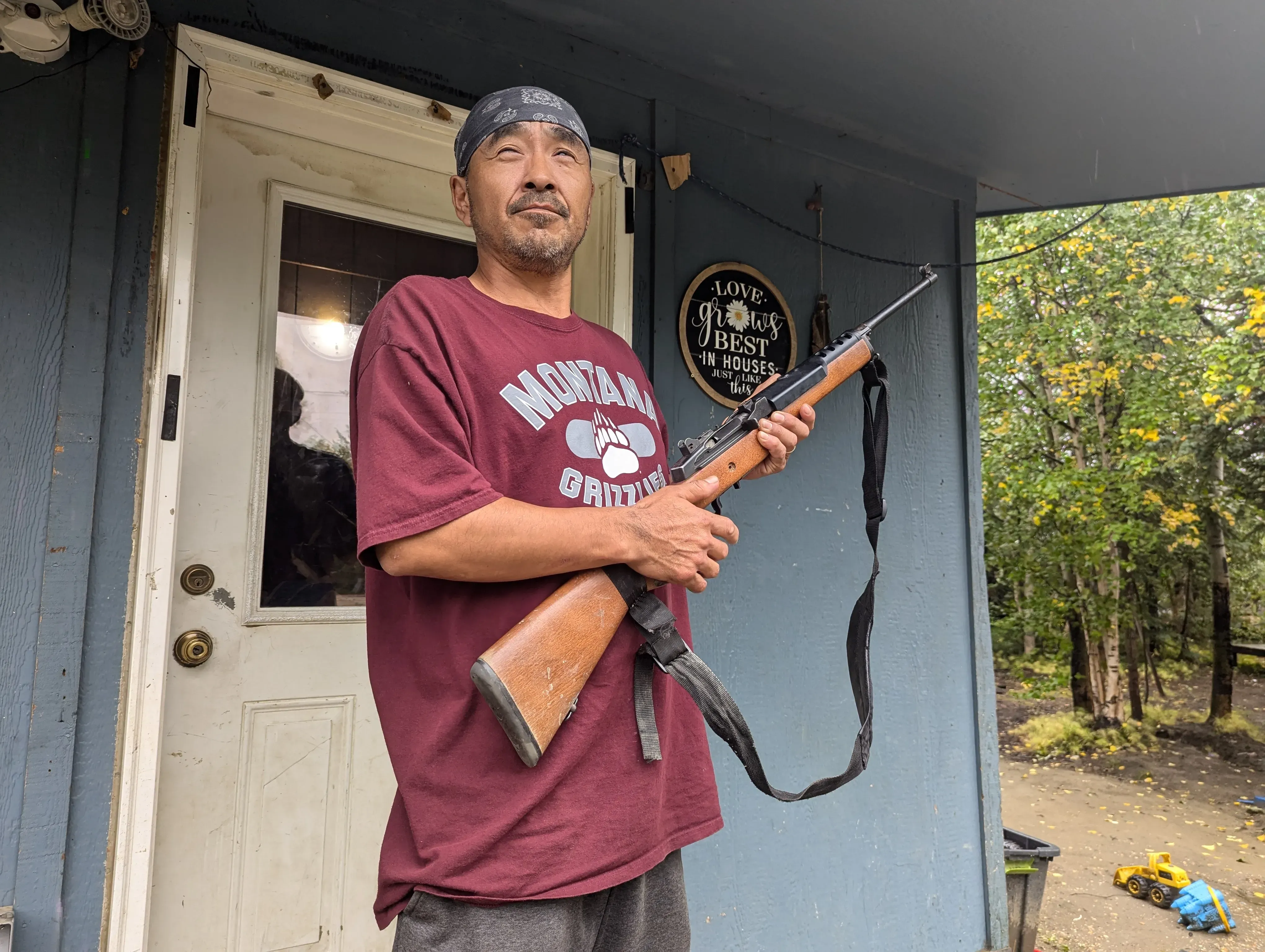
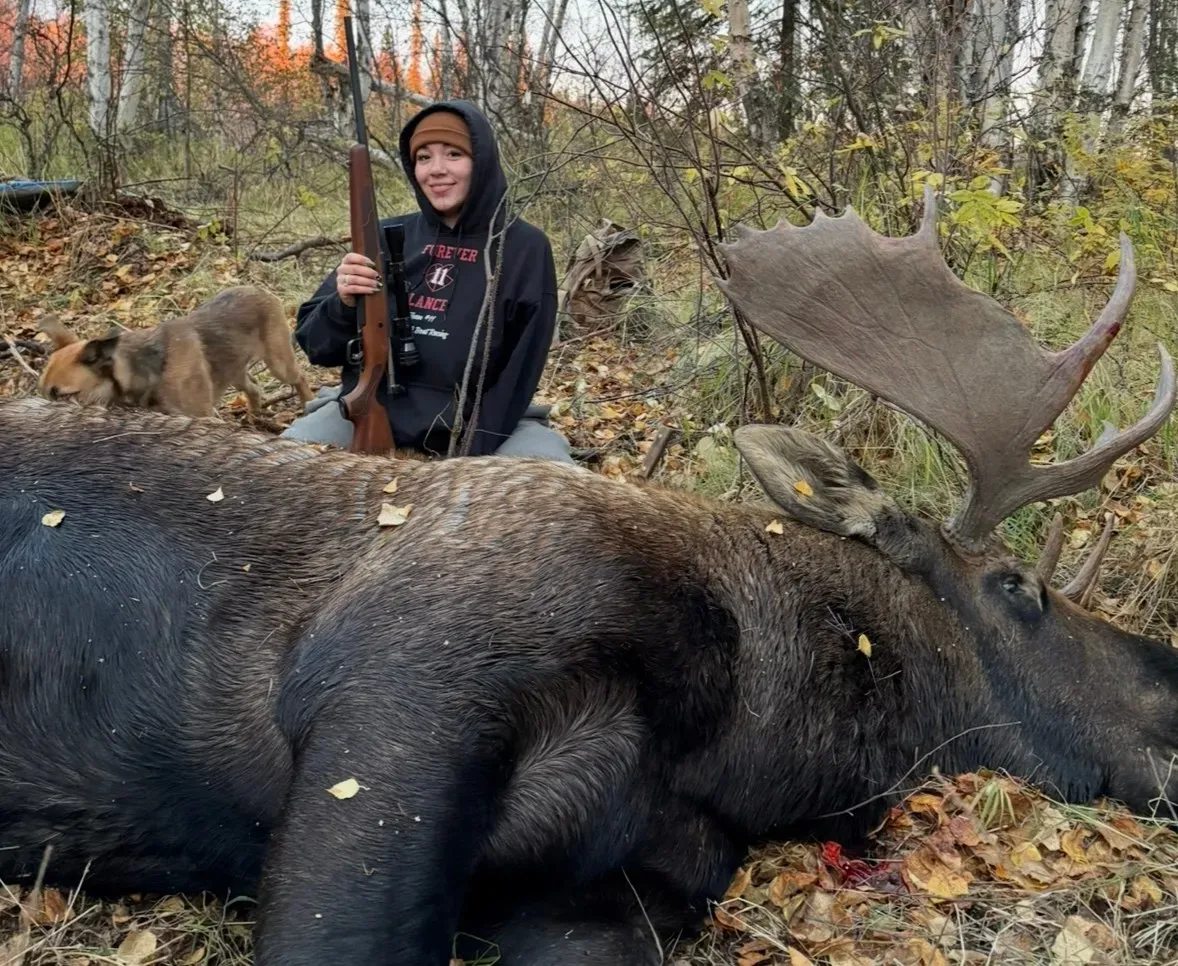
“I was looking for moose,” says the young man, as the plane bumps gently on to the gravel runway. His partner smiles and adds: “He’s a good moose hunter, that’s why I’m with him. I just got a new gun myself. I can’t wait until the first frost when I can go after chicken.”
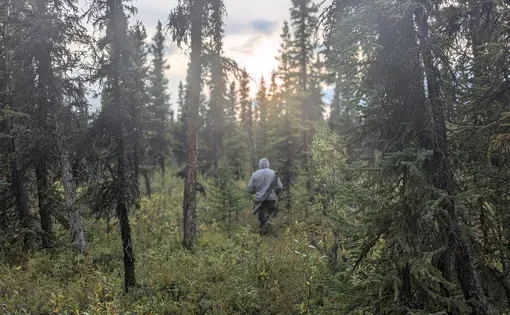
The Koyukon are a subset of the native peoples of Alaska known collectively as Athabascans. They live in a handful of settlements on the Yukon and the Koyukuk, surrounded by millions of acres of boreal forest, predominantly spruce, birch and aspen.
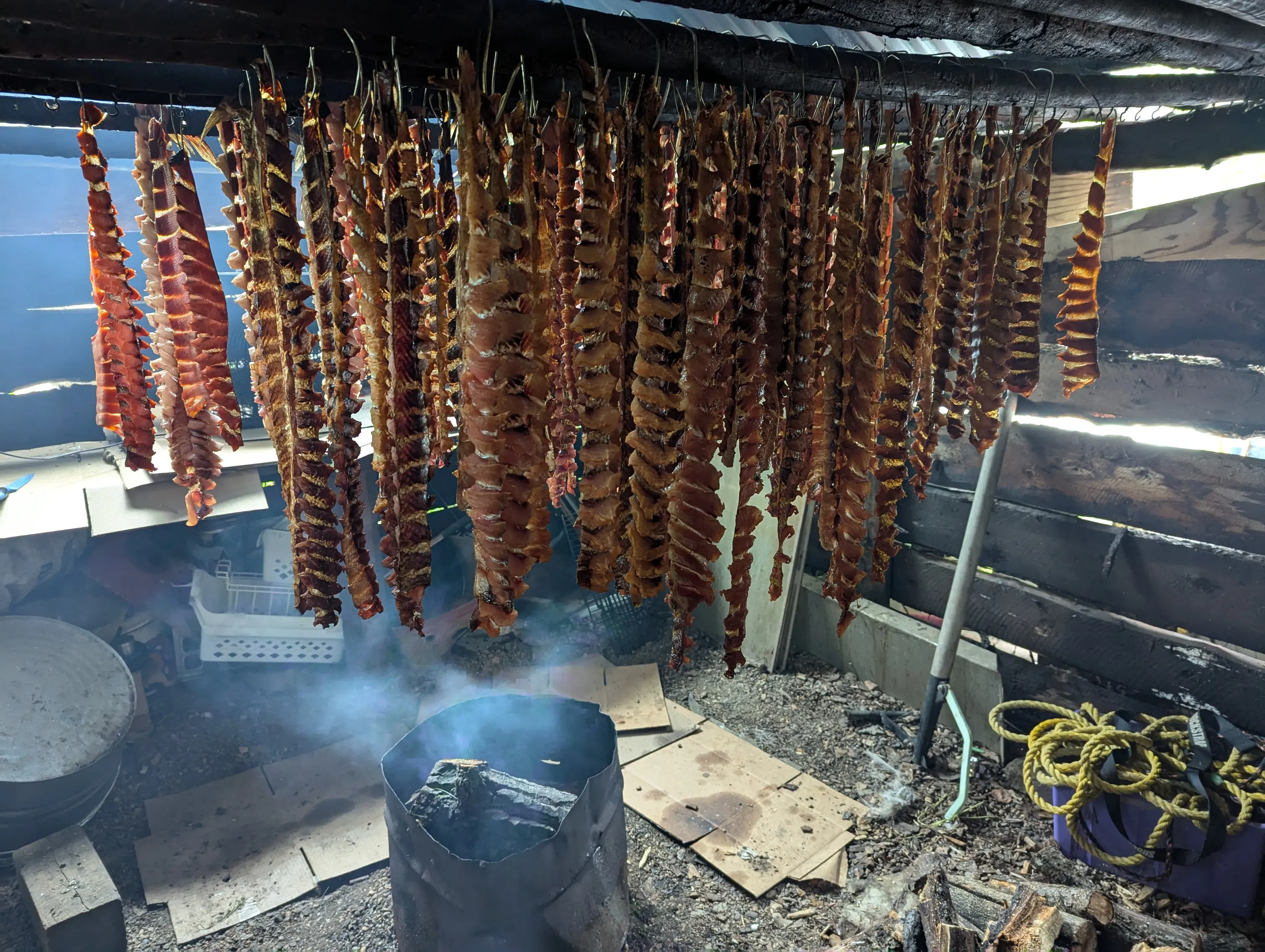
For thousands of years the Koyukon have roamed these woods, killing moose, caribou, bears, beavers and porcupines, among other animals. (“Chicken” is the colloquial term for spruce grouse and ptarmigan.) This is hunting for sustenance, not sport. There are no roads to Huslia, population 300, and despite deliveries of food by the daily bush plane and a twice-yearly barge the Koyukon still rely heavily on shooting game and catching fish to stay alive in this harsh, subarctic region. Dried or frozen meat and strips of fish see them through the icy winters.
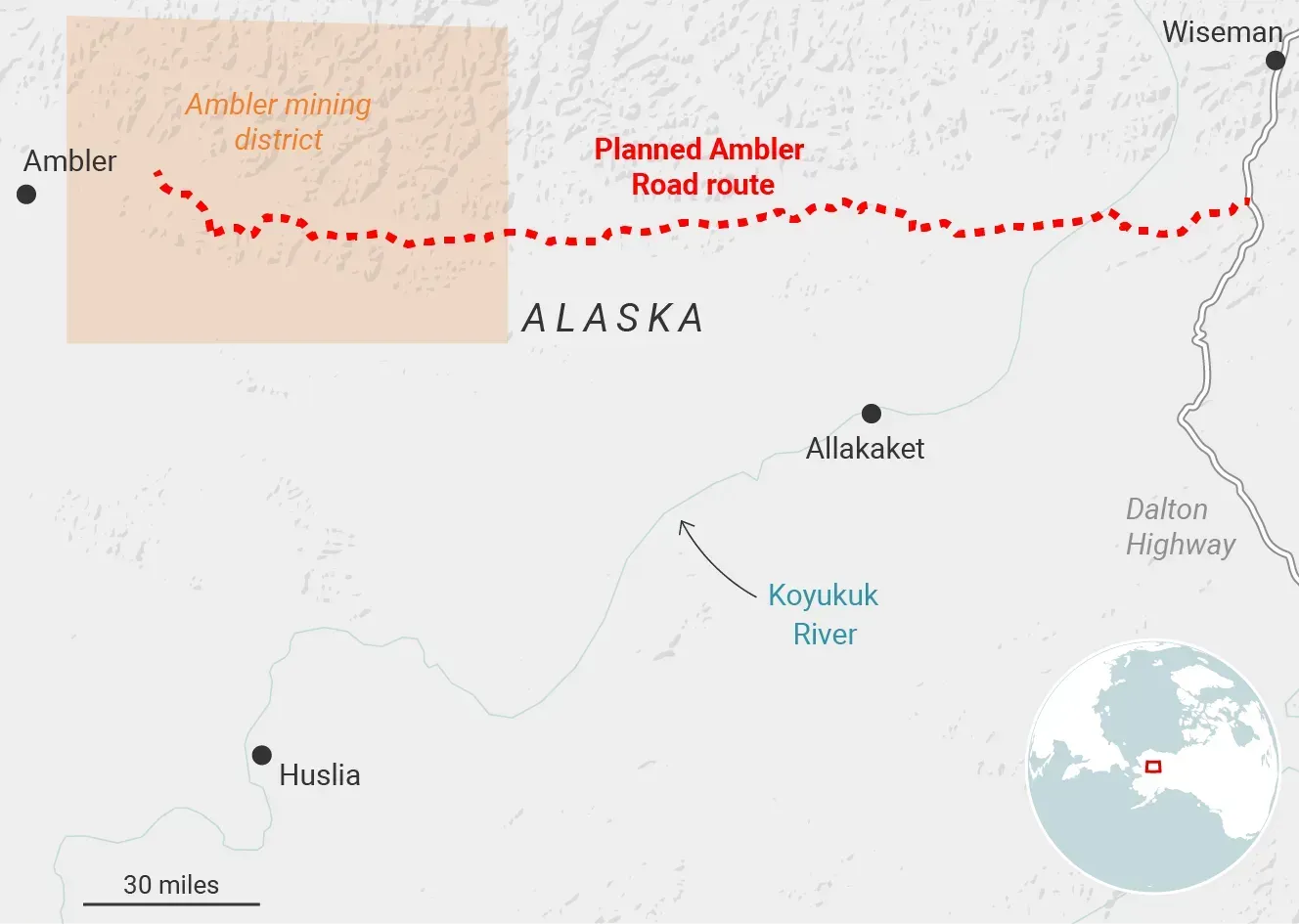
Now, however, that means of survival is under threat as President Trump pushes to make use of Alaska’s natural resources. This week he approved a plan to build an access road linking copper deposits worth an estimated $7.5 billion near the interior village of Ambler to the Dalton Highway, which runs north from outside Fairbanks to the oil fields on the shores of the Arctic Ocean.
The proposed 211-mile Ambler Road will cut through wilderness above Huslia, bisecting the migration route of the western Arctic caribou herd and crossing thousands of streams.
An estimated 168 truck trips are to travel down the road per day. Environmentalists and Koyukon activists believe that will deter caribou and other game and disrupt the spawning of salmon, whose numbers have already dwindled because of intensive trawler fleets in the sea off Alaska.
One of the most prominent opponents of the Ambler project is Ricko DeWilde, a Huslia native and star of the popular US television series Life Below Zero about rural Alaska, who says the road will enable a “pillaging” of his homeland.
Jazmyn Vent, a Koyukon activist in her mid twenties from Huslia who has taken the fight against the road to Washington, says her biggest concern is the “overall general idea of our land being opened up”.
“We don’t want outsiders coming into our communities and taking our animals and resources,” she adds, naming hunters from towns and extractive industries as key culprits exploiting indigenous territories.
Vent, who takes pride in her heritage, wearing beadwork earrings and a traditional women’s chin tattoo, says corporations typically “find a few token native people and fill their pockets” so that they advocate for development.
Last year the Biden administration cancelled the Ambler project, which Trump had backed during his first term, saying that it threatened wildlife and vegetation with dust, noise and possible spills of pollutants. Fish habitats and the caribous’ migration patterns would also be negatively affected, it said.
But after Trump’s return to the presidency in January the White House said that it wanted to “unleash Alaska’s extraordinary resource potential” and put the Ambler rejection under review, citing “legal deficiencies”.
On Monday Trump overturned the Biden-era cancellation of the project. “It’s an economic goldmine, so to speak. I signed this years ago, and Biden un-signed it for me,” he told reporters. “This is something that should have been long-operating and making billions of dollars for our country and supplying a lot of energy and minerals.”
Opponents of the road say the potential risks are amply demonstrated by an existing haulage road, built in the 1980s, which links the Red Dog Mine in northwest Alaska — one of the world’s largest zinc mines — with a shipping port on the Chukchi Sea.
Studies show that “fugitive” dust escaping from trucks carrying ore along the road has dispersed zinc, lead and cadmium over adjacent tundra, killing moss and lichen.
Kevin Fraley, a fisheries ecologist at the Wildlife Conservation Society in Fairbanks, says the Ambler road could endanger fish such as nelma which are vital food for native villages.
“I’m worried about contaminants from the dust that can get into the water systems and then move downstream,” said Fraley. “And you also have the risk of a big spill at one of the bridge crossings.”
Meanwhile some experts believe the Red Dog mining operation is evidence enough of the negative effect of roads on caribou.
Jim Dau, a caribou biologist, used tracking collars to monitor movements of the western Arctic herd from 2000 to 2015. He found that during the 11 years when more than 5 per cent of the herd migrated near Red Dog, an average of 23,000 caribou were delayed annually by the road, sometimes for up to two months.
With the population of the herd already down by two thirds since 2003, it is a “terrible time” to risk its further fragmentation and diminish subsistence harvests with the Ambler initiative, Dau argues.
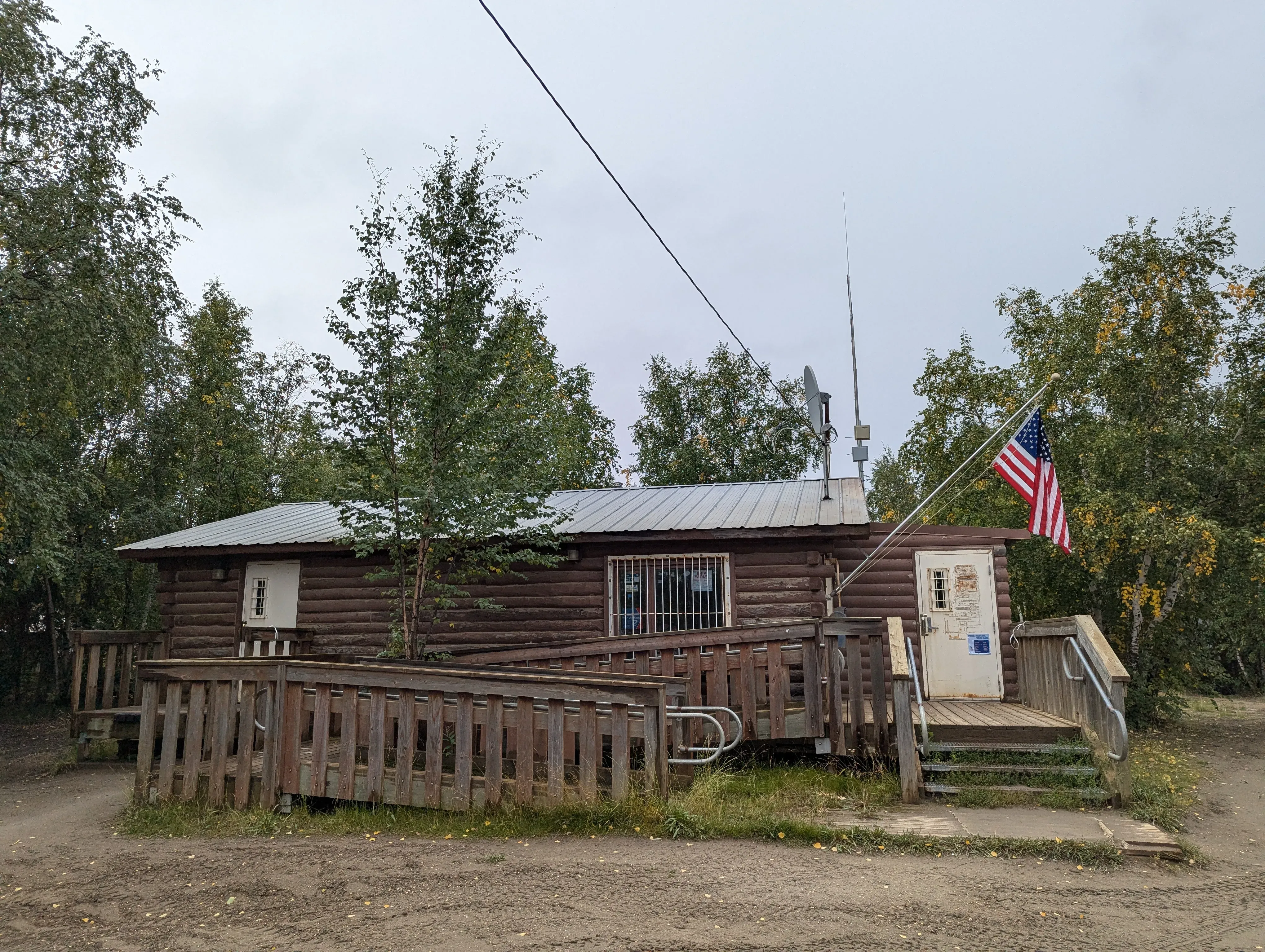
On a recent visit to Huslia, a cluster of log cabins and insulated one-storey houses by the Koyukuk, some locals were afraid to speak about the Ambler project, believing they could be ostracised by the authorities or fellow villagers.
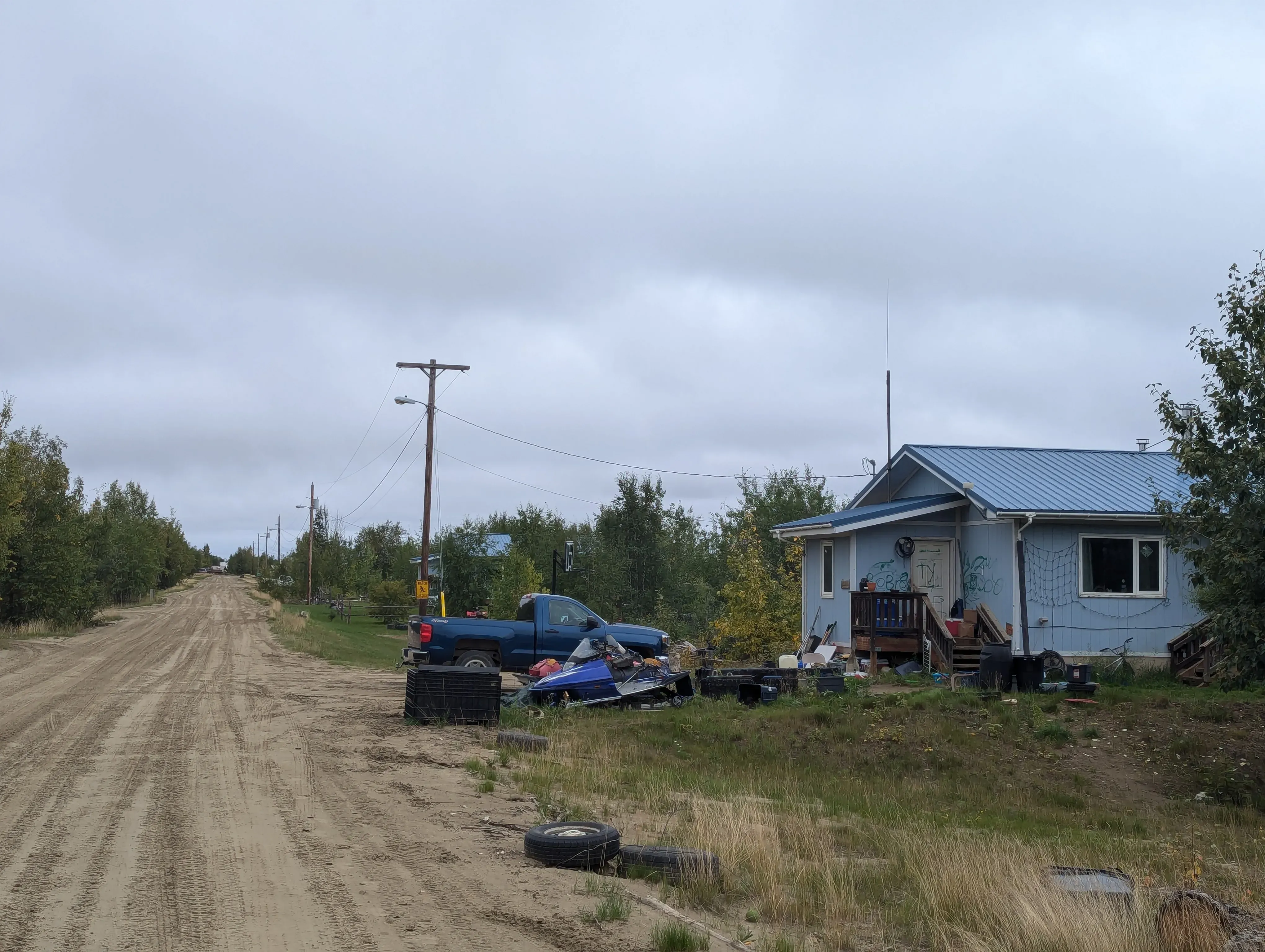
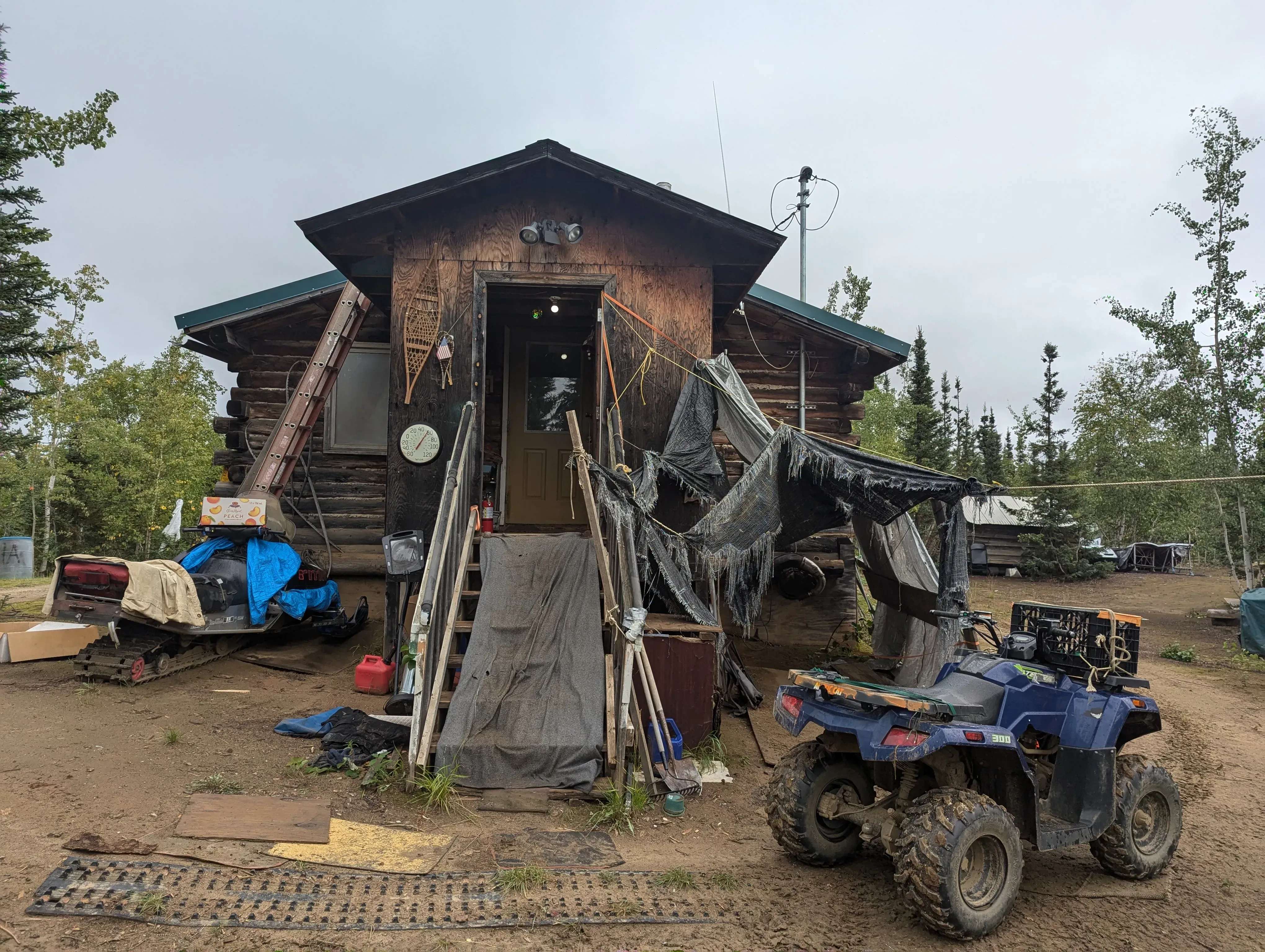
“We will get jobs in road construction for a little while but after it’s built they will quit looking at us,“ said one elder who asked not to be identified. “And we’ll lose all the animals in the north, the caribou. It’s right over creeks; it will spoil the fish habitat.”
The elder added: “There’s nothing we can do to stop Trump, though. He says he likes Native Americans, but he doesn’t. He doesn’t even know Alaska from Russia. When he was here to meet Putin he said he would go back to the United States.”
A tribal consortium of the 42 villages of interior Alaska has come out strongly against the Ambler project, saying it would be “one of the biggest and most destructive in the state’s history” and “pierce the heart of our traditional hunting and fishing grounds”.
Yet not everyone in Huslia is against the road. A seven-year moratorium on catching salmon introduced last year to combat the decline in fish stocks means families are struggling to get enough food. Freight costs make prices here exceptionally high — 5kg of potatoes and 12 cartons of UHT milk in the village store cost a total of $105 (£77) — and several locals said they hoped Ambler would eventually bring the road system closer to Huslia, reducing expense.
In his aluminium Alweld boat, powered by a 90-horsepower outboard, the local construction site foreman and hunter Westley Henry, 52, showed The Times the hunting grounds up the Koyukuk, to the north of the village.
His two sons, Trevor, 26, and Jeremiah, 24, sat in the front, their rifles at the ready.
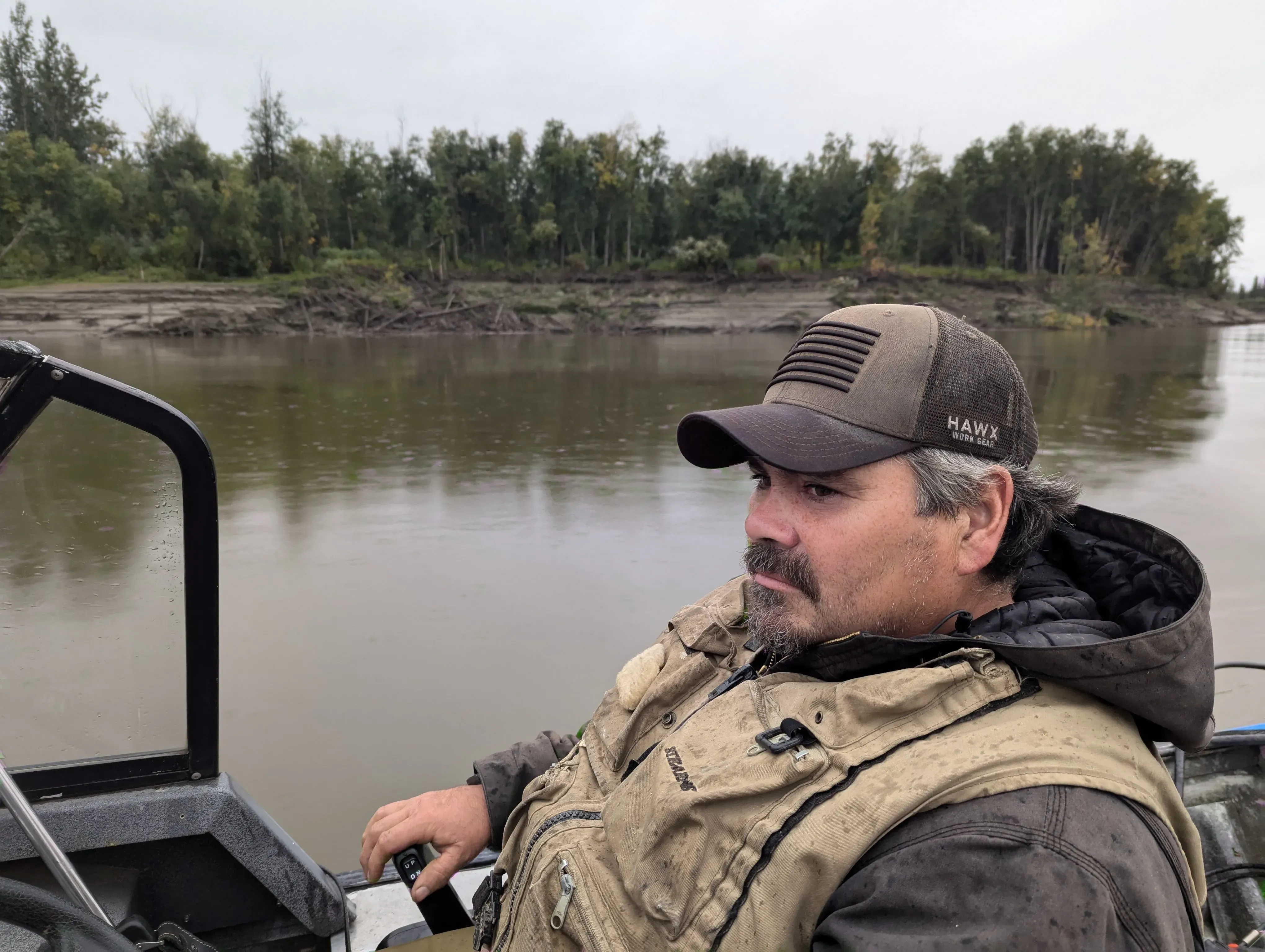
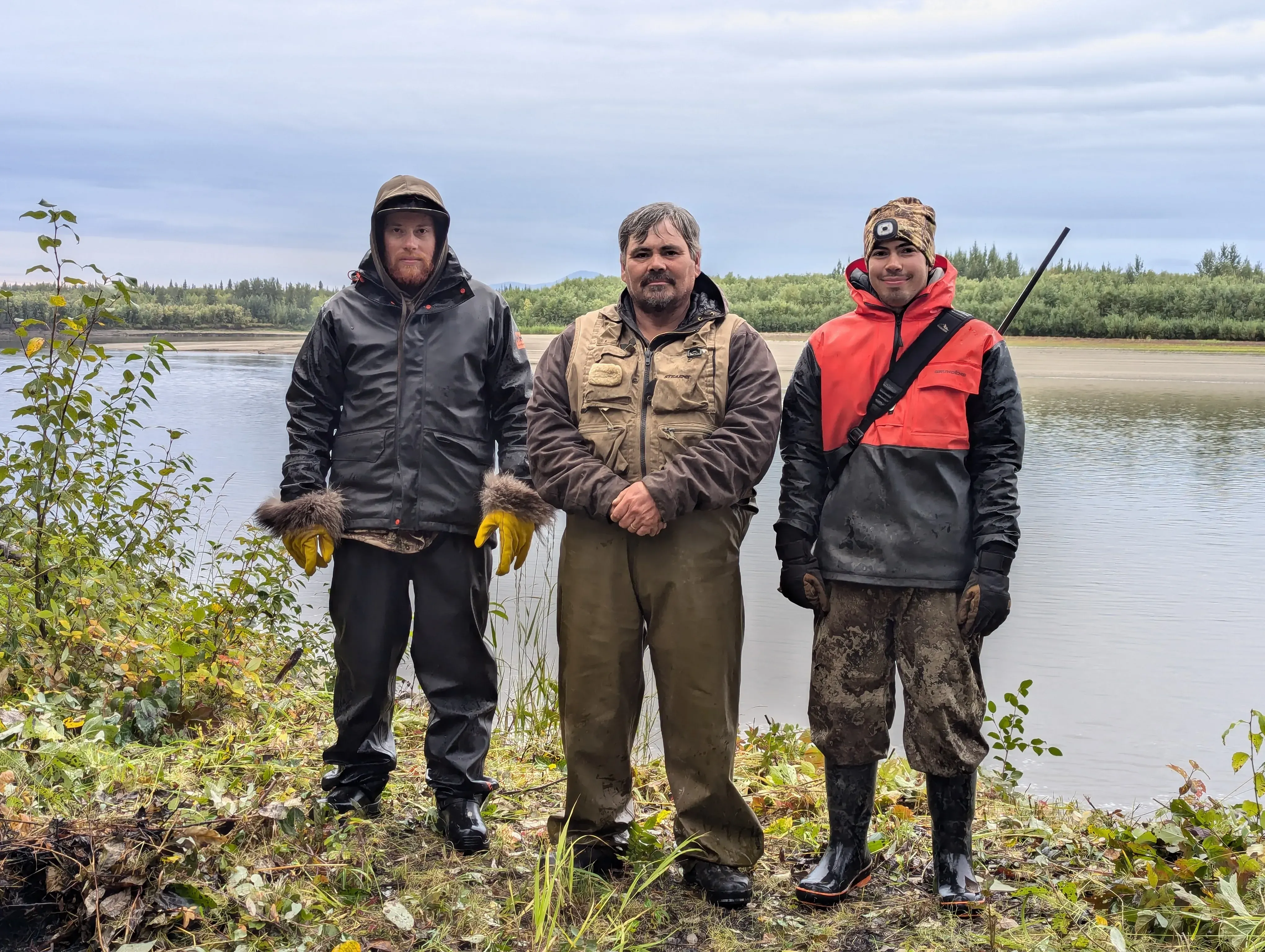
The season for hunting bull moose had not yet begun on this trip, but a grizzly or a black bear — both valued for their tasty and healthy fat — might be spotted on top of the mud banks of the river, feeding on blueberries at the edge of the forest.
Harvesting game among the Koyukon is a subtle practice; animals are seen as knowing and powerful beings who will only “give” themselves to a hunter who demonstrates his restraint, not shooting willy-nilly, and respecting the carcass of the animals that he kills to feed his family.
On the river, Henry and his sons watched with reverence as a cow moose and its calf emerged from a willow thicket. A beaver supped water on a spit while another, swimming, slapped its tail on the surface like a mischievous child. Skeins of geese flew overhead, training for their migration south.
Henry stopped the boat at a cabin 30 miles from Huslia where he and his family come to sleep in bunks and collect wild cranberries or go hunting.
“If I say I’m against it, that’s like pushing against river water, going upstream,” he says of the mining road. “My grandfather walked everywhere; my father’s generation started getting boats with little motors. The Ambler Road is just another change that some of our villages are going to see.”
Employment and reduced transport costs could be real benefits of the project, argued Henry.
The dilemma of whether to preserve custom and livelihoods or risk the potential compensations of industrial development is increasingly prevalent for Native American groups.
“It’s going to impact us somewhat,” said Carl Burgett, the former first chief of Huslia, as he stopped his pickup truck in the village to discuss the Ambler Road.
He admitted the project would “play havoc” with the caribou, and said that using culverts to channel streams underneath the road might cause fish to “go away and not return”.
But Burgett hopes some of the metals’ wealth will trickle down to Huslia. “I don’t say the impact will be huge, but if the ground is that rich, if they provide say even a million dollars or half a million dollars to the surrounding tribes …
“Housing is a big issue in the villages. Sometimes it’s good to butter the toast, you understand what I’m saying? Take care of the people; the people will be happy.”
Others remain deeply sceptical, and opponents of the road said this week they would keep fighting to impede its progress.
“They still don’t have the permits they need,” said China Kantner, an activist who grew up near Ambler. “They still don’t have the money to build the road. And they still don’t have public support. Now is not the time to lose hope.”