Project
The Legacy of Luckey
Workers and residents were told a Cold War weapons plant was safe. It wasn't.

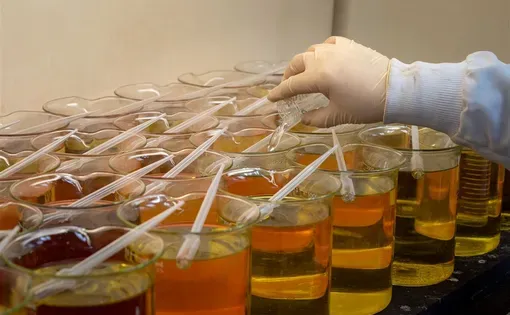
Over the past year, The Blade tested well water in and around Luckey, Ohio, to see if the former Cold War weapons site on the edge of the village was affecting drinking supplies.
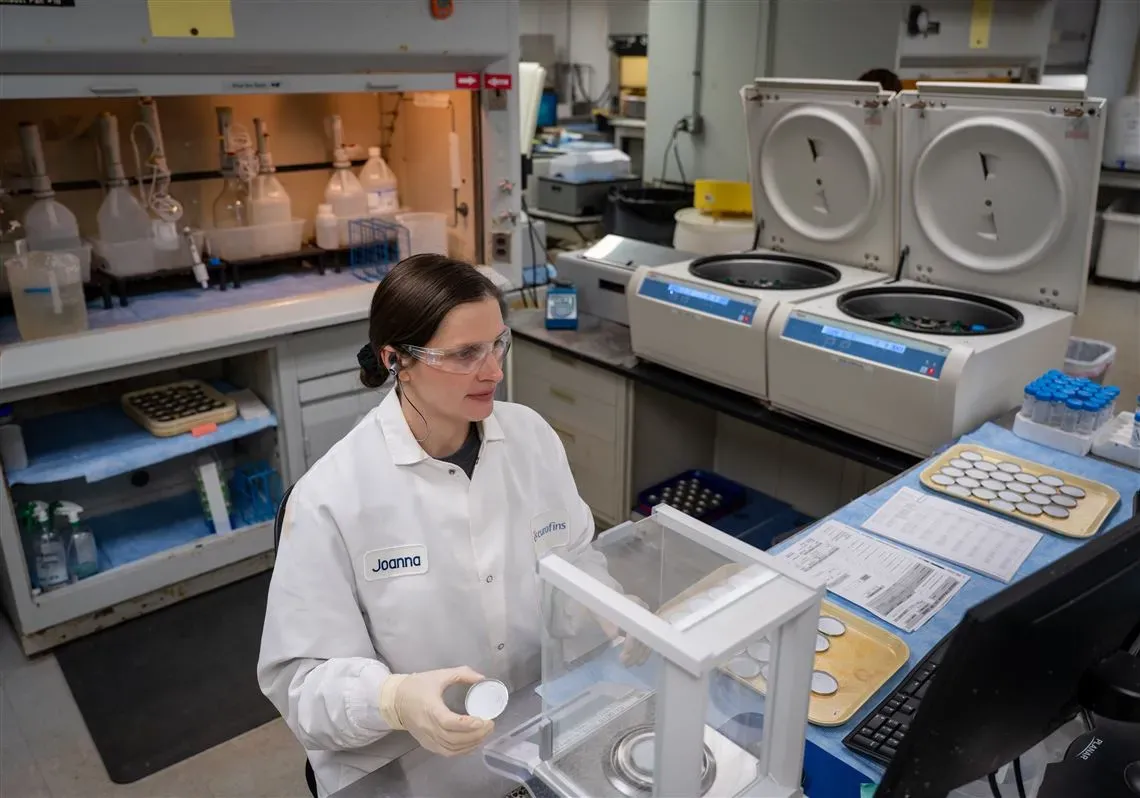
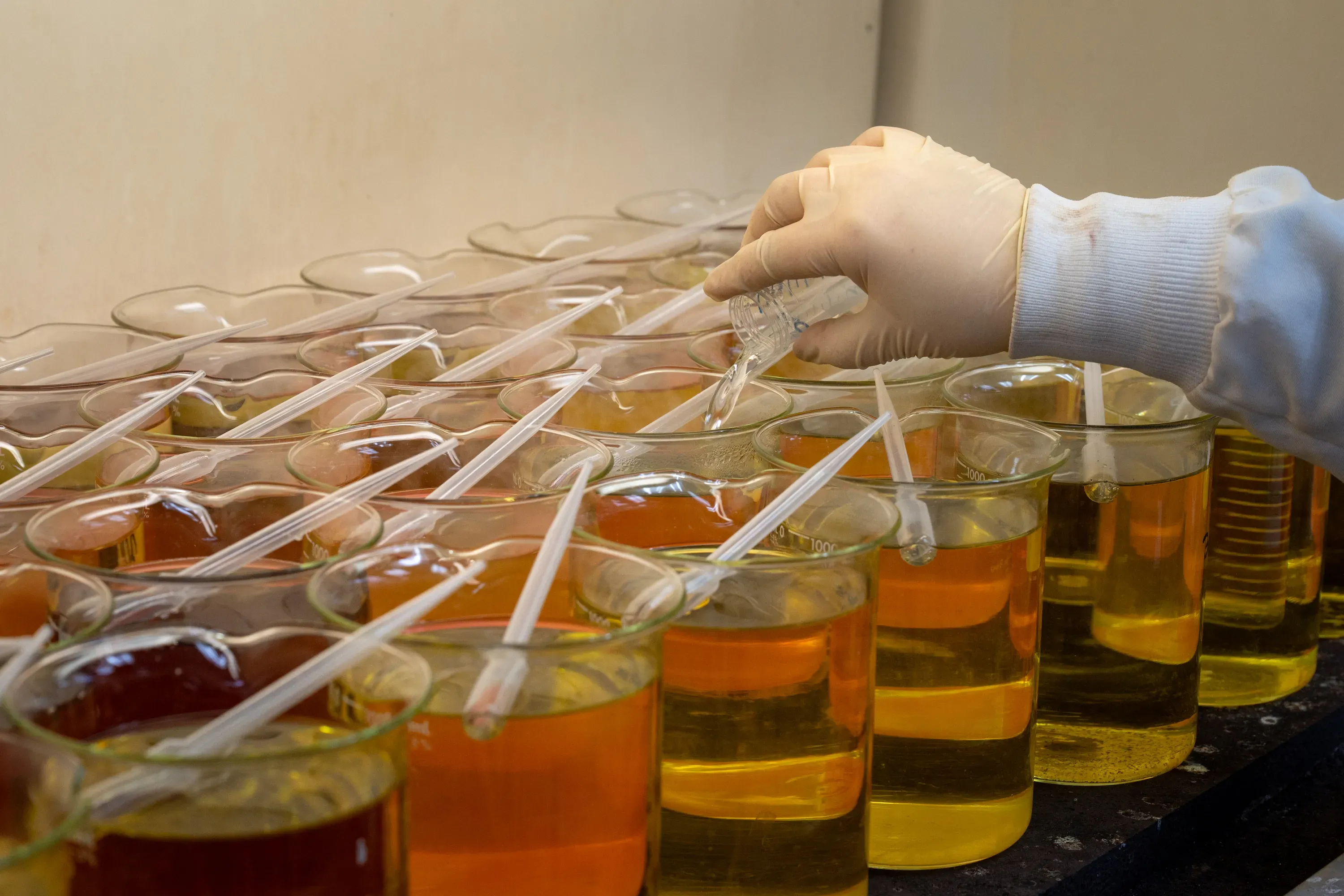
The testing was funded by the Pulitzer Center, a nonprofit organization that funds investigative reporting projects. The Blade paid Eurofins Environment Testing, an accredited lab in St. Louis that has conducted work for the U.S. Energy Department and the Defense Department, to analyze the samples for a variety of metals and radioactive contaminants.
The Eurofins lab assigned a project manager to The Blade's testing effort. The project manager instructed a Blade reporter on the proper way to collect, store, and ship samples.

As a nonprofit journalism organization, we depend on your support to fund more than 170 reporting projects every year on critical global and local issues. Donate any amount today to become a Pulitzer Center Champion and receive exclusive benefits!
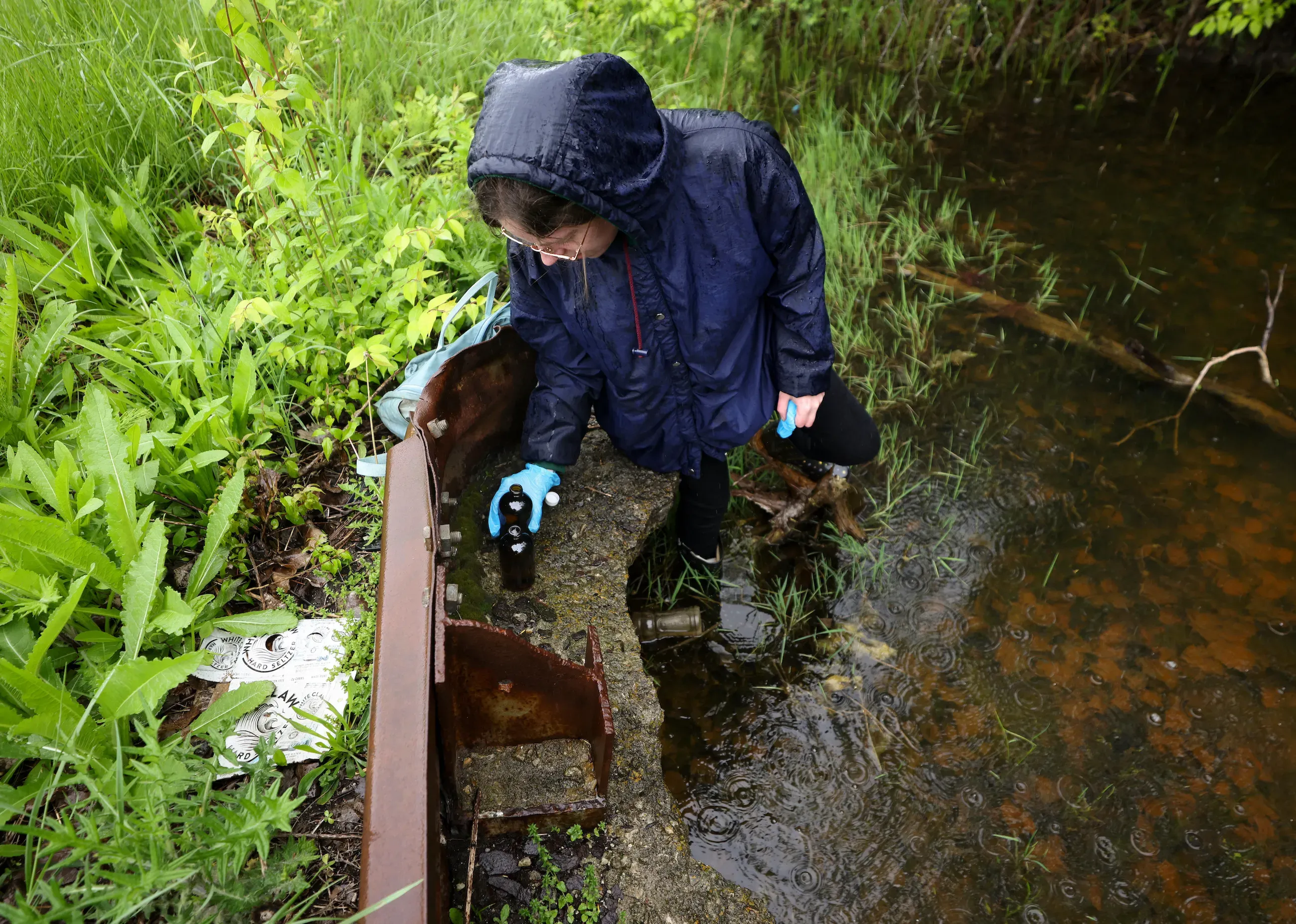
From April 2024 to January, the reporter collected well water from 40 locations: 29 private homes, three libraries, two cemeteries, two businesses, two churches, one school, and an Ohio Turnpike service plaza. Most of the samples were collected in Luckey within three-quarters of a mile of the Cold War site.
For the other samples, The Blade attempted to obtain a balanced geographic distribution of locations near the site. Another consideration was finding residents who would agree to have their water tested. To identify those people, the reporter contacted sources, sent out emails, and knocked on doors.
If a resident agreed to testing, the reporter collected a sample, usually from a kitchen tap. In some cases, samples were collected from outdoor spigots or pumps. Whether samples were from filtered or unfiltered sources was considered when lab results were compared to government background radiation levels. (All samples in Luckey came from wells; the village does not have a municipal water system.)
The Blade asked the lab to test for radioactivity because there had been previously little testing for radiation in Luckey's wells. Most Blade samples were tested for multiple radioactive and metal contaminants.
Forty total wells were tested. Thirty-eight of the 40 were tested for gamma radiation, including bismuth-214 as well as cobalt-60 and other man-made radionuclides. One well was tested for alpha radiation and radioactive radium-226 only. Another one was tested for beryllium only.
Some wells were retested for different contamination. In all, 19 wells were tested for alpha radiation, nine for beta radiation, five for radium-226, and four for radon-222.
Fourteen locations were tested for beryllium and 21 other metals. Of those 14, three were also tested for mercury. One additional well was tested for beryllium only. Beryllium was a focus of the testing because a beryllium processing plant operated on the site in the 1950s.
To assess whether the radioactivity found in the samples was high, The Blade compared the lab results to the amounts of radiation the U.S. Army Corps has deemed as background, or typical and naturally occurring in the Luckey area. According to the agency’s data, the background level for bismuth-214 is 2.63 picocuries per liter in filtered water and 1.86 pCi/L for unfiltered.
Nineteen of the 38 samples tested for gamma radiation showed levels of bismuth-214 at least 10 times over background. The presence of bismuth-214 in water indicates radon-222 must also be present, as bismuth-214 is a decay product of radon.
Since The Blade didn't directly test for radon in the wells with high bismuth-214 concentrations, the newspaper consulted two experts in environmental radiation: Taehyun Roh, a Texas A&M University researcher, and Raymond Vaughan, a New York-based environmental scientist with decades of experience in nuclear waste issues. These specialists performed back-calculations to determine radon levels. Taking into account the amount of bismuth-214 in the Blade samples at the time of lab analysis, they calculated the amount of radon in the water at the time of collection.
Working independently, both scientists performed these calculations and reached identical results.
Once all The Blade's sampling and analysis were complete, residents whose water was tested were notified of their results, and some were interviewed.