
Project
The Legacy of Luckey
Workers and residents were told a Cold War weapons plant was safe. It wasn't.
LUCKEY, Ohio — One of my most vivid childhood memories was sitting in the back of my parents’ car, looking out the window and seeing this large, hulking factory off the side of the road. Most of it appeared abandoned, but at night it would be brightly lit, and my twin and I would stare at it, mesmerized, as we drove by.
I had no idea what it was, but I knew it was unusual in our tiny farming community of Luckey, Ohio, where many people raised cows or grew corn and soybeans. Our family grew hay and had several horses and goats.
Years passed, and I went to the local high school, where I played trumpet in the marching, jazz, and pep bands. I eventually enrolled at nearby Bowling Green State University, where I studied classical trumpet, played in the concert and marching bands, and graduated with a degree in music. The Luckey factory was the furthest thing from my mind.
As a nonprofit journalism organization, we depend on your support to fund more than 170 reporting projects every year on critical global and local issues. Donate any amount today to become a Pulitzer Center Champion and receive exclusive benefits!
After college, I received a Fulbright grant to teach English in Germany. When I got the email assigning me to a town called Bitterfeld, I immediately looked it up online. I was hoping for a quaint German village with historic architecture and snow-capped mountains. Instead, the first items that popped up on my screen were old headlines like "East Germany’s Bitterfeld Grimiest Town in Dirtiest Country” and “East German Town’s Bitter Image.”
I was stunned. Of all the places to be sent overseas for a year, why Bitterfeld?
When I left for Bitterfeld, I was hoping it would be better than it sounded. It turned out to be worse. My daily commute took me past Soviet-era dumps and through a sprawling chemical park where I once got lost while riding my bike. Still, I grew to appreciate the town for its inexpensive chocolates, Christmas markets, high-speed trains, and the fact that not once did I ever see a tourist.
After 10 months, I moved to Washington to start a legislative internship on Capitol Hill. Partly because of my experiences in Bitterfeld, I became interested in environmental policy — and that old, hulking plant in Luckey returned to my thoughts. In my spare time, I started going to the Library of Congress to pull records on the plant and learn more about how it had produced a strategic yet highly toxic metal called beryllium.
At one point, I opened a folder and saw a 1951 report (previously classified “secret”) that said workers were being overexposed to beryllium dust. Yet the plant remained open in the interest of national security. My neighborhood factory, I learned, had been involved in the Manhattan Project and had been a key nuclear weapons plant during the Cold War.
When my internship was over, I wanted to stay in Washington but couldn’t find a job. So I moved back to Luckey and into my old childhood bedroom in my parents’ house — not exactly my first choice. Against my better judgment, I continued digging up information on the beryllium plant instead of applying for jobs.
Over the next few weeks, I went to the Luckey Library, which had archived thousands of pages of documents related to the plant. Many were fascinating: transcripts from previously secret meetings, worker health reports, exposure data regarding dangerous chemicals. Some records dated to the 1940s, but others were relatively recent and suggested that even though the plant was now shut, health hazards remained.
All of it seemed intriguing. But now what?
I reached out to Sam Roe, a former Toledo Blade and Chicago Tribune reporter who had written extensively about the hazards of beryllium. He told me that what I was doing was essentially investigative journalism.
He introduced me to Blade Executive Editor Kim Bates, who was not only interested in my research but offered me an internship so that I could work on the topic full-time.
That internship turned into a full-time job in June as a reporter at The Blade, with my first assignment completing the "Legacy of Luckey" project — an examination of the long and troubled environmental history of my hometown.
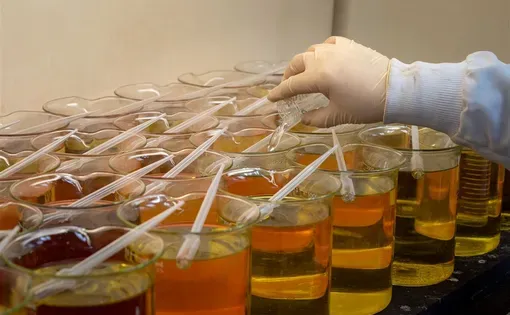
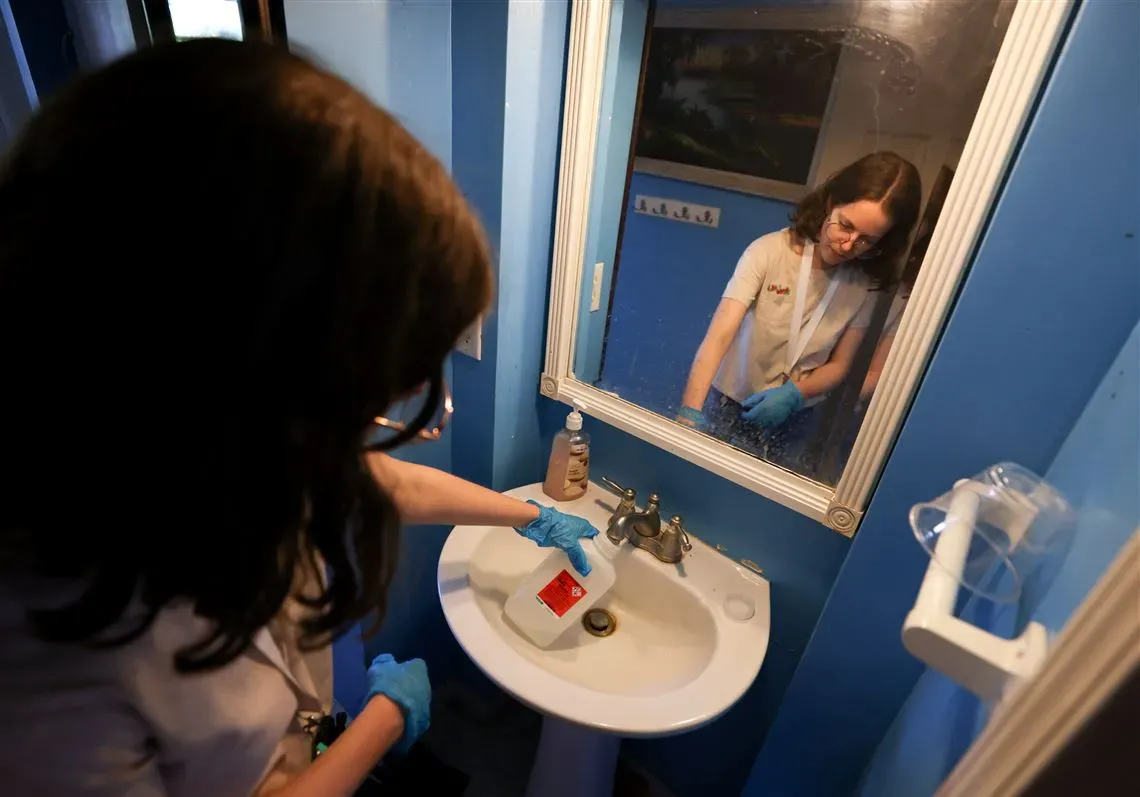
As part of my investigation, I applied for and received a $9,000 grant from the nonprofit Pulitzer Center to test private drinking wells in and around Luckey for a variety of contaminants.
To find people for the testing program, I knocked on doors and hit up garage sales during the Luckey Fall Festival. On Monday mornings, I occasionally attended the "Shootin' the Bull" group at the Luckey Library — a dozen or so older men who debated everything from politics to roundabouts. They were exceedingly nice to me, and sometimes I asked them questions pertaining to my investigation.
Through it all, I have been grateful for the opportunity to learn the true history of Luckey and answer questions some residents have had for literally decades. I know it's rare for reporters to have a chance to make a difference in their hometown — especially one as tiny as Luckey.