Main Menu Navigation
Pulitzer Center Logo
View Primary Menu
Search
  • ABOUT
    Our Mission and Model Staff Board of Directors Impact Annual Reports Donors Ethics and Standards Diversity, Equity, and Inclusion Employment
  • UPDATES
  • EVENTS
    Upcoming Events Conferences
  • WEBINARS ON-DEMAND
  • COMMUNITY
  • IMPACT
DONATE
  • JOURNALISM
      • PULITZER CENTER JOURNALISM
      • STORIES
      • Stories by Pulitzer Center Grantees
      • Stories by Student Reporting Fellows
      • PROJECTS
      • FIELD NOTES
      • APPLY FOR JOURNALISM GRANTS
      • FOCUS AREAS
      • Climate and Environment
      • Global Health
      • Peace and Conflict
      • Human Rights
      • Information and Artificial Intelligence
      • INITIATIVES
      • AI Accountability Network
      • AI Spotlight Series
      • StoryReach U.S.
      • U.S. Local News Reporting
      • Ocean Reporting Network
      • Rainforest Investigations Network
      • Rainforest Reporting
      • Transparency and Governance
      • Our Work/Environment
      • NEWSLETTER ARCHIVE
  • EDUCATION
      • CAMPUS CONSORTIUM PROGRAM & PARTNERS
      • Campus Consortium Program
      • Campus Consortium News
      • Campus Consortium Partners
      • Reporting Fellowships
      • Reporting Fellow Bios
      • Stories by Reporting Fellows
      • Resources for Reporting Fellows
      • Campus Consortium Advisory Council
      • Join the Campus Consortium Network
      • INTERNATIONAL EDUCATION AND OUTREACH
      • K-12 PROGRAMS AND RESOURCES
      • Programs for Teachers and Students
      • Lesson Plans
      • Journalist Visits to Classrooms
      • The 1619 Project Education Portal
      • Student Contests
      • Professional Development for Educators
      • Journalism Skillbuilder Lesson Series
      • K-12 Education News
  • GRANTS & FELLOWSHIPS
      • GRANTS & FELLOWSHIPS
      • Tips for a Successful Grant Application
      • Pulitzer Center Crediting Requirements
      • OPPORTUNITIES FOR JOURNALISTS
      • Global Reporting Grants
      • AI Reporting Grants
      • Global Health Inequities, Risks and Solutions
      • Transparency & Governance Reporting Grants
      • U.S. Civil Society Microgrants 2026
      • Rainforest Reporting Grants
      • Conflict Reporting
      • Ocean and Fisheries Reporting Grants
      • Climate and Labor Reporting Grants
      • Africa Reporting Grants
      • U.S. Local Reporting Grants
      • Machine Learning Reporting Grants
      • OPPORTUNITIES FOR EDUCATORS & CIVIL SOCIETY ORGS
      • The 1619 Project Education Impact Grants
      • Pulitzer Center Teacher Fellowship
      • Impact Seed Funding
      • U.S. Civil Society Microgrants 2026
      • OPPORTUNITIES FOR CAMPUS CONSORTIUM MEMBERS
      • Campus Consortium Reporting Fellowships
      • Post-Grad Reporting Fellowships
  • IMPACT
  • RESOURCES
  • COMMUNITY
  • EVENTS
  • WEBINARS ON-DEMAND
  • ABOUT
    Our Mission and Model Staff Board of Directors Impact Annual Reports Donors Ethics and Standards Diversity, Equity, and Inclusion Employment
  • UPDATES
  • EVENTS
    Upcoming Events Conferences
  • WEBINARS ON-DEMAND
  • COMMUNITY
  • IMPACT
DONATE

Bangladesh

Use the Pulitzer Center Lesson Builder to find and create lesson plans on this country.


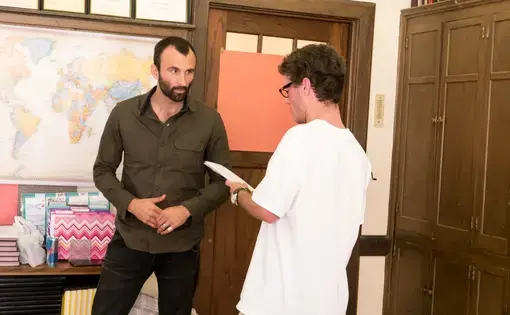
  • RJ Reynolds High School student Hill Douglas asks Pulitzer Center grantee Jason Motlagh about his reporting on the textiles industry in Bangladesh as part of Weaving Connections, a documentary filmmaking program developed as part of Pulitzer Center's NewsArts initiative. Image by Fareed Mostoufi. United States, 2017.
    English

    Pulitzer Center Update

    Weaving Connections: A NewsArts Student Documentary

    On Monday, June 5, 2017, journalism students at RJ Reynolds High School in Winston-Salem, NC met...

    author #1 image author #2 image
    Multiple Authors
    June 9, 2017
  • Event

    Weaving Connections: Student Film Screening Examining the Textiles Industry

    Read More
  • ×
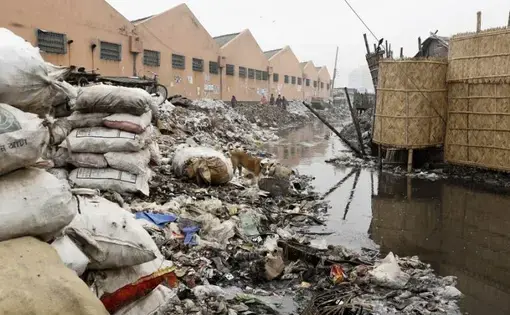
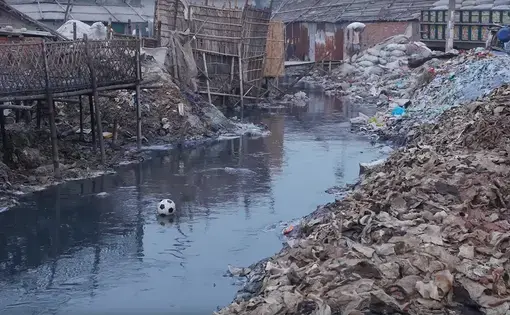
    A creek outside a Dhaka tannery has banks covered in garbage and rotting animal hides. Image by Justin Kenny. Bangladesh, 2016.
    English
    PART OF: Deadly Pollution: The World's Most Toxic Places

    Bangladesh Cuts Power to Leather District After Years of Environmental Violations

    author #1 image author #2 image
    Multiple Authors
    April 13, 2017
    Publication logo
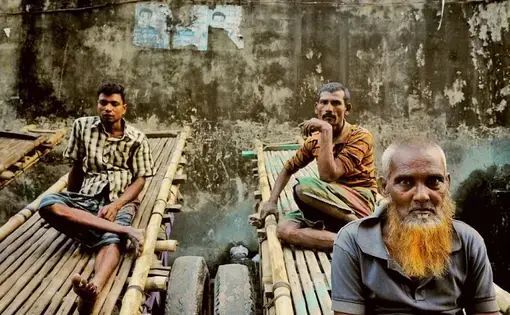
  • Tannery workers take a break before noon prayers. Their carts can carry a ton of goat skins through the narrow streets of Hazaribagh. Image by Larry C. Price. Bangladesh, 2016.

    Event

    POSTPONED: Photojournalist Larry C. Price Visits Missouri School of Journalism

    Read More
  • ×
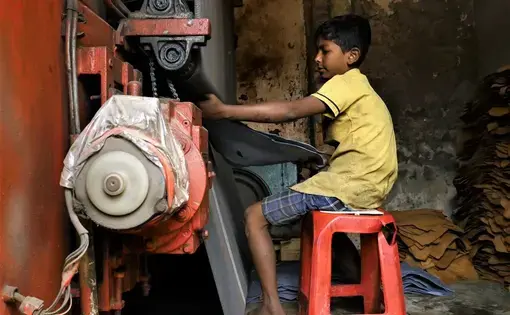
    A 10-year-old boy pulls a hide from pressing machine at a tannery in Dhaka, the capital of Bangladesh. Image by Justin Kenny. Bangladesh, 2016.
    English
    PART OF: Deadly Pollution: The World's Most Toxic Places

    Bangladesh: Billion Dollar Leather Industry Has a Problem with Child Labor and Toxic Chemicals

    author image
    Justin Kenny
    Grantee
    March 30, 2017
    Publication logo
  • Screenshot from Justin Kenny's Meet the Journalist video.
    English

    Education Resource

    Meet the Journalist: Justin Kenny

    PBS NewsHour contributor and Pulitzer Center grantee Justin Kenny discusses his trip to the...

    author image
    Justin Kenny
    Grantee
    READ MORE about Meet the Journalist: Justin Kenny
  • ×
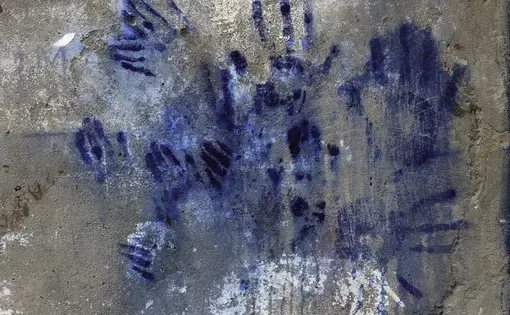
    Handprints in chromium sulfate accumulate on the outside of a tannery wall. Workers pat the walls during breaks to wipe chemicals from their hands.
    English
    PART OF: Deadly Pollution: The World's Most Toxic Places

    Bangladesh’s Leather Industry Exposes Workers and Children to Toxic Hazards

    author #1 image author #2 image
    Multiple Authors
    March 30, 2017
    Publication logo
  • ×
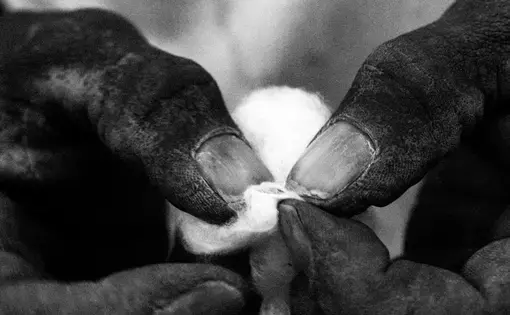
    A farmer is seen extracting the seed out of the cotton crop, in Boromo. Image by Jošt Franko. Burkina Faso, 2015.
    English
    PART OF: Cotton: The Story Behind the Garment Industry

    Our Cotton Colonies

    author #1 image author #2 image
    Multiple Authors
    March 21, 2017
    Publication logo
  • ×
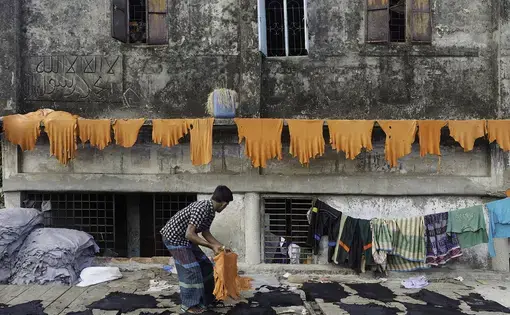
    Brightly-dyed goat skins, fresh from the tanning vats, are dried on a rooftop in Hazaribagh, the tannery district of Dhaka, Bangladesh.
    English
    PART OF: Deadly Pollution: The World's Most Toxic Places

    Bangladesh: Toxic Tanneries

    author #1 image author #2 image
    Multiple Authors
    March 17, 2017
    Publication logo
  • ×
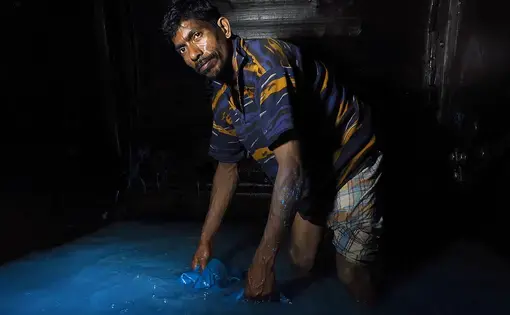
    A barefoot worker stands inside an 8-foot tall-tumbling drum filled with chromium (III) sulfate and other chemicals. Workers often have to crawl inside the drums to remove hides. Image by Larry C. Price. Bangladesh, 2016.
    English
    PART OF: Deadly Pollution: The World's Most Toxic Places

    Bangladesh: The Dark Side of the Leather Industry

    author #1 image author #2 image
    Multiple Authors
    March 17, 2017
    Publication logo
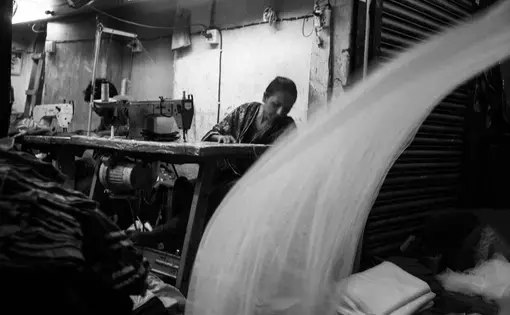
  • A garment worker in Dhaka, Bangladesh. Image by Jošt Franko. Bangladesh, 2016.
    English

    Pulitzer Center Update

    Who Makes Your Clothes?

    This week: the dark history behind modern day cotton production, Saudi Arabia's religious exports...

    author image
    Tom Hundley
    Pulitzer Center Staff
    March 15, 2017
  • ×
    A retail store in the United Kingdom. Image by Jošt Franko. London. 2016.
    English
    PART OF: Cotton: The Story Behind the Garment Industry

    A Glimpse of the Workers Who Make Your Clothes

    author image
    Jošt Franko
    Grantee
    March 2, 2017
    Publication logo

Pagination

  • « First
  • ‹‹
  • 8
  • 9
  • 10
  • 11
  • 12
  • ››
  • Last »

Contact

2000 Pennsylvania Ave NW
Suite #7000
Washington, DC 20006
(202) 332-0982
[email protected]

Follow us on Facebook
Follow us on Twitter
  Follow us on Instagram
  Subscribe to us on YouTube

Media Requests

[email protected]

Privacy Policy


Sign up for our newsletter