Main Menu Navigation
Pulitzer Center Logo
View Primary Menu
Search
  • ABOUT
    Our Mission and Model Staff Board of Directors Impact Annual Reports Donors Ethics and Standards Diversity, Equity, and Inclusion Employment
  • UPDATES
  • EVENTS
    Upcoming Events Conferences
  • WEBINARS ON-DEMAND
  • COMMUNITY
  • IMPACT
DONATE
  • JOURNALISM
      • PULITZER CENTER JOURNALISM
      • STORIES
      • Stories by Pulitzer Center Grantees
      • Stories by Student Reporting Fellows
      • PROJECTS
      • FIELD NOTES
      • APPLY FOR JOURNALISM GRANTS
      • FOCUS AREAS
      • Climate and Environment
      • Global Health
      • Peace and Conflict
      • Human Rights
      • Information and Artificial Intelligence
      • INITIATIVES
      • AI Accountability Network
      • AI Spotlight Series
      • StoryReach U.S.
      • U.S. Local News Reporting
      • Ocean Reporting Network
      • Rainforest Investigations Network
      • Rainforest Reporting
      • Transparency and Governance
      • Our Work/Environment
      • NEWSLETTER ARCHIVE
  • EDUCATION
      • CAMPUS CONSORTIUM PROGRAM & PARTNERS
      • Campus Consortium Program
      • Campus Consortium News
      • Campus Consortium Partners
      • Reporting Fellowships
      • Reporting Fellow Bios
      • Stories by Reporting Fellows
      • Resources for Reporting Fellows
      • Campus Consortium Advisory Council
      • Join the Campus Consortium Network
      • INTERNATIONAL EDUCATION AND OUTREACH
      • K-12 PROGRAMS AND RESOURCES
      • Programs for Teachers and Students
      • Lesson Plans
      • Journalist Visits to Classrooms
      • The 1619 Project Education Portal
      • Student Contests
      • Professional Development for Educators
      • Journalism Skillbuilder Lesson Series
      • K-12 Education News
  • GRANTS & FELLOWSHIPS
      • GRANTS & FELLOWSHIPS
      • Tips for a Successful Grant Application
      • Pulitzer Center Crediting Requirements
      • OPPORTUNITIES FOR JOURNALISTS
      • Global Reporting Grants
      • AI Reporting Grants
      • Global Health Inequities, Risks and Solutions
      • Transparency & Governance Reporting Grants
      • U.S. Civil Society Microgrants 2026
      • Rainforest Reporting Grants
      • Conflict Reporting
      • Ocean and Fisheries Reporting Grants
      • Climate and Labor Reporting Grants
      • Africa Reporting Grants
      • U.S. Local Reporting Grants
      • Machine Learning Reporting Grants
      • OPPORTUNITIES FOR EDUCATORS & CIVIL SOCIETY ORGS
      • The 1619 Project Education Impact Grants
      • Pulitzer Center Teacher Fellowship
      • Impact Seed Funding
      • U.S. Civil Society Microgrants 2026
      • OPPORTUNITIES FOR CAMPUS CONSORTIUM MEMBERS
      • Campus Consortium Reporting Fellowships
      • Post-Grad Reporting Fellowships
  • IMPACT
  • RESOURCES
  • COMMUNITY
  • EVENTS
  • WEBINARS ON-DEMAND
  • ABOUT
    Our Mission and Model Staff Board of Directors Impact Annual Reports Donors Ethics and Standards Diversity, Equity, and Inclusion Employment
  • UPDATES
  • EVENTS
    Upcoming Events Conferences
  • WEBINARS ON-DEMAND
  • COMMUNITY
  • IMPACT
DONATE

Bangladesh

Use the Pulitzer Center Lesson Builder to find and create lesson plans on this country.


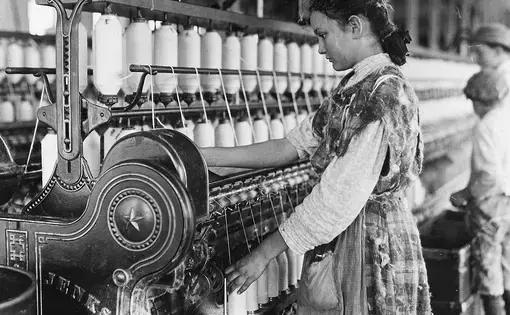
  • A young girl works the spinning machines, Lewis Hine, Cherryville, NC, 1908.
    English

    Lesson Plans

    Weaving Connections Documentary Film: Prep (1 of 3)

    Students learn about the global textiles industry using photography, texts, and interviews and evaluate the connections between the industry in 19th c America and modern Bangladesh.

    author image
    Diana Greene
    Grantee
    READ MORE about Weaving Connections Documentary Film: Prep (1 of 3)
    February 1, 2018
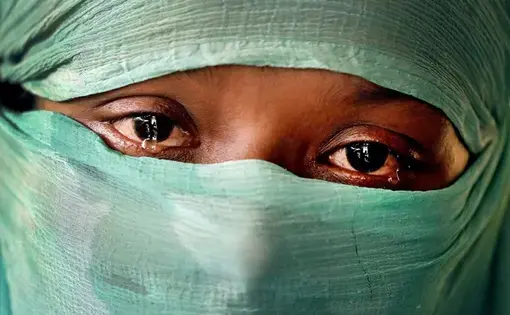
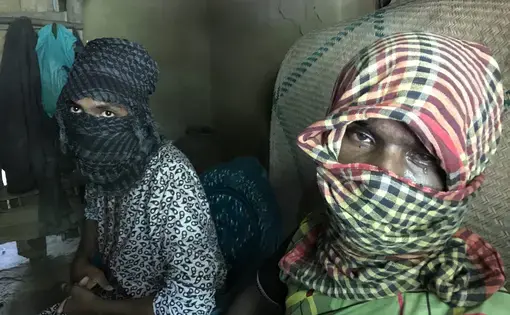
  • In this Wednesday, Nov. 22, 2017, photo, F, 22, who says she was raped by members of Myanmar’s armed forces in June and again in September, cries as she speaks to The Associated Press in her tent in Kutupalong refugee camp in Bangladesh. The Associated Press has found that the rape of Rohingya women by Myanmar’s security forces has been sweeping and methodical. The AP interviewed 29 women and girls who say they were raped by Myanmar’s armed forces, and found distinct patterns in their accounts, their…
    English

    Pulitzer Center Update

    This Week: Myanmar Military Systematically Rapes Rohingya Women

    Systematic Rape by Myanmar’s Military Kristen Gelineau The Myanmar military conducted an internal...

    December 12, 2017
  • ×
    In this Wednesday, Nov. 22, 2017, photo, F, 22, who says she was raped by members of Myanmar’s armed forces in June and again in September, cries as she speaks to The Associated Press in her tent in Kutupalong refugee camp in Bangladesh. The Associated Press has found that the rape of Rohingya women by Myanmar’s security forces has been sweeping and methodical. The AP interviewed 29 women and girls who say they were raped by Myanmar’s armed forces, and found distinct patterns in their accounts, their…
    English
    PART OF: Rohingya Under Attack

    Rohingya Methodically Raped by Myanmar’s Armed Forces

    author #1 image author #2 image
    Multiple Authors
    December 11, 2017
    Publication logo
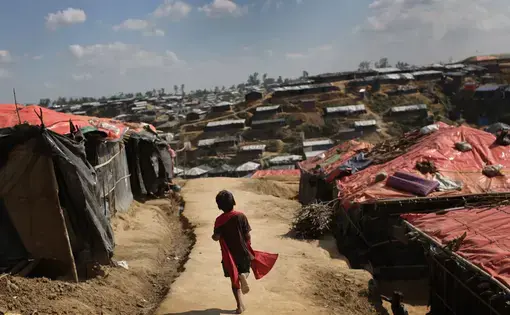
  • In this November 19 photo, a Rohingya Muslim child runs on a mud track between tents at Kutupalong refugee camp in Bangladesh. Image by Maye-e Wong. Bangladesh, 2017. 
    English

    Project

    Rohingya Under Attack

    "All I have left are my words," the Rohingya Muslim refugee said. The AP documents systematic gang...

    author #1 image author #2 image
    Multiple Authors
    READ MORE ABOUT THIS PROJECT - Rohingya Under Attack
  • ×
    Militants from the Rohingya insurgent group ARSA. September 2017. Image by Jason Motlagh.
    English
    PART OF: Myanmar's Rohingya: Anatomy of a Genocide

    Myanmar's Imagined Jihadis

    author image
    Jason Motlagh
    Grantee
    November 24, 2017
    Publication logo
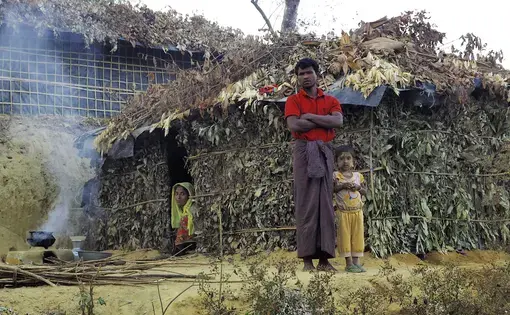
  • A family with their newly constructed shelter outside Balukhali Refugee Camp. Image by Doug Bock Clark. Bangladesh, 2017.
    English

    Pulitzer Center Update

    This Week: Rohingya, The Lost Genocide

    Fear of the 'G-word' Doug Bock Clark The Rohingya have been stripped of citizenship, prevented from...

    November 21, 2017
  • ×
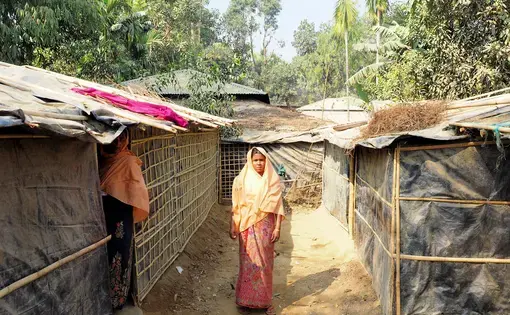
    A woman in Kutupalong Refugee Camp. Since August, nearly half a million Rohingya have escaped over the Myanmar border to Bangladesh. Image by Doug Bock Clark. Bangladesh, 2017.
    English
    PART OF: Exploring Myanmar's Conflicted Future

    The Lost Genocide

    author image
    Doug Bock Clark
    Grantee
    November 17, 2017
    Publication logo
  • ×
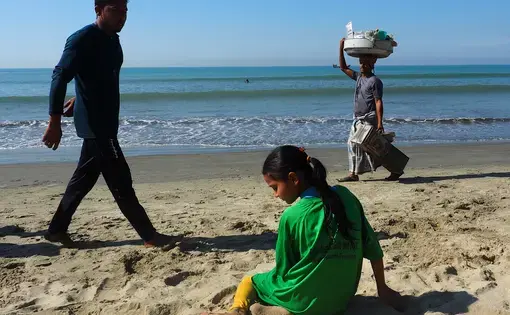
    One of the surf girls on the beach. Image by Doug Bock Clark. Bangladesh, 2017. 
    English
    PART OF: Exploring Myanmar's Conflicted Future

    Social Media Turned These Girls into Stars. It Also Made Them Targets.

    author image
    Doug Bock Clark
    Grantee
    November 1, 2017
    Publication logo
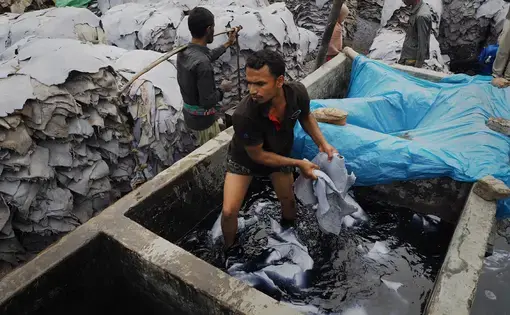
  • A worker uses his bare hands to remove hide from an alkali bath.

    Event

    Global Environmental Health Day 2017 Video Session

    Read More
  • ×
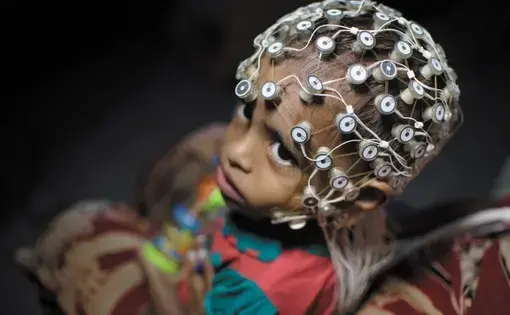
    In Dhaka, a child undergoes electroencephalography to measure electrical brain activity. Image by Smita Sharma. Bangladesh.
    English
    PART OF: Vaccines in Low-Income Countries: Reasons and Remedies for their Stunted Performance

    How Poverty Affects the Brain

    author image
    Carina Storrs
    Grantee
    July 17, 2017
    Publication logo
  • ×
    Improvised mosque in squatter refugee camp. Image by Doug Bock Clark. Bangladesh, 2017.
    English
    PART OF: Exploring Myanmar's Conflicted Future

    Home in a Rohingya Refugee Camp

    author image
    Doug Bock Clark
    Grantee
    July 6, 2017
    Publication logo
  • ×
    Rohingya refugees in squatter refugee camp. Image by Doug Bock Clark. Bangladesh, 2017. 
    English
    PART OF: Exploring Myanmar's Conflicted Future

    Where the Rohingya Refugees Call Home

    author image
    Doug Bock Clark
    Grantee
    June 27, 2017
    Publication logo

Pagination

  • « First
  • ‹‹
  • 7
  • 8
  • 9
  • 10
  • 11
  • ››
  • Last »

Contact

2000 Pennsylvania Ave NW
Suite #7000
Washington, DC 20006
(202) 332-0982
[email protected]

Follow us on Facebook
Follow us on Twitter
  Follow us on Instagram
  Subscribe to us on YouTube

Media Requests

[email protected]

Privacy Policy


Sign up for our newsletter