Lesson Plan March 26, 2026
We’re Not Really Strangers
Grades:

This lesson was created by Olivia Brown, a community educator in Chicago, IL with Project Unloaded, as part of the fall 2024 Pulitzer Center Teacher Fellowship program. It is designed for facilitation during one approximately 60-90 minute class period.
For more lessons created by Pulitzer Center Teacher Fellows in this cohort, click here.
When we talked about what “radical optimism” means and how it related to the stories they interacted with, students said, “This is the answer for everything…” and “... It's important to stay positive and remember that you can do something… even though we’re kids, we can do something.”
Lesson Overview
This lesson introduces students to global health stories and invites them to make connections about how these stories relate to their communities. Students will strengthen their critical thinking, research and creative skills through this interactive lesson where their final assessment nudges them to share what they learned on social media platforms. In the end, students will realize that they and their communities are “not really strangers” to the problems that exist around the globe and will have a new tool, social media, to connect with other teens and learn more about global health stories.
Essential Questions
- What is global health?
- What is a health disparity?
- How do global health disparities mirror issues in your own community?
- How can you use social media to strengthen your understanding of how America influences your life and the lives of other teens around the globe?
- How do these stories relate to your work to change gun culture?
- What can you do to take action in your own community and support others around the globe?
Performance Task
Students will create a “vlog” documenting their escape room experience as they complete it. After the escape room and related discussion, students will create a graphic social media post, sharing what they learned and major takeaways about global health and local health disparities.
Assessment
Students will complete a Google Form checklist identifying what they learned and sharing short written reflections about how they will use the information moving forward.
Notes on Context & Content Advisory
This lesson was created for students participating in a Project Unloaded After School Program. Project Unloaded is a national gun violence prevention organization that uses social media to educate teens about the risk of gun ownership.
One-day, 60-90 minute lesson plan, including warm-up, video, texts, discussion questions, and final activity. Download below to read the complete lesson plan.
Lesson Resources
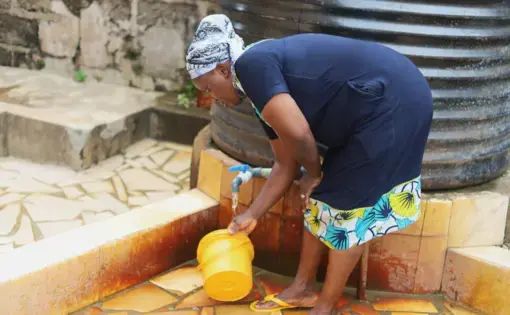
| Pulitzer Reporting | “Poisoned Wells: Oil Pollution Haunts Nigerian District for Decades” by Bukola Adebayo “Could a Conflict-Borne Superbug Bring On Our Next Pandemic?” by Eli Cahan “Young Palestinians Face a Steep Toll on Mental Health” by Kern Hendricks |
Teacher Reflection
“Immediately, students noticed how their experiences with violence related to the students in the video ,especially when they talked about feeling guilt, fear, and mental health struggles amid the ongoing Gaza conflict. 'They sound like us …,' one of the teens mentioned in our post-documentary discussion.”
Student at Chicago's Al Raby High School
What is the focus of your lesson plan, and why did you write this lesson for your community?
My students, like many teens, understand what’s happening in their community but may not immediately see the relationship to other issues around the world.
In my Social Media and Social Change class, that’s been learning social media marketing skills specifically to combat harmful messages about guns online, one of the first questions I got when teeing up our session about global health and underreported stories was “What does this have to do with us?”
This lesson, “We’re Not Really Strangers,” turns that question back on the students and teaches them to make connections about how their lives on the South and West sides of Chicago mirror teens' lives in Palestine or Nigeria. The lesson also challenges students to consider how they can use their skills to improve their communities while learning about others.
How did you build this lesson with your community in mind?
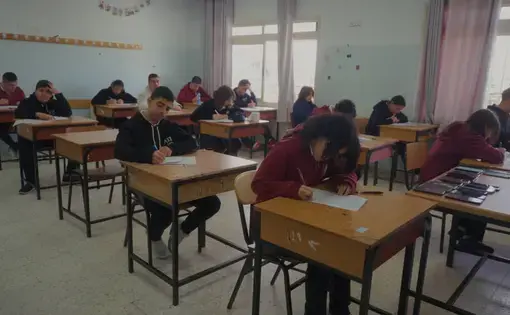
We kick this lesson off with students watching the documentary of the report “Young Palestinians Face a Steep Toll on Mental Health.” Immediately, students noticed how their experiences with violence related to the students in the video, especially when they talked about feeling guilt, fear, and mental health struggles amid the ongoing Gaza conflict. “They sound like us …,” one of the teens mentioned in our post-documentary discussion.
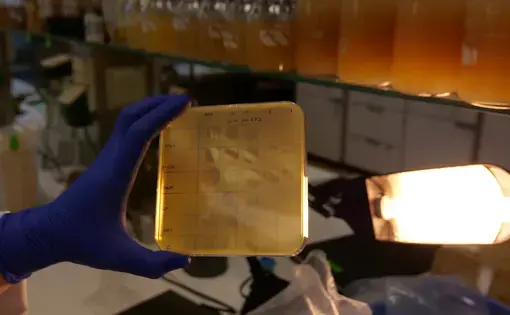
The next part of the lesson moves students through a more immersive experience where they must try to complete an escape room using clues from the documentary as well as two additional Pulitzer Center-supported stories. Because our class focuses on social media, students' final clue linked them to an Instagram video of a trauma physician talking about how he stays hopeful despite seeing the impact of violence every day. The words they were looking for to solve the escape room were “radical optimism.”
What did your students learn while engaging with this lesson?
The conversation that followed was robust and inspiring. When we talked about what “radical optimism” means and how it relates to the stories students interacted with, they said, “This is the answer for everything …” and “... It's important to stay positive and remember that you can do something … like even though we’re kids, we can do something.”
What did you learn by creating and teaching this lesson?
When creating this lesson, I didn't want to trigger the teens and I worried that the stories, and how they related to their experiences, would go over my students’ heads.
After completing the lesson, I was surprised by the way they thoughtfully considered the stories while also considering how the work they do on social media can be used to connect them to other global health stories, all while giving them the platform to uplift their own stories in Chicago.
The students completed the lesson by vlogging their experience completing the escape room and sharing some of the major takeaways from the stories they interacted with. If I were giving advice to educators looking to try this lesson, I’d leave them with these three tips:
- Leave room for students to make their own connections: I came into the lesson with some connections to the stories and my students that I was hoping they’d make, but I was surprised by other connections students came up with.
- Incentivize and customize your escape room: The escape room served as the pièce de résistance in this lesson, and students reacted positively. I used a mix of clues that were jokes from past classes, phrases from the documentary, and highlighted segments of the other two stories and told students if they could complete it in 30 minutes, they’d have a special surprise in our following session.
- Have a strong “so now what” performance task: You want students to end the lesson feeling empowered and looking for ways they can tell their own stories or connect further with more underreported stories. For our group, this was using social media and experimenting with how lifestyle content can be educational. Your students might require a different final activity that connects to local resources. Get creative!
About Olivia Brown
Olivia Brown, MPH, CHES (she/her) is a multifaceted educator, storyteller and public health professional who works to prioritize what she calls "people-powered, joy-centered, cultural and systems change." At Project Unloaded, Olivia combines her industry expertise, art activism, and community engagement experience to develop and teach engaging community programming that educates and empower teens to be part of the gun violence solution.
REPORTING FEATURED IN THIS LESSON PLAN
-

The relationship between conflict and the spread of “superbugs” has been one of increasing concern.
-
Pulitzer Center Update
Young Palestinians Face a Steep Toll on Mental Health
In the West Bank, a Teen Mental Health Crisis “It just twisted something inside of me, like I felt...
July 19, 2024