This lesson was created by Timothy Moore an English Teacher in Memphis, Tennessee, as part of the fall 2025 Pulitzer Center Teacher Fellowship program. It is designed for facilitation across approximately 5 class periods.
For more lessons created by Pulitzer Center Teacher Fellows in this cohort, click here.
Lesson Overview
From Malawi to Memphis students bridge journalism, civic awareness and creative writing to show how systematic harm is not random but a product of targeting communities with the fewest political protections. It is a pattern of asthma clusters, industrial zoning, governmental negligence, air quality and a lack of empathy. Students will examine the ways these injustices harm women of color around the world and in our hometown of Memphis. Students will read reporting on disabled pregnant women in Malawi and explore how hospitals can dehumanize or protect patients in order to create advocacy pieces that call for dignified care for all mothers. By pairing data with storytelling, students will break down stereotypes and misinformation, humanizing the women in the news stories and building empathy.
As an extension, students will curate a symposium to share out all that they have learned about how to disrupt the systematic racism and other health inequities impacting marginalized women of color.
Objectives
Students will be able to:
- Analyze global investigative reporting on environmental racism.
- Evaluate journalistic choices: sourcing, narrative framing and use of evidence.
- Compare environmental health inequities in Malawi and Memphis.
- Use research and creative communication (op-eds, poems, infographics) to inform and advocate.
- Showcase learning in a youth-driven public symposium.
Essential Questions
- How does environmental racism operate globally and locally?
- What journalistic techniques help expose underreported global health crises?
- Do environmental conditions in Malawi mirror inequities in Memphis?
- How can youth storytelling and data help drive awareness towards action?
- How do global health policies and local inequities intersect for minority women?
- What stories are missing from mainstream health narratives?
- How can young people become ethical storytellers and advocates for health equity?
Performance Task
Students finalize and present their op-ed, poem or infographic as part of “Bodies We Forget: A Youth Report on Health Equity Symposium”
Deliverables marry factual evidence with personal storytelling, echoing the Possible Project’s “evidence meeting emotion” ethos
Notes on Context & Content Advisory
This lesson references racial health disparities, infant mortality and neglect in medical systems. We encouraged sensitivity and created opt-out alternatives if students became overwhelmed. Many Memphis scholars have firsthand or familial experience with medical neglect, poverty and food deserts. The lesson prioritizes trauma-informed discussion, affirming emotional safety while empowering activism. We will encourage respectful discourse and honor all experiences.
Our school is located in one of the poorest neighborhoods in Memphis. Memphis is the 2nd poorest metropolitan city in the nation. Our mortality rate of Black and brown babies far exceeds the national average due to environmental injustice, racism and poverty. Our school is primarily Black and Brown scholars who are directly affected by multiple traumas and factors.
This lesson was designed to take place over 5 class periods. It includes warm-ups, discussion questions, activities, and a final performance task. Download below to read the complete lesson plan.
Lesson Resources
| Pulitzer Reporting | “Pregnant and Disabled in Malawi,” by Josephine Chinele and Ngulube Chisomo The World's Most Toxic Town: The Terrible Legacy of Zambia's Lead Mines by Larry C. Price The Black Maternal Health Crisis Is Getting Worse. One Expert Details the Resources Available To Help Solve It. by Jenae Barnes |
| Additional Resources | The Urgency of Intersectionality | Kimberlé Crenshaw | TED Linda Villarosa on Black Maternal Health Crisis & America’s Hidden HIV Epidemic | Democracy Now |
State of Tennessee English Language Arts Standards
RI.CS.6: Determine an author’s point of view or purpose in a text and analyze how rhetoric advances that point of view.
RI.IKI.8: Delineate and evaluate the argument and specific claims in a text.
SL.CC.1: Participate effectively in collaborative discussions, building on others’ ideas and expressing their own clearly.
W.PDW.4: Produce clear and coherent writing appropriate to task, purpose, and audience.
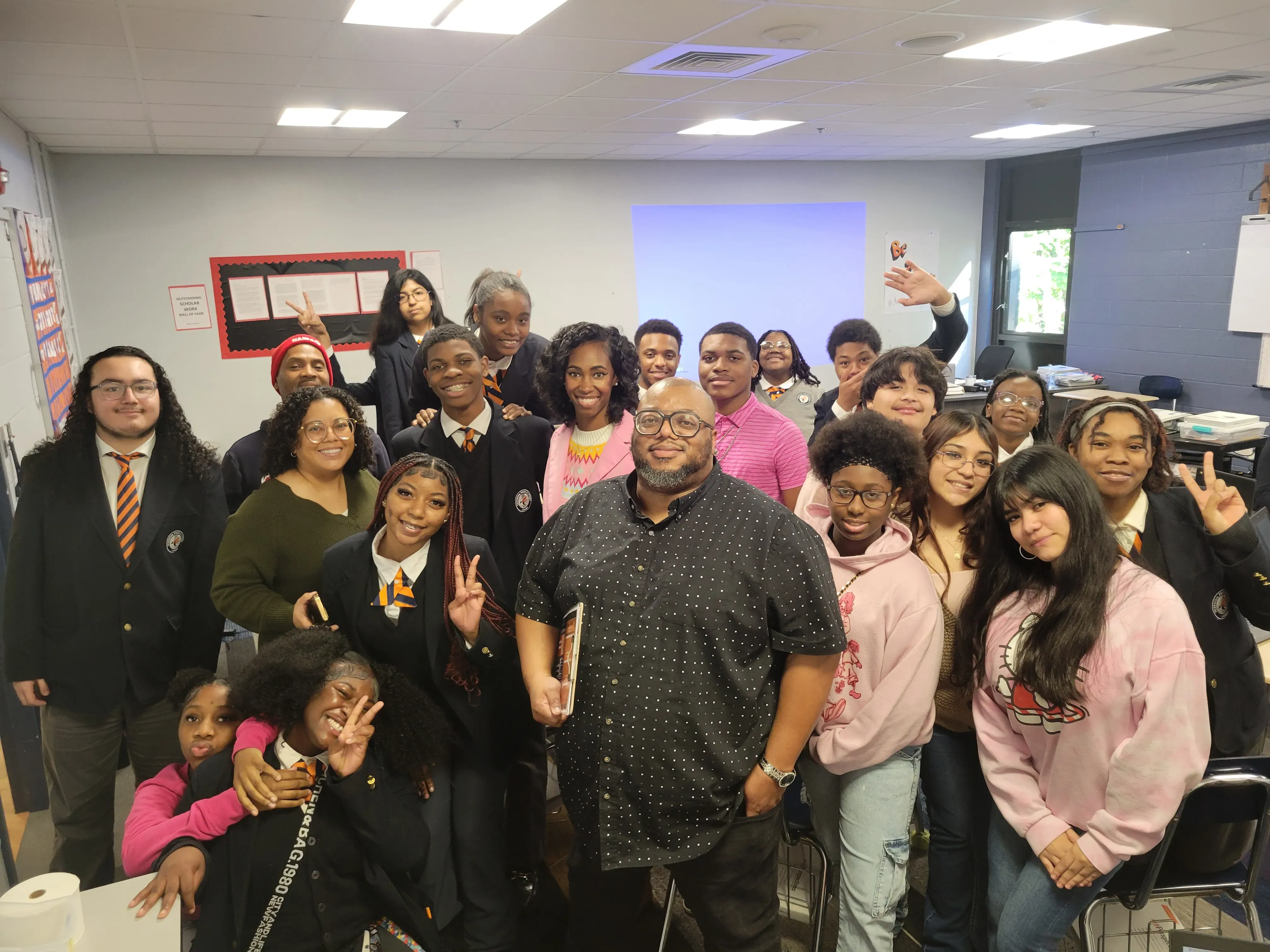
For this lesson, students engaged with reporting about reproductive health and maternal mortality from both Malawi and their hometown of Memphis, Tennessee. They were then challenged to craft an op-ed, infographic, or poem connecting the experiences of mothers in Malawi and Memphis, educating their classmates about trends in health inequities for marginalized women and their children in each community.
Students supported one another's projects through classroom presentations and peer feedback so that they could refine their work and present during a whole school symposium about infant mortality.
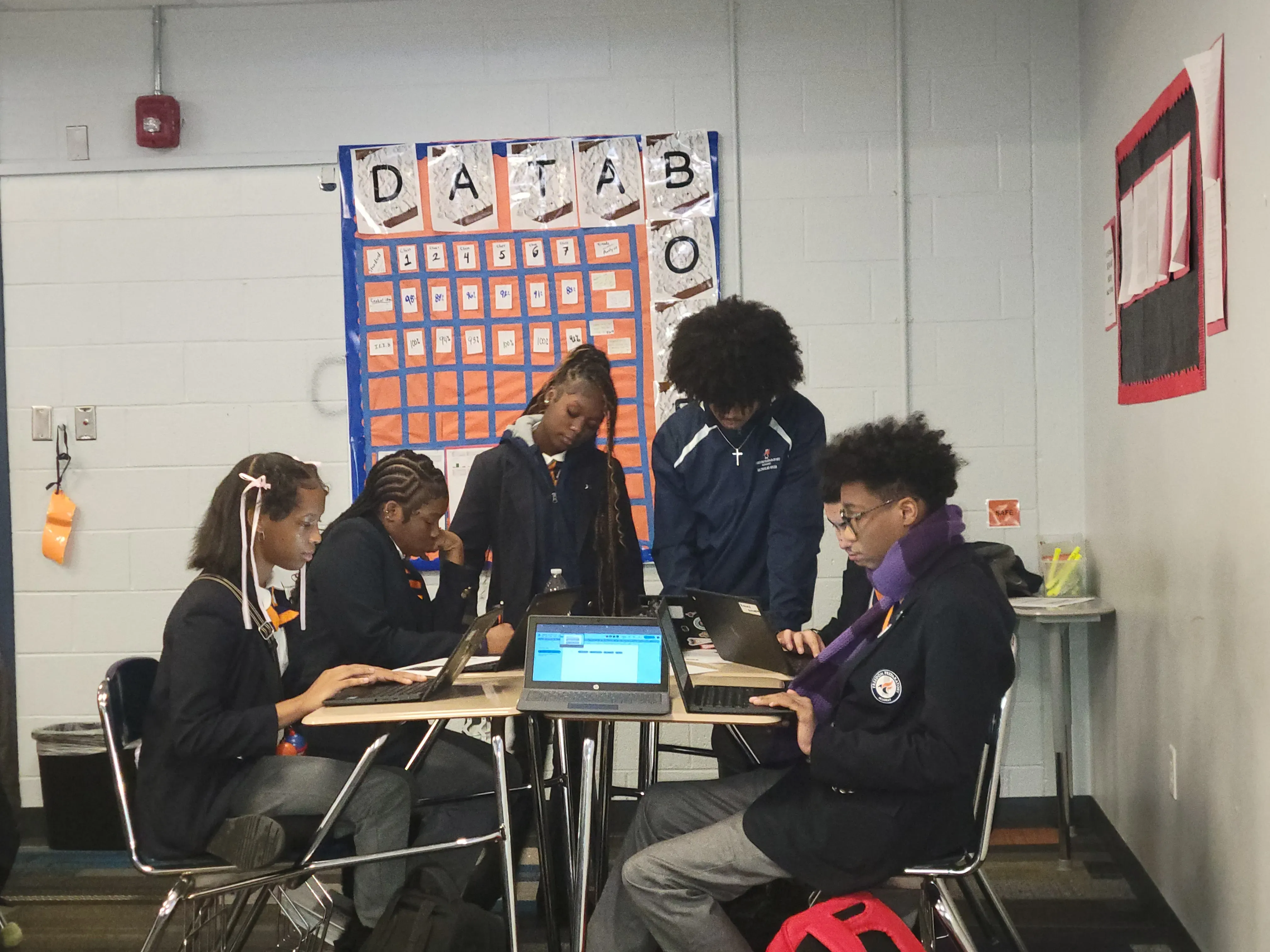
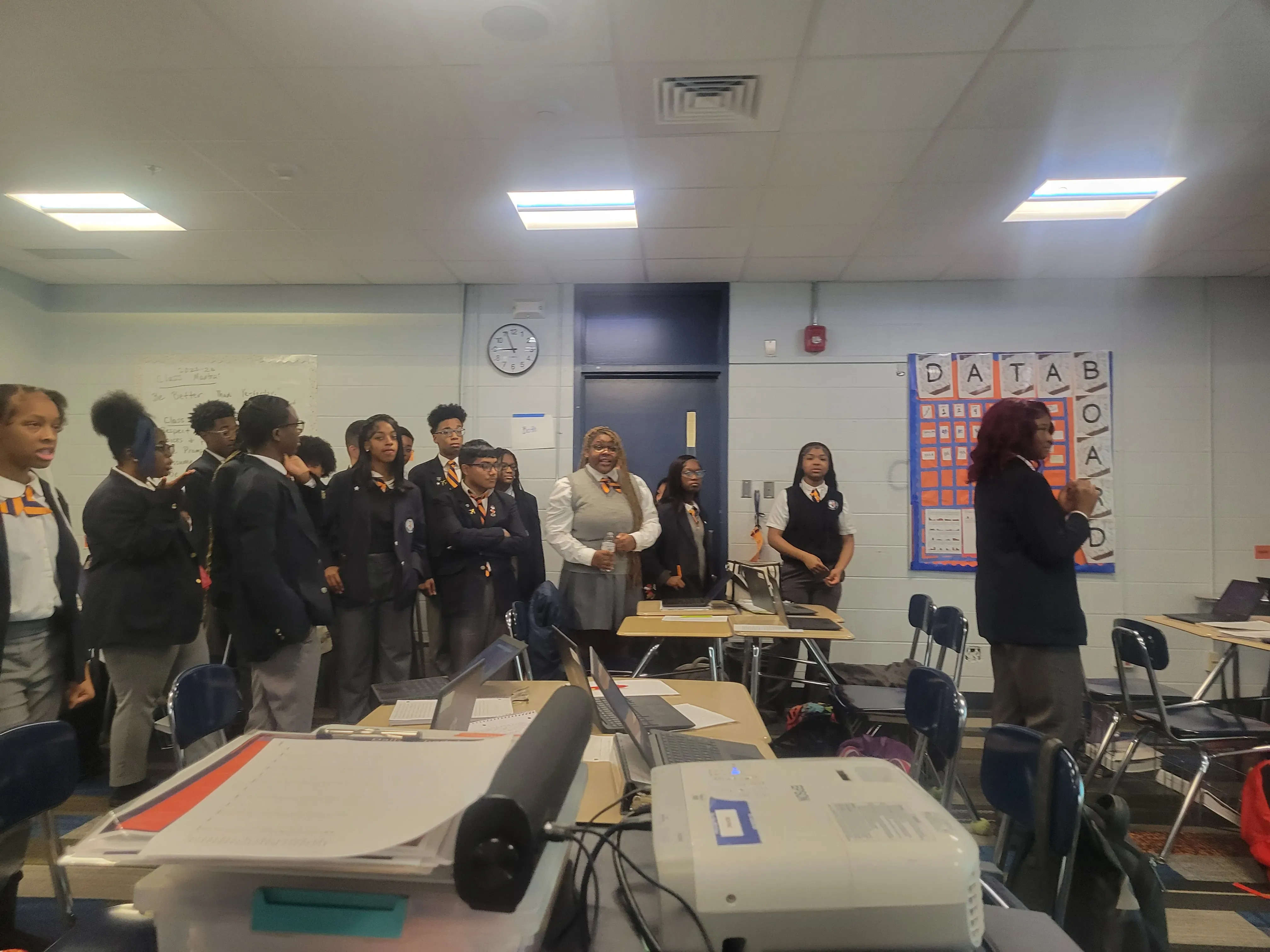
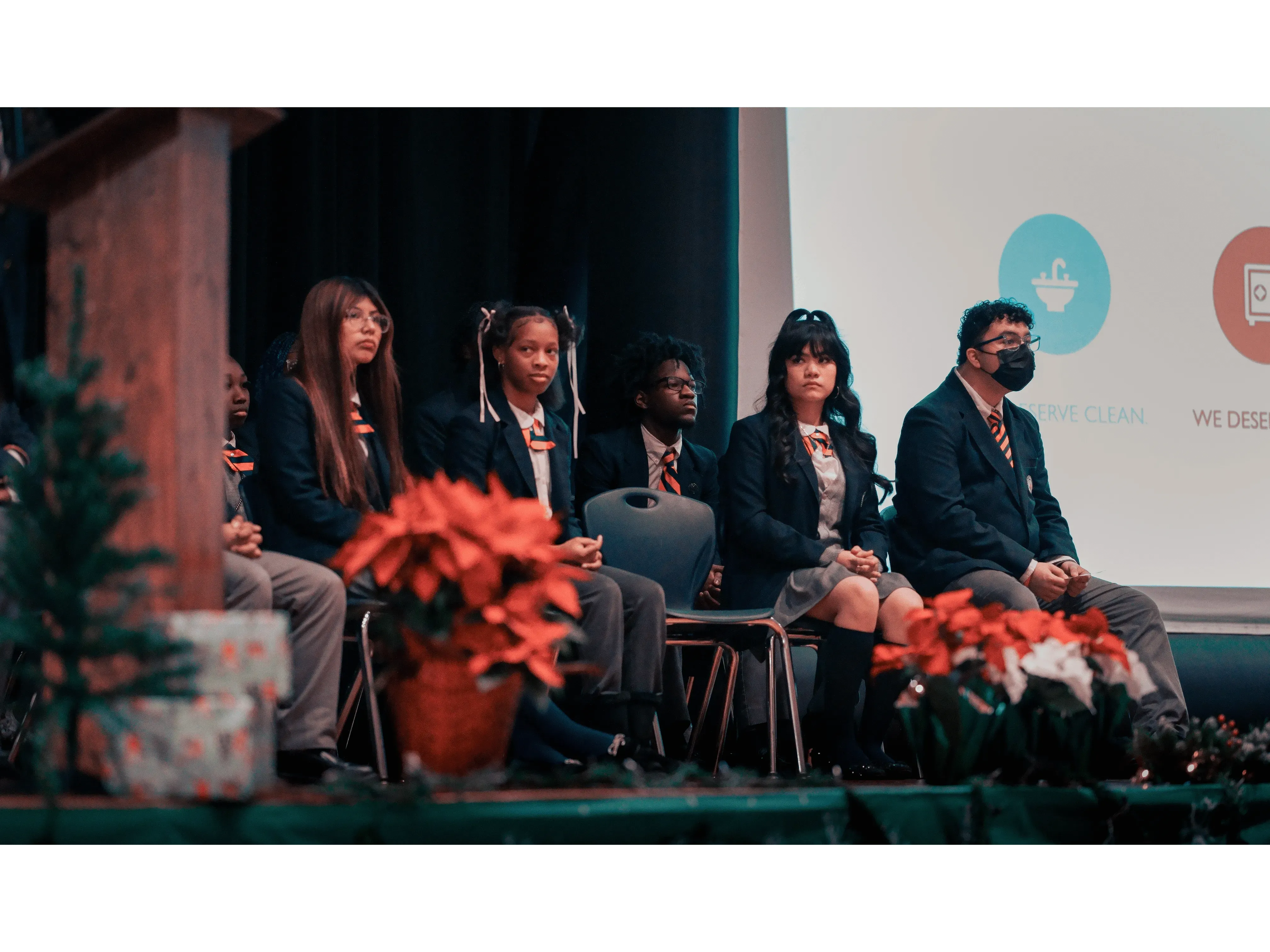
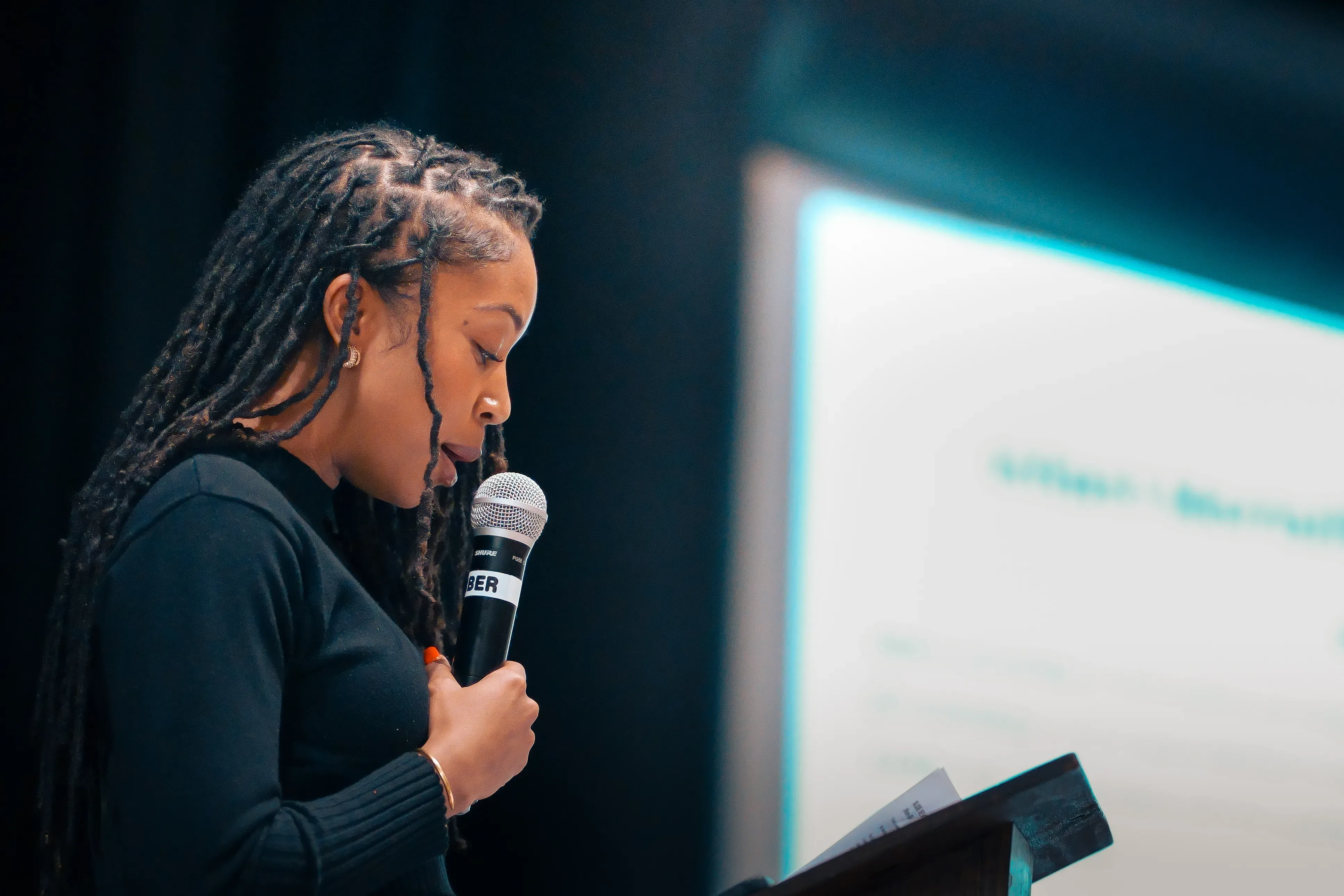
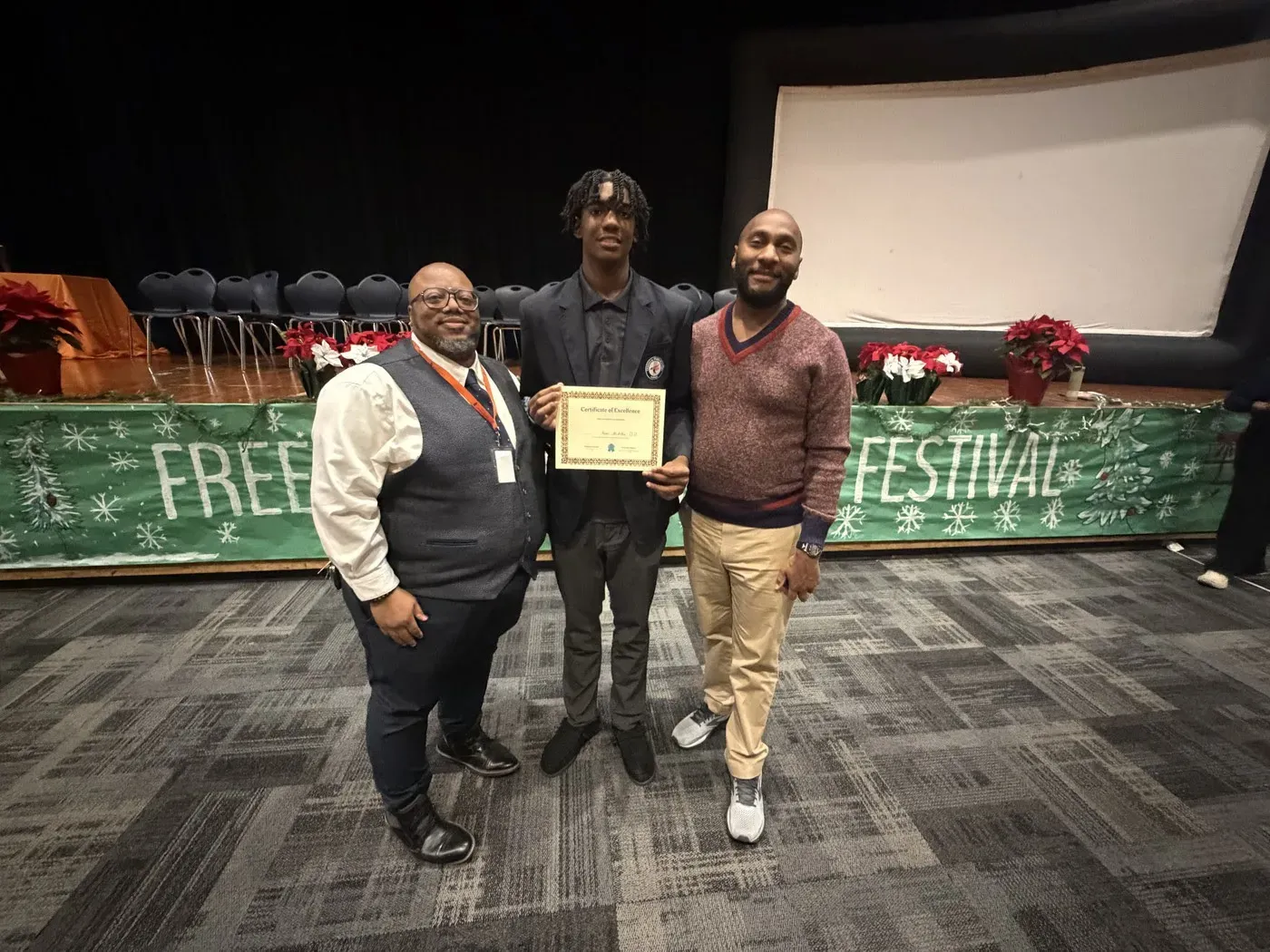
The student project was well supported by members of their local community including MiaJenell Peake, a Certified Nurse Midwife and local business owner who delivered the Keynote at the student symposium, Shelby County Mayor, Lee Harris, and reporters that the local new station, WREG, who interviewed Timothy Moore about his experience as a Pulitzer Center Teacher Fellow.
REPORTING FEATURED IN THIS LESSON PLAN
-

Project
Pregnant and Disabled in Malawi
This project investigates and brings to the fore the untold discriminatory and unequal experiences...