Pulitzer Center Update September 8, 2026
Pulitzer Center Reporting Sheds Light on Maternal Mental Health
Country:

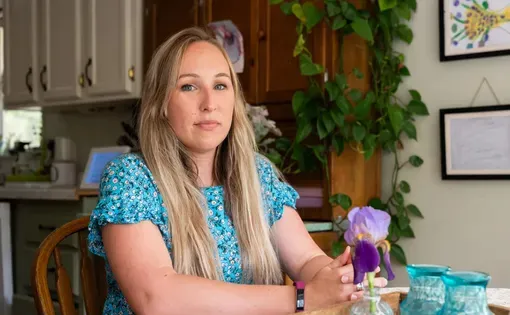
The loss of a hospital obstetric unit heightens maternal mental health risks.


An attorney for Lindsay Clancy, the Massachusetts mother who admitted to killing her three children, said he hopes President Trump would consider a pardon for his client after the high-profile murder case ended in a mistrial last week. https://t.co/L3IBmyTeGK
— The Washington Post (@washingtonpost) September 8, 2026
The murder trial of Lindsay Clancy—a Massachusetts mother charged with killing her three children by strangling them in 2023—attracted international attention. On Friday, September 4, 2026, the judge at her nearly monthlong trial declared a mistrial after the jury failed to reach a verdict.
Clancy’s attorneys argued the killings were a result of postpartum psychosis, a rare mental health condition that affects a person’s sense of reality after giving birth. Clancy was left paralyzed after jumping out of a window in an apparent suicide attempt after the killings.
During the trial, the Clancy case revived debate over the Andrea Yates case, in which a Houston mother drowned her five children at home in 2001. Her attorneys also argued Yates suffered postpartum psychosis. She was eventually found not guilty by reason of insanity and was committed to a mental health facility, where she remains today.
Postpartum psychosis affects between 0.089 and 2.6 out of every 1,000 births each year in the United States. Other mental health struggles after pregnancy are more common, with postpartum depression affecting one in seven people who have given birth.
It was revealed that Clancy struggled with her mental health in the past. She and her ex-husband, Patrick Clancy, reportedly filed civil lawsuits against her former healthcare providers, alleging malpractice and negligence contributed to the deaths of their children.
The intersection between mental health and maternal care is a key issue covered by Pulitzer Center journalists. The Center has supported several reporting projects focusing on maternal mental health during and after pregnancy, including the following:
- "‘I Was Terrified’: Services Help Meet Mental Health Needs During Pregnancy After Stillbirth": Reporting Fellow Jenny Albers explores the impact of stillbirths on women and families, as well as the psychological and physical care needed in their aftermath.
- "Forgotten Mothers of Arkansas: State With Worst Maternal Health Outcomes Fails To Support Postpartum Mothers”: Grantees Florence Middleton and Celeste Hamilton Dennis examine the state’s postpartum care. In addition, in “Harm Reduction Doulas Want You To Ask: What Makes a Good Parent?," for The Sunday Long Read, the two journalists spoke with doulas and mothers about harm reduction techniques for those struggling with addiction during pregnancy.
- "Threatened Medicaid Funding for Addiction Treatment Throws Moms, Kids and a Town Into Limbo": MinnPost mental health and addiction columnist Andy Steiner reports on a place where moms in recovery can stay with their children.
- “Rural Virginia Communities Face Real and Lingering Consequences From Labor and Delivery Unit Closures”: After a hospital in rural Virginia closed its obstetrics unit in December 2025, pregnant and postpartum mothers experienced a greater mental health toll as medical services became more difficult to access, according to coverage from Reporting Fellow Anastasiia Carrier and guest contributor Kori Price for Charlottesville Tomorrow.
- “Toxic Air, Limited Care: The Cost of Motherhood in Gary, Indiana”: In Gary, Indiana, Black mothers experience increased health complications because of the industrial town’s poor air quality and lack of health services, as reported by StoryReach Fellow Jenae Barnes for Capital B Gary.
While the world is waiting to see what will become of Lindsay Clancy (her attorney has reportedly asked President Trump to pardon her, which likely won't happen), the Pulitzer Center is shining a light on important issues affecting women and children. For more reporting on such topics, click here and here.
A hearing in the Clancy case is scheduled for September 29.