Pulitzer Center Update October 27, 2026
How Teacher Fellowship Lessons Centering Local Reporting Moved 1,100 Students To Act
Country:

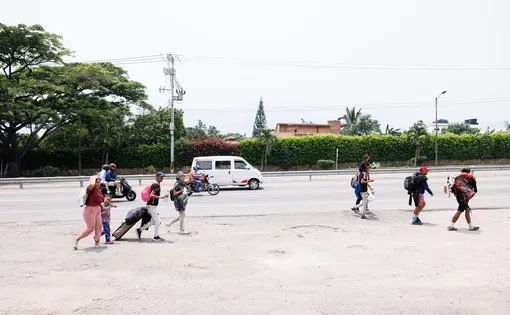
Students analyze how photo projects are composed to empathize with and humanize the stories of migrants and immigrants, evaluate how their communities are represented in local media, and then compose...

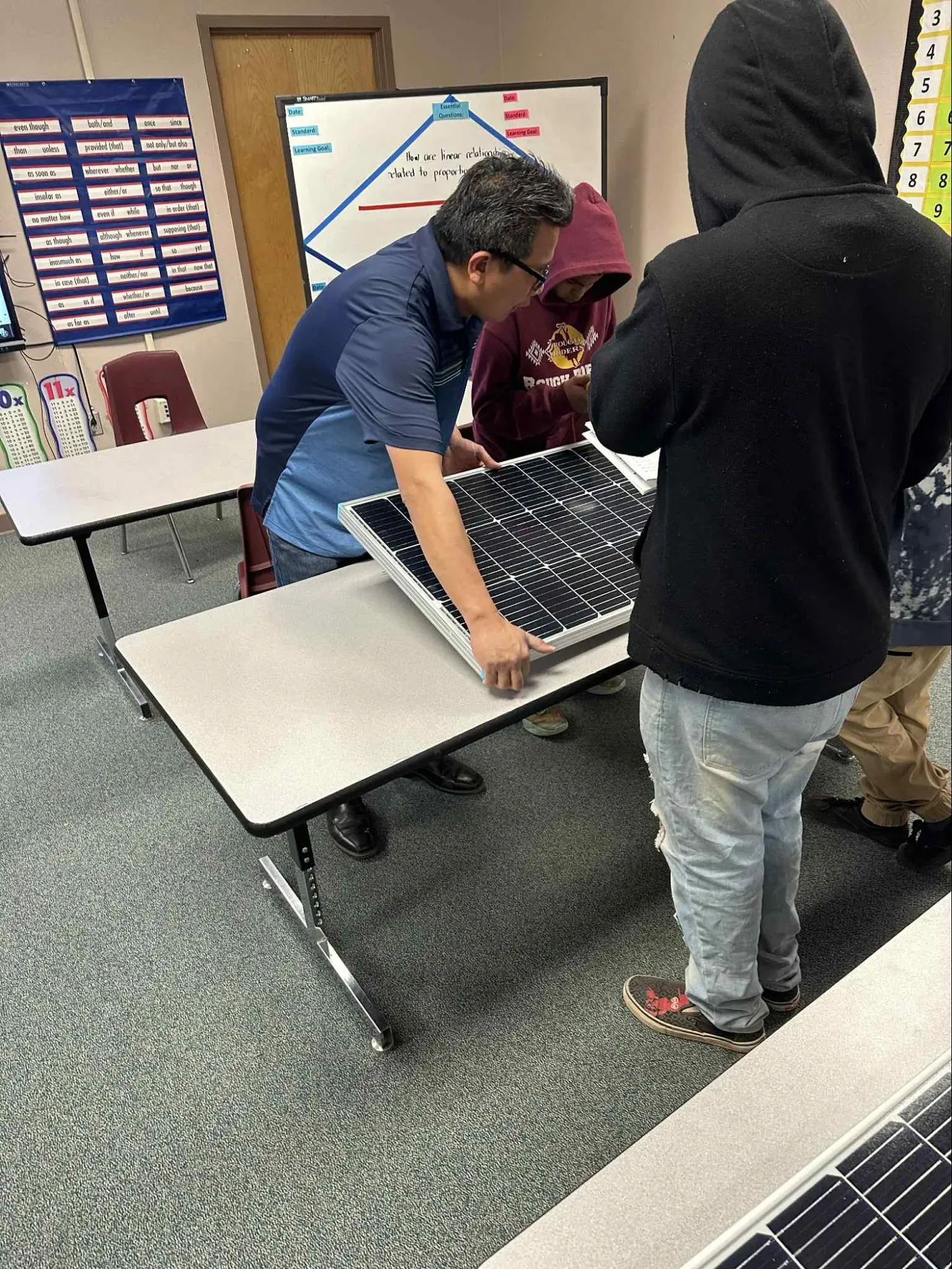
"One clear indicator of the program’s impact on our students and community was the increased level of student engagement, particularly among those who typically struggle to connect with traditional academic content.” – Andre Pineda, a middle school science teacher from Whiteriver, AZ
“They were more interested in these topics than many others we have investigated this year, and their emotional response to the articles and conversations were more deeply felt and expressed…The stories that they examined helped to broaden their understanding of the world, their place in it, and their ability to shape the future.” – Rivanna Jihan, a high school educator from Chicago, IL
In early 2025, the Pulitzer Center invited over 100 educator alumni from the Teacher Fellowship program to apply for a fellowship exploring how connecting students to reporting from local and regional news outlets in the United States could support critical analysis and civic action grounded in the following questions:
- What role do local and regional news outlets play in strengthening civic knowledge and engagement?
- How do the issues affecting our communities connect to issues facing other communities in the U.S.?
- How can local reporting connect us to global, underreported issues?
- How can we leverage journalism as a first step in promoting students’ civic knowledge and engagement?
Ten alumni from the Pulitzer Center’s Teacher Fellowship Program joined the fellowship, “Global Issues, Local Contexts: News for Civic Knowledge and Engagement," and created learning experiences that ultimately engaged 1,102 high school students from eight states in these questions throughout spring 2025. Their lessons connected students to Center-supported reporting from local and regional U.S. news outlets on migration, criminal justice, maternal health, voting rights, the health impacts of lead pollution, solutions for addressing water scarcity, and more. They also challenged students to evaluate their news habits, analyze the work of local news outlets in their communities, and reflect on the role that local news can play in their lives.
“News that is easy to understand, authentic, and relevant is what younger viewers want to see...When the news gives you something to do, it makes you feel your voice counts. That's important for young people who want to create change.” – Miami Gardens, FL, student who participated in the lesson “Truth Be Told: What Matters to Us” by high school educator Renee O’Connor.
Fellows ultimately guided students in applying their learning to civic engagement projects that include…
- Composing photo essays that challenge dominant stereotypes in their communities
- Creating poems and infographics to demonstrate local and personal connections to reporting
- Designing and teaching lessons that engage younger students in analysis of reporting
- Polling their peers to evaluate what students want local news outlets to cover
- Testing for lead in their school and communities and sharing their learning with local and national officials
- Writing letters to individuals who have migrated to the United States to bridge connections
Click on the link below to explore Fellows’ lessons, their students’ work, and reflections from each Fellow about their experience building and teaching their lessons.
A deep dive into local news
A post-program survey for Fellows reflected that 100% of participating educators increased their understanding of the role of journalism in civic engagement after participating in the program. Their analysis of the connection between news and civic engagement began with a series of workshops led by Pulitzer Center staff and journalist-grantees. Fellows connected with reporters from local and regional U.S. news outlets to explore how newsrooms identify the underreported stories that will engage their communities. They also analyzed the news sources regularly covering their regions and evaluated how they could use engagement with Pulitzer Center-supported stories to ignite classroom conversations about how students engage with local news.
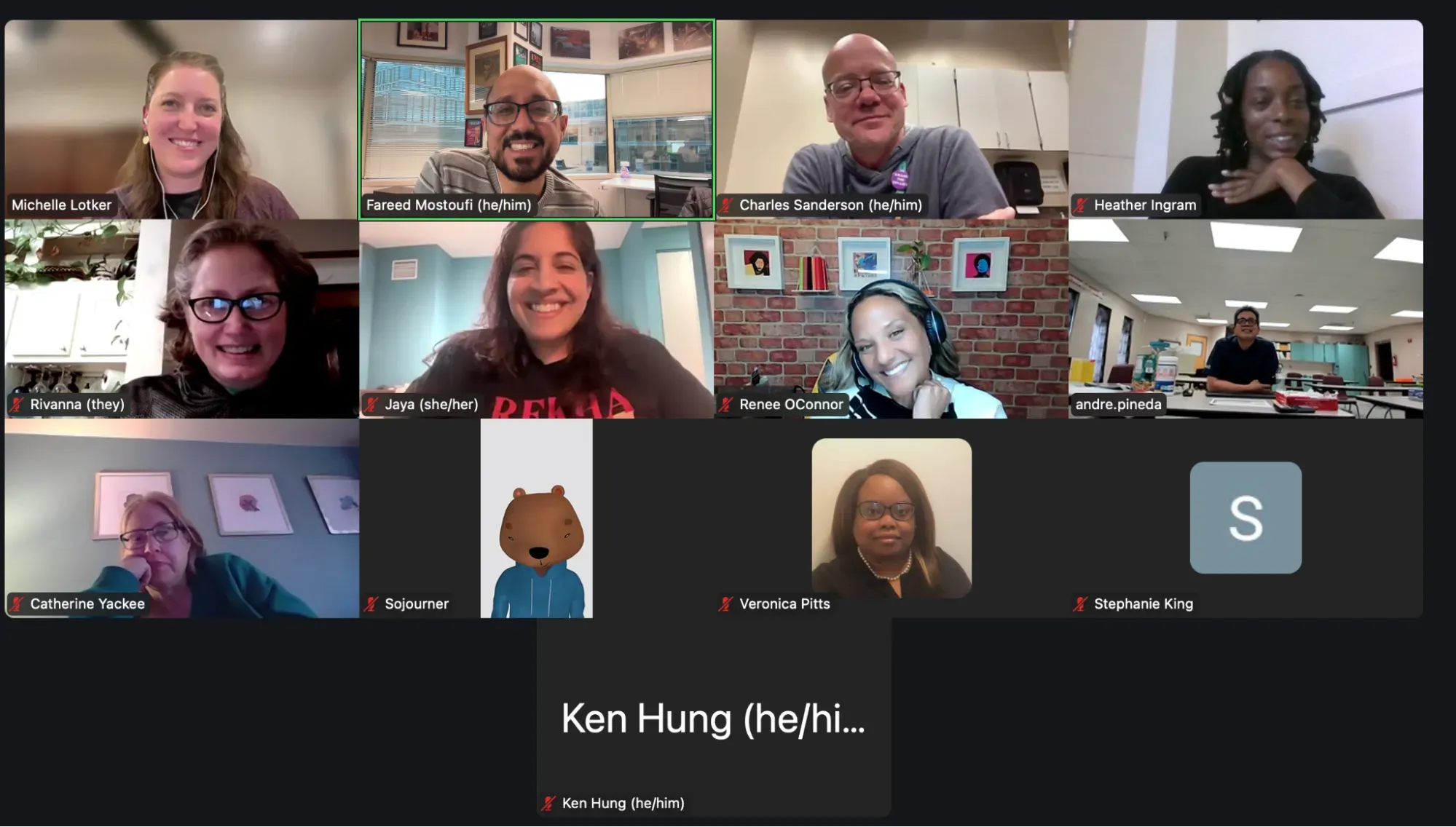
Fellows incorporated this analysis into developing and teaching course-aligned lesson plans. Students explored local connections to the issues presented in the articles, and also evaluated their own news habits. Several saw their students’ interest and critical analysis in their local news outlets increase throughout the lessons.
“Students were engaging with local news sources and would come to me after this project and ask if I saw/read about some article or report from that local source," Stephanie King, a high school educator in Granger, Washington, wrote in a post-program evaluation. “Students wanted to talk about these things in class.”
Explore Stephanie King’s reflection on creating and teaching the lesson “Global Issues Gallery Walk.”
“The media plays a powerful role in shaping our understanding of others and ourselves,” wrote one Chicago high school student while engaging with the lesson “Bold Promises To End Povery” by Fellow Rivanna Jihan. “Local coverage of communities and people that look like me reminds us that our voice does matter…At the same time local media introduces us to the lives and experiences of others, helping to break down stereotypes and build empathy.”
Explore Rivanna Jihan’s reflection on creating and teaching the lesson “Bold Promises To End Poverty.”
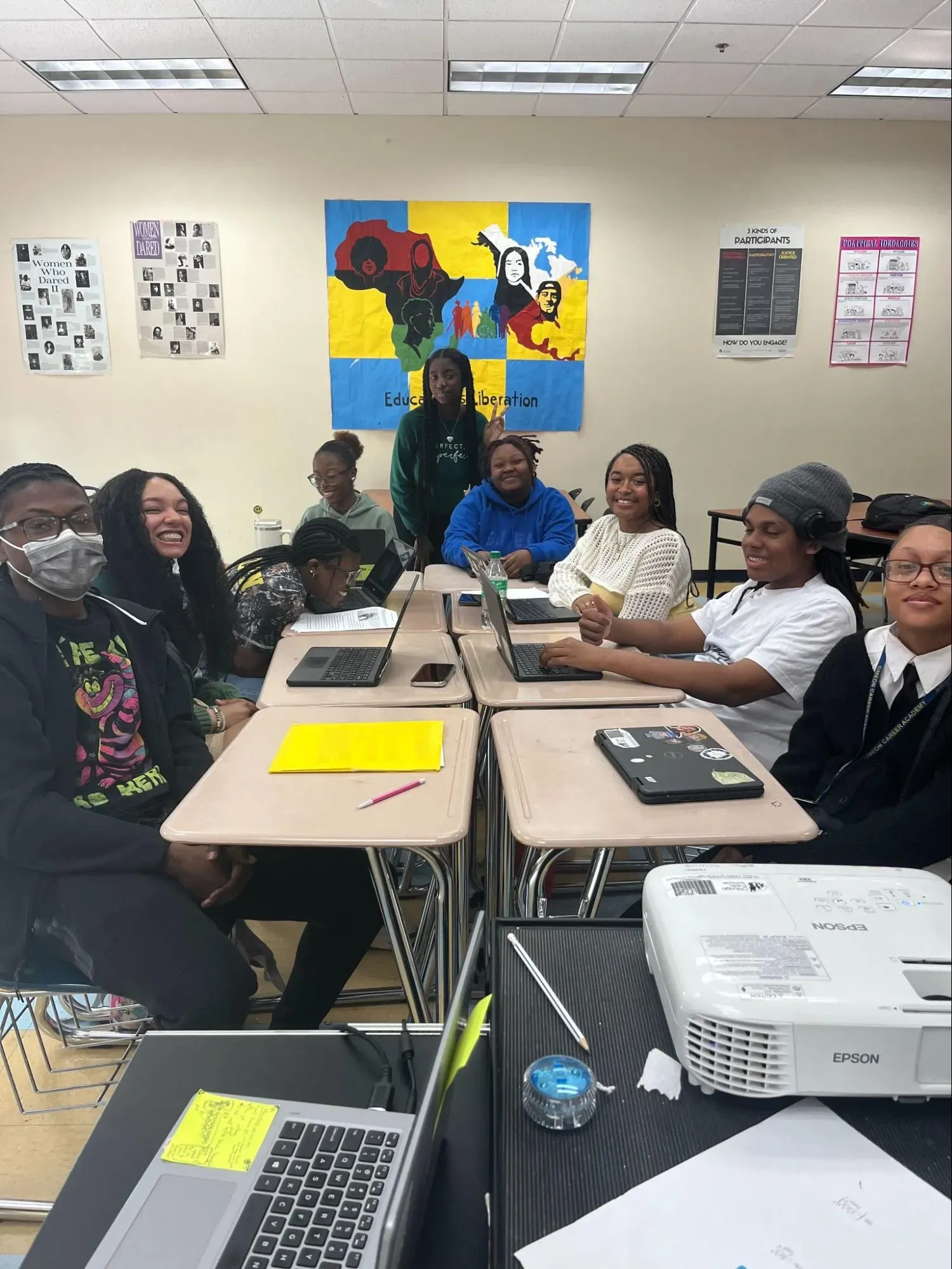
Fellows also reported that students’ analysis of the Pulitzer Center stories they selected led to conversations that demonstrated empathy and connection.
“When I planned a lesson around the investigative article 'Deaths in Pa. Jails Are Undercounted. Our Investigation Found Dozens of Hidden Cases' by Joshua Vaughn and Brittany Hailer, I knew it would stretch my ninth graders’ thinking,” wrote Karen Sojourner, a high school educator in Kansas City, MO. “What I didn’t expect was just how personal it would become—not just for them, but for me. This lesson became a shared moment of introspection and inquiry.”
Explore Karen Sojourner’s reflection on creating and teaching the lesson, “We Know These Stories: Teaching Investigative Journalism and Incarceration.”
“Comparing national Pulitzer Center articles to Arizona-specific examples gave them a framework to analyze big ideas while rooting them in familiar context,” wrote Whiteriver, AZ, educator Andre Pineda, who developed a lesson through the fellowship that examined local connections to PBS North Carolina reporting on community-led solutions to combat the impacts of climate change. “Students were no longer simply absorbing information about climate solutions—they were envisioning their role in them.”
Explore Andre Pineda’s reflection on creating and teaching the lesson, “From Global to Local.”
Engaging communities beyond the classroom
Fellows created performance tasks that challenged students to connect their learning to their communities, and several projects resulted in civic actions led by students. For example, Catherine Yackee’s AP Human Geography students in Chicago used their analysis of reporting on the health impacts of lead in Oakland, CA, communities to research how lead is impacting their communities. “Students were shocked by the prevalence of lead pipes in the city of Chicago. They wanted to test every place they went,” Yackee wrote in a post-program reflection. “They ended up writing letters to stakeholders like the mayor, EPA, and aldermen to shed more light on the issue.”
Explore Catherine Yackee’s reflection on creating and teaching the lesson, “Using GIS To Track Lead Levels in Chicago.”
For his lesson, “Global Issues, Local Context Workshop,” Philadelphia educator Ken Hung’s IB Global Politics students identified one story that interested them from a list of Pulitzer Center-supported reporting published by local or regional outlets in the U.S., and then researched how the global issue central to the story manifests in Pennsylvania and in one other community outside of the U.S. Hung then challenged students to design lesson plans that would engage 9th grade World History students in the global issues they researched. Students created lessons connected to reporting on migration, maternal health, pollution, and more that ultimately engaged over 300 ninth graders.
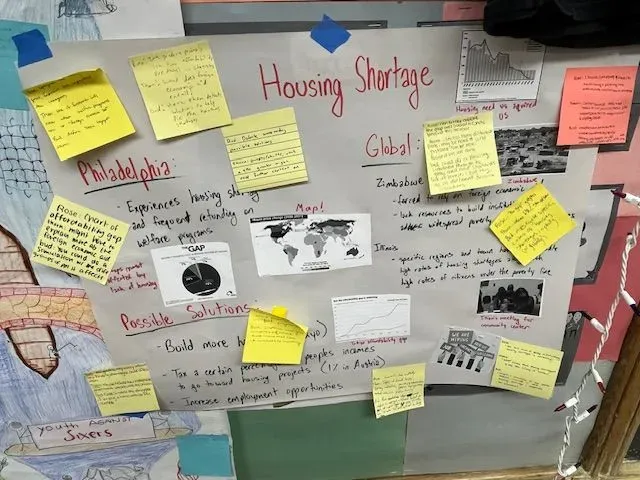
“Overall I found this project to be very rewarding and enjoyed using a wide scope of sources,” one student wrote in a post-lesson reflection on the experience designing a lesson that centered reporting on maternal mortality.
“I was glad the kids were able to look at an issue from multiple perspectives,” wrote a student whose lesson focused on the impacts of lead contamination. “This was like a lesson for me in a way as well, since I was able to learn how to explain broad topics in a purposeful way.”
89% of Fellows reported that they intended to reteach the lesson they created. As part of the publication of their lessons, Fellows also included advice for other educators who may want to adapt their lessons for their students.
“Connect content to students’ lived experiences and local stories,” Whiteriver, AZ, educator Andre Pineda wrote his closing reflection. "This not only makes complex issues more relevant, but also inspires students to see themselves as agents of change."
“The biggest key for me is to find the stories that are going to bring students in visually and then have content that helps them build bridges of empathy, affinity, and understanding,” wrote Charles Sanderson, a high school educator in Woodburn, OR, who developed the lesson, “A Different Lens: Reclaiming Our Stories With Counter-Narrative Photojournalism." The lesson utilized the story, “Walking to the United States,” by Chip Mitchell and Anthony Vazquez for the Chicago Sun-Times as the anchor his lesson.
Chicago educator Heather Ingram also utilized reporting by Mitchell and Vazquez for her lesson, “Ink and Empathy: Bridging Borders Through Letters.”
“While delivering [this lesson], I have learned to more fully trust in the brilliance and humanity of our young people,” Ingram wrote in a post-program reflection. “Given these precarious political times, we can find solace in our students. By cultivating both academic and socio-emotional skills, educators have an opportunity to shift the tide toward collective healing and progress.”
Click here to explore Fellows' lesson plans from the fellowship, “Global Issues, Local Contexts: News for Civic Knowledge and Engagement.” For more information on our fellowship program and to explore units by the 106 amazing educators who have participated in our teacher fellowships over the past four years, click here.