Pulitzer Center Update February 11, 2026
Grantee Recognized for Uncovering Cold War Weapons Site’s Dangers
Country:


Project
The Legacy of Luckey
Workers and residents were told a Cold War weapons plant was safe. It wasn't.

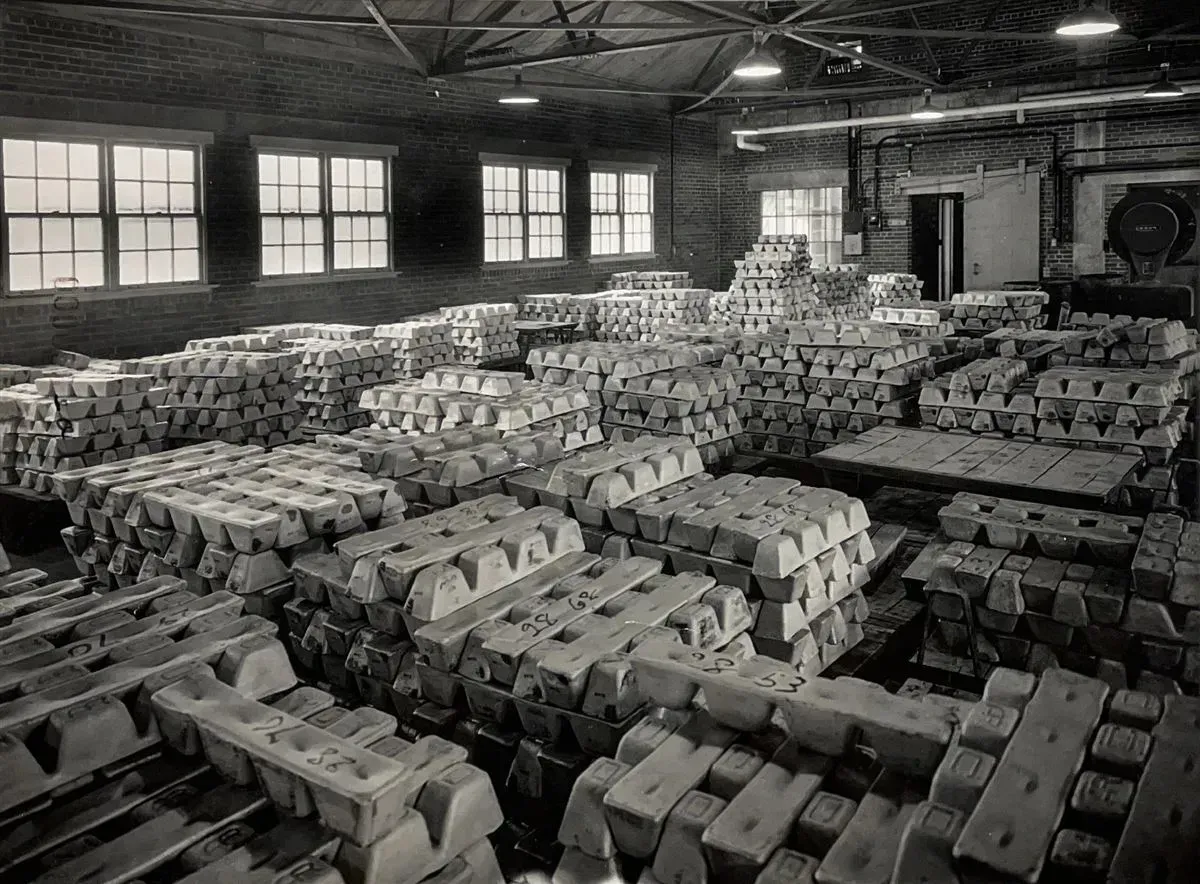
A Pulitzer Center-supported investigation into a Cold War-era weapons site in Luckey, Ohio, has received a special mention from Investigative Reporters and Editors (IRE).
The reporting project was recognized by IRE’s Philip Meyer Journalism Award, which honors the best use of social science research methods in journalism. Winners will be recognized on March 6, 2026, at IRE’s NICAR Conference in Indianapolis.
Grantee Alexa York's project for The Blade, The Legacy of Luckey, published in spring 2025, exposed a decades-long deception by the federal government and its contractors, neglecting the environment and local public health.
Through novel testing efforts, the Toledo, Ohio, newspaper sampled local residents’ tap water for contaminants and radioactive compounds. The testing program was the largest and most comprehensive of its kind.
In addition, The Blade examined thousands of previously classified government documents to reveal how government officials, committed to producing wartime materials, disregarded the health and safety of workers. Among the records is a transcript of Atomic Energy Commission officials and industry representatives debating whether to sacrifice workers’ lives to produce atomic weapons materials.
Other documents demonstrate how, over 70 years, government and industry leaders repeatedly violated health standards, minimized safety risks, neglected environmental hazards, and repeatedly disregarded promises of improved environmental and worker protections.
On the investigation, IRE judges wrote, “The relentless pursuit of this story and careful methods resulted in a classic data-driven investigation that helped Blade readers understand the contamination faced in the region.”