Pulitzer Center Update October 1, 2026
Caden Choi: Reflections on Four Years of Bringing Global Journalism to Rural California and Beyond
Country:

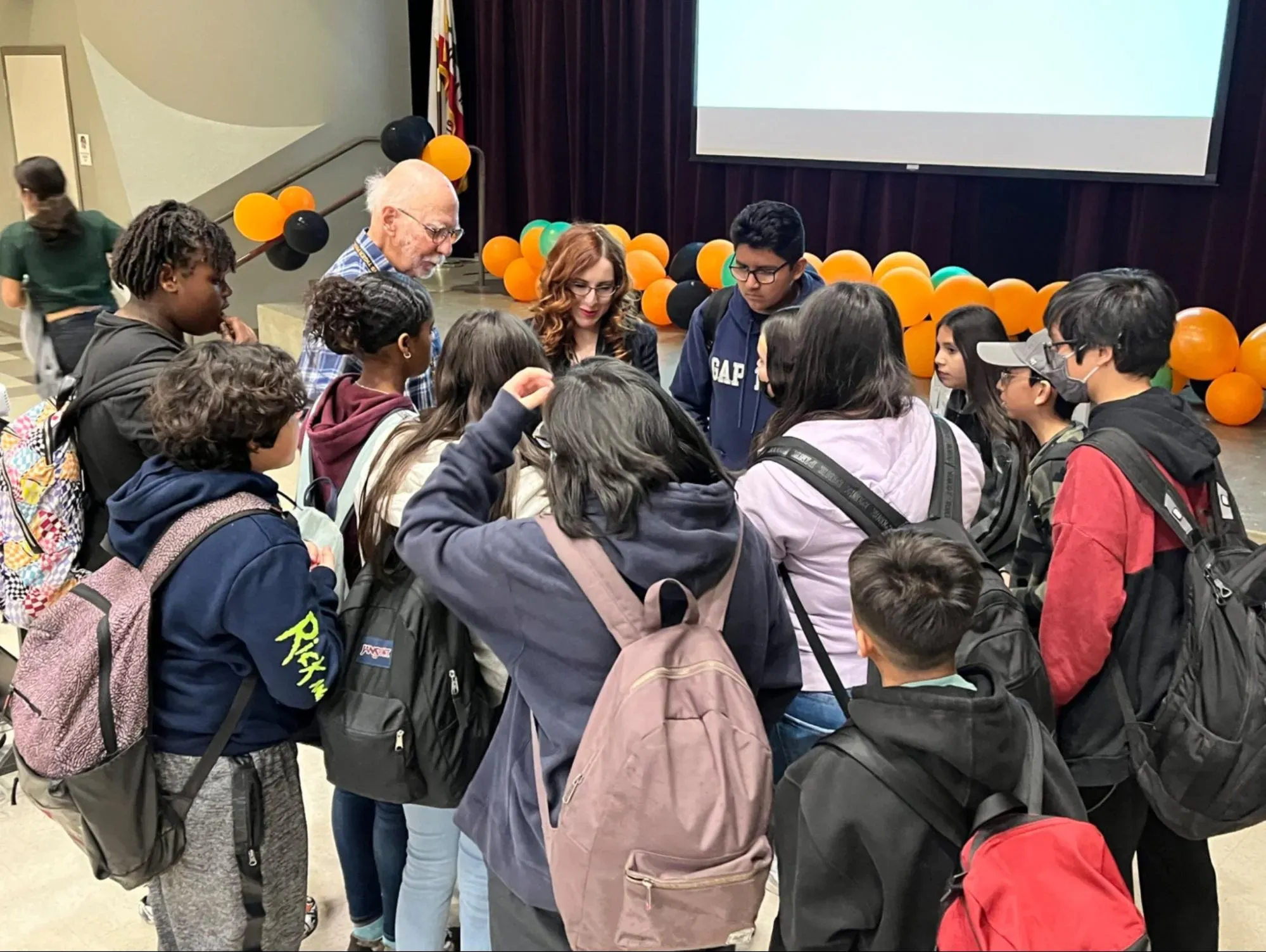
Image by Caden Choi. United States, 2023.
About Educada
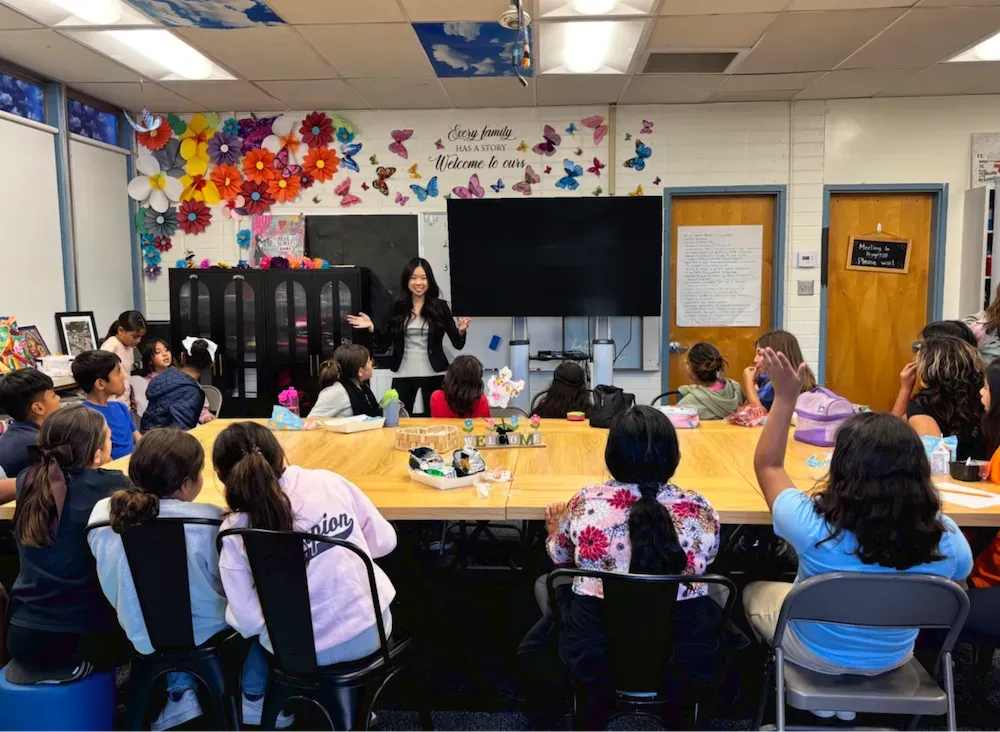
Caden Choi is a high school senior from California who serves as a West Coast Outreach Coordinator for the Pulitzer Center. She leads Educada, an initiative that brings local and global news directly into classrooms, with a focus on reaching rural and small school districts. Students engage directly with underreported stories and the journalists who cover them. To date, Educada has provided in-person programming for over two thousand students in California and several other states.
Q&A
What inspired you to start Educada, and how did your work with the Pulitzer Center begin?
I’ve always been fascinated with written and photojournalism, but growing up surrounded by social media, I saw firsthand how hard it was to find credible news and journalism resources, both inside and outside school. I started Educada as a way of bringing news directly into classrooms.
My search for resources led me to the Pulitzer Center. I remember scrolling through their site and thinking, “Wait, this already exists?” I found lesson plans built around interesting articles, teacher guides, and student exercises, all aligned to state standards, so I didn’t have to start from zero. From there, my work grew to include journalist visits, writing workshops, and advocacy for media literacy and journalism programs.
What goes into creating a meaningful exchange between a journalist and a classroom, and what have you learned from helping organize those experiences?
The biggest difference-maker is working closely with educators to determine which topics would genuinely interest their students. When students learn about issues that matter to them, they become more engaged. They ask questions. They start thinking about how they might become difference-makers themselves.
Is there a particular classroom visit or interaction with students that has stayed with you?
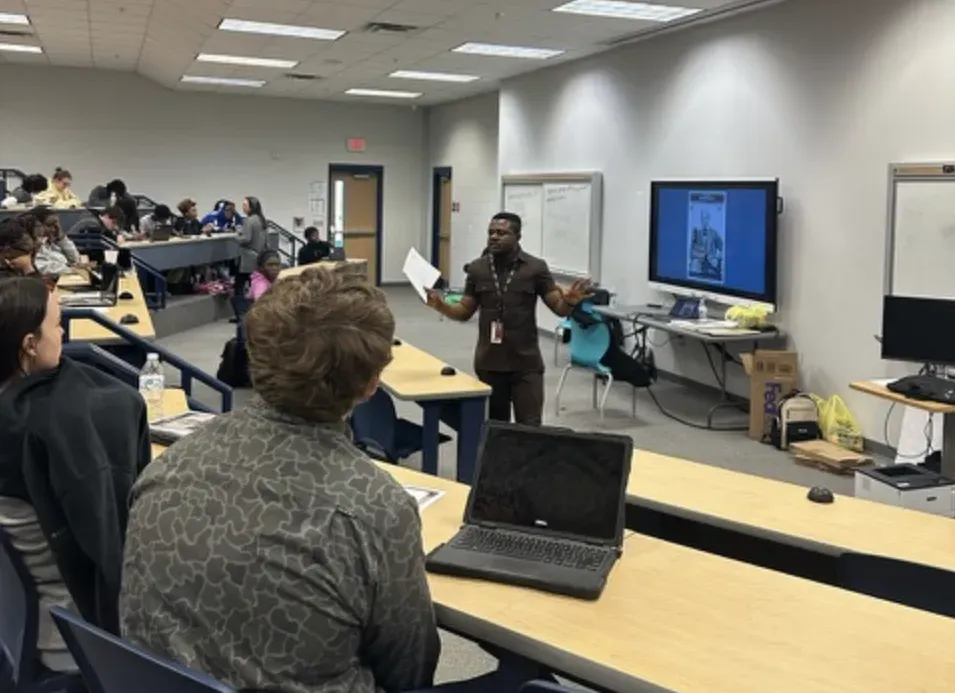
Definitely. In South Carolina, I worked with Pulitzer Prize-winning journalist Jennifer Berry Hawes and high school English teacher Prince Owusu Bonnah to develop a journalist visit centered on the life of Omar Ibn Said, a Muslim scholar from West Africa who was abducted, enslaved, and brought to Charleston, South Carolina, in the early 19th century. It was a powerful session. Students watched videos, heard from Hawes, read her Post and Courier article, then wrote their own reflections on this piece of history unfolding so close to home. Several students said they had never encountered a story that made history feel so real.
What have you learned from working with students and educators in communities that have less access to journalism and media literacy resources?
With the decline of local newspapers and outlets, it’s more crucial than ever to be proactive in closing the information gap. When a community has fewer news resources, it also hears fewer perspectives, which can deepen polarization. Even communities that have more access to journalism still face the challenge of finding genuinely diverse viewpoints, which is why it really matters to show students reporting from a wide variety of sources.
How has doing this work changed the way you think about journalism and your own role in it?
This work has changed how I see journalism’s future. Students have a powerful voice. We’re not only connecting them with tools to better understand the media they encounter, but helping them recognize their own potential as storytellers who can shape the future.