Pulitzer Center Update January 15, 2026
In Bolivia, Indigenous Young Journalists Lead Letter-Writing Workshops To Inspire Climate Action
Country:


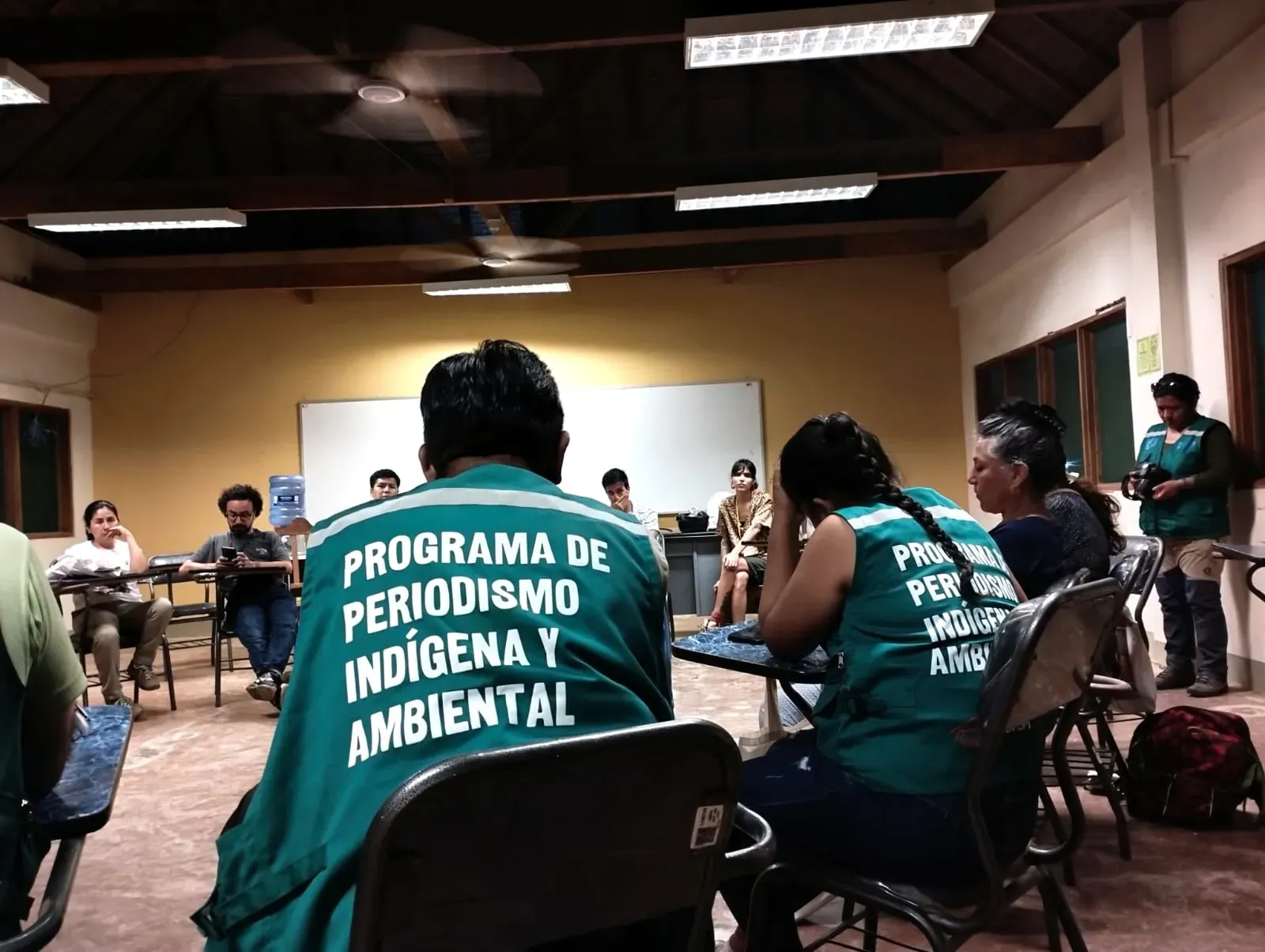
For the second consecutive year, the Indigenous and Environmental Journalism Program (PPIA), a biannual communications training program for Indigenous youth in Bolivia, is strengthening its ties with the Pulitzer Center.
After a delegation's trip to the Pan-Amazonian Social Forum (FOSPA) in Rurrenabaque, Bolivia, five student journalists participated in the 2025 letter contest "Our Voice at COP30" (the United Nations Climate Change Conference held in Belém, Brazil, in November 2025). Inspired by Pulitzer Center reporting, participants in the contest used letter-writing as a form of civic engagement.
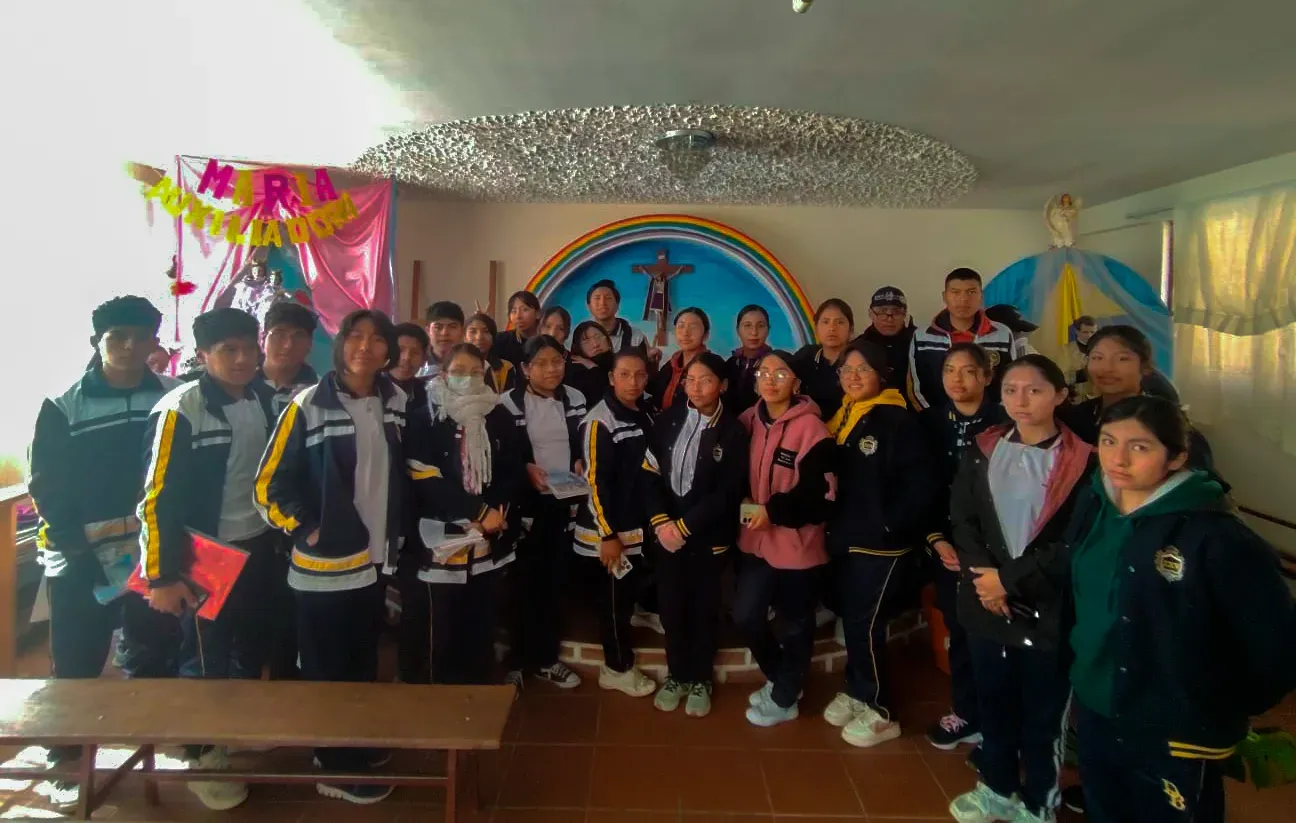
In the city of El Alto, Juan Carlos Muiva Arenas, an Aymara and Mojeño Trinitario student, held a workshop with students from the Juan Pablo II Don Bosco Educational Unit. The space became a forum for dialogue on environmental education and allowed participants to recognize that the problems affecting the Amazon rainforest will also impact their own future in the Bolivian Altiplano. The exercise demonstrated the limits of access to environmental information and highlighted the need to strengthen spaces where young people can lead proposals for change, raise their voices, and link knowledge with broader collective action.
At the same time, in eastern Bolivia, journalist and psychologist Nely Yanina Valencia Muñoz held her COP30 letter-writing workshop in the city of Santa Cruz de la Sierra. The workshop took place at the América Fe y Alegría Educational Unit, located in the Plan 3000 area, a densely populated sector of the city that receives many migrants from western Bolivia.
There, she worked with 40 teenagers between the ages of 15 and 17. The students wrote their letters about deforestation and fires, a problem that affects the Bolivian population at the end of each dry season.
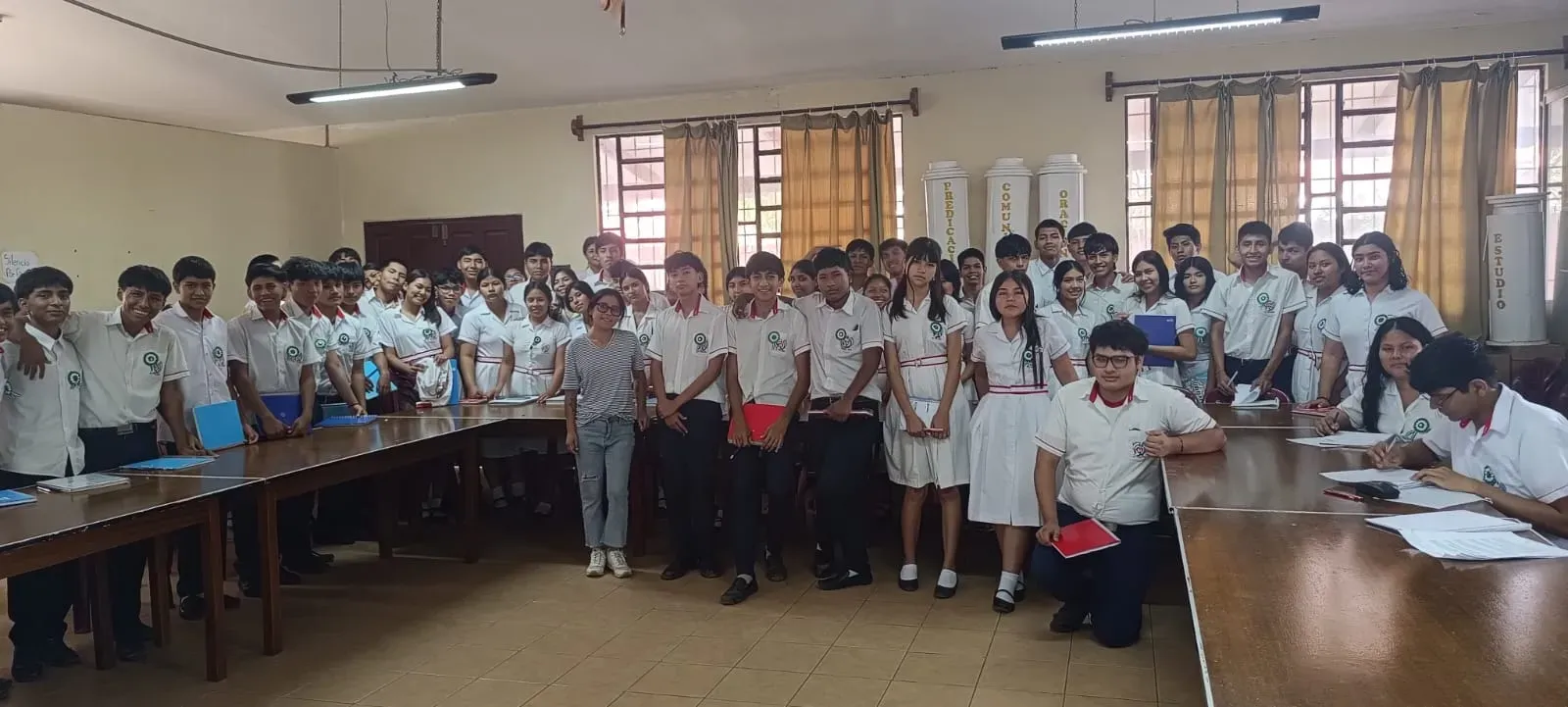
In northern Bolivia, the Amazon rainforest is home to living cultures: the Tsimane, Mosetene, Tacana, and Uchupiamona. The municipality of Rurrenabaque is surrounded by two protected areas of global importance: Madidi National Park and Pilón Lajas Biosphere Reserve.
In these ancestral territories, Tacana journalist Rafael Acuña held a letter-writing workshop with young people from the multi-ethnic community of El Cebú and nursing students from the Autonomous University of Beni.
"Most of them pointed to the problems of flooding, gold mining, and illegal logging," summarized the director of Ecuanasha Indigenous Digital Television.
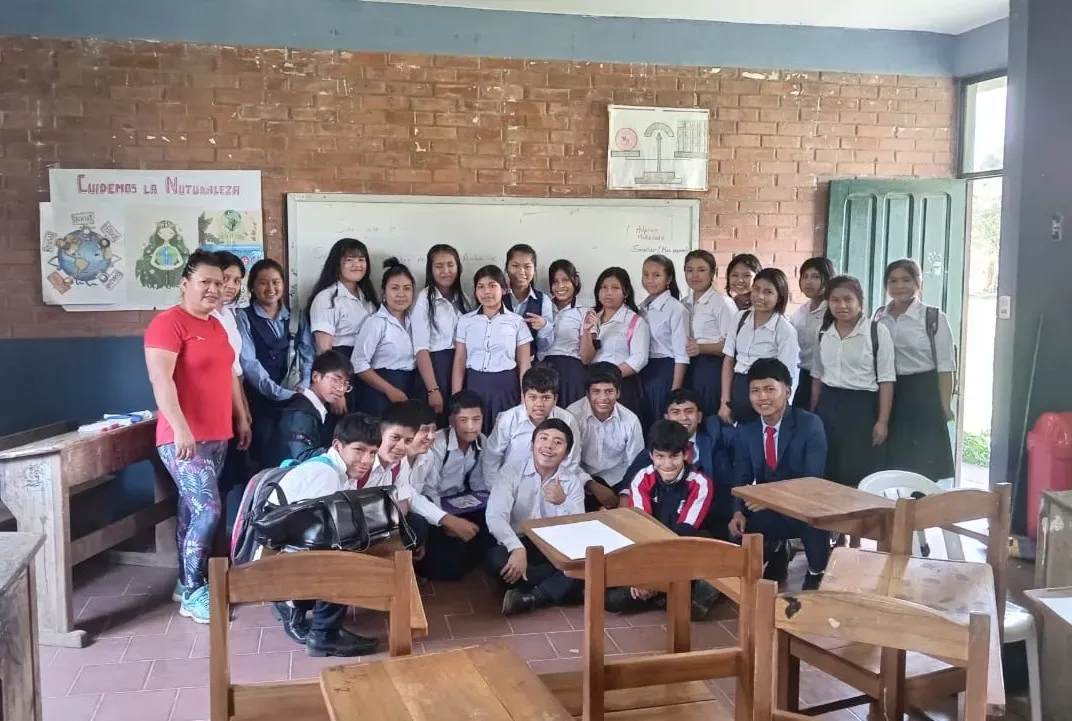
From the heart of Madidi National Park, Doly Navi Yuchina, an Indigenous journalist from the San José de Uchupiamonas community, led a participatory workshop for the COP30 letter contest with students from the San José Educational Unit.
The Uchupiamona communicator shared her people's ancestral knowledge, reflected on the protection of Mother Earth, and strengthened environmental awareness. After writing the letters, the students expressed their ideas and commitments to care for the territory, the climate, and the future through collective action.
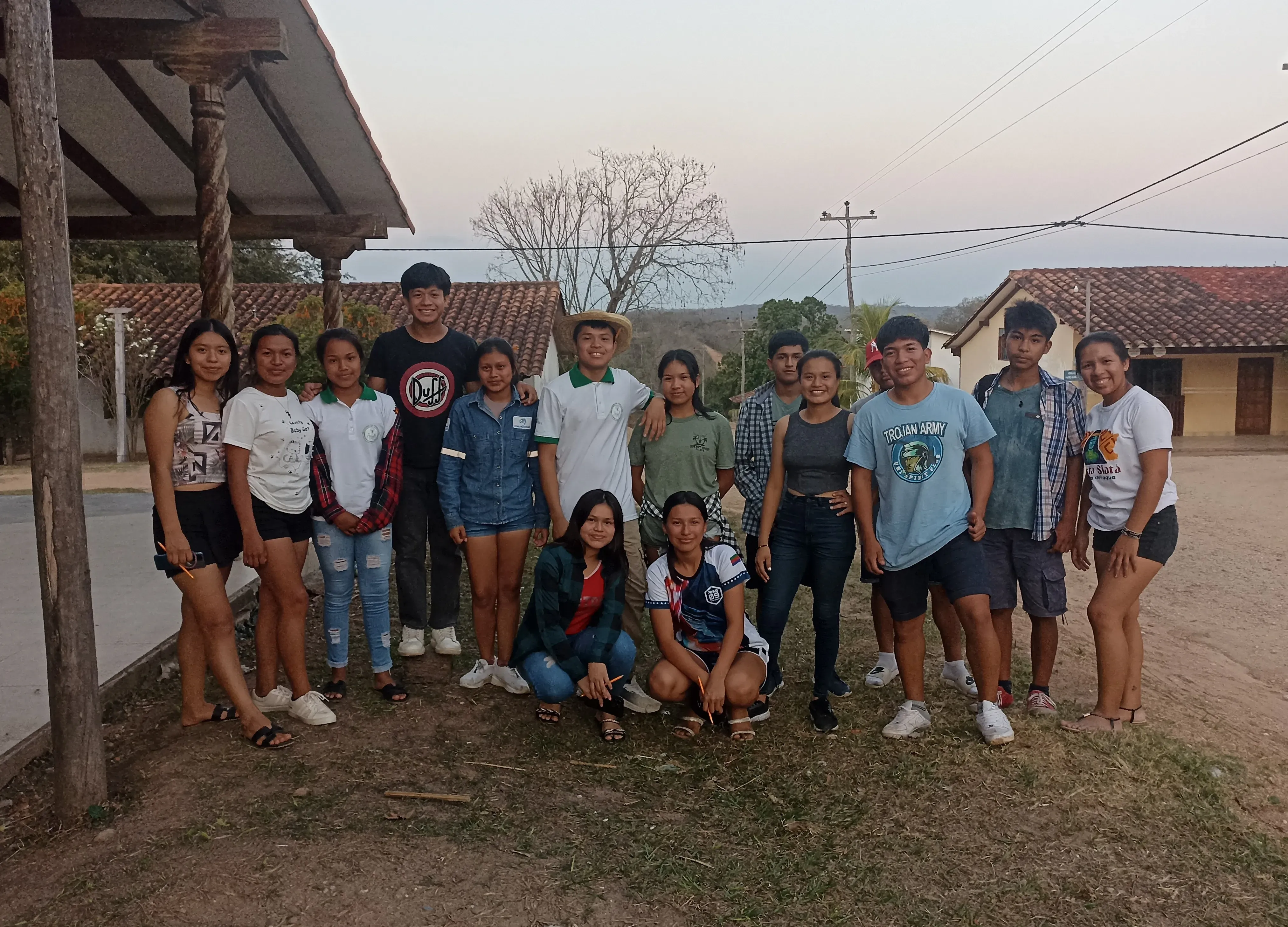
In San Antonio de Lomerío, Guaraní journalist Mary Luz Guzmán and Monkox journalist Eliana Peña Choré led a letter-writing workshop with an emphasis on forest protection. The meeting was particularly relevant because the Chiquitanía region suffers from fires, droughts, and deforestation.
The group of young people aged 13 to 17 wrote about their rivers, animals, plants, and the threats faced by the Monkox communities of Lomerío. They also demanded that governors, mayors, the Agro-Environmental Court, and chiefs act responsibly in caring for their territory. The meeting showed that the connection young people have with their territory allows them to fight for change.
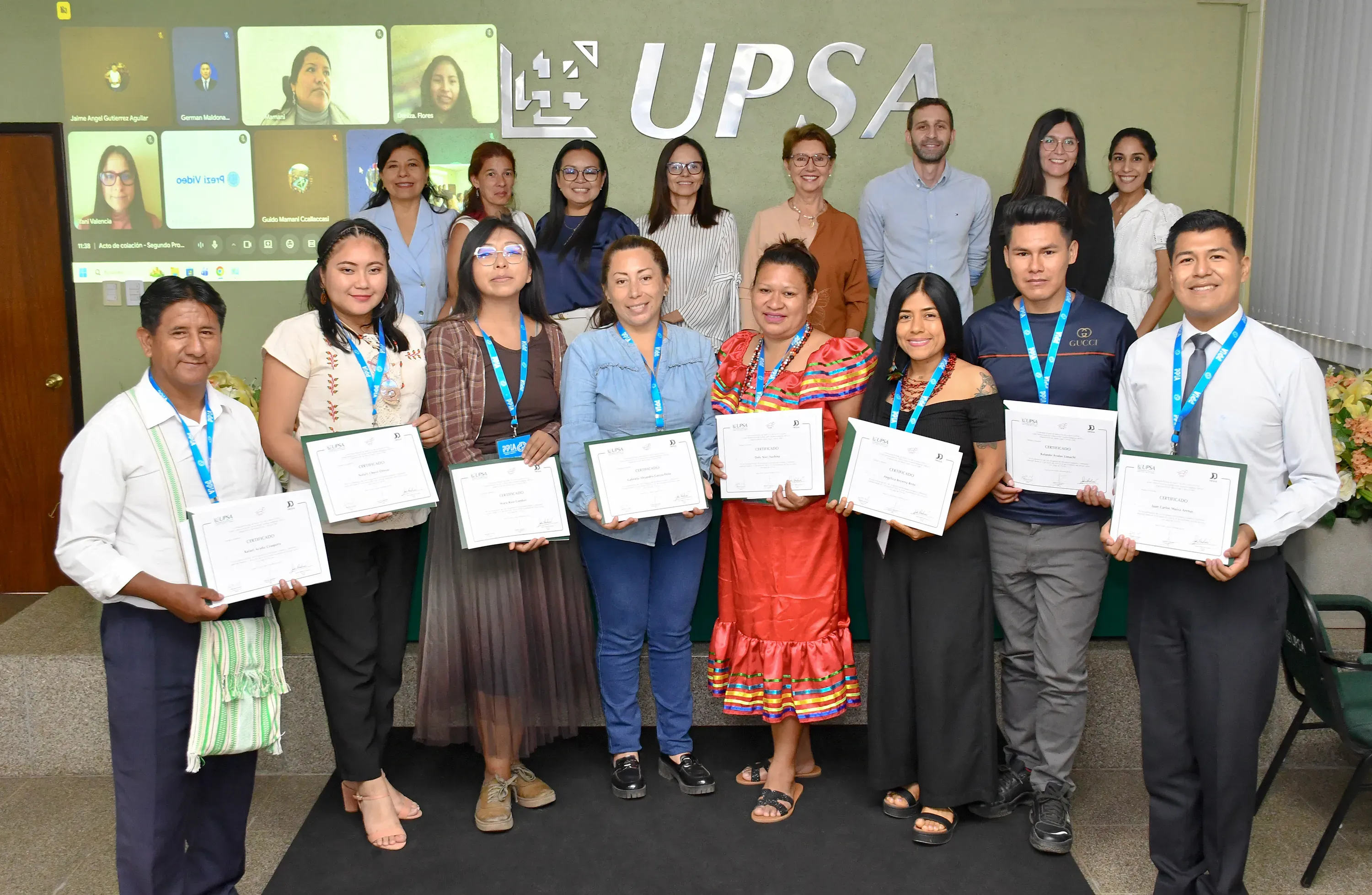
The Indigenous and Environmental Journalism Program (PPIA) began its activities in 2022, based on a collaboration between the International Work Group for Indigenous Affairs (IWGIA), the Private University of Santa Cruz de la Sierra (UPSA), and the Ore Legal and Social Support Organization.
It has already had two groups of graduates, including young Monkox, Guaraní, Quechua, Guarayos, Aymara, Tacana, and Uchupiamona people. As a hybrid program, the PPIA is taught in UPSA classrooms and virtually and synchronously for Indigenous youth who live in their territories.
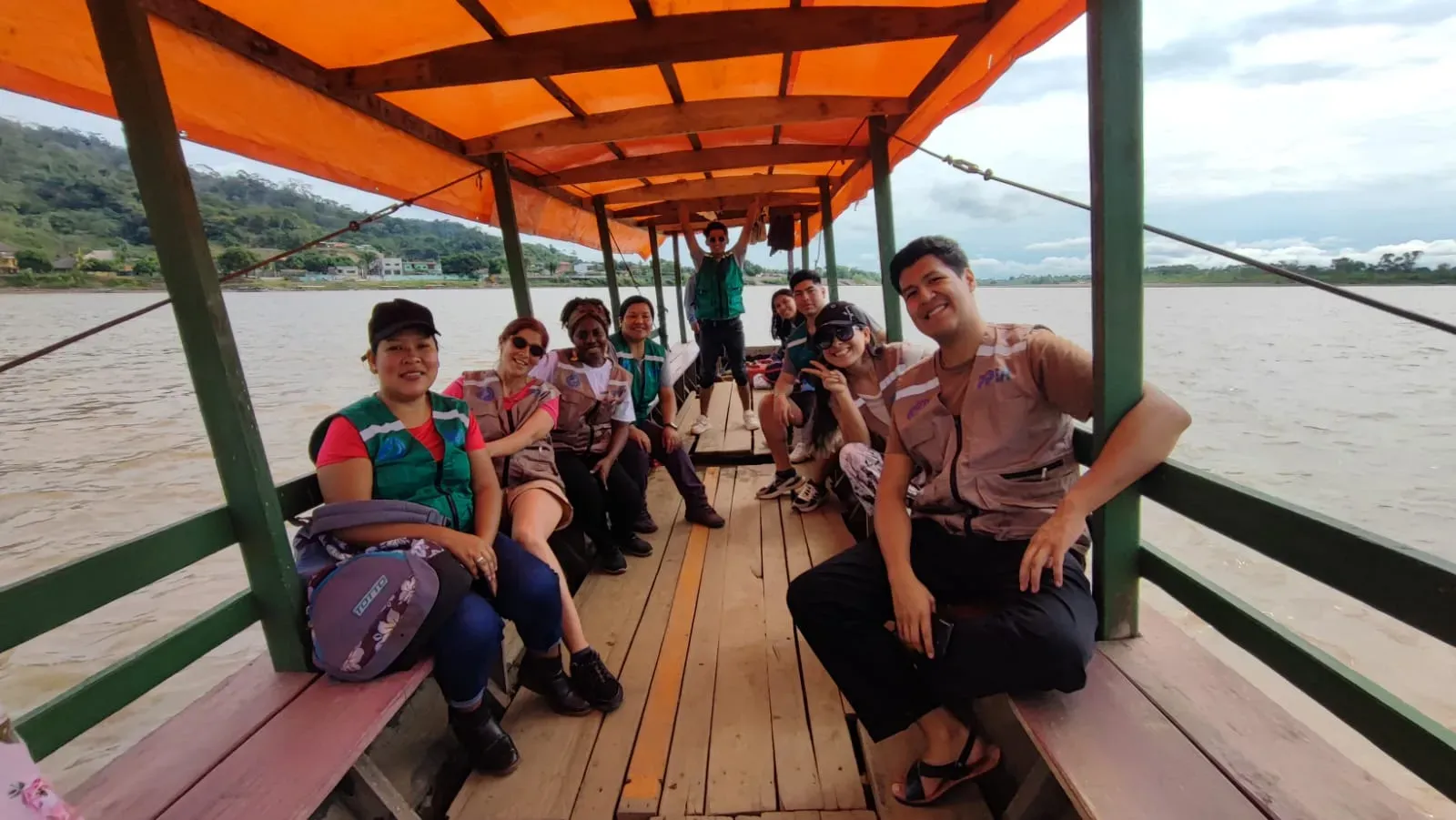
Through its collaboration with the Pulitzer Center, the Indigenous and Environmental Journalism Program (PPIA) has strengthened the role of Indigenous journalists as trusted bridges between communities, accurate reporting, and civic action.
By combining rigorous journalism training with participatory methodologies—such as letter-writing workshops linked to global processes like COP30—young communicators are creating spaces for dialogue, reflection, and collective proposals for change.